How often to change newborn diaper at night—have you ever asked yourself if you’re doing it too much or not enough? As a new parent, nighttime diaper changes can feel like walking a tightrope between sleep and skin health. Is it necessary to change your baby every time they stir? Let’s clear the confusion and find out what your baby really needs.
Baby diaper should be changed every 2 to 3 hours at night, or whenever they poop. Dr. Harvey Karp, renowned pediatrician and author of The Happiest Baby on the Block, suggests that preventing diaper rash and keeping your baby dry are key for restful sleep. This guide breaks down how often to check, what signs to look for, and how to balance sleep with comfort.
Still wondering how to manage diaper changes without waking your little one completely? Or whether overnight diapers can make a real difference? We’ve got all the tips from pediatricians, parents, and experts to help you create a peaceful nighttime routine—so let’s dive right in!
How Often to Change Newborn Diaper at Night?
How often change diaper for newborn? Changing your baby’s diaper at night can be a daunting task for new parents. Typically, a newborn’s diaper should be checked every few hours during nighttime. If your baby has pooped or if the diaper feels particularly heavy with wetness, it is essential to change it immediately.
Leaving a soiled diaper on for too long can lead to diaper rash and skin irritation, which can distress your newborn. The goal is to keep your baby comfortable and dry throughout the night.
While it might be tempting to delay a nighttime diaper change to allow your baby to sleep longer, it’s important to remember that a wet diaper can disrupt their sleep. Frequent checks can help you gauge how often you should change your baby’s diaper during the night.
A general guideline is to change a baby’s diaper every 3-4 hours, but this may vary based on your baby’s needs and their ability to stay dry. Keeping this schedule ensures that your newborn remains comfortable and reduces the likelihood of diaper rash.
Is It Better to Change Diaper Before or After Feeding?
The timing of a diaper change in relation to feeding can be a common question among new parents. Many experts recommend changing your baby’s diaper before feeding, as this can help minimize the chances of your newborn pooping during or right after feeding, which can create an extra mess. A new diaper can also allow your baby to focus on feeding without any discomfort from a soiled diaper.
On the other hand, if your baby tends to poop right after feeding, it may be more efficient to change the diaper afterward. Observing your baby’s habits will help you determine the best routine.
Ultimately, the key is to ensure your baby is comfortable and clean, regardless of whether you choose to change the diaper before or after feeding. Keeping track of these patterns can help you make the best decision for your baby’s diapering schedule.
How to Change a Diaper?
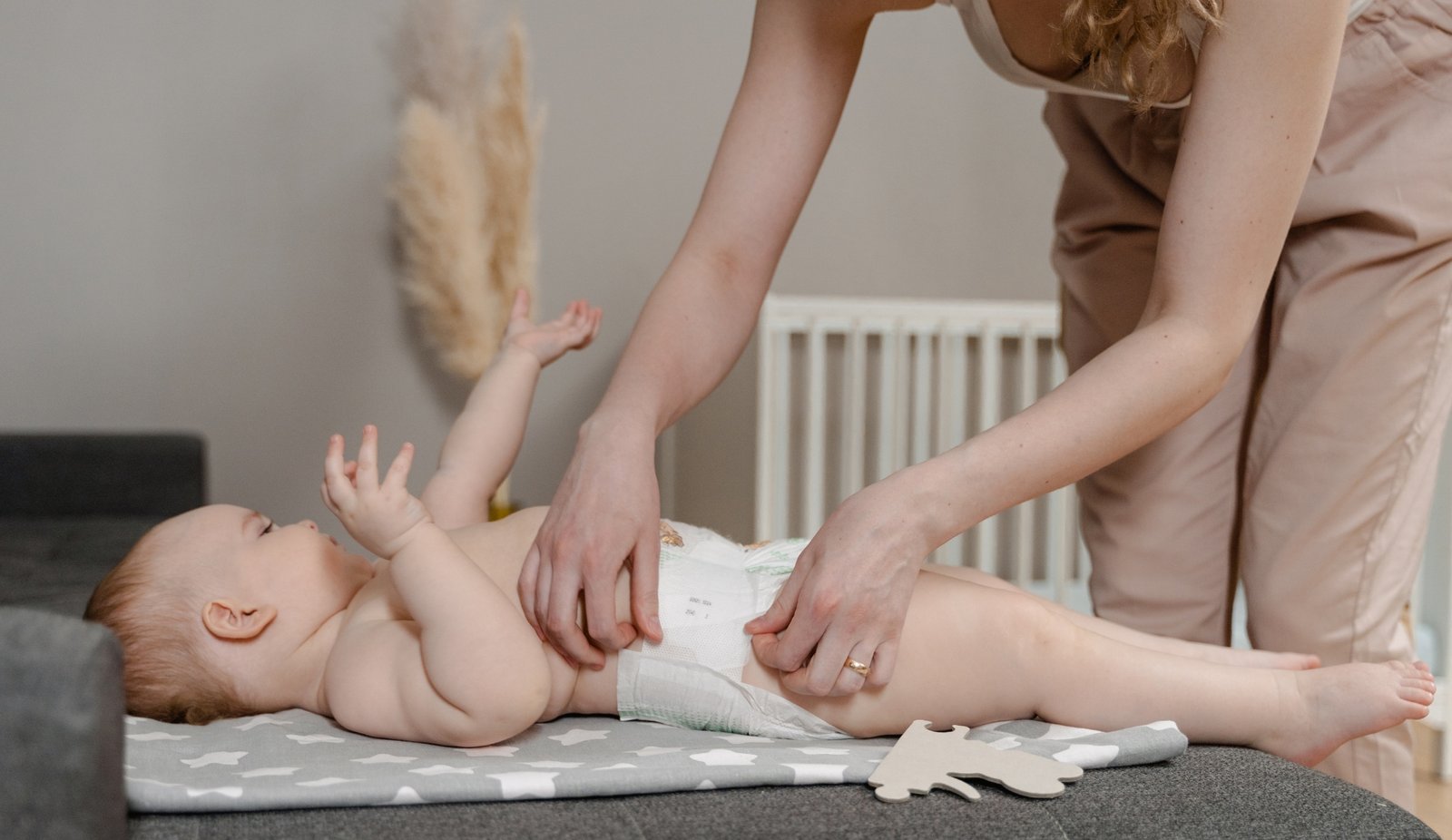
Changing a diaper may seem straightforward, but there are several steps to ensure that you do it safely and effectively. First, gather all necessary supplies, including a clean diaper, wipes, and diaper cream if needed.
Lay your baby down on a safe, flat surface and ensure they are secure. Remove the soiled diaper carefully, making sure to keep the front of the diaper away from your baby’s skin to prevent any mess.
Next, clean your baby’s diaper area with wipes, ensuring to wipe from front to back to prevent any possible infections. Once clean, place the fresh diaper under your baby and fasten it snugly, but not too tight, to avoid discomfort.
Make sure to check that the diaper is positioned correctly to avoid leaks. Finally, dispose of the soiled diaper appropriately and wash your hands thoroughly. Following these steps will help keep your baby clean and comfortable during diapering.
Diaper Changing Tips Before Baby Sleep
Changing your baby’s diaper before sleep is an important step in ensuring they have a restful night. A fresh diaper helps prevent discomfort that might wake them during the night.
It is advisable to perform the diaper change just before putting your baby down to sleep. This way, you can ensure they are as comfortable as possible and reduce the likelihood of diaper rash.
In addition to changing the diaper, consider applying a barrier cream to protect your baby’s skin from moisture. This extra step can be particularly beneficial during longer stretches of sleep.
Also, make sure the diaper is fitted properly, as a well-fitted diaper reduces the risk of leaks that might disrupt your baby’s sleep. Lastly, try to create a calming bedtime routine to help your baby associate diaper changing with a peaceful transition to sleep.
Do you Need to Change Cloth Diapers more Often than Disposable Diapers?
The frequency of diaper changes can vary between cloth and disposable diapers. Generally, cloth diapers may require more frequent changes than disposable diapers due to their absorbency levels.
Cloth diapers can become saturated more quickly, which may lead to potential skin irritation if left unchanged for too long. It’s recommended to check cloth diapers every 2-3 hours and change them promptly if they are wet or soiled.
On the other hand, disposable diapers are designed to absorb moisture more efficiently and can often be left on longer. However, it is still important to check your baby’s diaper regularly, as each baby has different needs.
Ultimately, whether you are using cloth or disposable diapers, the key is to ensure your baby’s comfort and to minimize the risk of diaper rash by changing the diaper whenever it is wet or soiled.
Commonly Asked Questions about Changing Baby Diapers at Nighttime (FAQs)
Why Do Newborn’s Diapers Need Changing More Often?
Newborns’ diapers need frequent changes because they eat often (breastmilk/formula is liquid-based) and their skin is extra sensitive. Wet or soiled diapers left too long can cause rashes or infections.
Should you change the diaper before or after a night feeding?
Change the diaper before feeding at night to avoid waking your baby fully after they’ve eaten. If soiled, do a quick, quiet change after feeding while keeping lights dim and interaction minimal.
When do you stop changing diapers at night?
General rule, Stop changing diapers at night once your baby sleeps through without soiling them, usually around 6+ months. Use overnight diapers and barrier cream unless poop is present to avoid unnecessary wake-ups.
How Often Should I Change My Baby’s Diaper?
How often change infant diaper? Change your baby’s diaper every 2–3 hours, or immediately after pooping, to prevent rashes. Newborns may need more frequent changes (10–12/day), while older babies can go longer, especially overnight.
How often should you change a baby or toddler’s diaper at night?
Change a baby or toddler’s diaper at night every 3 to 4 hours or when visibly soiled to prevent discomfort and diaper rash, ensuring a good night’s sleep for everyone.
How many wet diapers do babies have per day?
Newborns typically have 6+ wet diapers daily, signaling proper hydration. By 1 week, expect 6–8+ wet diapers/day. Fewer than 6 may indicate dehydration—consult your pediatrician if concerned.
How do I know what size diaper to use?
Choose the right diaper size based on your baby’s weight (check package labels). Signs it’s too small: red marks, leaks. Too big: gaps at legs/waist. Adjust as they grow.
Conclusion
Knowing how often newborn diaper change is essential for keeping your baby comfortable and healthy. Regular checks during the day and night, along with understanding the best times to change a diaper, can greatly enhance your baby’s well-being. Whether you choose cloth or disposable diapers, the principles remain the same: change your baby’s diaper frequently to avoid discomfort and skin irritation. By following the tips outlined in this article, you can establish a successful diapering routine that keeps your newborn happy and content. Remember, every baby is different, so adjust your schedule based on your specific baby needs.
Recommended posts
- How Long Is the Newborn Stage: (Baby Milestones by Month)
- What Should a Newborn Wear to Sleep? Tips for Swaddling Baby
- How to Get Newborn to Sleep in Bassinet: (7 Helpful Ways)
- How Long Should a Newborn Sleep in a Bassinet: (Age Limits)