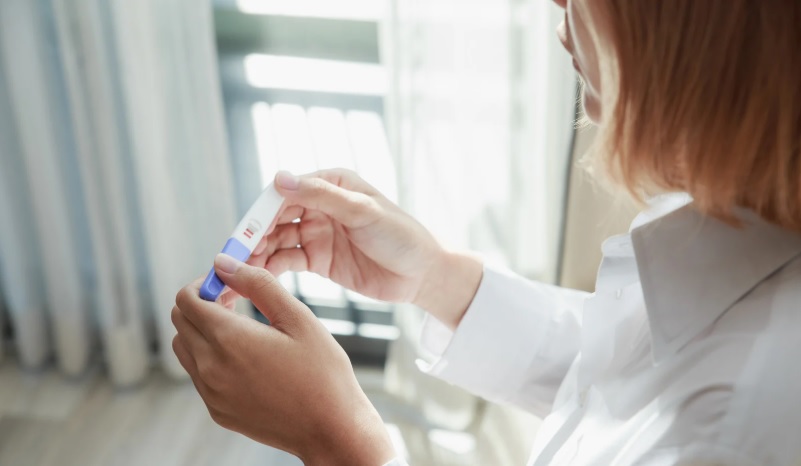
How long will an ovulation test stay positive? If you’ve seen that double line or smiley face, you might wonder how long you have to act on it. Is it just a few hours, or do you have a full day or more to take advantage of your fertile window? Let’s clear up the confusion.
An ovulation test typically stays positive for 24 to 48 hours, depending on how long your luteinizing hormone (LH) surge lasts. A positive result means ovulation is likely to occur within the next 12 to 36 hours. Experts like Dr. Serena Chen, a reproductive endocrinologist, confirm that timing intercourse during this window gives you the best shot at conception.
But not all LH surges are the same. Some are brief, some last longer—how do you read your body’s signals accurately? In the next section, we’ll walk you through what affects test results, what to do after a positive test, and how to use this data to boost your fertility chances.
What is Luteinizing Hormone (LH)?
Luteinizing hormone (LH) is a key hormone produced by the pituitary gland that plays a vital role in the reproductive process. In women, LH levels surge just before ovulation, signaling the ovaries to release an egg, which is essential for conception.
This surge can be detected through ovulation tests, commonly referred to as LH tests. When trying to get pregnant, monitoring LH levels can provide insights into the fertile days, helping couples maximize their chances of conception. Additionally, understanding LH helps individuals identify their peak fertility, which is crucial for effective ovulation testing.
LH not only triggers ovulation but also supports the menstrual cycle’s regulation. In the days leading up to ovulation, LH levels gradually increase, peaking shortly before the egg is released from the ovary. This spike is what ovulation predictor kits are designed to detect, allowing users to see a positive OPK result.
By tracking these LH fluctuations, individuals can better understand their unique cycle and pinpoint the days before ovulation that are most fertile. Overall, being informed about LH can enhance the experience of those who are trying for a baby.
How Long Will an Ovulation Test Stay Positive?
The duration that an ovulation test remains positive can vary based on the individual’s hormonal levels. Typically, a positive ovulation test indicates an LH surge and can last from 12 to 48 hours. During this time, the test line may appear as dark or darker than the control line, indicating a positive LH test result.
It’s important to note that while some may see a positive result for several days, the peak fertility window usually lasts only a short period leading up to ovulation. After the LH surge, the test may return to negative as hormone levels decrease.
Reasons you could get positive ovulation test results 7 days in a row
Getting a positive ovulation test result for 7 days in a row can be perplexing and may occur due to several factors. One reason could be the presence of multiple LH surges within the cycle, which some individuals may experience.
Additionally, hormonal imbalances or conditions such as polycystic ovary syndrome (PCOS) can lead to persistently elevated LH levels, resulting in consecutive positive OPK results. This situation can complicate the process of determining the optimal time for intercourse when trying to get pregnant.
What to Do After Getting a Positive OPK
After obtaining a positive OPK result, it’s essential to act promptly to maximize the chances of conception. The LH surge indicates that ovulation is likely to occur within the next 12 to 36 hours.
Couples trying to get pregnant should consider having intercourse during this time to enhance the likelihood of sperm meeting the egg. It’s also beneficial to track additional ovulation signs, such as changes in cervical mucus, which can provide further insight into peak fertility days.
Commonly Asked Questions about Positive Ovulation Test Results (FAQs)
When should I see a fertility specialist?
See a fertility specialist if you’re under 35 and trying for 12+ months (or 6+ months if 35+) without success, or if you have irregular cycles, recurrent miscarriages, or known reproductive issues.
What should I do if I keep getting positive LH tests?
If you keep getting positive OPKs (LH tests in urine) without ovulation, consult a doctor. Persistent positives may indicate PCOS, hormonal imbalances, or anovulation—requiring further evaluation for fertility concerns.
How can I be fertile before I ovulate?
To boost fertility before ovulation, track cervical mucus and use OPKs to predict it. Have sex every 1–2 days in your fertile window. Confirm ovulation with a BBT rise or progesterone test.
Can alcohol affect A pregnancy test?
No, alcohol doesn’t affect pregnancy test results. These tests detect hCG hormone, which alcohol doesn’t alter. However, excessive drinking can harm early pregnancy, so limit intake if trying to conceive.
Do I have to “try” every day during my fertile window?
No, you don’t need to try daily. For best results, aim for sex every 1–2 days during your fertile window (5 days before ovulation + ovulation day) to maximize conception chances.
Am I actually ovulating? Find out with urinary LH surge testing.
Track your urinary LH surge with ovulation test kits (OPKs). A positive test signals a hormone spike, meaning ovulation will likely occur in 12–36 hours.
What’s Normal Progesterone Levels During Pregnancy?
Normal PdG levels during pregnancy range from 11–44 ng/mL in the first trimester, rising to 25–83 ng/mL in the second, and 58–214 ng/mL in the third. Levels support a healthy pregnancy.
How long will an ovulation test stay positive when trying to conceive?
An ovulation test can stay positive for 1-3 days, indicating the presence of luteinizing hormone (LH) in your urine, which suggests that ovulation is near. It’s essential to test every day to accurately predict ovulation.
How do ovulation tests work to confirm successful ovulation?
Ovulation tests work by detecting the surge of LH in your urine. When the LH test line is as dark as the control line, it indicates that ovulation is likely to occur within 12 to 36 hours.
What do OPK results mean when trying to conceive?
OPK (ovulation predictor kit) results indicate the level of LH in your urine. A positive result means that the LH level has surged, signaling that you’re about to ovulate and it’s time to get busy.
How long after a positive ovulation test can I take a pregnancy test?
You should wait until after your expected period to take a pregnancy test. If you test too early, even if you recently got a positive ovulation test, you may not detect human chorionic gonadotropin (hCG) yet.
What is the best time to test for ovulation?
The best time to test for ovulation is in the afternoon, as LH levels can be more concentrated in your urine during this time. Testing every day around your predicted ovulation window can help you get a positive result.
How can I confirm ovulation has occurred after getting a positive test?
You can confirm ovulation by tracking your basal body temperature. A slight increase in basal body temperature often indicates that ovulation did in fact occur. Additionally, monitoring symptoms like changes in cervical mucus can be helpful.
What if I get a negative ovulation test but still suspect I’m about to ovulate?
If you get a negative ovulation test but suspect you’re about to ovulate, consider testing again later in the day or the following day. Factors like recent pregnancy, hormonal birth control, or irregular cycles can affect results.
How long can sperm live after ovulation occurs?
Sperm can live in the woman reproductive tract for up to five days. This is why timing intercourse during your fertile window, as indicated by positive ovulation tests, can increase your chances of conception.
How can tracking basal body temperature help in using ovulation tests?
Tracking your basal body temperature can help you identify patterns and confirm ovulation after using ovulation tests. A rise in temperature typically occurs after ovulation, providing insight into your cycle.
What should I do if I’m not getting positive results from ovulation tests?
If you’re not getting test positive results from ovulation tests and are trying to conceive, consider talking to your doctor for further evaluation. They may suggest alternative methods or tests to assess your fertility and ovulation patterns. LH surges about 36 hours before ovulation.
Conclusion
So, how long will ovulation test stay positive? In conclusion, understanding how long an ovulation test stays positive is crucial for individuals trying to conceive. The LH surge detected by OPKs is a key indicator of impending ovulation, allowing couples to identify their most fertile days. While a positive ovulation test may last from 12 to 48 hours, variations can occur based on individual hormonal levels and other factors. If experiencing prolonged positive results, consulting a fertility specialist may provide clarity. Ultimately, utilizing ovulation tests effectively, alongside monitoring ovulation signs and timing intercourse, can significantly enhance the chances of getting pregnant.
Recommended posts
- How Soon After Tubal Reversal Can I Try to Conceive (Tested)
- 7 Signs Ovulation has Passed – here’s What Happens Next
- How Long Does Ovulation Discharge Last (The Exact Timeline)
- Would an Ovulation Test Be Positive If Pregnant? Shocking Truth
- Can You Get a Period and Not Ovulate? (Ovulation Facts)
- How Long Does Lh Stay Elevated After Ovulation? Exact Timing
- Common Signs of Hormone Imbalance After Miscarriage