
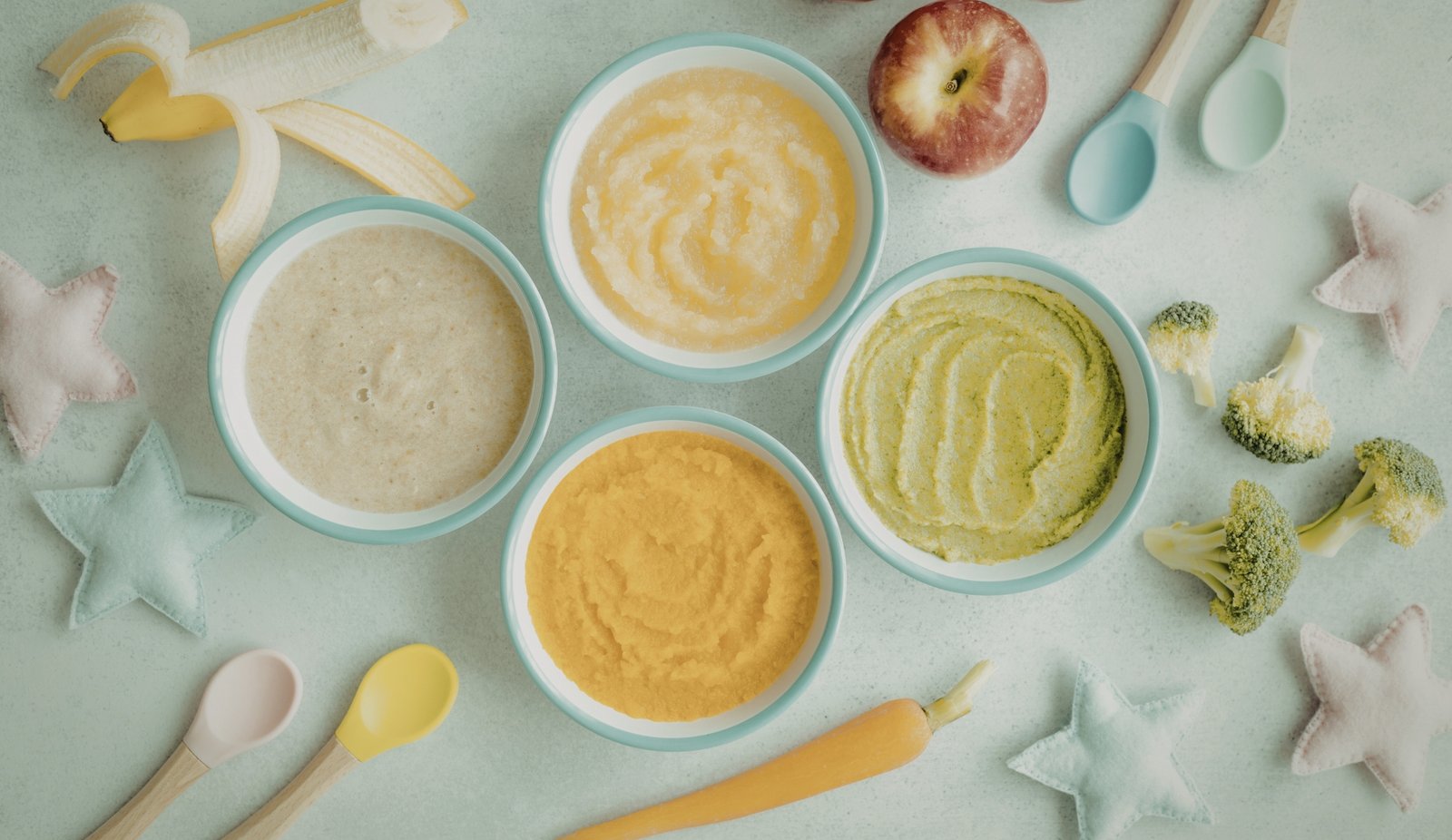
Introducing first weaning foods marks one of the most exciting stages in your baby’s growth. Parents often wonder which foods make the safest and healthiest starting point. This moment opens the door to new tastes, textures, and eating habits that shape future nutrition.
Most babies begin weaning around six months when they sit steadily and show interest in food. Soft options like mashed vegetables, single-grain cereals, and pureed fruits create a gentle start. These choices help babies adapt easily while delivering essential nutrients.
Choosing the right Infant First Foods builds confidence for both you and your little one. The journey becomes smoother when you understand what works best and why. Let’s explore the top recommendations and expert-backed tips that make early feeding enjoyable and successful.
What Baby Food Should You Introduce First?
The American Academy of Pediatrics (AAP) and other global health bodies recommend that a baby’s first food should be a single-ingredient, iron-rich, and easily digestible puree. Around the 6-month mark, the iron stores a baby is born with begin to deplete, making this nutrient a critical priority.
Furthermore, the initial goal of weaning is not to replace milk feeds but to introduce the concept of eating—learning to move food from the front to the back of the mouth and swallow it safely.
Therefore, the ideal blw first foods are:
- Single-Ingredient: This allows you to identify any potential food allergies or intolerances easily.
- Iron-Fortified: Iron is crucial for brain development and preventing anemia.
- Smooth and Runny: A very thin, pureed consistency is easiest for a baby who is new to swallowing anything other than liquid to manage.
- Mild in Flavor: Gentle tastes are more likely to be accepted by a baby’s sensitive palate.
Traditionally, iron-fortified single-grain cereals (like rice or oatmeal) and simple vegetable or fruit purees fit this description perfectly. They act as a gentle introduction to the sensory experience of eating.
Top 10 First Weaning Foods for Happy, Healthy Babies
This curated list focuses on nutrient-dense, safe, and easily prepared options that lay a strong foundation for your baby’s health and adventurous eating habits.
1. Iron-Fortified Infant Cereal (Oat or Barley)
Often the go-to first food, iron-fortified cereal is a nutritional powerhouse. Opt for oat or barley cereal over rice due to concerns about arsenic levels in rice. It’s easily mixed with breast milk, formula, or water to achieve a perfectly smooth, runny consistency that babies find easy to swallow.
2. Avocado
Nature’s perfect baby food, avocado is loaded with healthy monounsaturated fats, which are vital for brain development. Its creamy, soft texture requires no cooking—simply mash it thoroughly with a fork and thin it with a little liquid. It’s also a great source of fiber and vitamins C, K, and E.
3. Sweet Potato
This vegetable is a perennial favorite for a reason. Sweet potatoes are naturally sweet, which appeals to babies, and are packed with beta-carotene (which converts to Vitamin A), vitamin C, and potassium. Steam or roast until very soft, then puree until silky smooth.
4. Banana
Incredibly convenient and easy to digest, bananas are a fantastic first fruit. They are rich in potassium, carbohydrates for energy, and fiber. Simply mash a very ripe banana until it forms a smooth paste. A little breast milk or formula can help achieve the right consistency.
5. Butternut Squash
Similar to sweet potato, butternut squash has a mild, sweet flavor and a smooth food texture when pureed. It’s an excellent source of beta-carotene, vitamin C, and magnesium. Roasting it enhances its natural sweetness, making it even more appealing.
6. Pear
Pears are gentle on the stomach and less likely to cause allergic reactions. They are a good source of fiber and vitamin C. Peel, core, and steam until tender, then puree. The steaming process helps break down the fruit’s grainy texture.
7. Carrots
The bright orange color and sweet taste of cooked carrots make them an attractive first food. They are rich in beta-carotene. Always cook carrots thoroughly until they are very soft to ensure they are easy to puree and safe for your baby to swallow.
8. Peas
While they may seem an unlikely candidate, pureed peas are a fantastic source of plant-based protein, iron, zinc, and vitamins A and C. Steam them until very soft and puree thoroughly, passing through a sieve if necessary to remove any stubborn skins for an ultra-smooth texture.
9. Pumpkin
Plain, cooked pumpkin (not pie filling) is a wonderful, nutrient-dense option. It’s high in beta-carotene and fiber. Its mild flavor and smooth consistency when baked and pureed make it a great early addition.
10. Broccoli
For a less sweet but equally important option, introduce broccoli early. It’s packed with vitamin C, fiber, and folate. Steaming it until it is extremely soft is key to creating a palatable puree. Introducing green vegetables early can help cultivate a taste for them later in life.
Starting Solid Foods: First Weaning Foods 6 Months
The “6-month” mark is a general guideline, but it’s more important to look for signs of developmental readiness in your baby. Your baby is likely ready for their First Weaning Foods when they:
- Can hold their head up steadily and sit upright with minimal support.
- Have lost the tongue-thrust reflex (they don’t automatically push food out of their mouth with their tongue).
- Show interest in your food, such as reaching for your plate or watching you eat intently.
- Can bring objects to their mouth accurately.
- Make chewing motions.
How to Proceed:
- Start Small: Begin with one or two teaspoons of a single-ingredient puree once a day, ideally when your baby is alert, happy, and not overly hungry or tired.
- The 3-5 Day Rule: Wait 3 to 5 days before introducing another new food. This waiting period is crucial for identifying any adverse reactions like rashes, diarrhea, or vomiting.
- Follow Their Lead: Let your baby set the pace. Some days they may eat a few spoonfuls; other days they may refuse. Never force-feed. Milk (breast or formula) should still be their primary source of nutrition.
- Embrace the Mess: Weaning is a sensory experience. Allow your baby to explore the food, even if that means getting messy.
First Weaning Foods Chart
This at-a-glance chart provides a quick reference for introducing the best first foods, helping you track your baby’s expanding palate and watch for any reactions.
| Food | Key Nutrients | Preparation Method | Consistency Tip |
|---|---|---|---|
| Iron-Fortified Oat Cereal | Iron, B Vitamins, Zinc | Mix with breast milk/formula | Start very runny, thicken gradually. |
| Avocado | Healthy Fats, Fiber, Vitamin E | Mash raw with a fork | Thin with liquid for a smoother puree. |
| Sweet Potato | Beta-Carotene, Vitamin C, Potassium | Steam or roast, then puree | Ensure no stringy bits remain. |
| Banana | Potassium, Carbohydrates, Fiber | Mash ripe banana | Add liquid to prevent sticking. |
| Butternut Squash | Beta-Carotene, Vitamin C, Magnesium | Roast or steam, then puree | Roasting enhances sweetness. |
| Pear | Fiber, Vitamin C | Steam until soft, then puree | Steaming removes grainy texture. |
| Carrots | Beta-Carotene, Vitamin A | Steam until very soft, puree | Cook thoroughly for easy digestion. |
| Peas | Plant Protein, Iron, Zinc | Steam, puree thoroughly | Sieve for ultimate smoothness. |
| Pumpkin | Beta-Carotene, Fiber | Bake, scoop flesh, puree | Use plain pumpkin, not pie mix. |
| Broccoli | Vitamin C, Folate, Fiber | Steam until very soft, puree | Introduce early for flavor acceptance. |
Should You Still Give Your Baby Breast Milk or First Infant Formula?
Absolutely, yes. When you first begin introducing First Weaning Foods at around 6 months, solid food is a complement to milk, not a replacement. Breast milk and/or first infant formula remain the primary source of nutrition and calories for your baby throughout the first year.
Key Guidelines:
- Milk First: Offer breast milk or formula before offering solid foods. This ensures your baby receives their vital nutrients and calories even if they are too tired or uninterested to eat much solid food.
- Gradual Shift: As your baby approaches 9-12 months and becomes a more proficient eater, consuming larger quantities and a wider variety of blw starter foods, the balance will naturally shift. Solid food intake will increase, and milk feeds will gradually decrease.
- Continued Benefits: Breast milk and formula continue to provide hydration, antibodies, and a perfectly balanced profile of fats, proteins, and vitamins that solid foods alone cannot fully provide in the early stages of weaning.
Commonly Asked Questions about Best Foods to Start Weaning (FAQs)
When should I start introducing solid foods to my baby?
Start offering solids when your baby shows readiness, usually around 6 months old (not before 4 months). Breastfeed or formula feeding remains the main source of nutrition until about 6 months of age. A good start includes small amounts of cooked food and soft purees.
How do I introduce lumpy textures without causing gag or choke risks?
Introduce lumpy textures slowly, letting your baby learn to manage lumps. Offer mashed pieces, gradually increase sizes, and supervise closely. Gagging is normal while learning, but reduce choke risk by keeping food small, encouraging a good head position with chin tucked, and never leave unattended.
What first weaning foods are best to offer your baby for finger foods?
Choose soft cooked vegetables like carrots, mashed avocado and banana for early finger foods. Offer small amounts of baby protein such as shredded chicken or lentils, avoid whole nuts and sesame. Skip sugary pouches, supervise closely, and vary textures to encourage acceptance and eating behaviours.
How much should I offer — what amounts of foods are appropriate?
Start with small amounts a teaspoon to tablespoon of purees, then increase gradually as your baby shows interest. By around 9 months they’ll take larger portions. Follow baby cues, offer different amounts and textures, and don’t worry about volumes while breastfeed or formula feeding continues.
Should I stop breastfeed or formula feeding when starting eating solid foods?
No. Breastfeed or formula feeding remains the main source of nutrition even after you introduce solids around 6 months of age. Continue feeds while gradually increasing solids as complementary feeding. Solids complement milk and won’t replace feeds until baby eats varied foods and gains weight.
How can I help my baby learn to eat solids and use an open cup?
Start offering small sips in an open cup during mealtimes, helping your baby learn. Get your baby used to the cup when around 6 months, offering water after feeds. Practice regularly; using an open cup is an important skill for feeding patterns and eating behaviours.
What if my baby gags or chokes while learning to eat solids?
Gagging is common as your baby learns; it helps them clear food and is not the same as choking. If choking occurs and your baby can’t breathe, cough, or cry, call emergency services and seek immediate help. Consult a pediatric if you’re concerned about episodes.
Are there first weaning foods to avoid to prevent tooth decay and weight gain?
Avoid sugary snacks, fruit juice, and sweetened pouches to prevent tooth decay and unhealthy weight gain. Limit added salt or sugar in foods for your baby. Offer water in an open cup and focus on whole fruits, vegetables, and cooked food without added sugars regularly, your child may get used to drinking sweet liquids and the sugar in it will increase their risk of tooth decay (cavities).
Conclusion
Embarking on the weaning journey is one of the first and most rewarding steps in your child’s independent life. By starting with simple, nutrient-rich First Weaning Foods like avocado, sweet potato, and iron-fortified cereal, you are building a powerful foundation for a lifetime of healthy eating habits. Remember to watch for your baby’s cues, embrace the process with patience and positivity, and trust that you are providing everything they need for a happy and healthy start. This exciting adventure is not just about food; it’s about discovery, learning, and bonding, one messy spoonful at a time.
Recommended posts
- When to Start Finger Foods for Baby? (The Perfect Timeline)
- 5 Easy Baby Led Weaning Quinoa Recipes for Little Eaters
- 5 Safe Baby Led Weaning Chicken Recipes Your Baby Will Love
- When to Start Solid Foods for Baby Safely (Do’s and Don’ts)
- What Foods to Introduce at 6 Months? (Ultimate List)
- When Can an Infant Start Eating Cereal? (Safe Transition)
- Is it Normal 6 Month Old Gagging on Puree? Here’s What to DO

