
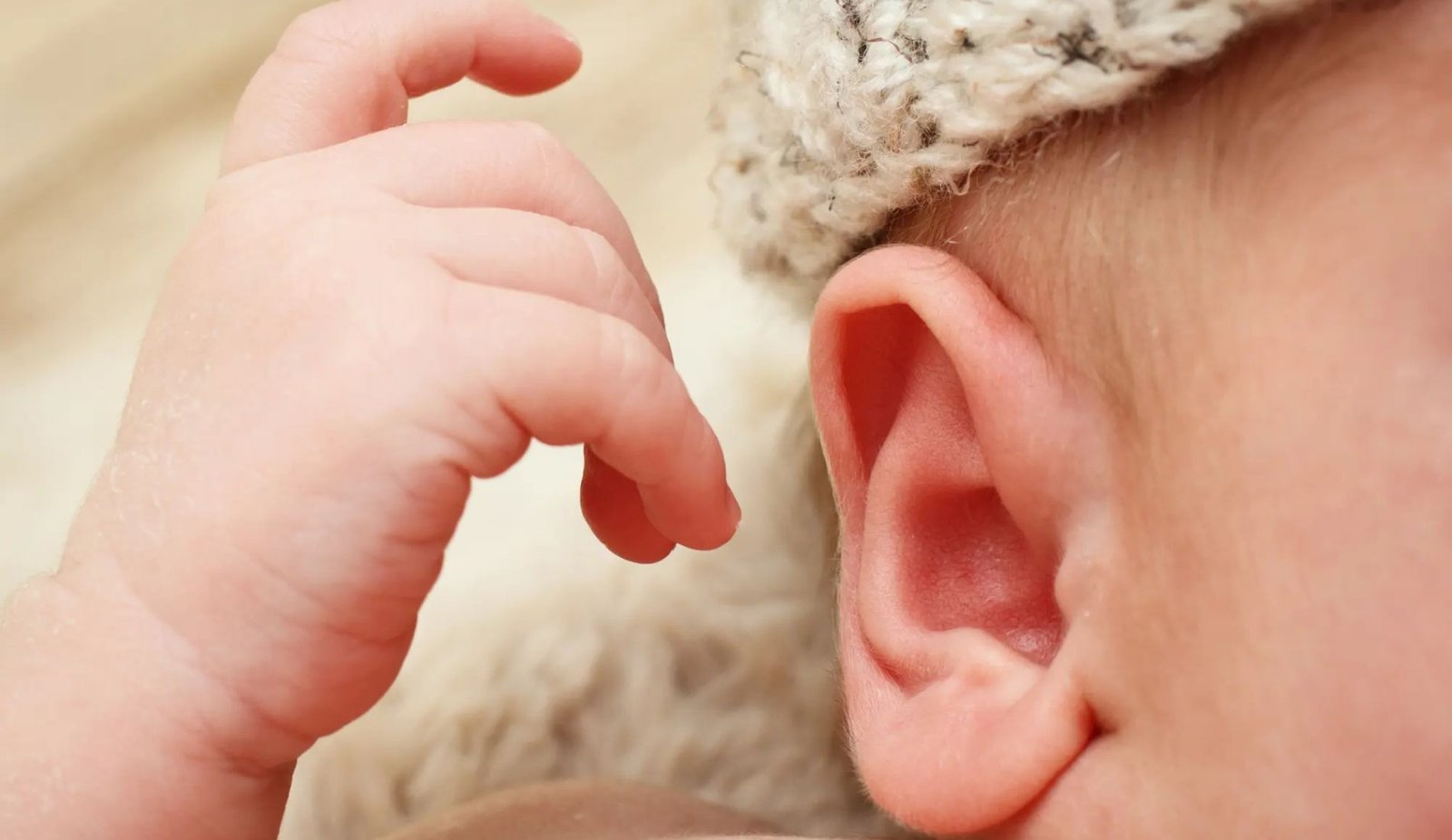
Is your newborn unusually fussy, tugging at their ears, or struggling to sleep? These could be early signs newborn has ear infection. Many parents find it hard to spot the difference between normal baby discomfort and something more serious. So, how can you tell when it’s time to call the pediatrician?
In this article, you’ll learn the most common symptoms of ear infections in newborns — from persistent crying and fever to fluid discharge from the ear. We’ll also discuss what causes these infections, how doctors diagnose them, and the safest treatments for your little one’s recovery.
Dr. William Sears, a renowned pediatrician and author of The Baby Book, emphasizes that early detection prevents long-term complications. Curious to know how to spot the warning signs and keep your baby comfortable? Let’s dive into the essential ear infection signs in newborn every parent should watch for.
How Do You Know If Your Infant Has an Ear Infection?
Ear infections, particularly in newborns and infants, can be tricky to identify. Unlike older children, newborns cannot express their discomfort verbally, making it essential for parents to be vigilant. Common ear infection symptoms in newborn include irritability, trouble sleeping, and changes in feeding habits.
Look for signs such as persistent crying, especially when lying down, which can indicate pressure in the ear. Additionally, a fever may accompany an inner ear infection, though it is not always present. If you notice your baby tugging at their ears or showing signs of discomfort when you touch their ears, these could also be red flags.
Understanding the anatomy of a newborn’s ear is vital, as the Eustachian tubes are shorter and more horizontal, making them prone to infections. Recognizing the symptoms early can help in seeking timely medical attention and preventing complications.
7 Warning Signs Newborn Has Ear Infection
Early detection is the key to faster recovery. Here are the seven most common signs newborn has ear infection that every parent should recognize:
1. Excessive Fussiness and Crying
If your newborn seems unusually irritable, especially when lying down, it might be more than typical baby crankiness. Ear pressure increases in a flat position, making discomfort worse. Persistent, high-pitched crying that doesn’t improve with feeding or changing could point to ear pain.
2. Tugging or Pulling at the Ears
This is one of the most recognizable indicators. Babies instinctively reach for their ears when something feels wrong. However, it’s worth noting that occasional ear-touching can also happen due to teething or simple curiosity. Continuous tugging, especially on one side, is more suspicious of infection.
3. Trouble Sleeping
Ear pain can intensify at night or when your baby lies on their back. If your newborn suddenly wakes up frequently, appears restless, or cries inconsolably during sleep, this might signal ear discomfort.
4. Fluid Draining from the Ear
While less common, any yellowish, whitish, or blood-tinged discharge from the ear is a clear warning sign. This may indicate that the eardrum has ruptured due to pressure buildup. Although this often brings temporary pain relief, it requires immediate medical attention.
5. Difficulty Feeding or Reduced Appetite
During feeding, swallowing changes the pressure inside the ear. If an infection is present, this can be painful. You may notice your baby pulling away from the bottle or breast, refusing to eat, or crying mid-feed.
6. Hearing Changes or Unresponsiveness
If your baby doesn’t startle at loud noises or seems less responsive to your voice, an ear infection could be interfering with sound transmission. While temporary, frequent infections can impact hearing and early speech development if not managed properly.
7. Low-Grade Fever
Newborns ear infections often come with a mild fever (typically between 100°F and 102°F). A sudden rise in temperature combined with other symptoms like irritability or ear tugging should prompt a doctor’s visit.
How Does a Doctor Diagnose a Middle Ear Infection?
When you suspect your newborn has an ear infection, visiting a pediatrician is crucial. The diagnosis typically involves a thorough examination and the following steps:
- Medical History: The doctor will ask about your baby’s symptoms, duration, and any recent illnesses. A detailed medical history helps in understanding the context of the infection.
- Physical Examination: The physician will check your baby’s ears using an otoscope. This tool allows them to look inside the ear canal and check for redness, swelling, or fluid builds up behind the eardrum to the back of the nose.
- Hearing Tests: In some cases, the doctor may recommend a hearing test, especially if the baby has recurrent ear infections. This helps assess any impact on hearing.
- Tympanometry: This test measures the movement of the eardrum in response to changes in air pressure, helping to confirm fluid presence in the middle ear.
These diagnostic steps are vital for confirming an ear infection and determining the appropriate treatment plan.
Check My Baby for an Ear Infection at Home
While it’s important to consult a healthcare professional for a definitive diagnosis, there are some home checks you can perform to assess whether your baby may have an ear infection:
- Observe Behavior: Monitor your baby’s mood, feeding habits, and sleep patterns. Increased irritability and changes in feeding can be initial signs.
- Check Temperature: Use a digital thermometer to monitor your baby’s temperature. A fever can be a significant indicator of infection.
- Ear Inspection: While you cannot see inside the ear canal, you can gently examine the outer ear for any signs of redness or swelling.
- Listen for Coughing or Sneezing: Pay attention to any respiratory symptoms that may suggest a cold flu, or sore throat leading to an ear infection.
If you notice several of these ear infection signs in newborn, it’s essential to consult your pediatrician for further evaluation.
What Can Be Mistaken for an Ear Infection in Babies?
Several conditions can mimic the symptoms of an ear infection, leading to confusion. Here are some common ones:
- Teething: Babies often become irritable and may drool excessively when teething, which can be mistaken for ear infection symptoms.
- Cold or Sinus Infection: Coughing, sneezing, and nasal congestion can accompany a cold, leading to concerns about ear infections.
- Allergies: Allergic reactions can cause ear discomfort and irritability, similar to the signs of an ear infection in newborn.
- Gastroesophageal Reflux (GER): Babies suffering from GER may exhibit similar symptoms, such as irritability and feeding difficulties.
Recognizing these conditions can help parents avoid unnecessary panic and seek appropriate care for their newborn.
How to Treat Them and When to See a Doctor
Treatment for ear infections in child may vary based on the severity of the infection and the baby’s age. Here are some common approaches:
- Wait-and-See Approach: Many ear infections resolve on their own. If your baby is older than six months and symptoms are mild, a doctor may recommend monitoring the situation for a few days before starting antibiotics.
- Antibiotics: If the infection is severe or doesn’t improve, antibiotics may be prescribed. It’s important to complete the full course as directed.
- Pain Relief: Over-the-counter pain relievers like acetaminophen or ibuprofen can help alleviate discomfort. Always consult your pediatrician for appropriate dosages.
- Warm Compress: Applying a warm compress to the affected ear can provide relief from pain.
- Follow-Up Care: Regular follow-ups with your pediatrician are important to monitor the ear infection and ensure it resolves properly.
Seek immediate medical attention if your baby exhibits severe ear infection symptoms in newborn, such as a high fever, persistent crying, or fluid discharge from the ear.
Commonly Asked QUestions about Ear Infection in Newborn Symptoms (FAQs)
How can I tell if my child has an ear infection?
Signs of a common ear infection include ear tugging, fussiness, fever, and trouble sleeping. For comprehensive information about ear infections, consult your pediatrician, who can provide an accurate diagnosis using an otoscope to check for fluid behind the eardrum.
What are the symptoms of an ear infection?
Key newborn earache symptoms include when the ear hurts, leading to fussiness and trouble sleeping. Fever, fluid drainage, and difficulty hearing are also common as the body tries to fight off infection. Infants may tug at their ears.
Why are children more likely than adults to get ear infections?
Children are more prone to ear infections because their Eustachian tubes are shorter, narrower, and more horizontal than adults’. This makes it easier for fluid to become trapped after a cold, allowing bacteria to grow and cause a middle ear infection.
What are the common signs a newborn has an ear infection?
Common signs that a newborn may have an ear infection include excessive crying, irritability, difficulty sleeping, and pulling at their ears. You may also notice a fever, fluid draining from the ear, or signs of ear pain, such as a sudden change in behavior or appetite.
How can I tell if my child has an ear infection?
If your child exhibits symptoms such as an earache, fever, or irritability, it may indicate an ear infection. Additionally, if you notice fluid buildup or drainage from the ear canal, it is essential to consult with a healthcare provider for proper diagnosis and treatment.
What causes an ear infection in infants and toddlers?
Ear infections are often caused by bacteria or viruses that infect the middle ear, typically following a cold or upper respiratory infection. The shape of their eustachian tubes in young children can make it easier for germs to connects parts of the middle ear, leading to inflammation and fluid buildup.
When should I see a doctor about my baby’s ear infection symptoms?
If your newborn shows signs of an ear infection, it is crucial to see a doctor, especially if they have a high fever or seem to be in significant pain. Early intervention can help prevent complications and ensure the infection clears up quickly.
Can ear infections in newborns get better without antibiotics?
In many cases, mild ear infections can resolve on their own without the need for antibiotics. Over-the-counter pain relievers may help alleviate discomfort. However, if symptoms persist or worsen, a healthcare professional may prescribe an antibiotic.
What are the risk factors for ear infections in young children?
Risk factors for ear infections in young children include being around smoke, having frequent colds, allergies, or a family history of ear infections. Infants who are bottle-fed while lying down may also be at a higher risk for developing ear infections.
How can I prevent ear infections in my newborn?
To help prevent ear infections, keep your baby away from secondhand smoke, ensure good hand hygiene, and vaccinate according to recommended schedules. Breastfeeding can also boost their immune system and help reduce the likelihood of infections.
Are adults likely to get ear infections as well?
While ear infections are more common in children, adults can also get ear infections, though they are typically less frequent. Factors such as allergies, sinus infections, and respiratory illnesses can contribute to the risk of developing an ear infection in adults.
Conclusion
Recognizing the signs newborn has ear infection early can make all the difference in your baby’s comfort, recovery, and overall ear health. While fussiness, fever, or ear tugging might seem minor, they can signal a deeper problem — especially following a cold or respiratory illness. Parents should trust their instincts: if something feels off, it’s always worth consulting a pediatrician.
With proper observation, timely medical care, and preventive measures like upright feeding and a smoke-free environment, most newborn ear infections resolve quickly and completely. Early action ensures not only fast healing but also peace of mind for you and your baby.
Recommended posts
- Double Ear Infection in Infant: Symptoms, Causes & Best Cure
- Best Infant Ear Infection Treatment Options for Fast Relief
- Ear Infection in Newborn Baby – Early Signs & Home Care Tips
- How Long Does It Take for an Ear Infection to Heal with Antibiotics?
- When to Use Antibiotic for Infant Ear Infection (Safety Tips)
- Can A Baby Have an Ear Infection Without Fever?
- Infant Tugging at Ear – What It Means and When to Worry?
- Sore Throat Ears Hurt: Common Causes & Effective Relief Tips

