
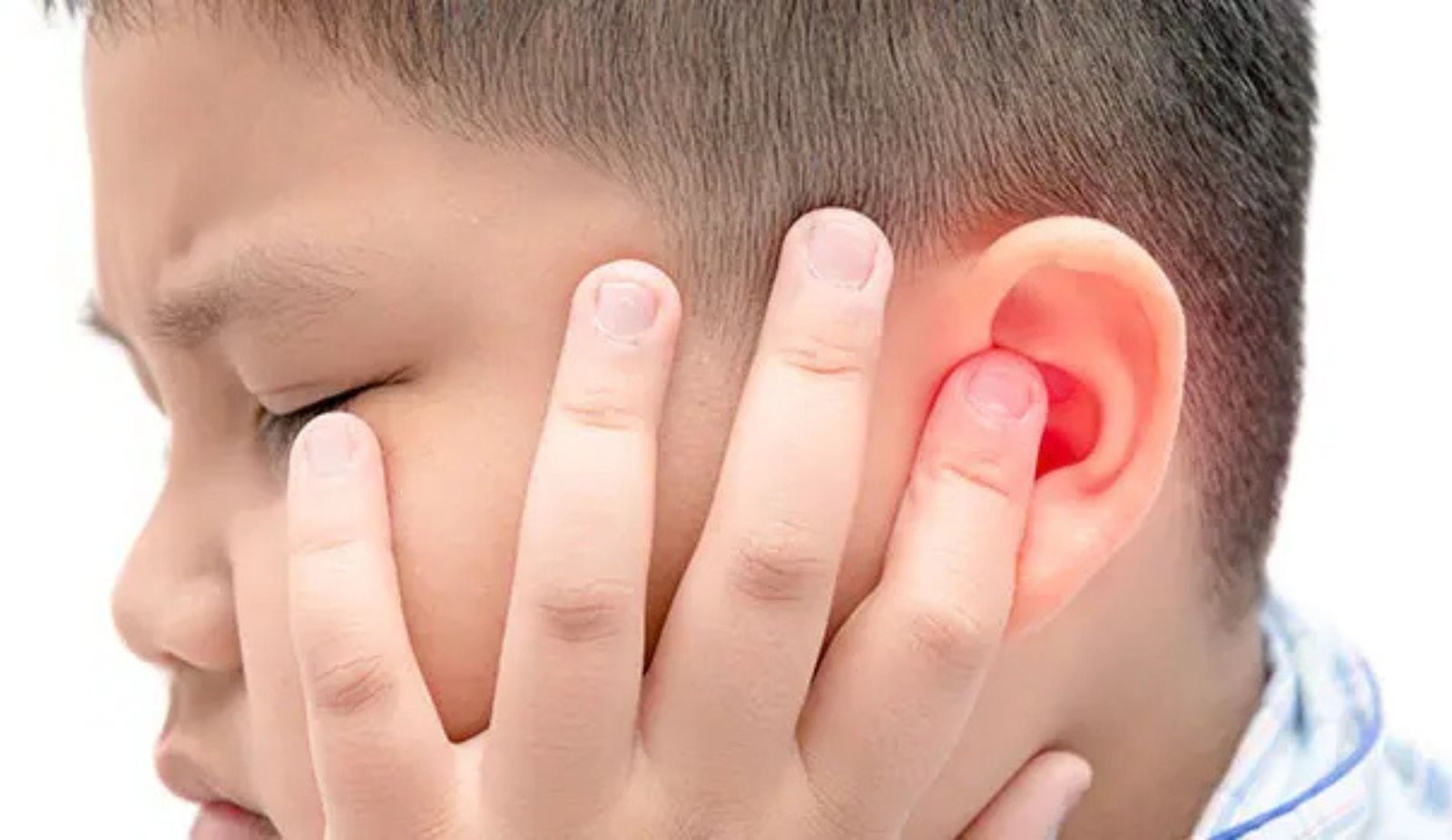
Has your toddler been stumbling or losing balance more often than usual? Ear infections might be the hidden cause behind their unsteady movements. Since a child’s inner ear helps control ear infection loss of balance, even a mild infection can affect coordination and make walking difficult. But how exactly are ear infections and balance connected in toddlers?
When bacteria or viruses inflame the middle or inner ear, they disrupt the vestibular system responsible for balance. This can lead to dizziness, unsteady walking, or frequent falls. In this article, we’ll break down how ear infections cause balance problems in toddlers, the key symptoms to watch for, and effective treatment options.
Dr. Jennifer Shu, a respected pediatrician and medical editor for the American Academy of Pediatrics, highlights that early diagnosis and prompt care can prevent long-term effects on a child’s balance and hearing. So, if your toddler seems off-balance lately, keep reading. We’ll guide you through expert insights and proven steps to help your little one regain stability and comfort.
Can Ear Infections Cause Balance Problems in Toddlers?
Yes, ear infections can absolutely cause balance problems in toddlers. The inner ear, which is responsible for hearing, also plays a vital role in balance control. When infection or inflammation affects the labyrinth—the inner ear structure that helps regulate spatial orientation—toddlers may experience instability, clumsiness, or frequent falling.
In cases of toddler ear infection loss of balance, parents might notice that their child seems dizzy, walks unsteadily, or stumbles more than usual. The middle ear, filled with fluid during infection, can interfere with how signals are transmitted to the brain, resulting in temporary disorientation.
Another common scenario is toddler off balance ear infection, where the infection extends to the vestibular system, leading to vertigo-like symptoms. These episodes may come and go, but they can be distressing for both child and caregiver. Recognizing these signs early and consulting a healthcare provider can prevent complications and ensure proper treatment.
What Are Dizziness & Balance Disorders?
Dizziness and balance disorders refer to conditions where an individual feels lightheaded, unsteady, or experiences a sensation of spinning (vertigo). In children, such symptoms often stem from inner ear issues or infections. The vestibular system inside the ear works with the eyes and muscles to maintain balance. When this system is disrupted, the brain receives conflicting signals, resulting in unsteady movement.
Children with baby losing balance ear infection may show signs of confusion, fatigue, or even motion sickness. These symptoms often coincide with common ear infection signs—such as fever, irritability, ear tugging, and trouble sleeping. Similarly, baby ear infection balance problems can manifest as reluctance to walk or a noticeable wobble when standing.
Though dizziness can arise from various causes—like dehydration or vision issues— inner ear infection are among the most frequent culprits in young children.
What Causes Labyrinthitis?
Labyrinthitis is an inner ear inflammation, a structure that houses both hearing and balance organs. This inflammation is typically caused by viral or bacterial infections. In children, the condition often follows a respiratory or middle ear infection.
When pathogens reach the inner ear, they inflame the delicate tissues and disrupt nerve signals between the ear and brain. This leads to dizziness, nausea, and in some cases, hearing loss. A toddler off balance ear infection can sometimes progress into bacterial labyrinthitis if left untreated, making early diagnosis and treatment crucial.
Other contributing factors include:
- Viral infections such as cold or flu viruses
- Bacterial infections spreading from the middle ear
- Head injuries causing fluid leakage
- Allergic reactions leading to swelling within the ear
For infants and toddlers, their developing immune systems make them particularly vulnerable, which explains why baby losing balance ear infection cases are not uncommon.
Symptoms of Labyrinthitis: Diagnosis and Tests
Symptoms of labyrinthitis can vary but typically include:
- Sudden dizziness or vertigo
- Nausea or vomiting
- Hearing loss in one ear
- Tinnitus (ringing in the ear)
- Difficulty walking straight or maintaining balance
In young children, these symptoms may appear as irritability, crying, refusal to walk, or visible unsteadiness. Baby ear infection balance problems can make simple movements challenging, and the child might seem more tired or disoriented than usual.
Diagnosis usually involves a physical examination by an ENT specialist, including:
- Otoscopy: to inspect the ear canal and eardrum for infection signs
- Audiometry tests: to assess hearing
- Balance tests (vestibular assessments): to determine if the inner ear is affected
- Imaging scans (CT or MRI): in severe or persistent cases to rule out other causes
Identifying labyrinthitis early can prevent long-term complications and promote faster recovery.
How Long Does Loss of Balance Last with an Ear Infection?
The duration of balance loss caused by an ear infection depends on the severity and type of infection. Mild cases typically resolve within a few days to a week once treatment begins. However, if the infection affects the inner ear, it can take several weeks for full balance restoration.
For children experiencing toddler ear infection loss of balance, improvement often occurs within 7–10 days of antibiotic or antiviral treatment. Persistent dizziness or imbalance beyond this period warrants further medical evaluation to rule out labyrinthitis or chronic otitis media.
In baby ear infection balance problems, recovery may take slightly longer because infants cannot compensate for equilibrium disturbances as efficiently as older children or adults. Parents should monitor their child’s progress and ensure adequate hydration, rest, and adherence to prescribed medications.
Toddler Ear Infection Loss of Balance – Management and Treatment Options
Managing toddler ear infection loss of balance involves treating both the infection and the resulting balance disruption. Here are the most effective approaches:
1. Medical Treatment
- Antibiotics or antivirals: Depending on the infection’s cause
- Anti-inflammatory medications: To reduce swelling in the middle and inner ear
- Pain relievers: Such as acetaminophen or ibuprofen for discomfort
- Vestibular rehabilitation exercises: Gentle activities guided by a therapist can help restore equilibrium
If the condition worsens into toddler off balance ear infection with persistent dizziness, the doctor might recommend further evaluation for vestibular dysfunction or fluid drainage procedures like tympanostomy tubes.
2. Home Care Remedies
- Keep your child’s head elevated during sleep to encourage drainage.
- Apply warm compresses to the affected ear for comfort.
- Ensure proper hydration and rest.
- Avoid sudden head movements that may worsen dizziness.
For infants, managing baby losing balance ear infection may also include keeping their nasal passages clear using saline sprays and maintaining a smoke-free environment to prevent further irritation.
3. Follow-Up Care
After treatment, a follow-up visit ensures the infection has cleared and balance has returned. Parents should continue to observe their child for any residual ear balance problem symptoms such as wobbling or frequent tripping.
When Should You See a Doctor About an Ear Infection?
Parents should seek medical attention if their child:
- Has persistent fever or severe ear pain
- Shows signs of ear balance problem symptoms (dizziness, frequent falls, head tilting)
- Experiences fluid discharge from the ear
- Has hearing loss or doesn’t respond to sounds
- Appears unusually tired or irritable
If your toddler shows toddler ear infection loss of balance signs lasting more than a few days or worsening over time, it’s crucial to consult a pediatric ENT specialist. Early treatment prevents chronic complications such as hearing impairment or vestibular dysfunction.
How to Prevent Ear Infections in a Toddler?
While some ear infections are unavoidable, certain preventive steps can significantly reduce risk:
- Practice Good Hygiene – Regular handwashing limits germ exposure.
- Avoid Secondhand Smoke – Smoke irritates the eustachian tubes, increasing infection risk.
- Encourage Breastfeeding – Breast milk provides antibodies that strengthen immunity.
- Keep Vaccinations Up to Date – Especially pneumococcal and flu vaccines.
- Position During Feeding – Avoid bottle-feeding your baby while lying flat.
- Monitor Allergies and Colds – Treat sinus congestion promptly to prevent ear fluid buildup.
These measures not only reduce infection frequency but also help prevent baby ear infection balance problems and other complications.
Common Questions about Labyrinthitis Symptoms and Causes (FAQs)
Who can get labyrinthitis?
Labyrinthitis, an inner ear disorder, can affect anyone. It often follows a viral infection like a cold or flu. Adults are most commonly affected, but it can occur in children, causing severe vertigo and hearing issues.
Can ear infection cause imbalance in toddlers?
Yes, an ear infection can cause imbalance in toddlers. The inner ear controls balance, and fluid buildup from a middle ear infection disrupts this system, leading to dizziness and unsteadiness. This typically resolves once the infection clears.
What causes ear infections that lead to loss of balance?
Ear infections can cause inflammation of the inner ear, affecting the vestibular system. Bacterial or viral infections, like labyrinthitis, are common causes, leading to balance disorders and dizziness.
What are the symptoms of labyrinthitis?
Symptoms include severe dizziness, tinnitus, hearing loss, and balance issues. Labyrinthitis often follows an ear infection or viral illness, affecting your hearing and balance.
How do ear infections affect hearing and balance?
Ear infections, particularly middle ear infections, can disrupt the labyrinth, causing dizziness and balance disorders. This affects the vestibular nerve, leading to potential hearing loss.
What is vestibular rehabilitation therapy?
Vestibular neuritis therapy is a treatment plan designed to manage balance disorders. It helps retrain the brain to compensate for inner ear issues, improving balance and reducing dizziness.
Can labyrinthitis occur in adults?
Yes, labyrinthitis is common in adults aged 30 to 60. It often follows a viral infection or can be a complication of meningitis, leading to balance and hearing problems.
What are the treatment options for ear infections?
Treatment options include antibiotics for bacterial infections, antiviral medications, and vestibular rehabilitation. Managing symptoms and inflammation is essential for recovery.
How is labyrinthitis diagnosed?
Diagnosis involves a physical examination and tests to assess balance and hearing. An ENT specialist may recommend vestibular assessments to determine the extent of labyrinthitis.
What should I do if my symptoms don’t improve?
If symptoms persist, consult a healthcare provider. They may adjust your treatment plan or explore further causes of balance problems and hearing loss.
Can migraine headaches cause balance issues?
Yes, migraine headaches can cause dizziness and balance problems. Vestibular migraines may mimic labyrinthitis symptoms, affecting your inner ear and overall stability.
Conclusion
Ear Infection Loss of Balance is a concerning yet manageable condition that arises when inflammation disrupts the ear’s delicate balance system. In toddlers and babies, symptoms such as unsteady walking, dizziness, or falls should never be ignored.
Early recognition of toddler ear infection loss of balance and toddler off balance ear infection can lead to faster recovery and prevent long-term effects.
Parents should remain vigilant for baby losing balance ear infection indicators and seek prompt medical advice if balance issues persist.
By understanding ear balance problem symptoms and following preventive measures, caregivers can ensure their child’s healthy development and steady growth—literally and figuratively.
Reommended posts
- Recurring Ear Infections in Children: Causes & Effective Cure
- Does Teething Cause Ear Infection? (3 Shocking Facts)
- Is Fluid from the Ear Normal? What It Means & When to Worry

