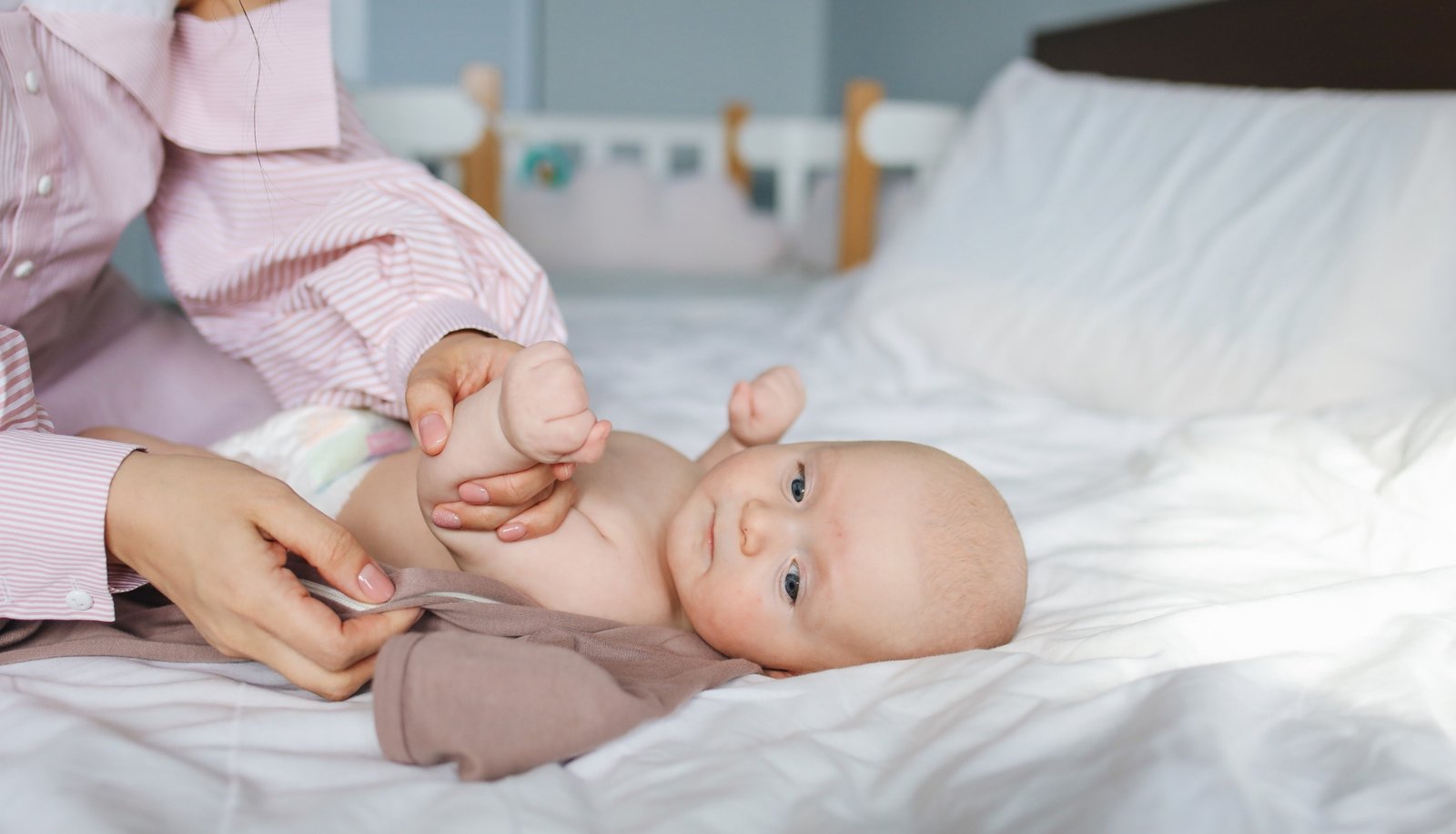
Best Tips for Dressing Newborn for Sleep in Every Season—are you wondering how to keep your baby safe and snug throughout the year? Parents often struggle with whether their little one is too hot or too cold at night. What’s the right fabric for summer? How many layers are too many in winter?
This guide answers it all—how to dress your newborn for sleep across spring, summer, fall, and winter. From breathable cotton bodysuits in warmer months to safe layering during chilly nights, we’ve got you covered. Tips are based on pediatric guidelines and expert advice from the American Academy of Pediatrics.
There’s much more than just picking pajamas. You’ll learn how to read room temperatures, choose ideal sleepwear, and avoid overheating risks. So, let’s dive in and explore how you can keep your baby both comfortable and safe—no matter the season!
How to Dress Your Baby for Sleep
How to Dress Newborn for Sleep? Dressing your baby for sleep involves considering a variety of factors that include the temperature of the room and the materials used in the clothing. The best temperature for baby sleep is typically between 68°F and 72°F (20°C to 22°C). It’s important to dress your baby in layers to help regulate their body temperature.
A lightweight onesie can be paired with a sleep sack or swaddle, allowing you to adjust their layers based on how warm or cool the room feels. Remember that a swaddle or sleep sack can provide your baby with a sense of security, mimicking the snug feeling of being in the womb.
Moreover, using breathable fabric is essential to avoid overheating. Parents should monitor their baby’s body temperature and ensure they are not too hot or too cold. If your baby feels warm to the touch or is sweating, they’re likely overdressed.
In contrast, if they feel cool, adding another layer or a sleep bag can help keep them warm. Overall, it’s about finding the right balance to create a comfortable and safe sleep environment for your baby.
5 Tips for Dressing Newborn for Sleep
Here are 5 tips for dressing a newborn for sleep to help keep them safe, cozy, and comfortable:
1. Follow the “One More Layer” Rule
Newborns generally need one more layer than an adult would wear to be comfortable in the same environment. For example, if you’re sleeping in a T-shirt and light blanket, your baby might do well in a footed sleeper and a swaddle or sleep bag.
2. Choose Breathable, Soft Fabrics
Opt for cotton or bamboo sleepwear that’s gentle on sensitive skin and helps regulate body temperature. Avoid heavy or synthetic fabrics that can cause overheating.
3. Use a Swaddle or Sleep Sack (Not Blankets)
For newborns who aren’t rolling yet, a swaddle helps them feel secure and reduces the startle reflex. Once they start rolling, switch to a sleep sack for warmth without loose blankets, which can pose a suffocation risk.
4. Check for Overheating
A good way to tell if your baby is too warm is to feel their hands or feet, tummy, neck or chest — they should feel warm, not hot or sweaty. Avoid hats or hoods during sleep, and keep the room temperature between 68–72°F (20–22°C).
5. Keep It Simple for Night Changes
Dress your baby in something that’s easy to unzip or unsnap from the bottom for quick diaper changes at night. This avoids fully undressing them and helps everyone get back to sleep faster.
To encourage safe sleep practices, it is advisable to refrain from placing blankets in an infant’s crib. Blankets might elevate the risk of strangulation, suffocation, and sudden infant death syndrome (SIDS). Additionally, having a blanket in the crib may lead to a baby getting trapped in a hazardous sleeping position. It might be overly warm. If your baby is dressed too cozily, you can easily take off some layers beneath their sack or swaddle, or choose a sleep sack or swaddle with a lower TOG rating.
Recommendations for Safe Sleeping
Creating a safe sleep environment is paramount for your newborn’s well-being. Familiarize yourself with safe sleep guidelines to help reduce the risk of SIDS. Always place your baby to sleep on their back, as this position is associated with a lower risk of sleep-related accidents.
A firm sleep surface, such as a crib or bassinet with a fitted sheet, is crucial for safe infant sleeping. Avoid using soft bedding, such as pillows or blankets, which can pose suffocation hazards.
Additionally, it’s important to maintain a comfortable room temperature and monitor your baby’s body temperature. Ensure that your baby is not overdressed by using lightweight layers that can be adjusted as needed.
The use of a sleep bag or wearable blanket can also provide warmth without the risks associated with loose bedding. Ultimately, following these recommendations will help ensure your baby’s sleep environment is both comfortable and safe.
How Should You Dress a Baby for Sleep?
When dressing a baby for sleep, consider the specific needs of your newborn based on their age and the current season. For younger infants, a snug fitting onesie paired with a sleep sack or swaddle is typically recommended.
This combination keeps your baby warm while also providing a sense of security. As your baby grows and begins to move more, transitioning to a sleep sack allows for freedom of movement while still keeping them cozy.
It’s also vital to ensure that the materials you choose are breathable and suitable for the temperature of the room. As a rule of thumb, if you feel comfortable in the room, your baby likely will be too. If the room is on the cooler side, dress your baby in a long-sleeve onesie or layer them with a lightweight blanket.
Conversely, if the environment is warmer, opt for a short-sleeve onesie or light sleep sack. The key is to dress your baby appropriately to maintain a healthy body temperature while promoting safe sleep practices.
Understanding Baby Sleep Needs by Age
Understanding your baby’s sleep needs is essential as they grow and develop. Newborns typically sleep for 16 to 18 hours a day, with sleep cycles lasting between 2 to 4 hours.
During this period, it’s crucial to dress your baby in a way that supports their need for comfort and warmth without the risk of overheating. As they approach 3 to 6 months, babies may sleep longer stretches at night, and parents can start to transition from swaddles to sleep sacks.
As your baby continues to grow, their sleep patterns will evolve, and so will their clothing needs. By the time they reach 6 to 12 months, many infants can sleep for longer periods, often requiring only a light sleep sack or onesie.
Understanding these developmental changes will help you dress your baby appropriately for sleep, ensuring they remain comfortable and secure as they rest. Pay close attention to their cues, as these will guide you in adjusting their sleep attire based on their individual needs.
Dressing Baby for Sleep in Every Season – Choosing the right TOG
How to Dress Newborn for Sleep in Winter? Each season presents unique challenges when it comes to dressing your baby for sleep. In winter, it’s essential to keep your baby warm without causing them to overheat.
Dress your newborn in layers, starting with a long-sleeve onesie, followed by a sleep sack or swaddle made from warmer materials. A cozy blanket can be added but should be kept securely tucked in around the crib to minimize risks.
During the warmer months, the focus should shift to keeping your baby cool and comfortable. Lightweight, breathable fabrics are ideal for summer months. A short-sleeve onesie or a lightweight sleep sack can help regulate your baby’s body temperature.
Always ensure the room is well-ventilated, and avoid overdressing to prevent overheating. By adjusting your baby’s sleep attire according to the season, you can help them have a restful and safe sleep, no matter the weather.
Commonly Asked Questions about Dressing Newborn for Sleep (FAQs)
What should a baby wear underneath a swaddle or sleep bag?
The baby should wear a light onesie or a thermal overall grade under a sleep sack or wearable blanket to help keep your baby warm while ensuring safe and comfortable sleep.
How do I know if my baby is too hot or too cold?
If you’re concerned that your baby is too cold, check their temperature through their face. Using a baby monitor can help you keep track of your baby’s temperature while they sleep. Dressing your baby for bed should consider different temperatures in your home, ensuring a healthy sleep environment.
What are signs your baby is too hot while sleeping?
When you put your baby to sleep, it’s essential to monitor their temperature throughout the night. If your newborn baby shows signs of discomfort, such as sweating or flushed skin, they may be too hot. Remember that a comfortable temperature is crucial to reduce the risk of sudden infant death. To ensure your baby comfortably sleeps, know that overheating a baby can increase the risk of complications.
What is the best temperature for baby sleep?
The best temperature for baby sleep is between 68–72°F (20–22°C). This range helps prevent overheating and promotes safe, comfortable sleep, reducing the risk of Sudden Infant Death Syndrome (SIDS).
What are appropriate fall clothes for babies to sleep in?
Appropriate fall clothes for babies to sleep in include a cotton onesie, footed pajamas, and a wearable blanket or sleep sack to keep them warm without overheating during cooler nights.
How to dress your newborn in summer?
Dress your newborn in summer with a lightweight cotton onesie, keep layers minimal, and use a breathable swaddle or sleep sack to ensure comfort and prevent overheating in warm temperatures.
Should You Swaddle Your Baby?
Yes, you should swaddle your baby, especially in the first few months, as it can promote better sleep by preventing startle reflex and providing a sense of security.
What should my baby wear to sleep?
Your baby should wear a breathable cotton onesie or pajamas with a sleep sack or swaddle, depending on age and room temperature, to ensure safe, comfortable, and restful sleep.
How to dress newborn for sleep in winter?
Dress your newborn for winter sleep in a long-sleeve onesie, fleece footed pajamas, and a warm, breathable sleep sack to keep them cozy without risking overheating in cold temperatures.
Conclusion
So, How to Dress a Newborn for Sleep? In conclusion, Dressing baby for bed can be a concern for new parents. knowing how to dress your newborn for sleep across various seasons is vital for their health and comfort. By understanding the principles of safe sleep, dressing in layers, and using appropriate materials, parents can create a secure sleep environment tailored to their baby’s needs.
Always be mindful of your baby’s body temperature and adjust layers of clothing as needed to prevent them from becoming too hot or too cold. Following these guidelines can help ensure your baby gets the restful sleep they need to grow and thrive. Prioritizing safety and comfort will not only help your baby sleep better but will also give you peace of mind as a parent.
Recommended posts
- What Should an infant Wear to Bed? Tips for Swaddling Baby
- Secrets Behind Newborn Giggles in Sleep You’ll Want to Know
- Newborn Spitting Up in Sleep: Causes, Concerns & Parent Tips
- Newborn Sleepy Cues Vs Hunger Cues: A Helpful Parent’s Guide
- Can Newborn Sleep in Pack N Play? (Is It Safe or Not?)
- How to Wake Up Newborn Baby from Deep Sleep (Gentle Ways)
- Can a Newborn Sleep Without a Swaddle: (Pros and Cons)
- Where to Donate Baby Clothes & Items: (7 Best Places)
- Are Sleep Sacks Safe for Babies? (When to Use & Stop)