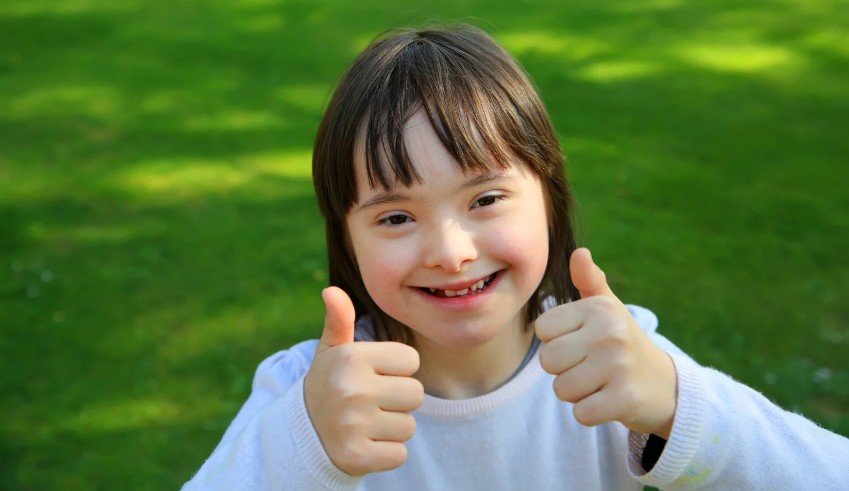
Down Syndrome face features are often recognizable, but do you know what causes them? Why do individuals with Down Syndrome tend to share certain facial traits? If you’ve ever wondered about the science behind these features, you’re about to find out.
Common facial features include almond-shaped eyes, a flat nasal bridge, a small mouth, and low-set ears. These traits result from genetic differences linked to an extra copy of chromosome 21. Dr. Brian Chicoine, a physician specializing in Down Syndrome, explains that while these features are common, they vary in expression from person to person.
But facial features are only a part of the story. Behind every mongoloid face is a unique personality, full of talents and warmth. Let’s look deeper into what these physical traits mean—and why they’re just one piece of a much bigger picture.
Can You Recognize Down Syndrome by Appearance?
While it is possible to recognize certain physical traits associated with Down syndrome, it is important to remember that every individual with this condition is unique. The features may be subtle in some cases, or more prominent in others.
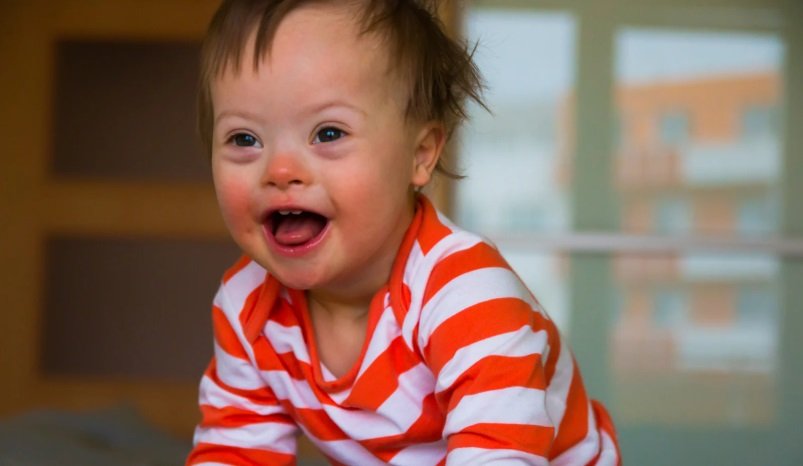
The idea of identifying someone with Down syndrome based solely on appearance is not entirely accurate. However, several common facial and physical traits can be observed, which is why the term “Down syndrome face features” is often used.
Still, it is crucial not to make assumptions about a person’s cognitive abilities or potential based solely on appearance. Down syndrome is more than just the facial features—it is a complex condition that affects various aspects of a person’s health and development.
Down Syndrome Face Features – Signs and Symptoms
The face features of down syndrome are some of the first clues doctors use to diagnose the condition. The specific traits that are commonly observed include:
- Almond-shaped eyes: One of the most recognizable features is the almond-shaped eyes, which tend to slant upward. This eye shape is distinct and is one of the most noticeable physical characteristics.
- Flattened nasal bridge: The nose of someone with Down syndrome may appear flatter compared to individuals without the condition.
- Small ears: Ears in people with Down syndrome are born smaller and may be positioned slightly lower than usual.
- Small mouth: The mouth is generally smaller, and the tongue may appear larger in proportion to the mouth, which can lead to difficulties in speech or swallowing.
- Short neck: People with Down syndrome may have a shorter neck, and it might be more noticeable in infancy.
- Wide space between the first and second toes: This feature is common, and it can often be seen in newborns.
These facial features are not present in all individuals with Down syndrome, and the degree to which they are observed can vary greatly. Therefore, recognizing Down syndrome purely by its facial features is not always reliable.
Physical and Facial Features of Down Syndrome
Beyond facial features, Down syndrome can impact a person’s physical appearance and health in other ways. Individuals with Down syndrome may experience differences in body structure and development:
- Hypotonia (low muscle tone): Many people with Down syndrome have lower muscle tone, which can affect posture, movement, and overall strength. This may contribute to the appearance of a softer or less muscular body structure.
- Short stature: Shorter height is common, and growth may be slower during childhood, resulting in a smaller frame.
- Hand and foot features: People with Down syndrome often have shorter fingers and a single palmar crease (also known as a “Simian crease”) on the hands. Their feet may also appear slightly wider, with a large gap between the first and second toes.
- Heart defects: Roughly half of all individuals with Down syndrome have some form of congenital heart defect, which may require medical attention early in life.
The combination of facial and physical characteristics creates the distinct appearance associated with Down syndrome. However, it’s essential to keep in mind that individuals with this condition lead fulfilling lives and can achieve great things with the right support.
Intellectual and Developmental Symptoms of Down Syndrome
Down syndrome is primarily known for its intellectual and developmental challenges. While there is no universal “Down syndrome face feature” that reflects cognitive function, certain developmental milestones may be delayed, and intellectual abilities can vary widely:
- Cognitive delays: Individuals with Down syndrome generally experience mild to moderate intellectual disabilities. However, some individuals may have more severe cognitive challenges, while others may have higher cognitive functioning.
- Delayed speech and language development: Language skills typically develop later than in other children, and speech may be more difficult to understand.
- Learning difficulties: Children with Down syndrome often require special education services and additional support to reach their full potential.
- Social and emotional development: Despite intellectual challenges, many individuals with Down syndrome are known for their social nature, emotional expressiveness, and strong desire for human connection.
Each person with Down syndrome is different, and their intellectual and developmental progress can vary greatly. Early intervention and a supportive environment play crucial roles in helping children with Down syndrome meet their potential.
Additional Facial and Physical Characteristics in Down Syndrome
In addition to the core mongoloid face features of down syndrome, there are several other characteristics that may affect an individual’s appearance:
- Dental issues: Many childs with down syndrome have problems with their teeth, such as delayed eruption or misalignment. The shape of the teeth may also be different, requiring dental care to address issues as they arise.
- Strabismus (crossed eyes): A common condition among people with Down syndrome is strabismus, where the eyes do not align properly. This condition can affect vision and may require corrective measures such as glasses or surgery.
- Hearing loss: Many individuals with Down syndrome experience some degree of hearing loss, often due to fluid in the middle ear or structural differences in the ear canal. This can affect speech and language development.
- Skin conditions: Some people with Down syndrome may have skin conditions like dry skin, eczema, or other dermatological concerns.
These additional physical characteristics contribute to the overall understanding of Down syndrome and further highlight the need for individualized care and attention.
Common Myths and Misconceptions About Down Syndrome Features
There are several myths and misconceptions about the features of Down syndrome that can lead to misunderstanding or stigmatization of individuals with the condition. Let’s address some of the most common myths:
- All individuals with Down syndrome look the same: While there are common face features of down syndrome, the appearance of individuals with Down syndrome varies greatly, and not all will share the same characteristics.
- Down syndrome is always obvious: Down syndrome is often diagnosed at birth or shortly after, but some of the subtler features may not be immediately visible. Additionally, some children with mild Down syndrome may not show noticeable physical traits.
- Individuals with Down syndrome have severe cognitive impairments: Cognitive abilities in individuals with Down syndrome can vary widely, and many people with the condition are capable of leading independent, fulfilling lives.
- People with Down syndrome cannot learn or communicate effectively: With appropriate interventions and support, individuals with Down syndrome can learn to communicate, develop social skills, and achieve significant milestones.
Dispelling these myths is essential to fostering a more inclusive society and ensuring that individuals with genetic syndrome receive the respect and opportunities they deserve.
Frequently Asked Questions about Down Syndrome Physical Features (FAQs)
What facial features are similar to Down syndrome?
Facial features similar to Down syndrome include a flattened nose bridge, upward-slanted eyes, a small mouth, and a protruding tongue. These traits may also occur in other genetic conditions.
Can you have Down syndrome and look normal?
Individuals with Down syndrome may have subtle facial features, but appearance varies widely. Some resemble family traits more closely, while others show classic signs like almond-shaped eyes. Diversity is natural.
What is the biggest indicator of Down syndrome?
The biggest indicator of Down syndrome is the presence of an extra chromosome 21 (Trisomy 21), confirmed via genetic testing. Key physical signs include distinct facial features and low muscle tone.
Can people with Down syndrome talk?
Most people with Down syndrome can talk, though speech delays and clarity vary. Early intervention (speech therapy) helps improve communication skills. Some may use sign language or devices.
What can be mistaken for Down syndrome?
Conditions mistaken for Down syndrome include other chromosomal disorders (e.g., Trisomy 18), congenital hypothyroidism, or rare genetic syndromes—all may share facial/developmental traits but require genetic testing for accurate diagnosis.
Can someone with Down syndrome have normal intelligence?
Individuals with Down syndrome have varying IQ levels, often in the mild-to-moderate disability range, but some can achieve near-normal intelligence with early intervention, education, and support. Abilities differ widely.
What percentage of the world has Down syndrome?
Down syndrome occurs in ~1 in 700 live births worldwide, affecting about 0.14% of the general population. This chromosomal condition (Trisomy 21) is the most common genetic developmental disorder.
What are the common facial features of Down Syndrome?
Common facial features of down’s syndrome include a flat nasal bridge, slanted eyes, and a protruding tongue. These distinctive facial characteristics are often recognized at birth and can vary in severity among individuals affected by Down Syndrome.
How is Down Syndrome diagnosed?
The diagnosis of Down Syndrome typically occurs through screening tests during pregnancy, followed by confirmatory tests such as amniocentesis or chorionic villus sampling. After birth, a physical examination and genetic testing can also help diagnose the condition.
What is the difference between trisomy 21 and mosaic Down Syndrome?
Trisomy 21 is the most common form of Down Syndrome, characterized by the presence of an extra chromosome 21 in every cell in the body. In contrast, mosaic Down Syndrome occurs when some cells have the extra chromosome while others do not, leading to a variable presentation of physical and developmental features.
What are the signs and symptoms of Down Syndrome?
Signs and symptoms of Down Syndrome can include developmental delays, distinct facial features, and potential health issues such as congenital heart defects. Individuals may also experience varying degrees of intellectual disabilities and require tailored support throughout their lives.
Can a baby with Down Syndrome have unique facial features?
Yes, a baby with Down Syndrome may exhibit unique facial features that can include a round face, a flat nasal bridge, and upward slanting eyes. These features can serve as early indicators and are often discussed in the context of recognizing Down Syndrome.
What are the common physical characteristics associated with Down Syndrome?
Physical characteristics associated with Down Syndrome may include a shorter stature, decreased muscle tone, and a single transverse palmar crease. Additionally, individuals may have a shorter neck and a wider gap between the first and second toes, contributing to their distinctive appearance.
How does living with Down Syndrome affect adults?
Adults with Down Syndrome may face various challenges including intellectual disabilities and health issues, but many lead fulfilling lives. Support through education, employment, and community resources from organizations like the National Down Syndrome Society can enhance their quality of life.
Are there any screening methods to detect Down Syndrome during pregnancy?
Screening for Down Syndrome during pregnancy can include blood tests and ultrasound examinations that assess the risk of the condition. These non-invasive tests can help parents make informed decisions about further diagnostic testing.
What role does genetic testing play in diagnosing Down Syndrome?
Genetic testing is crucial in the diagnosis of Down Syndrome, confirming the presence of an extra chromosome 21. This testing can be performed prenatally or after birth, providing essential information for families and healthcare providers.
What is the difference between Down syndrome and translocation Down syndrome?
Standard Down syndrome (Trisomy 21) has three copies of chromosome 21. Translocation Down syndrome occurs when part of chromosome 21 attaches to another chromosome—both cause similar traits but differ in genetic inheritance.
Conclusion
Down syndrome is a genetic disorder with a range of features, both physical and intellectual. The “Down syndrome face features” serve as one of the most distinguishable characteristics, but they represent only a small part of the overall condition. Recognizing and understanding these face features of down syndrome kids helps improve awareness, but it’s essential to remember that each person with Down syndrome is an individual, with unique abilities and challenges.
By debunking common myths and misconceptions, we can build a more inclusive society where children with Down syndrome are given the support they need to thrive. Early intervention, personalized care, and a nurturing environment are key components in ensuring that people with Down syndrome lead fulfilling and successful lives.
Recommended posts
- Newborn Down Syndrome Ears & ENT Support: A Parent’s Guide
- Why Down Syndrome with Glasses Is Common: Eye Care Guide
- 7 Subtle Mosaic Down Syndrome Symptoms & Genetic Condition
- Most Common Cause of Death in Down Syndrome (Must-Read)
- Robertsonian Translocation Down Syndrome: Causes, Diagnosis & Facts
- The Down Syndrome Smile: Why It’s So Recognizable and Warm