Down Syndrome Adoption is a life-changing decision—both for the child and the adoptive family. Have you ever wondered what it takes to welcome a child with Down syndrome into your home? Why do some families feel so passionately drawn to this unique journey of love, challenge, and transformation?
Parents choosing to adopt children with Down syndrome often do so with open hearts and informed minds. This article explores what Down Syndrome Adoption involves, why families make this commitment, and what support systems help them thrive. We also cover real-life stories, expert advice, and resources that guide hopeful parents through the process.
Dr. Brian Skotko, a leading expert from Massachusetts General Hospital and advocate for individuals with Down syndrome (DS), says families who adopt these children often describe it as “the most enriching experience of their lives.” Ready to hear how and why? Let’s explore the inspiring world of Down Syndrome Adoption in the united states.
Adopting a Child Who Has Down Syndrome
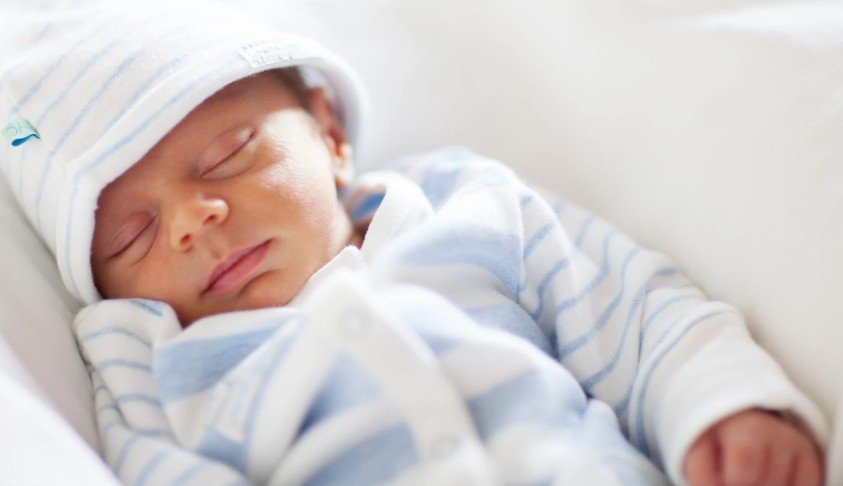
Adopting a child with Down syndrome is a profound journey filled with hope, love, and understanding. Many families are drawn to the idea of adopting a newborn with Down syndrome, as it offers an opportunity to create a meaningful connection and provide a nurturing environment.
When considering adopting a child who has Down syndrome, it’s essential to understand that each child is unique and comes with their own challenges and strengths. Many children born with Down syndrome thrive in loving and supportive environments, and they can lead fulfilling lives.
The adoption process may start with reaching out to an adoption agency specializing in special needs adoption, where you can learn about waiting children and the specific needs they may have. Additionally, prospective adoptive families should be prepared for a home study, which assesses their readiness and suitability for raising a child with a syndrome diagnosis.
Engagement with local Down syndrome parent groups can also provide invaluable insight and support. These groups offer resources, advice, and community connections that can help families navigate the adoption plan effectively.
Understanding the various adoption situations available, such as foster care or direct adoptions, can further empower families to make informed decisions. It is vital to recognize that parenting a child with Down syndrome will involve adjustments, but the rewards of fostering a loving and inclusive environment are immeasurable.
Advice for Families Considering Adopting a Child with Down Syndrome
Families contemplating the adoption of a child with Down syndrome should prioritize education about the syndrome and the potential challenges their child may face. Engaging with the National Down Syndrome Adoption Network (NDSAN) can provide valuable resources and connections to other adoptive families who have navigated similar experiences.
It’s also beneficial for families to attend adoption seminars or workshops focusing on special needs adoption, where they can learn effective parenting strategies that cater to the unique needs of children with Down syndrome.
Additionally, families should consider their long-term commitment to supporting their child’s development. This includes being prepared for the possibility of additional medical care and therapies.
Many children with Down syndrome benefit from early intervention programs that provide specialized therapy and education. Creating an adoption plan that includes these considerations can help families feel more confident and prepared for the journey ahead.
Adoption Program Specialist Therapy:
Adoption program specialists play a crucial role in supporting adoptive families during the adoption process. They guide families through the intricacies of special needs adoption, including understanding the unique requirements of children who have Down syndrome.
Specialists can offer insights into therapy options that can significantly enhance the development of children with a syndrome diagnosis, such as speech therapy, occupational therapy, and physical therapy. These services can help children achieve their fullest potential and adapt successfully to their new home.
Moreover, the role of volunteers within adoption programs cannot be overlooked. Many volunteers are parents of children with Down syndrome themselves, and they offer firsthand experiences and advice that can be incredibly reassuring for new adoptive families.
The bond formed through shared experiences can foster a supportive community, helping families to feel less isolated and more empowered in their journey. Emphasizing the importance of therapy and community support can significantly impact the well-being of both the child and the adoptive family.
Commonly Asked Questions about Adopting a Child with Down Syndrome (FAQs)
Can you put a baby with Down syndrome up for adoption?
Yes, you can put a baby with Down syndrome up for adoption. Many families are eager to parent a child with special needs, offering loving homes and support.
What percentage of Down syndrome babies are put up for adoption?
About 1-2% of babies with Down syndrome are put up for adoption. Many families want to adopt a child with Down syndrome, providing loving, supportive homes.
How much is it to adopt a Down syndrome child?
Adopting a newborn with Down syndrome typically costs 0–0–40,000, depending on agency fees. Many grants and subsidies help offset expenses for special needs adoptions.
How much money do you get for a child with Down syndrome?
Adopting a baby with down syndrome doesn’t provide monetary gain, but an adoptive parent, experience with down syndrome may qualify for subsidies, Medicaid, and support services to assist with care.
Is it wrong to put a disabled child up for adoption?
No, it’s not wrong. if birth parents choosing adoption for a disabled child can ensure they receive specialized care and love from a family fully prepared to meet their needs.
At what age does Down syndrome appear?
Down syndrome is present at birth, as it’s a genetic condition caused by an extra chromosome 21. Prenatal screening can also detect it during pregnancy.
Conclusion
In conclusion, adopting a baby with down syndrome or special needs can be a rewarding experience filled with love and joy. Families who choose to embark on this journey should remember that they are not alone; there is a wealth of resources, support groups, and communities ready to assist them. The path to adoption may present challenges, but the transformative impact of parenthood is powerful. By preparing adequately and engaging with the appropriate support systems, families can build a nurturing environment that celebrates the unique joys and potential of a child who has Down syndrome.
Ultimately, the journey of adopting a child born with Down syndrome is not just about the act of adoption itself; it’s about embracing a new way of life filled with hope, resilience, and unconditional love. As more families open their hearts to this beautiful possibility, they contribute to a world where every child is valued and supported, regardless of their challenges. Together, we can create a brighter future for many children with Down syndrome, filled with opportunities and boundless love.
Recommended posts
- Adopting an Older Child: What to Expect and How to Prepare
- How Much Do Foster Parents Get Paid Monthly (Per Child)
- Can My Boyfriend Adopt My Child Without the Father’s Consent
- Can Adoption Be Reversed: (Is it possible & How It Works)
- Colleges That Waive Out of State Tuition (Foster Care Scholarship)