
A Double Ear Infection in Infant can be distressing for both babies and parents alike. When your little one shows signs of discomfort, fussiness, or sleeplessness, and both ears are affected, it’s essential to understand what’s happening and how to manage it safely.
A double ear infection happens when bacteria or viruses affect both middle ears, leading to pressure, fever, and irritability. Pediatricians often treat it with antibiotics if the infection is bacterial, but some mild cases clear up with observation and pain relief. In this article, we’ll discuss common symptoms, accurate diagnosis, and effective treatments that bring quick relief to your baby.
Dr. Laura Jana, a respected pediatrician and author of Heading Home with Your Newborn, notes that early detection and proper care can prevent complications like hearing issues. So, if you want to understand what causes double ear infections and how to treat them safely, let’s uncover everything you should know about double ear infection in infants.
Symptoms of Double Ear Infection in Infant
Recognizing the symptoms early can help parents act promptly before the infection worsens. Since infants cannot verbalize their discomfort, they often communicate distress through behavior and physical cues. Here are the most common symptoms of double ear infection in infants:
1. Persistent Fussiness or Crying
If your baby is unusually irritable or crying more than usual—especially when lying down—it could be due to ear pain or pressure caused by trapped fluid.
2. Difficulty Sleeping
Ear pain often intensifies when lying flat, making it hard for infants to sleep. A sudden change in sleep pattern may be a sign of infection in both ears.
3. Tugging or Pulling at the Ears
Babies frequently pull or rub their ears when experiencing discomfort, a typical indicator of an ear infection.
4. Fever
A mild to moderate fever (100°F–102°F or 37.8°C–38.9°C) often accompanies ear infections as the body fights off infection.
5. Hearing Changes
Fluid buildup behind the eardrums can temporarily affect hearing. You may notice your baby not responding to sounds or being startled less often.
6. Loss of Appetite
Sucking and swallowing can increase pressure and pain in the middle ear, leading to a reduced appetite or refusal to feed.
7. Ear Drainage
If the eardrum ruptures due to pressure, a yellowish or clear fluid may drain from the ear. This is a sign of a more severe infection and requires immediate medical care.
8. Balance Issues
The ears play a crucial role in maintaining balance. A double ear infection may cause dizziness or clumsiness in crawling or walking infants.
Note: Some of these symptoms can overlap with teething or other minor illnesses, but when several appear together, it’s best to consult a pediatrician.
How Serious Is a Double Ear Infection in Children?
A double ear infection in children, while common, can vary in severity. Most ear infections are mild and resolve on their own, but they can lead to complications if left untreated. Serious concerns may include:
- Hearing Loss: Temporary hearing loss can occur during an ear infection, but prolonged infections can lead to more permanent issues if not addressed.
- Spread of Infection: In rare cases, the infection can spread to nearby structures, causing more serious health issues such as mastoiditis or meningitis.
- Recurrent Infections: Some children may experience recurrent ear infections, which can affect their overall health and development.
While most double ear infections are not life-threatening, they should not be ignored. Early intervention and treatment can prevent complications and ensure your infant remains healthy.
What to Do When Baby Has a Double Ear Infection?
When faced with a double ear infection, prompt action can make a world of difference in your infant’s recovery and comfort. Here’s a step-by-step approach to managing the condition effectively:
1. See a Pediatrician Promptly
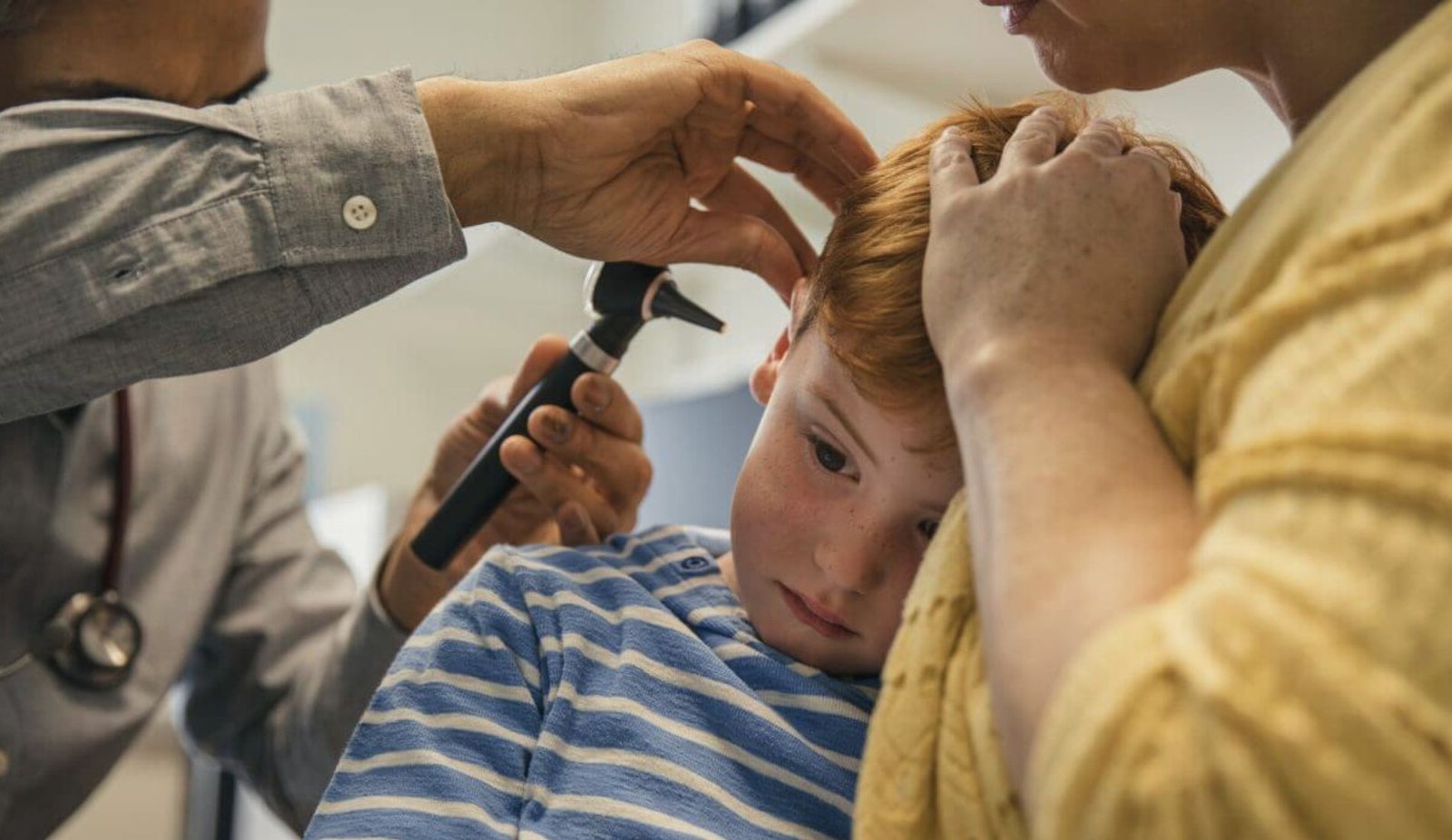
Always consult your pediatrician if you suspect an ear infection. They may examine your baby’s ears using an otoscope to check for redness, swelling, or fluid buildup. In some cases, they might recommend a tympanogram to measure pressure behind the eardrum.
2. Follow Prescribed Treatment
Depending on the severity and cause (bacterial or viral), your doctor may recommend:
- Antibiotics: Typically prescribed for bacterial infections, especially in infants under six months or those with severe symptoms.
- Pain Relief: Acetaminophen (Tylenol) or ibuprofen (Advil, Motrin) can help reduce pain and fever. Always follow dosage recommendations for infants.
- Warm Compresses: Applying a warm cloth to each ear for 10–15 minutes can ease pain and improve circulation.
3. Maintain Proper Hydration
Fluids help thin mucus and promote drainage through the Eustachian tubes. Breastfeeding or offering small amounts of water (if age-appropriate) can help.
4. Keep Baby’s Head Elevated
Feeding in a semi-upright position and avoiding flat sleeping positions can reduce ear pressure and pain.
5. Avoid Pacifier Overuse
Frequent pacifier use may increase the risk of ear infections by altering pressure in the middle ear. Limit its use during recovery.
6. Complete the Medication Course
Even if your baby appears better after a few days, complete the full antibiotic course to prevent recurrence or antibiotic resistance.
7. Schedule a Follow-Up Appointment
Your pediatrician may recheck the ears after 7–10 days to ensure fluid has cleared and hearing is back to normal.
8. Home Care for Comfort
Gentle rocking, soft lullabies, or white noise can help soothe an irritable infant. Maintain a calm, comforting environment to support healing.
What Causes Double Ear Infection in Infants
To understand the cause, it’s essential to know the anatomy involved. Double ear infections, like most in infants, are almost always acute otitis media (AOM)—an infection of the middle ear.
The Primary Culprit: The Eustachian Tubes
Infants and young children are highly susceptible because their Eustachian tubes—the narrow passages that connect the middle ear to the back of the throat—are shorter, narrower, and more horizontal than in adults. Their function is to ventilate and drain the middle ear.
When a baby has a cold, allergy, or sinus infection, these tubes can become swollen and blocked. This traps fluid in the middle ear, creating a perfect, stagnant environment for bacteria or viruses to multiply, leading to infection. Because the tubes are similarly structured on both sides, it’s common for blockage and subsequent infection to occur bilaterally.
Common Triggers and Risk Factors:
- Upper Respiratory Infections (Colds): The most common precursor to an ear infection.
- Immature Immune System: Babies are still building immunity to common germs.
- Bottle-Feeding Position: Feeding a baby while they are lying flat can allow milk to irritate the Eustachian tubes. Feeding in a more upright position is recommended.
- Exposure to Smoke: Secondhand smoke severely irritates the Eustachian tubes and increases the frequency and severity of ear infections.
- Allergies: Environmental allergies can cause chronic inflammation and fluid buildup.
- Family History: A genetic predisposition can play a role.
- Group Childcare: Exposure to more children means exposure to more germs.
When to Worry About Ear Infection in Babies?
While mild infections often resolve with appropriate care, certain warning signs indicate the need for immediate medical attention.
Seek urgent medical care if your infant shows:
- A high fever above 102°F (38.9°C)
- Persistent symptoms after 48–72 hours of antibiotics
- Fluid or pus draining from the ear
- Swelling or redness behind the ear (possible mastoiditis)
- Loss of balance or unusual head tilting
- Reduced responsiveness to sounds
- Signs of dehydration such as dry lips, no tears when crying, or fewer wet diapers
- Unusual lethargy or unresponsiveness
Even if symptoms seem mild, infants under six months old with ear infection symptoms should always be seen by a healthcare provider. Babies at this age are at higher risk for complications.
Possible Complications if Untreated
If ignored, a double ear infection can progress to:
- Chronic otitis media with effusion: Fluid remains behind the eardrum even after infection clears.
- Hearing loss: Temporary or rarely permanent, depending on severity.
- Speech delays: Resulting from hearing impairment during critical developmental periods.
- Spread of infection: Rarely, it can extend to nearby bones or the brain.
The key takeaway is early detection and prompt treatment. With appropriate care, most double ear infections in infants resolve completely without lasting effects.
Commonly Asked Questions about Double Ear Infection in Kids (FAQs)
How to Prevent Ear Infections in Babies and Toddlers?
Prevent middle ear infection by breastfeeding, avoiding smoke, and keeping vaccinations current. For recurrent infections, an ear tube placement surgery may be recommended by a doctor to ventilate the middle ear and prevent fluid buildup.
What is a double ear infection?
A double ear infection, also known as bilateral ear infection, occurs when both ears are affected by an infection, typically of the middle ear. This condition is common in infants and toddlers due to their developing immune systems and the shape of their ear canals, which can trap fluid and bacteria more easily.
Is Double Ear Infection Contagious?
Are Double Ear Infections Contagious? No, the ear infection itself is not contagious. However, the cold or respiratory illness that caused it is. The infection is contained within the middle or inner ear, not the outer ear, so it cannot be spread to others.
What are the symptoms of an ear infection in infants?
Symptoms of an ear infection in infants may include irritability, difficulty sleeping, tugging at the ears, fever, and fluid draining from the ear canal. Babies might also show signs of discomfort when lying down or during feeding.
What causes ear infections in children?
Ear infections in children often occur due to viruses or bacteria that cause inflammation of the middle ear. Allergies, colds, and sinus infections can lead to fluid buildup in the ear, increasing the risk of infection. Infants are particularly prone to these infections due to their immature immune systems.
How can I prevent ear infections in my infant?
To prevent future infections, ensure your child is up to date on vaccinations, avoid exposure to secondhand smoke, and practice good hygiene. Breastfeeding can also help strengthen your baby’s immune system and reduce the risk of ear infections.
What are the treatment options for double ear infections?
Treatment options for double ear infections may include observation, over-the-counter pain relievers, and in some cases, antibiotics if a bacterial infection is suspected. Ear drops may also be recommended to alleviate discomfort. It’s essential to consult a pediatrician for appropriate treatment.
When should I seek medical attention for my child’s ear infection?
You should seek medical attention if your child has an ear infection that lasts longer than a few days, has a high fever, shows signs of severe pain, or if symptoms worsen. Prompt medical evaluation can help prevent complications and ensure proper treatment.
Are there any home remedies for treating ear infections in babies?
While home remedies cannot replace professional medical advice, some parents find that warm compresses to the affected ear can help alleviate pain. Keeping the child’s head elevated during sleep may also provide comfort. However, always consult your pediatrician before trying home remedies.
Can frequent ear infections lead to hearing loss in infants?
Yes, chronic ear infections can potentially lead to temporary hearing loss if fluid remains trapped in the middle ear. If a child has recurring ear infections, it’s important to monitor their hearing and discuss further treatment options with a pediatrician to prevent long-term effects.
Can my child swim with a double ear infection?
No, your child should not swim with a double ear infection. While a middle ear infection isn’t swimmer’s ear, water exposure can worsen pain and introduce new bacteria. Always consult your pediatrician before allowing any swimming during an active ear infection.
Conclusion
A Double Ear Infection in Infant is a common but often distressing condition that demands careful attention. Understanding the symptoms, recognizing the seriousness, and knowing how to act quickly can prevent complications and speed recovery.
Most double ear infections clear up with proper medical care, rest, and hydration. Preventive steps—such as avoiding secondhand smoke, breastfeeding for immune support, and keeping your baby’s vaccinations up to date—can greatly reduce recurrence.
Always consult your pediatrician at the first signs of ear discomfort, especially in infants under six months. With timely intervention and good care, your baby will soon be back to feeling happy, healthy, and pain-free.
Recommended posts
- Best Infant Ear Infection Treatment Options for Fast Relief
- Ear Infection in Newborn Baby – Early Signs & Home Care Tips
- 7 Early Warning Signs Newborn Has Ear Infection (Must-Read)
- TOP 7 Best Homeopathic Treatment for Infant Ear Infection
- What Causes Ear Infection in Babies (Hidden Triggers)
- Can You Swim with an Ear Infection While on Antibiotics?
- How to Relieve Ear Pain After Swimming Fast (Dos & Don’ts)
- Are Ear Infections Contagious? What Every Parent Should Know

