
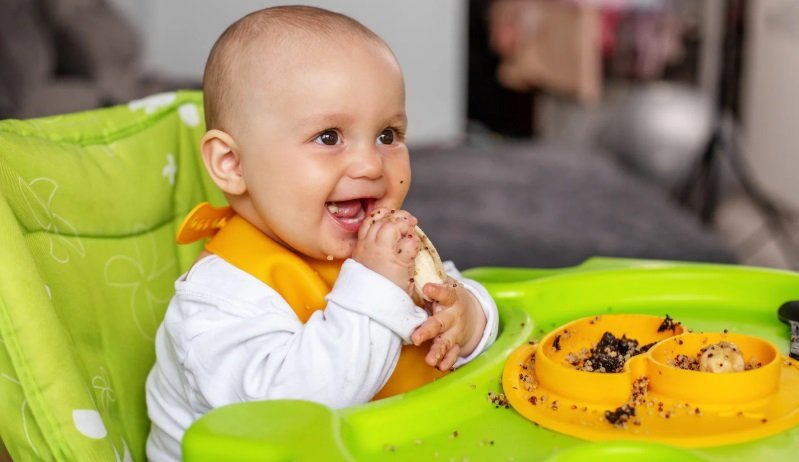
Starting Solids at 5 Months often raises one big question for parents: my baby is ready to start solids? You might notice new cues like interest in food or stronger head control, and these signs spark curiosity. What if this early start sets the foundation for healthier eating habits? Let’s explore what experts say and what this stage really looks like.
Introducing solids at 5 months works for some babies because they show readiness early. Many parents begin with iron-rich purees, soft mashed foods, or single-ingredient textures that support growth safely. Pediatric nutrition leaders like Dr. Penelope Leach highlight that readiness cues matter more than the calendar, and this article breaks down those cues clearly.
Your baby’s first tastes mark a huge milestone, and you want to get it right. You’ll discover practical tips, expert-backed guidance, and simple steps that make this journey smooth. So stay with me as we enter the world of early feeding and uncover how to start solids with confidence and joy.
Is it OK Starting Solids at 5 Months?
The short, nuanced answer is: it can be, for some babies, but it is not universally recommended as the standard. Yet, Between 6 and 9 months, most of your baby’s calories will still come from breast milk or formula.
For decades, the gold standard advice from major health organizations like the American Academy of Pediatrics (AAP) and the World Health Organization (WHO) has been to exclusively breastfeed or formula-feed for the first 6 months of life. This guideline is based on extensive research showing optimal health, growth, and developmental outcomes.
However, more recent research and updated guidelines from bodies like the European Society for Pediatric Gastroenterology, Hepatology and Nutrition (ESPGHAN) suggest that the window for introducing complementary foods is between 4 and 6 months. Starting solids at 5 months falls squarely within this range. The critical shift in thinking is from a rigid “6-month rule” to an individualized approach based on developmental readiness.
For a typically developing 5-month-old who shows clear signs of readiness (which we will detail next), introducing simple, iron-rich foods can be acceptable and even beneficial. It may help babies learn to eat, particularly for iron, and expose the baby to a variety of tastes and textures.
However, it is essential to consult with your pediatrician before beginning. They can provide personalized advice considering your baby’s growth curve, medical history, and overall development. The key is to view 5 months as a potential starting point for the ready baby, not a deadline for all.
How to Know if Your 5 Months Baby Ready to Eat Solid Foods?
Developmental readiness is the non-negotiable prerequisite for starting solids, far more important than the calendar age. Introducing foods before your baby is physically capable can lead to frustration, increased risk of choking, and negative associations with mealtime. Look for these four primary signs of readiness, which usually converge around the 5-6 month mark:
- Head and Neck Control: Your baby must be able to hold their head up steadily and independently. They should be able to sit with support in a high chair, without slumping over. This stability is crucial for safe swallowing.
- Loss of the Tongue-Thrust Reflex: This primitive reflex causes babies to automatically push food out of their mouths with their tongue. When this reflex diminishes, they can move food to the back of their mouth to swallow. You can test this by offering a small taste of puree on a spoon; if it’s immediately pushed out, the reflex is still strong.
- Ability to Sit Upright with Minimal Support: Good trunk control in a supported sitting position (like in a high chair) is essential. This posture aligns the digestive tract properly for swallowing and reduces choking risk.
- Showing Curiosity About Food: Your baby may start intently watching you eat, reaching for your food, or opening their mouth when they see a spoon approaching. This interest signals they are becoming developmentally curious about this new experience.
Important Note: One sign that is often mistaken for readiness is waking more at night or seeming unsatisfied after milk feeds. This is usually a normal growth spurt or developmental leap and is not, on its own, a reliable indicator for starting solids.
Should Baby Start Solids at 5 Months for Weight Gain?
This is a critical question with a very important answer: Solids should not be introduced primarily as a strategy for weight gain in a 5-month-old. Breast milk or infant formula is still the primary and most nutritionally complete source of calories and nutrients for your baby until at least 12 months of age.
If you have concerns about your baby’s weight gain, your first action should always be a consultation with your pediatrician. They will assess your baby’s growth curve, feeding patterns, and overall health. The solution may involve:
- Increasing the volume or frequency of milk feeds.
- Checking for issues like tongue tie or reflux.
- Ensuring proper formula preparation.
Introducing solids prematurely to “fatten up” a baby can backfire. It may displace the vital, calorie-dense breast milk or formula they still fundamentally need. Early introduction of solids has also been linked in some studies to a higher risk of obesity later in childhood and can put stress on immature kidneys and digestive systems.
That said, for a baby who is already developmentally ready for solid food at 5 months, introducing iron-fortified cereals or pureed meats can provide supplemental nutrients that support healthy growth, but it should complement—not replace—their liquid diet.
How to Introduce Solids at 5 Months Old?
Patience and a positive, pressure-free environment are your best tools. Follow this step-by-step guide for a smooth introduction:
- Choose the Right Time: Pick a time of day when your baby is in a good mood—not overly tired, fussy, or starving. Often, mid-morning or early afternoon, about an hour after a milk feed, works well. They’ll be alert but not ravenous.
- Gear Up: You’ll need a supportive high chair, soft-tipped spoons, and a bib. A splat mat on the floor is a wise investment!
- Start Small: Prepare just a teaspoon or two of food. Iron-fortified single-grain baby cereal (oat, rice, or barley) mixed with breast milk, formula, or water to a very thin, soupy consistency is a classic and recommended first food due to its iron content. Alternatively, you can start with a single-ingredient puree like sweet potato, carrot, or avocado.
- The First Bite: Offer a tiny amount on the tip of the spoon. Let your baby smell and see it. Gently bring the spoon to their lips. Don’t force it into their mouth. Expect funny faces—this is about novel sensation and taste, not consumption.
- Follow Your Baby’s Lead: If they turn away, clamp their mouth shut, or cry, stop immediately. Try again in a day or two. This is a process of exploration, not a power struggle.
- Observe for Reactions: After trying a new food, wait 3-5 days before introducing another. This helps you pinpoint any potential allergic reactions (rash, diarrhea, vomiting, facial swelling).
- Keep it Familiar: Always offer solids after a regular milk feeding. This ensures their primary nutritional needs are met first.
How Much Solid Food for 5 Month Old?
At 5 months, when you are just beginning, “solid food” is really “complementary food” or “tasting practice.” The amount is negligible. The goal is not to fill their belly but to introduce the concept of eating from a spoon, experience new flavors, and develop feeding skills.
- Week 1-2: Start with 1-2 teaspoons once per day. Your baby may only actually swallow a fraction of this.
- As Interest Grows: If your baby eagerly opens their mouth for more, you can gradually increase to a few tablespoons once per day, and then potentially to two “meals” per day by the end of the month.
- Follow the Milk First Rule: Always offer breast milk or formula first. A typical feeding schedule might be: wake-up milk feed, morning nap, then a “solid” tasting session, followed by more milk if desired.
- Watch for Cues: Let your baby’s cues guide you. Signs of being full include turning their head away, pushing the spoon away, spitting food out repeatedly, or becoming distracted. Never coax them to finish a portion.
Can Your 5 Month Old Try Purees?
Yes, single-ingredient, smooth, runny purees are the most common and recommended first food for a 5-month-old starting solids. They are easy to swallow for a baby who is just learning to manage something other than liquid. Purees allow you to introduce one new food at a time, which is crucial for allergy monitoring.
Best First Purees: Opt for easy-to-digest, nutrient-dense fruits and vegetables. Ideal options include:
- Vegetables: Sweet potato, carrot, butternut squash, avocado (can be thinned with milk).
- Fruits: Banana, pear, peach, apple (all cooked and pureed until very smooth).
Preparation is Key: Steam or boil vegetables/fruits until very soft. Puree in a blender or food processor, adding enough breast milk, formula, or cooking water to achieve a smooth, drippy consistency without lumps.
A Note on Baby-Led Weaning (BLW): Traditional BLW, which involves offering soft, graspable finger foods from the start, is generally recommended to begin at 6 months when a baby’s motor skills (palmar grasp and ability to self-feed) are more developed. While some parents may choose to incorporate soft, safe “pre-BLW” items (like a large, well-cooked spear of avocado) under very close supervision at 5 months, the puree method is the standard, lower-risk approach for this specific age when readiness signs are just emerging.
Commonly Asked Questions On How to Start Solids at 5 Months (FAQs)
Does my baby need water?
No, your baby doesn’t need water before 6 months. You can feed your baby breast milk or formula to meet hydration needs. Introduce small amounts of water after 4 months when starting variety of foods like cereal, meats and vegetables.
How much solid food should you offer your baby at first?
Start with small amounts of solid food, around 1 to 2 teaspoons. Begin introducing baby food when your baby is around 6 months of age, gradually increasing the quantity as they adapt to solid feeding.
When should I start solids at 5 months?
Many experts recommend waiting until around six months of age, but some babies are ready at four to five months. Watch readiness to start solid signs: sits with support, good head control, loss of tongue‑thrust reflex. Talk to your pediatrician before you introduce solid foods.
Can I introduce solid foods at 5 months if baby is breast milk fed?
If your baby breast milk or formula remains main nutrition, consult your pediatrician before introducing solid foods at five months. Some infants can start eating solid food earlier, but feeding cues matter. Offer small tastes like purees or soft finger foods and watch for allergies.
How to watch for food allergies when starting solids at 5 months?
Introduce allergenic foods early and one at a time, waiting three to five days between each new food to monitor reactions. Look for rashes, vomiting, hives, swelling, or breathing issues. If concerns arise, stop the food and seek immediate medical advice from your pediatrician now.
What first food should I try for a 5-month-old infant?
Start with single-ingredient purees like iron-fortified infant cereal, mashed avocado, banana, or cooked sweet potato. Give small teaspoons while baby gets breast milk or formula. Offer the same food for three to five days to spot sensitivities and help your baby get used to tastes.
When should I offer finger foods to my baby?
Introduce finger foods when your baby develops pincer grasp and can sit well with minimal support, often around six months. Start with soft, easy-to-squash options like ripe banana, cooked carrot pieces, or well-mashed vegetables. Supervise to reduce choking and encourage your baby to eat independently.
How much breast milk should I give when starting solids?
Breast milk or formula should remain the main nutrition when starting solid foods at 5 months. Continue usual feeds and offer small amounts of solids once or twice a day, increasing slowly as baby tolerates. Monitor hunger cues and diapers, and consult your pediatrician for breast milk guidance.
Should I wait until 6 months old to introduce foods?
Many guidelines recommend waiting until six months of age, yet some babies are ready earlier. Check readiness: good head control, sitting with support, and interest in food. Talk to your pediatrician about introducing your baby to a wide variety of healthy foods when developmentally appropriate.
How long between new foods to spot reactions when starting solids at 5 months?
Wait three to five days between each new food to observe any reactions, as recommended when you introduce solid foods. Keep a log noting rashes, stools, vomiting, or breathing changes. Early introduction of allergenic foods may reduce allergy risk, but discuss timing with your pediatrician.
Conclusion
The decision of starting solids at 5 months is one that should be made thoughtfully, in partnership with your pediatrician, and guided foremost by your baby’s unique developmental cues. While it can be appropriate for the baby who demonstrates clear signs of readiness—excellent head control, diminished tongue-thrust reflex, and a keen interest in food—it is not a race. The primary nutrition for the entire first year remains breast milk or formula.
Approach this milestone with patience, turning each small tasting session into a positive, low-pressure exploration. Focus on iron-rich first foods, introduce one single-ingredient puree at a time, and let your baby’s appetite and interest set the pace. By prioritizing safety, readiness, and responsive feeding, you’ll lay a healthy foundation for a lifelong positive relationship with food, ensuring that this exciting transition is joyful and safe for both you and your baby.
Recommended posts
- What Solid Foods to Introduce at 6 Months? (Ultimate List)
- Is it Too Early Starting Solids at 4 Months? Expert Guidance
- Common Mistakes to Avoid When Introducing Solids to Baby
- When Should an Infant Start Eating Cereal? (Safe Transition)
- Risky Foods to Avoid When Introducing Solids (Do-Not-Feed List)
- How Much Breast Milk After Starting Solids Baby Really Need?

