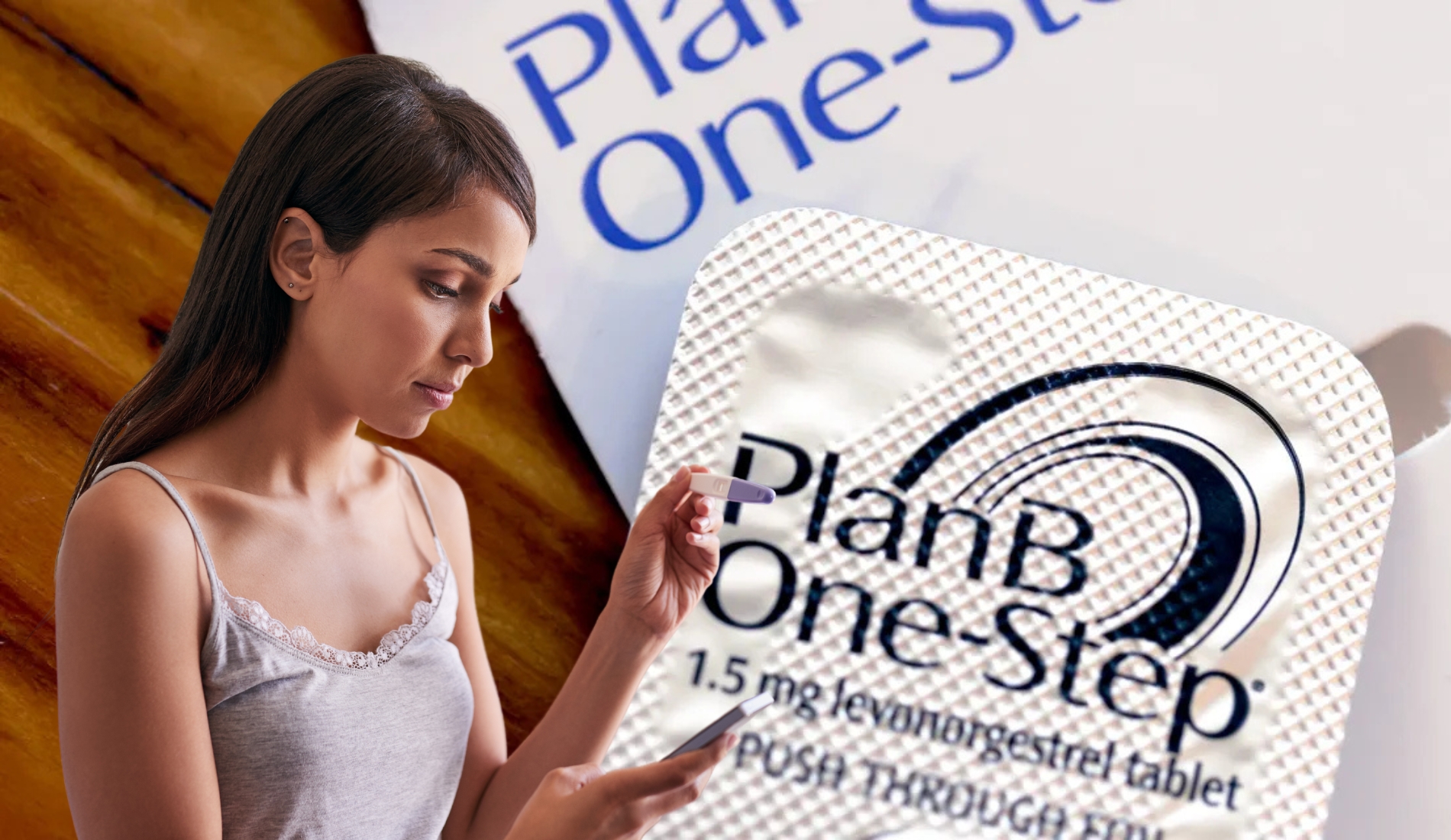
Does Plan B work during ovulation? It’s one of the most common—and critical—questions when it comes to emergency contraception. If you’re in a time-sensitive situation, knowing how timing affects effectiveness can make all the difference.
Plan B works by delaying ovulation, which prevents the egg from being released and fertilized. But if ovulation has already occurred, Plan B may not be effective. According to Dr. Mary Jane Minkin, OB-GYN and Yale professor, Plan B is far less reliable if taken right during or after ovulation.
Still unsure whether it will work for you? Understanding how Plan B interacts with your cycle is key to using it correctly. Let’s unpack the science, the timing, and what your real options are when ovulation is already underway.
Wondering if Plan B worked?
If you’ve taken Plan B after unprotected sex, you might be wondering if it worked. The effectiveness of the morning-after pill is contingent on several factors, including when it was taken in relation to your menstrual cycle. Typically, Plan B is most effective when taken as soon as possible after unprotected intercourse, ideally within 72 hours.
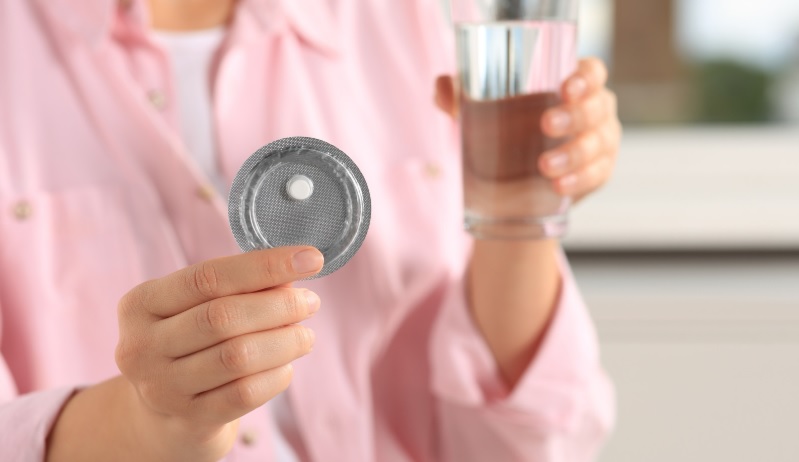
However, it can still be taken up to 5 days after unprotected sex. If you are experiencing symptoms of pregnancy or are concerned, it’s advisable to take a pregnancy test, especially if your period is delayed. The sooner you act, the better your chances of preventing an unplanned pregnancy.
In addition to timing, your menstrual cycle’s specifics can play a significant role in determining whether Plan B worked. Factors such as the regularity of your cycle and the timing of ovulation can influence the pill’s effectiveness. It’s essential to consider these elements when assessing if the emergency contraceptive pill has succeeded in preventing pregnancy.
Does Plan B Work During Ovulation?
Plan B is not designed to work during ovulation, which is a crucial aspect to consider. If you are already ovulating when you take the morning-after pill, the likelihood of it being effective is significantly reduced.
This is because the primary mechanism of Plan B is to prevent ovulation, and if ovulation has already occurred, the pill may not work as intended. Research indicates that the effectiveness of Plan B diminishes as you get closer to the time of ovulation.
When Does Emergency Contraception Work?
Emergency contraception, including Plan B, works primarily by preventing or delaying ovulation. If taken before ovulation occurs, the morning-after pill can effectively inhibit the release of an egg from the ovary. If you take Plan B soon after unprotected sex, it may work by stopping ovulation from occurring.
However, if ovulation has already taken place, the chances of the pill working diminish significantly. It’s important to note that emergency contraceptives do not abort an existing pregnancy; they simply prevent the possibility of pregnancy from occurring.
The effectiveness of emergency contraceptive pills varies depending on when they are taken in relation to ovulation. If you have unprotected sex shortly before ovulating, the chances that Plan B will work are reduced, as the pill may not be able to stop ovulation in time.
Therefore, understanding your menstrual cycle and ovulation timing can help in determining when to use emergency contraception effectively.
Can you Still Get Pregnant after Taking Plan B?
Yes, it is possible to get pregnant after taking Plan B, particularly if it was taken during or shortly after ovulation. The morning-after pill is designed to be effective mainly when taken before ovulation. If you take Plan B after ovulation has occurred, it may not prevent pregnancy, and sperm that are still viable can fertilize an egg.
In such cases, taking a pregnancy test is advisable if your period is late or if you experience any other signs of pregnancy. Moreover, the effectiveness of Plan B can vary based on individual factors such as body weight and the timing of the pill in relation to your menstrual cycle.
Some studies suggest that emergency contraceptive pills may be less effective in individuals with a higher body mass index (BMI). Therefore, while Plan B can significantly reduce the chance of pregnancy, it is not a guarantee, especially if taken at the wrong point in your cycle.
Why Plan B Doesn’t Work During Ovulation?
Plan B does not work during ovulation primarily because its main function is to delay or inhibit the ovulation process. If ovulation has already occurred, the morning-after pill cannot reverse that process or prevent fertilization from occurring.
Essentially, once the egg is released, the window for the morning-after pill’s effectiveness closes, making it less likely to prevent pregnancy. This is a critical factor to understand when considering using emergency contraception.
The hormonal component of Plan B, levonorgestrel, is effective in stopping ovulation but does not have the ability to disrupt an already established ovulation.
This limitation is a vital consideration, especially for those who might engage in unprotected sex close to their ovulation window. Understanding this mechanism can help individuals make more informed decisions about emergency contraception and timing.
How Successful is The Morning-after pill During Ovulation?
The success rate of the morning-after pill during ovulation is considerably low. If you take Plan B after ovulation has occurred, studies indicate that it may not work at all to prevent pregnancy. The effectiveness of the emergency contraceptive pills diminishes significantly as you approach ovulation, making timing crucial.
If you find yourself in a situation where you suspect you may have ovulated, it’s essential to consider other forms of emergency contraception, such as an IUD, which may be more effective in preventing pregnancy even after ovulation.
Moreover, Plan B is not a reliable birth control method for ongoing use and should not be used as a primary contraceptive strategy. Instead, understanding your cycle and having regular birth control options in place can provide better protection against unplanned pregnancies.
If you have concerns about emergency contraception and your menstrual cycle, consulting with a healthcare professional can provide additional insights and options.
Commonly ASked Questions about Taking Plan B During Ovulation (FAQs)
How do I know if I’m ovulating?
To confirm ovulation, track your menstrual cycle using basal body temperature, LH tests, or cervical mucus changes. Mid-cycle pain or a regular 28-day cycle also suggests ovulation.
When to take a pregnancy test?
For accurate results, take a pregnancy test after your missed period (about 14 DPO). Early tests (10–12 DPO) may work but can give false negatives. Use first-morning urine for best reliability.
Does Plan B work after ovulation?
Plan B, the “morning after pill,” works best before ovulation. It may not prevent pregnancy after ovulation since it delays ovulation but doesn’t affect fertilized eggs. Use ASAP for effectiveness.
What are the side effects of Plan B One Step?
Common side effects of pill such as Plan B, include nausea, fatigue, headache, dizziness, breast tenderness, irregular bleeding, and menstrual changes. These are usually mild and temporary.
Can you take plan B on birth control?
Yes, you can take “like Plan B, type of morning-after pill” while on birth control if your method fails (e.g., missed pills). It’s safe but may cause temporary side effects.
How much does the morning-after pill or copper IUD cost?
The morning-after pill costs $40–$50, while a copper IUD (effective within 5 days) costs $0–$1,300, depending on insurance. The IUD is more effective and also works as long-term contraception.
What types of emergency contraception are available?
Emergency contraception includes pills like levonorgestrel (Plan B), ulipristal acetate (Ella), and the copper IUD. These can prevent pregnancy after unprotected sex or contraceptive failure.
What is Plan B One Step?
Plan B One-Step is a regular form of birth CONTROL pill containing levonorgestrel. It helps prevent pregnancy if taken within 72 hours after unprotected sex or contraceptive failure.
How effective is Plan B and how late can you take it?
Plan B is 75–89% effective if taken within 72 hours (best ASAP). While you can still take your birth control pill, Plan B is for emergencies—not regular contraception.
Is there anything else you can do during ovulation to prevent pregnancy?
To prevent pregnancy during ovulation, use condoms or a copper IUD (inserted within 5 days). Tracking ovulation from the first day of your period helps, but emergency options are limited post-ovulation.
Where can I get Plan B One-Step right now?
You can get Plan B One-Step at pharmacies, drugstores, and some grocery stores without a prescription. It’s also available online through various retailers and health services.
What alternative options do I have if Plan B does not work?
If Plan B fails, options include ulipristal acetate (Ella), the copper IUD, or consulting a healthcare provider for further guidance on other contraceptive methods and follow-up care.
What are intrauterine devices or IUDs?
Intrauterine devices (IUDs) are small, T-shaped implants placed in the uterus for long-term birth control. Types include hormonal (3–8 years) and copper (up to 10 years), both highly effective.
Conclusion
In conclusion, while Plan B can effectively prevent pregnancy when taken soon after unprotected sex, its effectiveness is significantly compromised if taken during ovulation. Understanding the timing of ovulation and the function of the morning-after pill is vital for those seeking to utilize emergency contraception effectively. If you suspect you may have ovulated or are concerned about pregnancy after taking Plan B, it’s wise to consult a healthcare professional or take a pregnancy test. Emergency contraception is a valuable option but should be used with a thorough understanding of its limitations and the menstrual cycle.
You might also like
- Does Cramping During Ovulation Mean Pregnancy? (The Truth)
- Can Plan B Cause You to Be Infertile? (Is There a Real Risk?)
- Can You Still Ovulate on Birth Control: (Myths & Facts)
- How Long After Ovulation Pain Is the Egg Released?
- Plan B Success Rate During Ovulation (Tested)
- Can You Take a Plan B While Ovulating? Learn If It’s Effective