Does folic acid help in conceiving, or is it just another prenatal supplement? Many couples trying to get pregnant often hear about folic acid, but few know how it truly supports fertility. If you’re wondering whether this small vitamin can make a big difference, you’re in the right place.
Folic acid plays a crucial role in reproductive health. It helps with cell division, supports healthy ovulation, and reduces the risk of neural tube defects once pregnancy begins. Research shows that women taking folic acid regularly have higher chances of conception and a healthier pregnancy.
But that’s just the beginning. Experts like Dr. Serena Chen and studies from the CDC confirm its importance in preconception planning. Want to know how much to take, when to start, and how it boosts fertility for both men and women? Let’s get into the details that could bring you one step closer to parenthood.
Does Folic Acid Help in Conceiving?
Can Folic Acid For Fertility Help Us Conceive? Folic acid is widely recognized for its essential role in conceiving and supporting a healthy pregnancy. When women start taking folic acid supplements before conception, they can significantly reduce the risk of neural tube defects, such as brain and spine bifida, in their future babies.
This vitamin B9 is critical for cellular development and DNA synthesis, contributing to the overall reproductive health needed for successful conception. Many healthcare providers recommend that women who are trying to conceive should prioritize folic acid supplementation to ensure their bodies have adequate levels of this important nutrient.
Studies suggest that folic acid can help improve the chances of getting pregnant by enhancing ovulation and promoting a healthy menstrual cycle. Women with higher folic acid levels tend to experience better fertility outcomes, as the vitamin supports the overall health of the reproductive system.
Additionally, for those with a family history of neural tube defects, taking folic acid becomes even more crucial to help prevent potential complications during early pregnancy. Therefore, incorporating folic acid into your diet or as a supplement can be a proactive step towards achieving a successful conception.
The Role of Folic Acid in Female Fertility
The role of folic acid in female fertility cannot be overstated. This vitamin is known to support ovulation and improve egg quality, both of which are essential for conception.
Adequate folate levels are linked to a healthier reproductive system, making it easier for women to become pregnant. Furthermore, folic acid helps in the synthesis of DNA, which is vital for the growth and development of embryos, particularly during the early stages of pregnancy.
Moreover, folic acid supplementation can combat folic acid deficiency, which may negatively impact fertility. Addressing this deficiency is critical for women who are trying to conceive, as it ensures a healthy environment for the developing fetus.
In addition to enhancing female fertility, folic acid also contributes to overall well-being by reducing the risk of complications during pregnancy. Therefore, women who are in the process of planning to get pregnant should consider adding folic acid to their daily routine to maximize their chances of successful conception.
When Is It a Good Time to Take Folic Acid?
Timing is crucial when it comes to taking folic acid. Women are generally advised to start taking folic acid a few months before trying to conceive, ideally at least three months prior.
This ensures that the body has sufficient levels of folate to support a healthy pregnancy from the moment of conception. The first 12 weeks of pregnancy are particularly critical for fetal development, making it essential to have adequate folic acid levels during this time.
Incorporating folic acid into your routine early on can help prepare your body for the changes that come with pregnancy. A healthcare provider may recommend starting folic acid supplementation even earlier if there is a family history of neural tube defects.
Such proactive measures can help women ensure that they are adequately prepared for the journey ahead and can help reduce the risk of complications associated with pregnancy. Thus, the earlier you begin taking folic acid, the better the chances of ensuring a healthy pregnancy and baby.
Benefits of Folic Acid Before Pregnancy to Boost Fertility
Folic acid, a synthetic form of the B-vitamin folate (vitamin B9), is essential for many bodily functions, especially during reproductive years. Taking folic acid before pregnancy not only helps prevent birth defects but may also play a positive role in boosting fertility and supporting a healthy conception.
Key Benefits of taking Folic Acid Before Pregnancy
1. Supports Healthy Ovulation
- Folic acid helps regulate hormonal balance and supports regular ovulation.
- Women with higher folate levels tend to have fewer issues with ovulatory infertility.
2. Improves Egg Quality
- Adequate folate levels contribute to better cellular health and DNA synthesis, which is crucial for the development of healthy eggs.
- Improved egg quality can enhance the chances of successful fertilization and implantation.
3. Reduces Risk of Neural Tube Defects
- Taking folic acid before conception helps prevent neural tube defects (such as spina bifida and anencephaly) that develop very early in pregnancy—often before a woman even knows she’s pregnant.
4. May Enhance Fertility Treatments
- Studies suggest that folic acid supplementation may improve outcomes in women undergoing fertility treatments like IVF.
- Folate is also thought to support a healthier uterine lining for embryo implantation.
5. Helps Prevent Miscarriage
- Some research links low folate levels to a higher risk of early miscarriage.
- Maintaining optimal levels before conception may support a more stable pregnancy.
6. Supports Sperm Health (in Men)
- Folic acid isn’t just for women. In men, it can improve sperm quality, count, and motility—contributing to overall fertility.
Recommended Intake
- General recommendation: 400–800 micrograms (mcg) daily for women trying to conceive.
- Higher doses may be advised for those with a history of neural tube defects or certain medical conditions—consult a healthcare provider.
Sources of Folic Acid and Folate:
- Folic Acid: Found in supplements and fortified foods like cereals and bread.
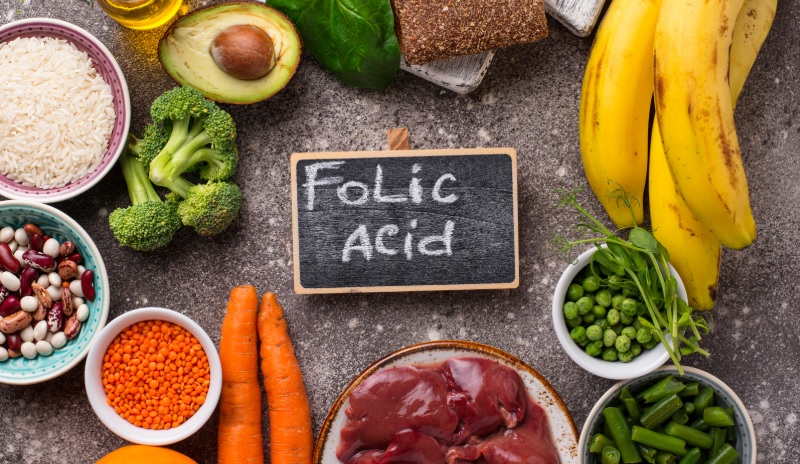
- Folate (natural form): Found in leafy greens, citrus fruits, beans, lentils, and avocados.
Taking folic acid before pregnancy is a simple yet powerful way to support fertility and promote a healthy pregnancy from the very beginning. Whether you’re planning to conceive naturally or through fertility treatments, it’s wise to start supplementation at least one month before trying to get pregnant—and continue through early pregnancy. Always talk to your doctor for personalized advice.
How Much Folic Acid Should You Take: (Folic Acid Dosage)
Determining the appropriate amount of folic acid to take is crucial for maximizing its benefits. The general recommendation for women planning to get pregnant is to take a folic acid supplement containing 400 micrograms daily.
This dosage is considered effective in reducing the risk of neural tube defects and supporting overall fertility. However, some women, especially those with a family history of neural tube defects, may require a higher dose, which a healthcare provider may recommend.
It’s important to note that dietary sources of folate, such as leafy greens, legumes, and fortified cereals, can complement folic acid supplementation. However, relying solely on diet may not provide sufficient levels, making supplementation necessary.
Regularly consulting with a healthcare professional can help determine the right dosage based on individual health needs and circumstances. By ensuring that they take the appropriate amount of folic acid, women can better prepare their bodies for successful conception and a healthy pregnancy.
The Role of Folic Acid in Male Fertility (Folic Acid and Male Fertility)
While much attention is given to female fertility, the role of folic acid in male fertility is equally important. Recent studies have shown that adequate folate levels in men can improve sperm quality and motility, which are crucial factors for successful conception. Folic acid can help prevent sperm abnormalities and ensure that sperm DNA is intact, enhancing the chances of fertilizing an egg.
Moreover, folic acid supplementation may also contribute to increased testosterone levels, which can further support male reproductive health. Men who are trying to conceive should consider incorporating folic acid into their daily routine to support not only their fertility but also the overall health of their future offspring.
Therefore, awareness of the importance of folic acid for male fertility can lead to more proactive approaches to conception, benefiting both partners in the fertility journey.
Commonly Asked Questions about Folic Acid and Female Fertility (FAQs)
Why you should take folic acid if you are trying to conceive?
Folic acid prevents birth defects and supports early fetal development. Fertility specialists recommend 400-800mcg daily before conception to boost pregnancy success and ensure a healthy pregnancy.
What Is Folate?
Folate is a B-vitamin (B9) crucial for DNA synthesis, cell growth, and red blood cell formation. Found in leafy greens, legumes, and fortified foods, it’s vital for pregnancy and overall health.
How can I add folic acid to my diet?
Eat folate-rich foods like spinach, lentils, and avocados. Choose fortified grains, cereals, and bread. Consider a folic acid supplement if needed, especially during pregnancy.
Does taking a folic acid supplement improve the chances of conception?
Does folic acid help to get pregnant? Yes, folic acid is essential for women of childbearing age. It can help improve fertility and is recommended to start taking folic acid when trying to get pregnant.
How much folic acid should I take before getting pregnant?
Doctors typically recommend a daily folic acid intake of 400 to 800 micrograms for women who are trying to conceive, which should be started 2 to 3 months prior to conception.
Why is folic acid important for pregnant women?
Can folic acid help you conceive? Folic acid is essential for a healthy pregnancy as it helps prevent neural tube defects, such as spina bifida, in the developing fetus.
Can I get enough folic acid through my diet alone?
Although certain foods are enriched with folic acid, obtaining the suggested quantity solely through diet can be difficult. As a result, taking supplements is frequently recommended.
What are the consequences of folic acid deficiency during pregnancy?
A folic acid deficiency during pregnancy can lead to serious birth defects, including neural tube defects affecting the spinal cord and brain.
Is it safe to take a higher dose of folic acid if I have a family history of neural tube defects?
Yes, if you have a family history of neural tube defects, your doctor may recommend a higher dose of folic acid to reduce the risk of these birth defects.
When should I start taking folic acid if I plan to get pregnant?
It is advisable to start taking folic acid supplements at least 2 to 3 months before conception to ensure adequate folate levels.
What role does folic acid play in preventing anaemia during pregnancy?
Folic acid is crucial in the production of red blood cells, and its deficiency can lead to anaemia, which can complicate a pregnancy.
What should I do if I am already pregnant and haven’t taken folic acid?
If you are pregnant and haven’t started taking a folic acid supplement, consult your doctor immediately. They may recommend starting folic acid every day to support your pregnancy.
Are there any side effects of taking folic acid supplements?
Folic acid is generally safe, but excessive intake can mask symptoms of vitamin B12 deficiency. Always consult with your doctor regarding the appropriate amount of folic acid supplementation.
Conclusion
Does folic acid help you get pregnant? In conclusion, folic acid plays a vital role in conceiving a healthy baby. Its importance in female fertility is well-established, with benefits that extend to male fertility as well. Starting folic acid supplementation before conception and continuing throughout pregnancy can significantly reduce the risk of neural tube defects and improve overall reproductive health. Women and men who are planning to get pregnant should prioritize folic acid as part of their preparation, ensuring they have adequate levels to support a successful conception and a healthy pregnancy. By taking these proactive steps, couples can enhance their chances of bringing a healthy baby into the world.
You might also like
- Conceiving After Miscarriage Tips: How to Boost Your Chances
- Can You Take Prenatal Vitamins Without Being Pregnant?
- Can Prenatal Vitamins Make You More Fertile: (The Truth)
- What Is DPO in Pregnancy and Why Early Detection Matters
- 7 Benefits of Coenzyme Q10 and Fertility (What Science Says)
- Carnivore Diet While Pregnant: Is It Safe for You and Baby?
- Autism Folinic Acid Treatment: Is It Safe and Does It Really Work?