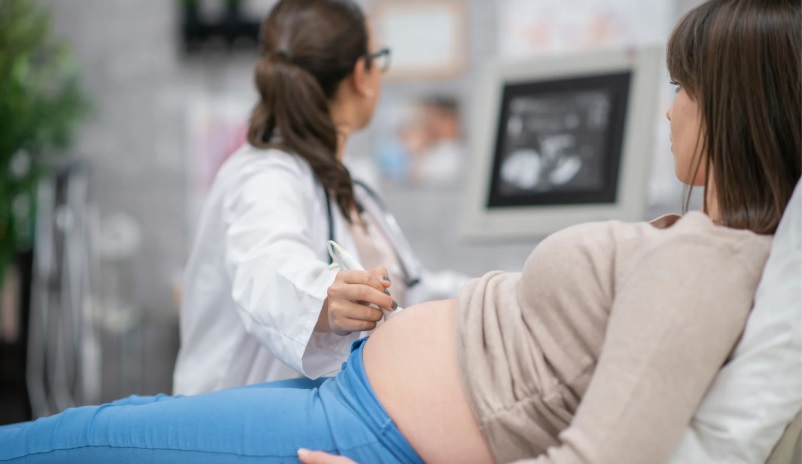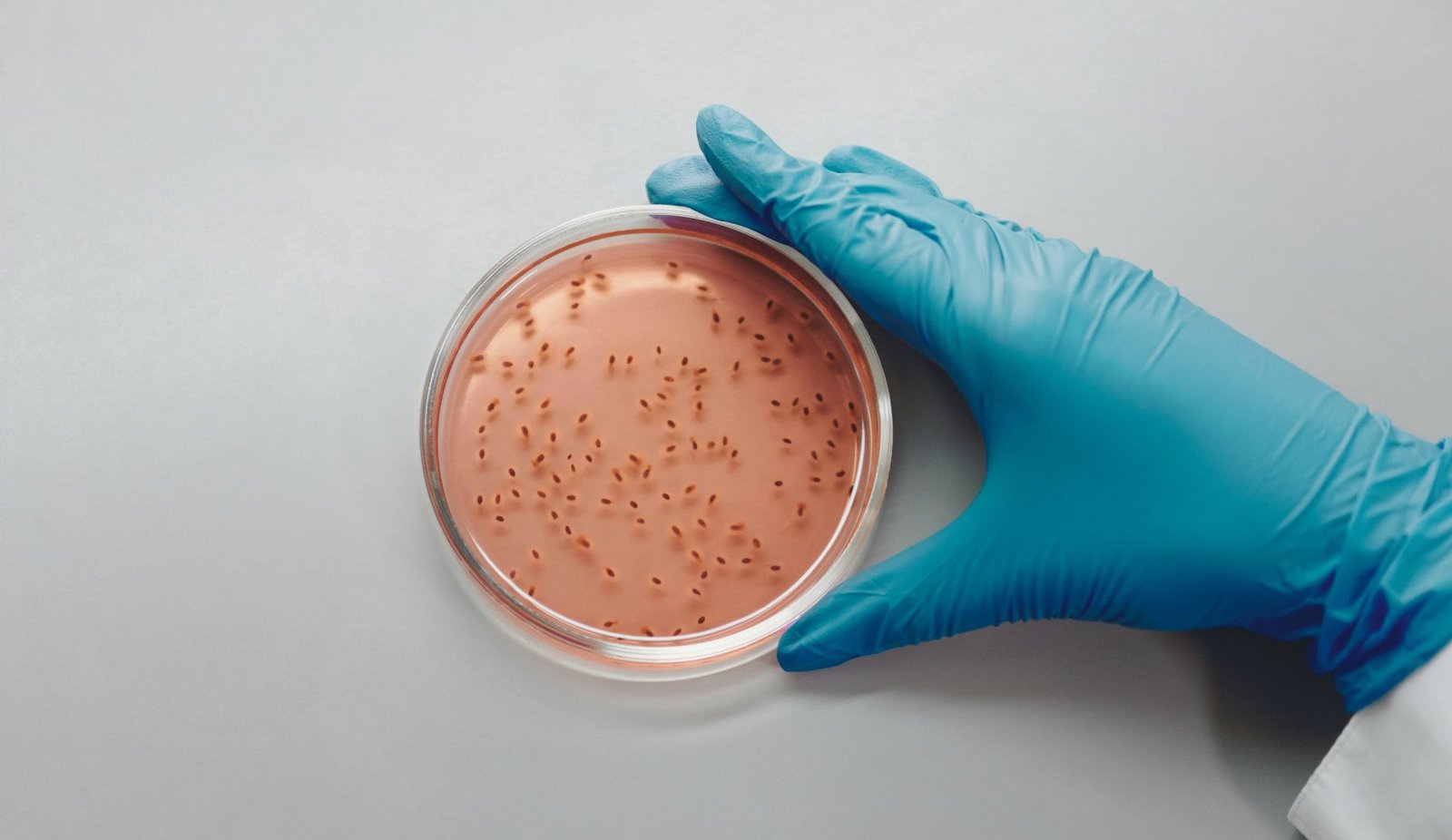
Does BV cause miscarriage in the first trimester? Many expectant mothers worry when they hear about BV during pregnancy. Could this common vaginal infection really threaten early pregnancy? Let’s uncover what medical science reveals.
Research shows that untreated BV may increase the risk of late miscarriage and, in some cases, late miscarriage. According to the Centers for Disease Control and Prevention (CDC), timely diagnosis and antibiotic treatment can significantly lower these risks. Early medical care plays a key role in protecting both mother and baby.
Wondering how to spot symptoms early and when to seek treatment? Renowned obstetrician Dr. Laura Riley emphasizes the importance of routine prenatal checkups for detecting and treating BV promptly. Continue reading to discover expert advice and actionable steps to keep your pregnancy safe.
What is Bacterial Vaginosis?
Bacterial Vaginosis is not an infection caused by a single foreign pathogen but rather a dysbiosis—an imbalance—of the natural bacterial ecosystem within the vagina.
A healthy vagina is predominantly colonized by beneficial bacteria, primarily Lactobacilli. These bacteria produce lactic acid and hydrogen peroxide, maintaining an acidic environment (low pH) that suppresses the overgrowth of harmful anaerobic bacteria.
When BV occurs, the population of Lactobacilli decreases significantly, allowing various anaerobic bacteria (such as Gardnerella vaginalis, Prevotella, Mobiluncus, and Atopobium vaginae) to proliferate. This shift leads to a less acidic, more alkaline vaginal environment.
Common symptoms of BV include:
- A thin, white or gray vaginal discharge
- A strong, unpleasant, often fish-like odor, especially after intercourse
- Vaginal itching or irritation (though this is less common)
Crucially, it is estimated that over 50% of women with BV are asymptomatic, meaning they show no obvious signs of the condition. This silent nature is what makes it particularly insidious during pregnancy, as it can go undiagnosed and untreated without proper screening.
Does BV Cause Miscarriage?
The relationship between BV and miscarriage is complex, but a substantial body of research indicates a strong correlation, suggesting that BV can indeed be a contributing factor in pregnancy loss, particularly in the second trimester.
Here’s what the research says:
- Increased Risk: Multiple meta-analyses and systematic reviews, which pool data from numerous studies, have consistently found that women with BV have a significantly higher risk of miscarriage compared to women with a healthy vaginal microbiome. This risk is most pronounced for second-trimester miscarriage (after 13 weeks of gestation) and preterm birth, which is a leading cause of neonatal mortality and morbidity.
- First-Trimester Miscarriage: The evidence for a direct link to first trimester miscarriage is less conclusive but still concerning. Some studies have shown an association, while others have not found a statistically significant link. The mechanism of early miscarriage is often chromosomal, but an ascending infection from BV could potentially play a role in some cases.
- Recurrent Miscarriage: Research has also pointed to a potential link between BV and recurrent pregnancy loss (defined as two or more consecutive miscarriages). The chronic inflammation and persistent infection associated with untreated BV may create a hostile uterine environment that is not conducive to maintaining a pregnancy to term.
In summary, while BV may not be the sole cause of every miscarriage, it is a well-established and modifiable risk factor. The scientific consensus is that treating BV, especially in high-risk pregnancies, can help mitigate this risk and improve outcomes.
Risks Associated with Bacterial Vaginosis:
The potential consequences of untreated Bacterial Vaginosis extend beyond spontaneous abortion and recurrent pregnancy losses. For pregnant women, BV poses several serious risks to both maternal and fetal health:
- Preterm Birth: This is the most well-documented and significant risk. BV is associated with up to a twofold increase in the risk of delivering before 37 weeks of gestation. Preterm babies face a higher risk of respiratory, neurological, and developmental complications.
- Preterm Prelabor Rupture of Membranes (PPROM): BV can weaken the fetal membranes (the amniotic sac), causing them to rupture prematurely before labor begins. This often leads to preterm delivery and increases the risk of intra-amniotic infection.
- Chorioamnionitis: This is a serious bacterial infection of the placental tissues and amniotic fluid. Ascending bacteria from the vagina can infect the uterus, leading to this condition, which is dangerous for both the mother and the fetus and can cause severe maternal infection, neonatal sepsis, and pregnancy loss.
- Postpartum Endometritis: After delivery, women with untreated BV are at a higher risk of developing an infection of the uterine lining.
- Increased Susceptibility to Other STIs: The altered vaginal environment in BV makes it easier to contract other sexually transmitted infections, such as HIV, Herpes Simplex Virus (HSV), Chlamydia, and Gonorrhea, which can also complicate a pregnancy.
The Mechanisms of Miscarriage Relating to Vaginal Microbiome
Understanding how BV might lead to miscarriage involves looking at the sophisticated biological pathways that connect the vaginal microbiome to the uterine environment.
- Ascending Infection: The primary theory is that the harmful bacteria associated with BV travel from the vagina, through the cervix, and into the upper genital tract (the uterus and fallopian tubes). The cervix acts as a protective barrier during pregnancy, but the inflammation and biochemical changes caused by BV may compromise its integrity, allowing bacteria to ascend.
- Inflammatory Response: The body recognizes the overgrowth of anaerobic bacteria as a threat. In response, the immune system launches a significant inflammatory reaction. This inflammation involves the production of pro-inflammatory cytokines (signaling proteins) and other substances like phospholipase A2 and endotoxins.
- Prostaglandin Production: These inflammatory substances, particularly phospholipase A2, stimulate the production of prostaglandins. Prostaglandins are chemicals that play a key role in initiating labor by causing uterine contractions and cervical ripening. An excess of prostaglandins, triggered by infection, can lead to preterm labor, preterm birth, or second-trimester miscarriage.
- Weakening of Fetal Membranes: The bacterial enzymes and toxins produced by BV-related bacteria can directly attack and weaken the collagen in the fetal membranes, making them more prone to rupture prematurely (PPROM).
In essence, BV transforms the normally protective vaginal environment into a source of inflammation and infection that can breach the cervix’s defenses, trigger premature labor, and ultimately lead to pregnancy loss.
Importance of Screening and Treatment
Given that BV is often asymptomatic and its potential consequences are severe, proactive screening and prompt treatment are paramount for prenatal care.
- Who Should Be Screened? The U.S. Centers for Disease Control and Prevention (CDC) recommends that symptomatic pregnant women should always be tested and treated. For asymptomatic women, the guidelines are more nuanced. Routine screening for all asymptomatic pregnant women is not currently universally recommended. However, many experts advocate for screening in women with a history of preterm birth or second-trimester miscarriage, as treating BV in this high-risk group has been shown to reduce the risk of recurrence.
- When to Get Screened: Ideally, women planning a pregnancy can be screened beforehand. For those already pregnant, screening can occur at the first prenatal visit. If symptoms develop at any point during pregnancy, testing should be performed immediately.
- Diagnosis: Diagnosis is typically made through a pelvic exam. A healthcare provider may assess the vaginal discharge’s characteristics, measure the vaginal pH (which will be elevated above 4.5 with BV), and perform a microscopic examination of the discharge (a “wet mount”) to look for “clue cells” (vaginal cells covered with bacteria), which are a hallmark sign of BV. DNA-based PCR tests are also increasingly used for highly accurate diagnosis.
Treatment options for Bacterial Vaginosis
The good news is that BV is treatable with antibiotics. However, treatment during pregnancy requires careful consideration to use medications that are both effective and safe for the developing fetus.
First-Line Treatment (Recommended by CDC):
- Oral Metronidazole: 500 mg taken orally twice a day for 7 days.
- Metronidazole Gel: 0.75% applied intravaginally once a day for 5 days.
- Clindamycin Cream: 2% applied intravaginally at bedtime for 7 days.
Safety and Efficacy:
Metronidazole has been extensively studied in pregnancy and has not been associated with an increased risk of birth defects. It is considered safe and effective after the first trimester. Treatment is crucial to eliminate the harmful bacterial overgrowth and reduce the associated risks of pregnancy complications.
Important Considerations:
- Complete the Course: It is vital to finish the entire course of antibiotics, even if symptoms disappear sooner.
- Follow-Up Testing: A test-of-cure (repeat testing 1 month after treatment) is often recommended to ensure the infection has cleared, especially in high-risk pregnancies.
- Partner Treatment: Treatment of male sexual partners is not recommended, as it does not prevent recurrence.
- Recurrence: BV has a high recurrence rate. Strategies to prevent recurrence include probiotic supplementation (specifically with Lactobacilli strains), maintaining good hygiene without douching (which disrupts the natural flora), and possibly wearing cotton underwear.
Always consult with your obstetrician or healthcare provider before starting or stopping any medication during pregnancy.
Common Questions about Bacterial Vaginosis and Recurrent Pregnancy Losses (FAQs)
What is bacterial vaginosis (BV)?
Bacterial vaginosis is a condition characterized by an imbalance in the normal bacterial flora of the vagina. It occurs when there is an overgrowth of certain bacteria, leading to symptoms such as unusual discharge, odor, and irritation. While BV is common among women, its implications during pregnancy require careful consideration.
Does BV cause miscarriage?
The association between bacterial vaginosis and miscarriage is a topic of ongoing research. Some studies suggest that women with bacterial vaginosis may have an increased risk of miscarriage, particularly in the first trimester. However, more research is needed to fully understand this relationship and the underlying mechanisms involved.
How does bacterial vaginosis affect pregnancy outcomes?
Bacterial vaginosis in early pregnancy has been linked to adverse pregnancy outcomes, including miscarriage, preterm birth, and low birth weight. The presence of BV may disrupt the vaginal flora, which can impact the overall health of the pregnancy and potentially lead to complications.
What are the risk factors for miscarriage in women with BV?
The risk factors for miscarriage in women with bacterial vaginosis include a history of recurrent pregnancy losses, the presence of the infection during early pregnancy, and other underlying health conditions. Addressing these risk factors may help improve pregnancy outcomes for affected women.
Can BV be treated during pregnancy?
Yes, bacterial vaginosis can be treated during pregnancy, though treatment options should be discussed with a healthcare provider. It is important to manage BV effectively to reduce the risk of complications such as miscarriage and preterm delivery.
What are the symptoms of bacterial vaginosis during early pregnancy?
Symptoms of bacterial vaginosis during early pregnancy may include a thin, grayish-white discharge, a fishy odor, especially after intercourse, and vaginal irritation. If a pregnant woman experiences these symptoms, it is essential to consult a healthcare provider for diagnosis and appropriate treatment.
Is there a link between BV and preterm birth?
Research indicates that there is a link between bacterial vaginosis and preterm birth. Women with bacterial vaginosis may have an increased risk of delivering prematurely, especially if the condition is not treated. Monitoring and managing BV during pregnancy can help mitigate this risk.
How can women reduce the risk of miscarriage related to BV?
Women can reduce the risk of miscarriage related to bacterial vaginosis by maintaining good vaginal health, seeking regular screenings, and promptly addressing any symptoms of infection. Additionally, consulting with healthcare providers for personalized care during pregnancy is crucial for minimizing risks.
What should pregnant women know about bacterial vaginosis?
Pregnant women should be aware that bacterial vaginosis can potentially affect their pregnancy outcome. Understanding the symptoms, seeking timely treatment, and discussing any concerns with healthcare professionals can help ensure a healthier pregnancy and reduce the risk of complications such as miscarriage.
Can pelvic inflammatory disease be cured?
Yes, PID is curable with prompt antibiotic treatment. However, it cannot reverse existing scarring or damage to reproductive organs, which is why early diagnosis is critical to prevent long-term complications like infertility or chronic pain.
How Can BV Cause Miscarriage?
Untreated BV can ascend, causing uterine infection and inflammation. This may lead to preterm labor or break the amniotic sac, potentially triggering a second-trimester miscarriage. Prompt treatment is crucial for a healthy pregnancy.
Conclusion
The question “Does BV cause miscarriage?” has a clear answer from the medical community: while not the sole cause, Bacterial Vaginosis is a significant and well-established risk factor for second-trimester pregnancy loss, preterm birth, and other serious obstetric complications. The mechanisms, primarily involving ascending infection and a destructive inflammatory response, are well-understood.
The silent nature of BV, often presenting without symptoms, makes it a hidden threat. Therefore, awareness, open communication with your healthcare provider, and advocating for screening—especially if you have a history of preterm birth or miscarriage—are critical steps. With timely diagnosis and appropriate, safe treatment, the risks associated with BV can be dramatically reduced, paving the way for a healthier pregnancy and a safer delivery for both mother and baby.
You might also like
- Can Boric Acid Cause Miscarriage: (What Science Says)
- Vaginal Postpartum Yeast Infection: Causes & Safe Treatments
- The Truth About Miscarriage Line Progression: Myths vs Facts
- The Hidden Costs of Miscarriage Medical Bill (Revealed)