
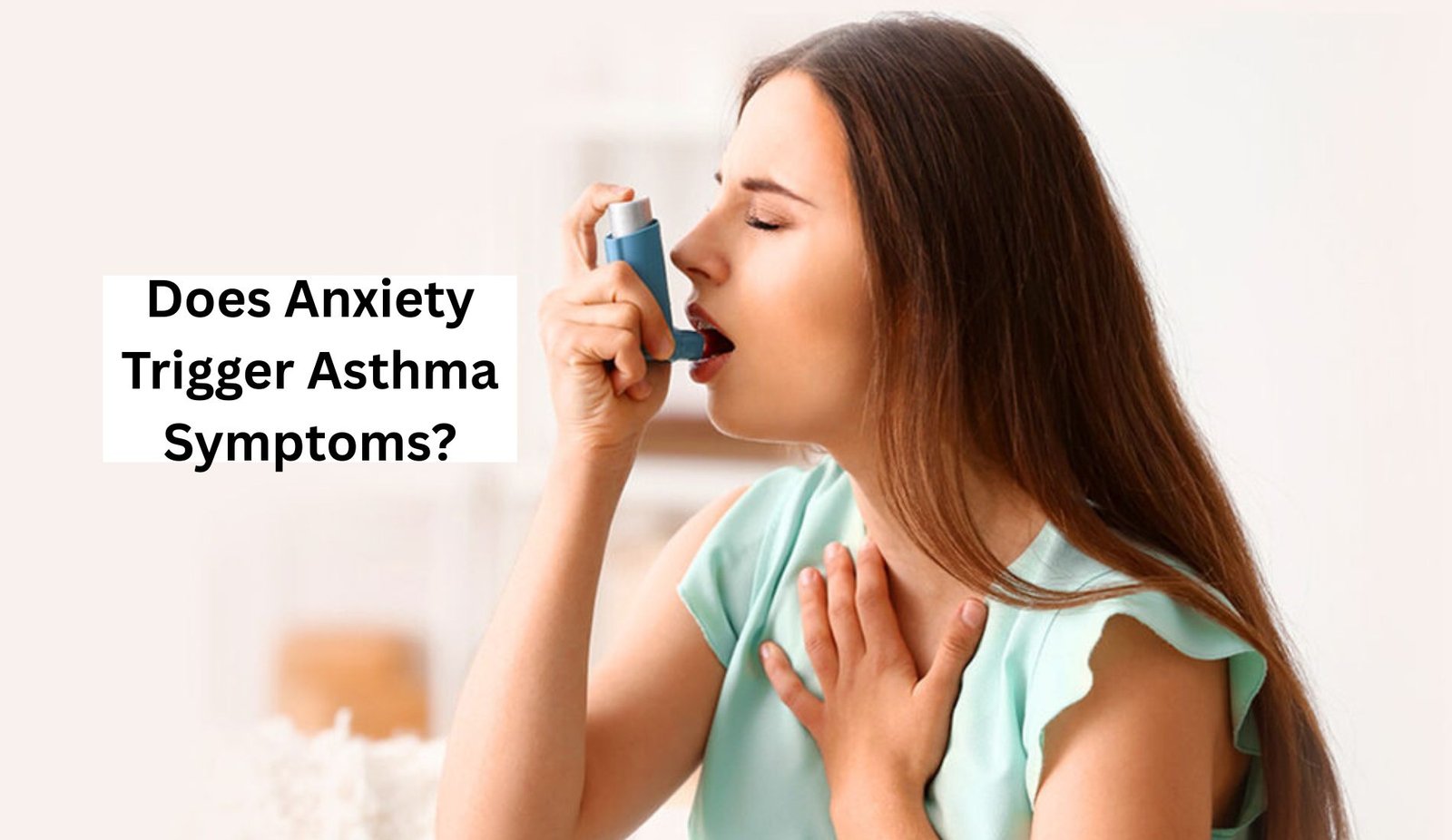
Have you ever noticed your child’s breathing worsen during moments of stress or fear? Many parents wonder — does anxiety trigger asthma attacks? The connection between emotions and breathing is powerful, and for children with asthma, stress and anxiety can sometimes make symptoms worse.
Studies reveal that anxiety doesn’t directly cause asthma, but it can trigger or intensify asthma attacks by tightening chest muscles and increasing breathing rate. According to Dr. Jonathan Field, director of the Allergy and Asthma Clinic at NYU Langone, emotional stress can amplify inflammation and sensitivity in the airways, making children more prone to flare-ups. This article will explain how mental health and asthma are linked and how managing both can reduce attacks.
But that’s just the beginning of understanding this complex mind-body connection. Stay with us as we explore how anxiety affects asthma, what signs to watch for, and practical ways to help children stay calm — and breathe freely.
Does Anxiety Trigger Asthma Attacks?
Can anxiety cause asthma? Anxiety can indeed play a significant role in triggering asthma attacks. When a person experiences anxiety or panic, the body responds with a “fight-or-flight” reaction.
This leads to a cascade of physiological changes: the heart rate increases, adrenaline floods the bloodstream, and breathing becomes rapid and shallow. For someone with asthma, this response can tighten airway muscles and increase inflammation, making breathing even more difficult.
During episodes of high anxiety, the body’s release of stress hormones—such as cortisol and adrenaline—can also make the airways more sensitive to existing triggers like allergens or cold air. These factors can combine to cause bronchoconstriction, leading to wheezing and shortness of breath.
In some cases, people experiencing an asthma anxiety attack may hyperventilate, causing a drop in carbon dioxide levels. This can further aggravate asthma symptoms, producing sensations similar to an asthma flare-up. This overlap between panic and asthma attacks can make it difficult to determine which condition is responsible, potentially delaying the right treatment.
Studies have consistently shown that individuals with both asthma and anxiety are more likely to have frequent exacerbations, visit emergency rooms more often, and experience a lower quality of life. The key lies in recognizing that anxiety doesn’t just exist in the mind—it has real, measurable effects on the body’s ability to manage respiratory conditions.
The Relationship Between Asthma and Anxiety
The connection between asthma and anxiety is complex and bidirectional. On one hand, living with asthma can create feelings of fear, uncertainty, and anxiety. On the other hand, anxiety itself can worsen asthma symptoms and even increase the risk of attacks.
Asthma, by nature, can be unpredictable. Not knowing when an attack might occur can lead to chronic worry, especially in individuals who have had severe episodes in the past. This fear can cause hyperawareness of breathing patterns—leading people to misinterpret normal variations as signs of an impending attack. The result is a cycle of anxiety that amplifies the physical sensations of breathlessness.
Conversely, anxiety disorders can influence how patients perceive and respond to their asthma symptoms. People with anxiety tend to overestimate the severity of their breathlessness and may use quick-relief inhalers more frequently than necessary. This can create dependency, reinforcing the anxiety-asthma cycle.
Clinical research highlights that around 40% of people with asthma experience some level of anxiety or depression. These psychological factors not only affect the patient’s perception of symptoms but can also interfere with medication adherence, making asthma management more challenging.
Recognizing the psychological aspects of asthma is essential. Treating asthma anxiety through therapy, mindfulness, or medication can improve both mental well-being and asthma control, highlighting the deeply intertwined nature of these two conditions.
How Mental Health Affects Your Asthma?
Mental health plays a vital role in determining how well an individual can control asthma. Chronic stress and anxiety can weaken the immune system, increase inflammation, and alter breathing patterns—all of which can aggravate asthma symptoms.
Here’s how mental health directly impacts asthma management:
- Inflammatory Response:
Chronic stress can elevate levels of inflammatory cytokines in the body, leading to increased airway inflammation. This means that ongoing anxiety can make asthma symptoms more severe over time. - Cortisol Dysregulation:
Normally, cortisol helps regulate inflammation, but in people under constant stress, cortisol levels can become imbalanced. This reduces the body’s ability to control inflammation in the lungs. - Lifestyle Factors:
Anxiety and depression can lead to poor sleep, unhealthy eating, and reduced physical activity—all of which can worsen asthma control. - Perception of Symptoms:
When anxious, the brain becomes more sensitive to physical sensations. A minor shortness of breath can feel overwhelming, leading to overreaction and panic, which in turn tightens the airways. - Medication Compliance:
People struggling with mental health challenges may forget doses or avoid medication due to fear of side effects, reducing the effectiveness of asthma treatment.
The mind-body link in asthma isn’t just theoretical. Studies using brain imaging have shown that emotional centers in the brain can influence airway function. For this reason, a comprehensive asthma management plan should always include mental health support alongside traditional medical care.
How to Reduce Stress and Asthma Distress (Controlling Asthma)
Managing anxiety is a crucial part of keeping asthma under control. By reducing stress, you can minimize triggers, improve lung function, and increase your resilience against flare-ups. Here are some effective strategies:
- Practice Mindful Breathing:
Controlled breathing exercises, such as diaphragmatic breathing or the 4-7-8 method, can help you manage both anxiety and asthma. These techniques slow down breathing, promote relaxation, and prevent hyperventilation. - Incorporate Regular Exercise:
Moderate physical activity, like walking, yoga, or swimming, can strengthen your lungs and reduce anxiety levels. Always consult your doctor about the safest way to exercise with asthma. - Maintain a Healthy Routine:
A balanced diet, sufficient hydration, and good sleep hygiene are vital. Lack of sleep can increase stress hormones, making asthma more difficult to manage. - Avoid Known Triggers:
Keep a record of what triggers your asthma and anxiety—such as allergens, smoke, cold air, or stressful environments. Minimizing exposure to these triggers can significantly reduce flare-ups. - Try Relaxation Techniques:
Meditation, progressive muscle relaxation, and aromatherapy can help calm the nervous system. Even five minutes of daily mindfulness can lower stress hormone levels. - Seek Professional Help:
Therapy, particularly Cognitive Behavioral Therapy (CBT), is highly effective for people managing chronic illnesses like asthma. CBT teaches coping strategies to break the cycle of fear and breathlessness. - Stay Connected:
Social support plays an underrated role in both mental and physical health. Talking about your fears or experiences with loved ones or support groups can relieve emotional pressure and improve asthma control.
By integrating these techniques into daily life, you create a buffer against stress that not only benefits your mind but also helps your lungs function more efficiently.
Stress and Anxiety Management – Make an Asthma Action Plan
An Asthma Action Plan is a personalized guide designed to help individuals recognize symptoms early, manage medication, and prevent severe attacks. When anxiety is a contributing factor, incorporating stress-management strategies into this plan becomes even more powerful.
Here’s how to build an effective action plan:
- Identify Your Triggers:
Note whether emotional stress consistently worsens your symptoms. Recognizing patterns helps you respond faster when anxiety flares. - Set Up a Symptom Tracker:
Keep a journal or app log of your breathing patterns, medication use, and emotional state. Over time, you’ll notice how mental health influences asthma control. - Establish Clear Medication Guidelines:
Work with your healthcare provider to outline when to use your daily controller inhaler and when to use your rescue inhaler. This reduces uncertainty, which can lessen anxiety. - Include Relaxation Breaks:
Schedule short breathing or mindfulness breaks throughout the day to manage stress before it accumulates. - Have Emergency Steps Ready:
Knowing exactly what to do during an asthma attack reduces panic. This includes keeping medication within reach, informing close contacts about your condition, and knowing when to seek medical help. - Collaborate with Professionals:
Psychologists, respiratory therapists, and asthma educators can help you integrate emotional and physical wellness strategies. Holistic care ensures that both the body and mind are treated effectively.
When you follow a structured plan, anxiety loses its power over your asthma. You regain control, confidence, and peace of mind—essential components for long-term health.
Common Questions about Relationship Between Anxiety and Asthma (FAQs)
What is a panic attack?
A panic attack is a sudden episode of intense fear or discomfort, often accompanied by physical symptoms like rapid heartbeat and shortness of breath. For asthma patients, panic attacks can exacerbate symptoms and increase the risk of asthma exacerbations.
How do I know if stress is triggering my asthma symptoms?
Can anxiety trigger asthma? If you notice your cough or wheezing increases during stressful situations, stress can trigger your asthma symptoms. Keeping a symptom diary can help identify patterns and determine if stress is associated with asthma worsening.
Will stress-induced asthma?
Does anxiety induced asthma? Yes, stress-induced asthma can occur, worsening symptoms in susceptible individuals. Stress can trigger asthma attacks, leading to increased airway inflammation and making asthma worse. Recognizing this connection is essential for effective asthma management.
How can stress trigger asthma?
Can anxiety cause asthma attacks? Stress can trigger asthma by causing physiological changes, such as muscle tension and rapid breathing. These responses can lead to airway constriction, increasing the risk of asthma exacerbations and worsening symptoms in individuals already associated with asthma.
How to manage your stress?
To manage stress, practice relaxation techniques like deep breathing, meditation, and regular exercise. Maintaining a healthy lifestyle and seeking support can also reduce stress, ultimately helping to control asthma and lessen the risk of asthma exacerbations.
Are there better ways to live with asthma?
Yes, living better with asthma involves avoiding known asthma triggers, adhering to medication plans, and maintaining a healthy lifestyle. Understanding the connection between asthma and allergies, and managing stress effectively, can improve overall asthma control and quality of life.
Conclusion
So, does anxiety trigger asthma symptoms? The answer is yes—anxiety doesn’t cause asthma, but it can certainly intensify it. Emotional stress and mental health challenges can make airways more reactive, worsen inflammation, and create a feedback loop of panic and breathlessness.
Understanding the intricate relationship between mind and body allows you to approach asthma management more holistically. By addressing anxiety through mindfulness, therapy, and relaxation techniques, you can reduce the frequency and severity of asthma attacks.
Remember, your emotional well-being is just as important as your physical health. Managing stress isn’t simply about feeling calmer—it’s about breathing easier, living fully, and maintaining long-term control over your severe asthma.
Recommended posts
- 3 Hidden Causes of Childhood Asthma to Avoid (Must-Read)
- Can Childhood Asthma Go Away in Adulthood? (Expert Insights)
- My Son Has Asthma and Can’t Stop Coughing (Relief Tips)
- Can Childhood Asthma Come Back in Adulthood? Here’s Why It Might Return
- Childhood Exercise-Induced Asthma: Proven Ways to Help Kids

