
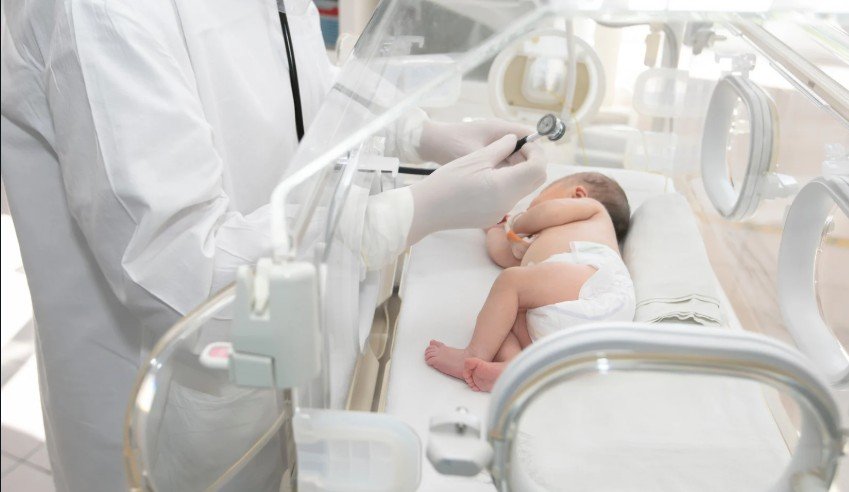
Delivery at 35 weeks pregnant—should you be worried or feel ready? Many parents feel anxious when labor starts before the 37-week mark. Is your baby developed enough, or could there be health concerns? Let’s take a closer look at what delivery at 35 weeks really means.
Babies born at 35 weeks are considered late preterm. While most do very well, they may need extra support with breathing, feeding, or temperature regulation. Neonatologists like Dr. Lucky Jain highlight that with proper care, many 35-weekers thrive and catch up quickly after birth.
Wondering what to expect if labor happens early? This article covers the key risks, the hospital care your baby might need, and how to prepare mentally and physically. Let’s walk through what you need to know for a safe 35-week delivery.
Is Delivery at 35 Weeks Safe?
Delivering at 35 weeks pregnant is considered a form of late preterm birth. Although babies born at this stage are typically more developed than those born earlier, there are still risks to their health. Generally, a baby born at 35 weeks is likely to have better lung function and less developmental delay than a baby born prematurely, but they still face several challenges.
A delivery at 35 weeks is considered safe in certain cases, especially if medically necessary for the health of the mother or baby. For instance, if the pregnancy presents complications such as preeclampsia, gestational diabetes, or if the baby shows signs of distress, doctors may opt to induce labor or perform a cesarean section.
However, babies born at 35 weeks may require extra care in a neonatal intensive care unit (NICU) to monitor their health, as they might have difficulties with breathing, feeding, and temperature regulation. In most cases, babies born at 35 weeks will not experience significant long-term health issues, but immediate medical attention is necessary to ensure their health post-delivery.
What is a Moderate to Late Premature Birth?
A premature birth occurs when a baby is born before 37 weeks of pregnancy. Births between 34 and 36 weeks are considered moderate to late preterm. These babies are usually not as developed as full-term babies, and while they may be able to breathe on their own, they often need additional medical support to thrive.
Moderate to late preterm babies are at risk for certain conditions such as respiratory issues, jaundice, and feeding difficulties. However, the severity of these complications tends to decrease as the baby approaches 37 weeks. At 35 weeks, babies are often able to breathe without the help of a ventilator, but they may still require assistance with things like maintaining body temperature and coordinating sucking, swallowing, and breathing.
The overall prognosis for babies born at 35 weeks is generally good, with most of them thriving after receiving appropriate medical care. In fact, many hospitals have specialized care teams that can help late preterm babies transition smoothly into the world, even when born a few weeks early.
Babies Born at 35 Weeks: Overview and Risk Factors
While a baby born at 35 weeks has a higher chance of a positive outcome than those born earlier, there are still a number of risks that can affect their health. Here are some of the primary concerns:
Respiratory Issues
One of the most common concerns with late preterm birth is respiratory distress. At 35 weeks, a baby’s lungs may not be fully mature, making it more challenging to breathe. Some babies may need help from a CPAP (continuous positive airway pressure) machine or oxygen therapy.
Feeding Difficulties
Babies born at 35 weeks may struggle with feeding, as their coordination of sucking, swallowing, and breathing may not be fully developed. This can make it harder for them to breastfeed or bottle-feed effectively. In some cases, these babies may require a feeding tube until they can feed on their own.
Temperature Regulation
Newborns typically have a limited ability to regulate their body temperature. Babies born at 35 weeks may need to be kept in an incubator or under a heat lamp to maintain warmth, as they are not yet able to keep themselves warm independently.
Jaundice
Jaundice is common among premature babies, including those born at 35 weeks. Jaundice occurs when a baby’s liver is not yet mature enough to process bilirubin, which can cause a yellowish tint to the skin and eyes. Phototherapy is often used to treat jaundice, helping the bilirubin break down.
Brain Development
Although babies born at 35 weeks are further along in their development than those born earlier, their brains are still maturing. As a result, they may experience delayed development milestones compared to full-term babies. The extent of this delay varies from baby to baby, and with proper care, most babies catch up to their peers within the first few years of life.
Infection Risk
Premature babies are more susceptible to infections, especially if they require extended time in the NICU. To protect them, strict infection control measures are taken in neonatal units, including hand-washing protocols and limiting visitor access.
Tips to Prevent Prematurity
While some factors contributing to premature delivery are unavoidable, there are steps that expectant mothers can take to help reduce the likelihood of delivering before 37 weeks. These strategies can help reduce the risks associated with premature birth and improve the overall health of both mother and baby:
- Regular Prenatal Care: Early and consistent prenatal visits allow doctors to monitor the health of both the mother and the baby. Screening tests can detect issues like preeclampsia or gestational diabetes, which may require early delivery.
- Manage Chronic Conditions: Properly managing chronic conditions such as diabetes, hypertension, and obesity can reduce the likelihood of premature labor. Discuss with your doctor the best strategies for managing these conditions during pregnancy.
- Avoid Stress: High levels of stress can lead to preterm labor. It is crucial to manage stress during pregnancy, whether through relaxation techniques, meditation, or other stress-reduction strategies.
- Quit Smoking and Avoid Alcohol: Smoking and drinking during pregnancy are significant contributors to premature birth. It is crucial to avoid these substances, as they can harm both mother and baby.
- Good Nutrition: Maintaining a healthy diet, rich in vitamins and minerals, can help ensure that both mother and baby are receiving the nutrients they need for optimal growth and development.
- Rest and Avoid Overexertion: Overworking or excessive physical activity can increase the risk of preterm labor. Rest and relaxation are crucial during pregnancy, especially as the pregnancy progresses.
- Monitor for Signs of Preterm Labor: Understanding the signs of preterm labor, such as contractions, lower back pain, or changes in vaginal discharge, can help detect potential problems early. If any of these symptoms occur, it’s essential to contact a healthcare provider immediately.
Late Preterm Births: Mortality and Neonatal Morbidity
While most babies born at 35 weeks survive and thrive with medical support, there are still risks involved with late preterm birth. The mortality rate for babies born at 35 weeks is low, but there are still potential complications. Some of the risks include:
Mortality
The risk of mortality for babies born at 35 weeks is very low, but it is still higher than for full-term babies. The overall mortality rate for late preterm infants has decreased significantly with advances in neonatal care, but there is still a higher chance of complications that can impact long-term survival.
Neonatal Morbidity
Morbidity refers to the incidence of illness or disease. Babies born at 35 weeks are at an increased risk of developing certain conditions, such as:
- Respiratory issues: Many babies born at 35 weeks may require oxygen or respiratory support.
- Feeding difficulties: Babies born at this stage may need help learning how to feed properly.
- Neurological issues: While many babies catch up developmentally, some may experience delays in motor skills, speech, or cognitive development.
Despite these risks, the vast majority of late preterm babies survive without significant long-term health complications, especially with the care they receive in the NICU.
Commonly Asked Questions about Delivery at 35 Weeks Pregnant (FAQs)
What are the risks of my baby being born at 32 to 37 weeks?
Babies born after 32 weeks face risks like breathing issues, feeding difficulties, and jaundice. While most thrive with medical care, early delivery increases NICU needs. Always monitor with a doctor.
Can I Prevent Preterm Labor?
You can’t always prevent preterm labor, but reducing stress, avoiding smoking, and managing conditions like diabetes help. Regular prenatal care boosts early detection. Call your doctor if contractions start early.
Is Delivery Safe at 35 Weeks?
Delivery at 35 weeks is generally safe with medical support, but babies may need NICU care for breathing or feeding. 34 weeks births have higher risks—consult your doctor.
What are the signs that a baby may be born at 35 weeks?
When a baby is born at 35 weeks, the signs may include contractions, pelvic pressure, and the rupture of membranes. Pregnant women should be aware of these potential indicators, as they may signal the onset of labor or preterm birth.
What complications can arise from a delivery at 35 weeks?
Infants born at 35 weeks may experience complications such as respiratory distress, feeding problems, and jaundice. These premature babies may require specialized care in the neonatal intensive care unit (NICU) to monitor their health and manage any issues that arise.
How does gestational age affect the health of a baby born at 35 weeks?
Gestational age plays a critical role in determining the health outcomes of a baby. Babies born at 35 weeks are considered late preterm and may face a higher risk of complications compared to those born at full term (40 weeks). Their organs, especially the lungs, may not be fully developed.
What can pregnant women do to prevent preterm births?
To reduce the risk of preterm birth, pregnant women should attend regular prenatal check-ups, maintain a healthy lifestyle, and manage stress. Staying informed about the signs and symptoms of preterm labor can also help in seeking timely medical intervention.
What is the rate of preterm deliveries at 35 weeks?
The rate of preterm deliveries at 35 weeks, while lower than those at earlier gestational ages, remains significant. Approximately 5-7% of infants are born between 34 and 36 weeks, and understanding this statistic can help parents prepare for potential challenges.
What should parents expect after a baby is born at 35 weeks?
After a baby is born at 35 weeks, parents should expect their child to possibly stay in the NICU for monitoring. This care may last from hours to weeks, depending on the baby’s health and development. Parents should also be prepared for potential feeding and breathing problems.
How does a cesarean delivery impact a baby born at 35 weeks?
A cesarean delivery can be necessary for various reasons, including complications arising from preterm labor. Babies born via cesarean at 35 weeks may still face similar risks as those born vaginally, but the delivery method may affect their immediate health and recovery process.
What long-term effects can premature birth at 35 weeks have on a child?
Children born preterm at 35 weeks may encounter long-term effects such as learning disabilities, attention issues, and respiratory problems. Early intervention and consistent pediatric care can be crucial for their development and future health.
Can babies born at 35 weeks be considered full-term?
No, babies born at 35 weeks are not considered full-term. Full-term infants are typically born between 39 and 40 weeks of gestation. Late preterm infants, like those born at 35 weeks, may require additional medical attention to thrive.
Conclusion
Delivery at 35 weeks pregnant is a situation that comes with both risks and positive outcomes. While babies born at this stage are not considered full-term, their chances of surviving and thriving are good with proper medical care. Respiratory issues, feeding difficulties, and temperature regulation are common challenges faced by late preterm babies. However, with early intervention and specialized care, these babies typically grow to lead healthy, happy lives.
By understanding the risks, the medical options available, and how to minimize the chances of premature delivery, expectant mothers can work with their healthcare providers to ensure the best possible outcome for both themselves and their babies. If you’re experiencing symptoms of preterm labor, make sure to consult your doctor to take the necessary steps to safeguard your health and your baby’s future.
Recommended posts
- Can a Hot Bath Induce Labor: (Is It Safe and Effective?)
- Top 5 Frida Mom Postpartum Kit Reviews – Buyers Guide
- Average Week of Delivery with Gestational Diabetes

