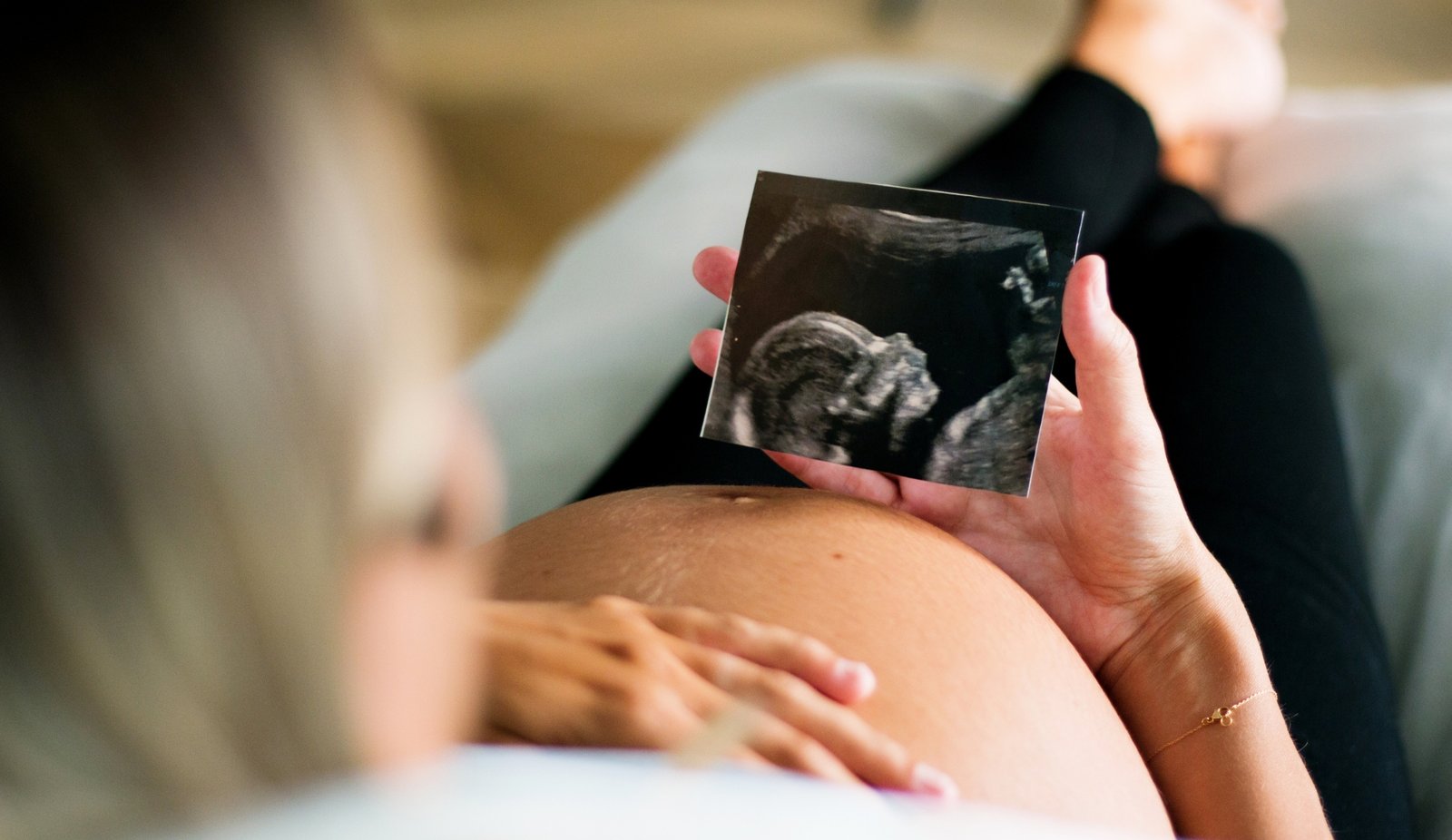
Understanding the connection between Decidual Cast and Ectopic Pregnancy is essential for women’s reproductive health. While both are uncommon medical conditions, their symptoms can sometimes overlap, leading to confusion and potential misdiagnosis.
A decidual cast may mimic similar symptoms of an ectopic pregnancy, making accurate diagnosis critical for ensuring safety and proper treatment.
This guide explores in detail what a ectopic pregnancy decidual cast is, why it occurs, and how it may be connected to reproductive side effects and risks such as ectopic pregnancy.
What is a Decidual Cast?
A decidual cast refers to the rare phenomenon in which the entire lining of the uterus (the decidua) is shed at once, instead of gradually breaking down and leaving the body through normal menstrual bleeding.
Unlike a regular period, where the endometrial tissue breaks apart into fragments, a decidual cast is expelled in one large, intact piece that often retains the triangular shape of the uterine cavity.
Women who experience this event often describe passing tissue resembling the mold of the uterus, which can be alarming and sometimes mistaken for miscarriage. While a decidual cast itself is not life-threatening, it is usually a sign of underlying hormonal imbalance or changes in reproductive health.
Why do Women Experience a Decidual Cast?
The shedding of the uterine lining in the form of a cast occurs when the progesterone levels in the body fluctuate abnormally. Progesterone is a hormone critical for preparing the uterus for pregnancy and maintaining a stable endometrial lining.
When progesterone levels rise and then suddenly drop, the uterine lining may detach all at once, rather than fragmenting over time.
Common reasons why women may experience a decidual cast include:
- Hormonal contraceptive use: Especially with progestin-only birth control methods or inconsistent pill use.
- Hormone therapy adjustments: Sudden changes in dosage can disrupt the uterine lining is shed.
- Post-pregnancy hormonal changes: After miscarriage, abortion, or childbirth.
- Underlying gynecological conditions: Such as endometriosis or polycystic ovary syndrome (PCOS).
The sudden expulsion of a decidual cast is usually not recurrent, but for some women, repeated episodes can signal a deeper issue requiring medical attention.
Symptoms and Causes of Decidual Cast and Ectopic Pregnancy
The symptoms of a decidual cast can resemble those of an ectopic pregnancy, a condition in which a fertilized egg implants outside the uterus, usually in the fallopian tube. Because ectopic pregnancy is a life-threatening emergency, it is critical to differentiate between the two.
Symptoms of a Decidual Cast:
- Severe abdominal or pelvic cramping before tissue expulsion
- Passage of a large, intact piece of tissue resembling uterine shape
- Heavy vaginal bleeding at the time of expulsion
- Sudden resolution of pain after the cast passes
Symptoms of an Ectopic Pregnancy:
- Sharp, persistent abdominal or pelvic pain
- Abnormal vaginal bleeding (not resembling normal menstruation)
- Shoulder pain caused by internal bleeding (if rupture occurs)
- Dizziness, fainting, or signs of shock in severe cases
Overlapping Factors:
Both conditions involve abdominal pain and vaginal bleeding, making it possible for a woman to confuse one with the other. However, in ectopic pregnancy, the pain persists and worsens, while in a decidual cast, pain is usually relieved after tissue is expelled.
Medical professionals rely on a combination of ultrasound imaging, blood hormone tests, and clinical history to determine whether a woman is experiencing a decidual cast or an ectopic pregnancy. Because of the risks, it is always advised to seek immediate medical evaluation if an ectopic pregnancy is suspected.
Examination of Certain Types of Contraceptives
Hormonal contraceptives are one of the most frequently linked factors to the formation of a decidual cast. Contraceptives containing synthetic progesterone (progestins) may create conditions in which the uterine lining develops abnormally, making sudden detachment more likely.
- Progestin-only pills (mini-pill): May cause fluctuations in progesterone that result in decidual casts.
- Hormonal IUDs: These devices thin the uterine lining but, in rare cases, can trigger abnormal shedding.
- Depot injections (e.g., Depo-Provera): High doses of progesterone can disrupt normal menstruation and occasionally cause Decidualization.
- Emergency contraception (morning-after pill): Large, sudden doses of hormones can alter the uterine environment and provoke unusual shedding.
It is important to note that while contraceptives may increase the likelihood of a decidual cast, they do not directly cause ectopic pregnancy. However, women using certain methods (particularly IUDs) do face a slightly increased risk of ectopic pregnancy if contraception fails.
The Role of Irregular Menstruation Cycles
Irregular menstrual cycles can also play a role in the occurrence of decidual casts. When cycles are unstable, hormone levels fluctuate unpredictably, sometimes creating the perfect conditions for abnormal uterine shedding.
- Anovulatory cycles (cycles without ovulation): Lead to unstable hormonal environments, increasing the chance of decidual formation.
- Stress-induced cycle disruptions: Stress affects the hypothalamic-pituitary-ovarian axis, which regulates menstrual cycles.
- Thyroid imbalances or PCOS: Both conditions can disrupt ovulation and menstrual consistency, predisposing women to unusual uterine events.
Women with irregular cycles should monitor their menstrual health carefully, particularly if they notice unusually severe cramping, passage of large tissue, or irregular bleeding patterns.
Does a Decidual Cast Have Links to Endometriosis?
There is growing interest in whether a decidual cast has any association with endometriosis, a chronic condition where uterine-like tissue grows outside the uterus.
While the two are not directly the same, they share underlying mechanisms involving progesterone resistance, abnormal endometrial development, and irregular shedding.
In women with endometriosis, abnormal tissue growth responds to hormonal fluctuations in unpredictable ways. Decidualization may indicate that the endometrium has become hypersensitive to hormonal changes, similar to what is observed in endometriosis patients.
However, research is still limited, and not all women who experience a decidual cast have endometriosis. Still, recurrent decidual casts long term symptoms such as pelvic pain, infertility, and heavy periods should encourage further investigation by a gynecologist.
Commonly Asked Questions about Decidual Cast Ectopic Pregnancy (FAQs)
What is a decidual cast?
Decidualization is a large piece of tissue that is shed from the lining of the uterus (decidual lining) during certain hormonal changes, often mistaken for a miscarriage. It typically occurs when the entire decidual lining is expelled, which can happen in response to hormonal fluctuations, particularly after taking hormonal birth control or during an irregular menstrual cycle.
What are the symptoms of passing a decidual cast?
Symptoms of passing a decidual cast can include cervix mucus, Cast tissue,blood clots, cramping, and the expulsion of a fleshy piece of tissue from the vagina. These symptoms may be similar to those experienced during a miscarriage, which can lead to confusion and concern.
How does endometriosis relate to decidual casts?
Endometriosis can lead to thickened endometrial tissue and irregularities in the uterine lining, which may increase the likelihood of experiencing a decidual cast. Women with endometriosis may have a higher incidence of abnormal uterine conditions, making it essential to rule out other conditions when experiencing unusual symptoms.
Can hormonal birth control lead to a decidual cast?
Yes, hormonal birth control can influence the hormonal environment of the uterus, potentially leading to the formation of a decidual cast. The use of contraceptives like the depo medroxyprogesterone acetate injection may alter the lining of the uterus and result in the shedding of decidual tissue.
What should I do if I think I am passing a decidual cast?
If you think you are passing a decidual cast, it is important to consult a healthcare provider. They can perform a pregnancy test to rule out other conditions, such as ectopic pregnancies or a miscarriage, and provide professional medical advice tailored to your situation.
Are decidual casts common in pregnant women?
Decidual casts are rare but can occur in pregnant women, especially when there are hormonal imbalances. Understanding the occurrence of a decidual cast can help in managing expectations during early pregnancy.
How can I distinguish between a decidual cast and a miscarriage?
Distinguishing between a decidual cast and a miscarriage can be challenging. Typically, a decidual cast will involve the passing of a large piece of tissue without the presence of an embryo, while a miscarriage usually involves the expulsion of products of conception, which may include an embryo. Seeking medical evaluation is crucial for accurate diagnosis.
Can I experience a decidual cast after stopping hormonal birth control?
Yes, stopping hormonal birth control can lead to hormonal fluctuations that may cause the lining of the uterus to shed, potentially resulting in the expulsion of a decidual cast. Monitoring menstrual cycles after discontinuing contraceptives is advisable to understand changes in the body.
What is the best way to manage symptoms associated with decidual casts?
Managing symptoms associated with Decidualization often includes monitoring bleeding patterns and pain levels. Pain relief medications and hydration may alleviate discomfort. However, if symptoms persist or intensify, it is vital to seek professional medical advice for further evaluation.
Can ectopic pregnancy cause decidual cast?
While rare, case reports of decidual casts exist with ectopic pregnancy. A case study might link hormonal shifts to this uterine tissue shedding, but it is not a common diagnostic sign.
Conclusion
The phenomenon of a decidual cast is rare, often misunderstood, and can be alarming for women experiencing it for the first time. While usually benign, it shares overlapping symptoms with ectopic pregnancy, a serious condition that requires immediate attention. Distinguishing between the two relies on professional evaluation, including imaging and hormone level assessments.
Certain contraceptives, irregular menstrual cycles, and conditions like endometriosis may contribute to the likelihood of developing a decidual cast. Women who experience this event should not ignore it, particularly if it occurs repeatedly, as it may signal underlying reproductive health issues.
Ultimately, awareness and timely medical diagnosis are crucial. Understanding the differences between a decidual cast and ectopic pregnancy not only protects reproductive health but can also be life-saving in the event of an undiagnosed ectopic pregnancy.
Recommended posts
- 7 Early Warning Signs of Ectopic Pregnancy (You Should Know)
- Cesarean Scar Ectopic Pregnancy Survival Rate: (Key Facts)
- HCG Levels in Ectopic Pregnancy Chart (Signs & Monitoring)
- What to Expect After Taking Methotrexate for Ectopic Pregnancy
- How to Get Pregnant Fast After Ectopic Pregnancy: (Proven)
- The Hidden Link Between Endometriosis and Ectopic Pregnancy
- Miscarriages and Pcos – Expert Tips for Managing The Risk
- Contraception After Abortion: Timing, Options, and Advice