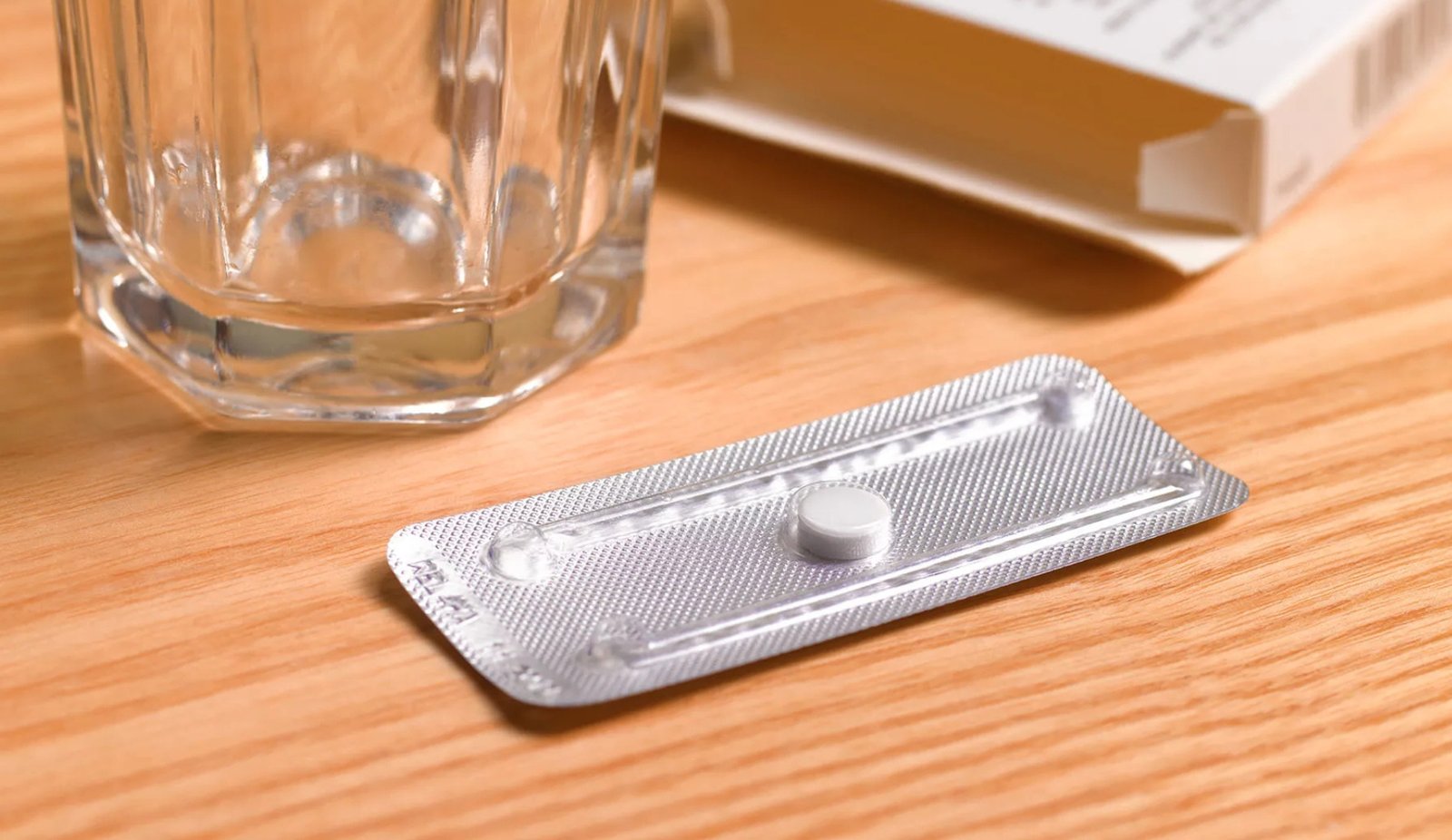
Can you take Plan B while ovulating? This is a common and urgent question for many seeking reliable emergency contraception. Does Plan B actually work if you’re at the peak of your fertility cycle? Let’s dig into what science and experts have to say about it.
Plan B, or levonorgestrel, works by delaying ovulation. If ovulation has already occurred, it will not be effective. That’s why top reproductive experts like Dr. Mary Jane Minkin from Yale School of Medicine advise using other emergency options like Ella or a copper IUD during ovulation.
But Plan B isn’t your only choice—and timing matters more than you think. Curious how your cycle impacts effectiveness? Let’s break it all down with expert-backed facts and actionable options.
Can You Take Plan B While Ovulating?
Yes, you can take Plan B while ovulating, but its effectiveness may be compromised. The morning-after pill is designed to prevent pregnancy primarily by delaying ovulation.
If you are already in the ovulation phase, the mechanism of action may not work during ovulation, as Plan B is less effective at this time. The sooner you take Plan B after unprotected sex, the better your chances of preventing pregnancy. Ideally, it should be taken within 72 hours, but it can within 5 days after unprotected sex.
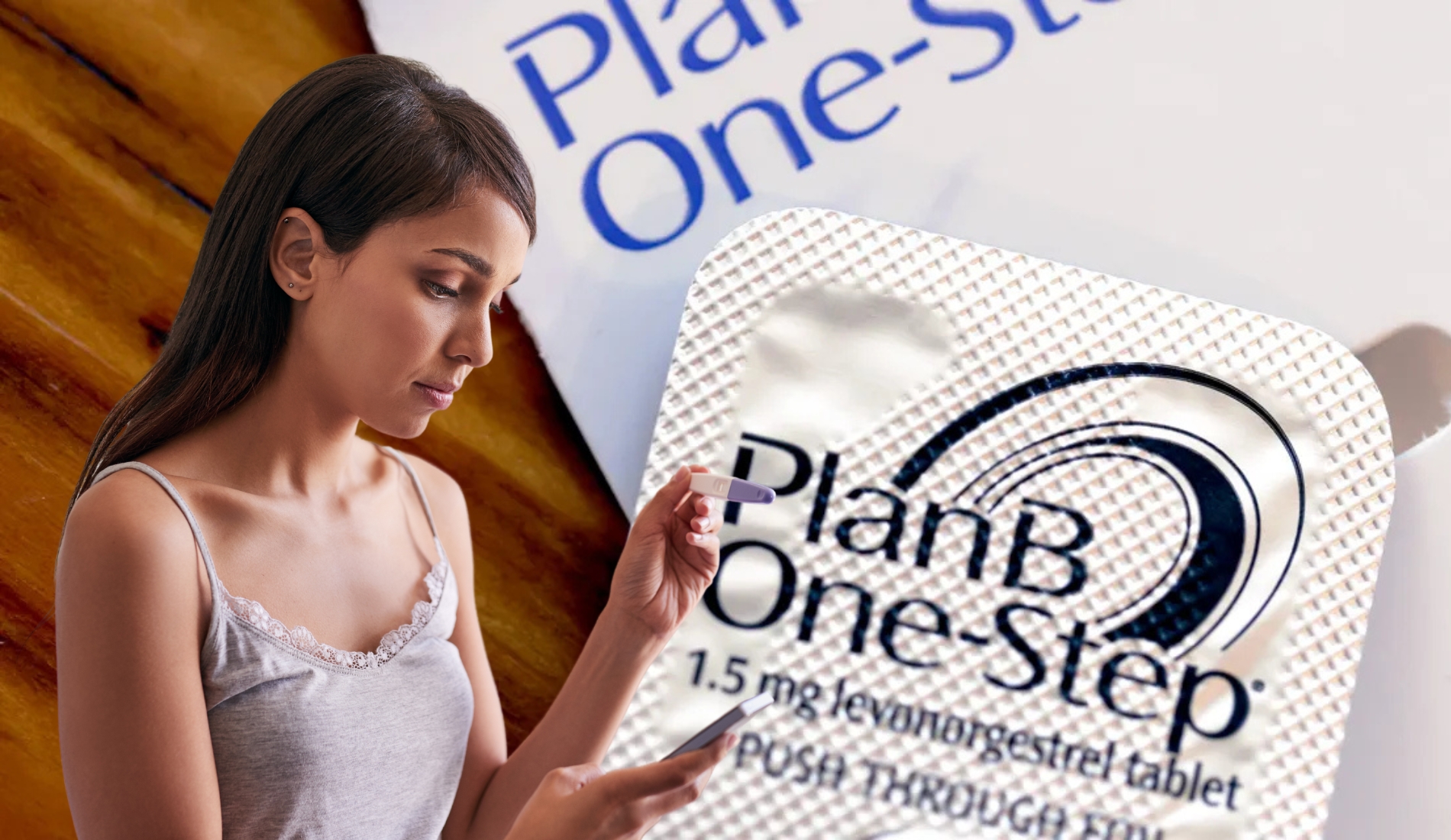
When you ovulate, your body releases an egg, making it available for sperm to fertilize. If you take Plan B during this time, it may not work effectively to prevent pregnancy since it cannot stop ovulation from occurring.
Therefore, understanding your ovulation cycle is crucial if you are considering using emergency contraception. The timing of ovulation plays a significant role in determining how well Plan B can work, underscoring the importance of taking the pill as soon as possible after unprotected intercourse.
How Does Emergency Contraception Work?
Emergency contraception pills, such as Plan B, primarily function by delaying or inhibiting ovulation. When taken as soon as possible after unprotected sex, these pills work to prevent the release of an egg, thereby reducing the chances of fertilization.
If ovulation has already occurred, the emergency contraceptive option may not be effective since it cannot prevent pregnancy once fertilization has taken place. The key is to take the morning-after pill within the recommended timeframe for it to be effective.
Additionally, emergency contraception may work by altering the uterine lining, making it less hospitable for a fertilized egg to implant. However, this mechanism is less understood and is still a subject of research.
It’s essential to note that emergency contraception does not terminate an existing pregnancy; rather, it prevents pregnancy from occurring after unprotected sex. Understanding how emergency contraception works can help individuals make informed decisions about their reproductive health and the timing of taking the pill.
What Happens If I Take Plan B While Ovulating?
If you take Plan B while ovulating, the chances of preventing pregnancy are significantly reduced. Since the primary function of the morning-after pill is to delay ovulation, taking it after ovulation has already occurred may not yield the desired results.
While Plan B may still work in some instances, studies suggest that its effectiveness diminishes once ovulation has taken place. This is why timing is critical when considering emergency contraception.
In cases where ovulation has already occurred, Plan B does not work to prevent fertilization or implantation. Women who find themselves in this situation should consider taking a pregnancy test if their next period is late.
If there is a possibility that fertilization has occurred, consulting a healthcare provider for further guidance is advisable. Understanding these nuances can help individuals make better-informed choices about their sexual health and the timing of emergency contraceptive use.
Can You Use Emergency Contraception Pills More Than Once in a Month?
Yes, you can use emergency contraception pills more than once in a month. However, they are not intended for regular use as a primary form of birth control.
Frequent reliance on the morning-after pill, like Plan B, may not be the most effective strategy for preventing pregnancy. Instead, it is recommended to explore regular birth control options for ongoing contraceptive needs.
Using emergency contraception multiple times in a short period may lead to irregular menstrual cycles, which can be concerning for some women. Additionally, it’s important to remember that emergency contraceptive pills are less effective if taken repeatedly within a short timeframe.
Therefore, if you find yourself in situations requiring emergency contraception frequently, it may be time to consult a healthcare provider to discuss more reliable methods of preventing pregnancy.
Which Type of Emergency Contraception Is Best for Me?
Choosing the right type of emergency contraception depends on individual circumstances, including timing and personal health. Plan B One-Step is a popular option and is available without a prescription.
However, there are other options, such as Ella, which may be more effective for some individuals, especially if taken later after unprotected sex. Each type of emergency contraceptive pill has varying effectiveness based on when they are taken in relation to ovulation.
It’s essential to consider your own menstrual cycle and ovulation timing when selecting the best emergency contraception. If you are near your ovulation window, Ella may be a more suitable option as it can work for up to five days after unprotected sex.
Consulting with a healthcare professional can provide further insight into which type of emergency contraception best suits your needs and circumstances.
Will the Morning-After Pill Work If I Have Already Ovulated?
The effectiveness of the morning-after pill is significantly reduced if you have already ovulated. Plan B works primarily by delaying ovulation; therefore, if this process has already taken place, the pill may not prevent fertilization or implantation.
Women who are aware of their ovulation cycle should be especially cautious when considering the timing of taking emergency contraception.
If you suspect you have ovulated and have had unprotected sex, it is crucial to take a pregnancy test if your period is late. This will help determine if fertilization has occurred. In cases where ovulation has already happened, consulting a healthcare provider can offer additional options or guidance on next steps to take regarding pregnancy prevention and reproductive health.
How Can I Avoid Getting Pregnant During Ovulation?
To avoid getting pregnant during ovulation, it is vital to use effective birth control methods consistently. Barrier methods, such as condoms, can prevent sperm from reaching the egg, while hormonal birth control can regulate ovulation and prevent it from occurring altogether.
It’s a good idea to track your menstrual cycle can also help you identify fertile windows, allowing you to avoid unprotected sex during those days. Additionally, consider utilizing fertility awareness methods that help you monitor signs of ovulation, such as changes in cervical mucus or basal body temperature.
This awareness can inform your decisions regarding sexual activity and the use of contraception. Ultimately, combining these strategies with a reliable form of birth control will significantly reduce the risk of unintended pregnancy during ovulation.
How successful is the Morning-after Pill During Ovulation?
The success rate of the morning-after pill during ovulation is considerably lower compared to other times in the menstrual cycle. When taken before ovulation, Plan B can effectively delay the release of an egg, thus reducing the likelihood of fertilization.
However, if ovulation has already occurred, the chances to prevent pregnancy decrease significantly. Studies have shown that taking emergency contraception after ovulation may not be effective in preventing pregnancy.
For those who find themselves in a situation where they may have ovulated, it is essential to understand the limitations of using Plan B. While it may still work in certain cases, relying on it as a primary method of contraception during ovulation is not advisable.
Seeking guidance from a healthcare provider can help clarify options and provide additional support for those concerned about pregnancy risks during their ovulation period.
Commonly Asked Questions about Taking Plan B One-Step (FAQs)
What If I’m Already Pregnant and Take Emergency Contraception?
The morning after pill (emergency contraception) won’t harm an existing pregnancy—it works primarily to prevent ovulation or fertilization. If already pregnant, it has no effect.
When to take a pregnancy test?
Take a pregnancy test 1–2 weeks after a missed period for accuracy. For contraception, use condoms, birth control pills, or IUDs—consult a doctor to choose the best method.
Does Plan B work during ovulation?
Plan B is less effective during ovulation since it primarily works to delay or prevent ovulation. If ovulation has already occurred, it won’t stop fertilization or implantation.
What are the side effects of Plan B One Step?
Plan B One Step side effects include nausea, fatigue, headache, dizziness, breast tenderness, and irregular bleeding. These are usually mild and temporary, resolving within a few days.
Is there anything else you can do during ovulation to prevent pregnancy?
To prevent pregnancy during ovulation, use barriers (condoms), avoid unprotected sex, or consider emergency contraception if needed. Fertility awareness alone is unreliable—combine methods for best protection.
Does the morning-after pill work after ovulation?
The morning-after pill is less effective after ovulation since it primarily delays egg release. If taken 1–3 days after sex, it may still prevent fertilization—but not implantation.
What alternative options do I have if Plan B does not work?
If Plan B fails and ovulation occurs, consider a copper IUD (inserted within 5 days) to prevent implantation. If you become pregnant, consult a doctor to discuss options.
Does Plan B work after ovulation?
Plan B is ineffective after ovulation since it primarily delays egg release. If taken the day before ovulation or within 72 hours of unprotected sex, it may still prevent pregnancy.
Final Thoughts
In conclusion, taking Plan B during ovulation poses challenges, as its effectiveness is significantly reduced once ovulation has occurred. Understanding the timing of ovulation and the mechanisms of emergency contraception is crucial for making informed decisions regarding sexual health. While Plan B can be an effective option for preventing pregnancy, it is essential to consider other reliable birth control methods for long-term use. If you have concerns about pregnancy or the timing of taking emergency contraception, consulting with a healthcare professional is always a wise approach to ensure optimal reproductive health.
Recommended posts
- Do You Still Ovulate on Birth Control Pills: (Myths & Facts)
- Does Plan B Work During Ovulation! (Is It Still Effective?)
- Success Rate of Morning After Pill During Ovulation (Tested)