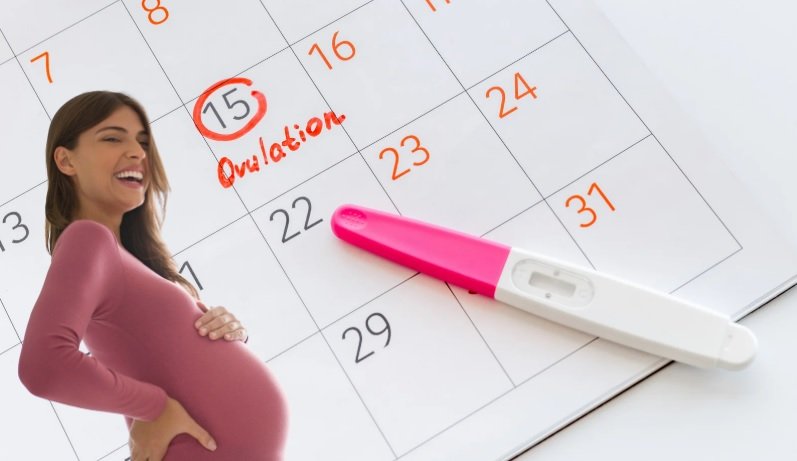
Can you get pregnant after ovulation is over? It’s one of the most asked questions by women tracking their cycles. If the egg is gone, isn’t the window closed? Let’s explore what actually happens in your body right after ovulation.
In short, once ovulation ends, the chances of pregnancy drop significantly. That’s because the egg only survives for 12 to 24 hours after release. Sperm, though, can live up to five days—so timing is everything when it comes to conception.
But there’s more to know than just timing and survival windows. What do top fertility experts like Dr. Serena Chen say about this? Stick around as we unpack the science, myths, and real answers behind this critical phase in your fertility journey.
Can You Get Pregnant After Ovulation Is Over?
is it possible to get pregnant after ovulation? Many people wonder if it’s possible to get pregnant after ovulation is over. The short answer is yes, but with some important caveats. Once ovulation occurs, a mature egg is released and typically has a lifespan of 12 to 24 hours. If intercourse happens during this window, sperm can fertilize the egg.
However, if ovulation has already passed and the egg is no longer viable, the chances of conception are significantly reduced. Sperm can survive in the female reproductive tract for several days, which means that having sex a day or two before ovulation can still lead to pregnancy. Therefore, understanding your fertile window is crucial for those trying to conceive.
It is essential to recognize that while the possibility exists to get pregnant after ovulation, it is more about timing. After ovulation day, the chances decrease rapidly. The best time to have intercourse for those trying to conceive is during the fertile days leading up to and including ovulation.
If you are tracking ovulation using methods such as predictor kits or observing changes in cervical mucus, you can better pinpoint your ovulation date and maximize your chances of becoming pregnant.
Understanding the Menstrual Cycle: How Ovulation Occurs
The menstrual cycle is typically around 28 days but can range from 21 to 35 days for some individuals. Ovulation usually occurs around day 14 of a 28-day cycle, though this can vary.
Hormones, particularly luteinizing hormone (LH) and follicle-stimulating hormone (FSH), play critical roles in regulating this cycle. Before ovulation, FSH stimulates the ovaries to mature an egg, while a surge in LH triggers the release of the egg from one of the ovaries. Understanding the timing of ovulation is essential for tracking fertility.

During the menstrual cycle, the body also prepares for a potential pregnancy. Following ovulation, the hormone progesterone rises, helping to thicken the uterine lining for the possibility of implantation. If fertilization occurs, the fertilized egg travels through the fallopian tube to the uterus. If it does not, the body will shed the uterine lining during the next period.
By tracking ovulation and recognizing the signs, such as changes in cervical mucus or cramping, individuals can better predict their fertile window, increasing their chances of conception.
Factors That Affect Fertility: Age, Health, and Lifestyle Habits
Fertility is influenced by various factors, including age, health, and lifestyle habits. As women age, particularly after the age of 35, fertility declines, making it more challenging to conceive.
This decrease is often attributed to a reduction in the number of mature eggs available for ovulation and an increase in potential infertility issues. Additionally, overall health, including chronic conditions or hormonal imbalances, can impact the ability to ovulate regularly and achieve pregnancy.
Lifestyle habits also play a significant role in fertility. Factors such as smoking, excessive alcohol consumption, poor nutrition, and lack of exercise can adversely affect reproductive health, reducing the chances of getting pregnant.
Conversely, maintaining a healthy lifestyle, managing stress, and staying within a healthy weight range can enhance fertility. Couples trying to conceive should consider these factors and consult healthcare professionals for personalized advice to improve their chances of conception and overall reproductive health.
How Many Days After Ovulation Can You Get Pregnant?
Understanding how many days after ovulation you can still get pregnant is crucial for timing intercourse. Following ovulation, the released egg is viable for about 12 to 24 hours. Therefore, if you have sex within this timeframe, there is a chance that sperm can fertilize the egg.
However, if you wait too long, the window for pregnancy closes as the egg disintegrates. This means that conceiving is primarily limited to the fertile window, which includes the days leading up to ovulation and the day of ovulation itself.
Sperm can survive in the female reproductive tract for up to five days, which means having intercourse a few days before ovulation can still lead to pregnancy, even if ovulation has already occurred. However, after ovulation, the chances of conceiving rapidly decrease.
Couples trying to conceive should aim to have sex during the fertile days, which can be tracked through ovulation predictor kits or by monitoring bodily changes. Understanding this timing is essential in maximizing the chances of getting pregnant after ovulation.
Commonly Asked Questions about How Ovulation Works (FAQs)
What is the likelihood of becoming pregnant each day before or after ovulation?
The highest chance of pregnancy is 1–2 days before ovulation, around 30%. Chances drop quickly after ovulation, becoming nearly zero 24 hours post-ovulation.
When are you most fertile?
You are most fertile during the five days before ovulation and on ovulation day, with peak fertility occurring 1–2 days before the egg is released.
How to determine the best time to have sex to conceive?
Have sex during your fertile window—especially 1–2 days before ovulation—for the best chance of conception. Use ovulation kits or track cervical mucus for timing.
How can a person know if they are not ovulating?
Signs of not ovulating include irregular periods, no cervical mucus changes, no ovulation pain, and consistently negative ovulation tests. Blood tests can confirm anovulation.
How can I predict my ovulation days?
Use ovulation predictor kits, track basal body temperature, monitor cervical mucus, and use fertility apps to predict ovulation days and identify your fertile window.
What methods are available to track or predict ovulation?
Methods include ovulation predictor kits, basal body temperature charting, cervical mucus monitoring, calendar tracking, and hormone-based digital fertility monitors for accurate ovulation prediction.
How many days after ovulation is it possible to get pregnant?
Pregnancy is possible up to 24 hours after ovulation. Once the egg disintegrates, conception can’t occur until the next cycle begins with another ovulation.
How early can pregnancy test strips detect?
Pregnancy test strips can detect hCG as early as 6–8 days after ovulation, but accuracy improves significantly around 10–14 days post-ovulation or after missed period.
What is the fertile window?
The fertile window refers to the days in your menstrual cycle when you are most likely to get pregnant. This typically includes the days leading up to ovulation and the day of ovulation itself, encompassing about six days before the next period starts.
How long can sperm live in the reproductive tract?
Sperm can live inside the female reproductive tract for up to five days, which is why timing intercourse during your fertile window is crucial for increasing your chances of getting pregnant.
How does the menstrual cycle affect pregnancy chances?
The menstrual cycle determines your fertile period, which is when you are most likely to conceive. Understanding the length of your cycle and tracking ovulation can help you plan intercourse during your fertile window.
Can you still become pregnant if you have sex just after ovulation?
It is unlikely to become pregnant if you have sex just after ovulation since the egg only survives for about 1 day after being released. However, if sperm are already present from intercourse a few days prior, there is still a chance of fertilization.
What role do hormones like oestrogen and progesterone play in ovulation?
Oestrogen and progesterone regulate the menstrual cycle and play vital roles in ovulation. Levels of oestrogen peak just before ovulation, triggering the LH surge that causes the follicle to release the raw egg white.
What is the significance of tracking ovulation for getting pregnant?
Tracking ovulation is significant because it helps you identify your fertile window, allowing you to plan intercourse at the optimal time for conception. This can be done through various methods, including monitoring changes in cervical mucus, basal body temperature, and hormone levels.
Can you get pregnant after ovulation week?
No, pregnancy after ovulation week is unlikely since the egg only survives 12-24 hours. Conception requires sperm to meet the egg during ovulation.
Final Thoughts
In conclusion, while it is possible to get pregnant after ovulation, the chances significantly decrease once the ovulation window closes. The menstrual cycle plays a vital role in understanding this process, and knowing how ovulation works can help individuals and couples trying to conceive. Factors such as age, overall health, and lifestyle can also impact fertility. By tracking ovulation and understanding the fertile window, individuals can increase their chances of becoming pregnant. Ultimately, knowledge is power in the journey toward conception.
Recommended posts
- 7 Clear Signs Ovulation Is Over – here’s What Happens Next
- How Long Does Ovulation Discharge Last (The Exact Timeline)
- Brown Blood During Ovulation: Is it Normal & What to Do?
- Does Cramping During Ovulation Mean Pregnancy? (The Truth)
- Why Am I Not Ovulating but Having Periods: 5 Hidden Reasons