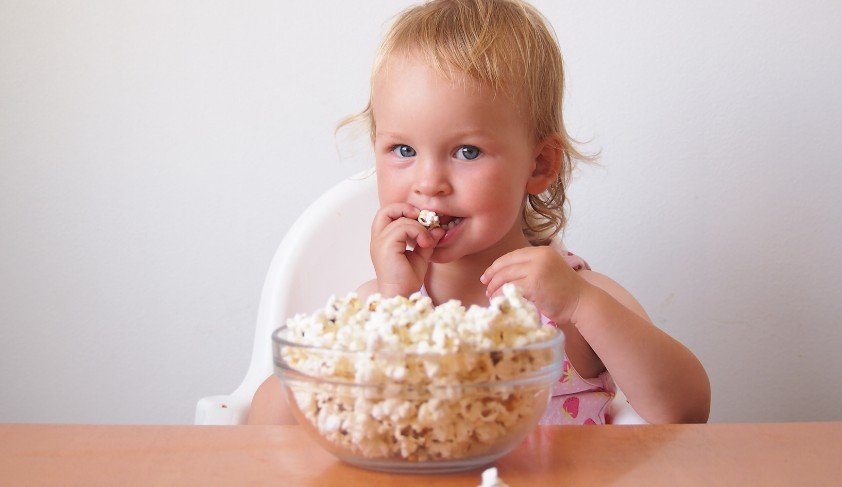
Can toddlers eat popcorn, or is it a choking risk waiting to happen? You’ve probably seen older kids munch on it at movie night, but when is it safe for your little one? This question pops up for many parents looking for fun and healthy snack options.
Popcorn may seem harmless, but it’s actually one of the top choking hazards for young children. The American Academy of Pediatrics advises against giving popcorn to kids under 4 years old. Its shape and texture make it hard for toddlers to chew and swallow safely.
Still curious about safe snack choices and when your child can finally enjoy popcorn? We’ve got all the expert-backed info to guide your decisions with confidence. So, let’s uncover what pediatricians really say about toddlers and popcorn.
Can Toddlers Eat Popcorn Safely?
When it comes to toddlers eating popcorn, caution is paramount. Popcorn is made from corn kernels that expand and puff when heated, creating a fun snack. However, these popped kernels can present a choking hazard for children under the age of 4 years old.
The American Academy of Pediatrics advises that young children should avoid foods that can easily get stuck in their lungs. A piece of popcorn, small and seemingly harmless, can quickly become a choking risk if not chewed properly.
Parents should take care to supervise their little ones while they are snacking and ensure they are old enough to chew popcorn effectively, which is typically around the age of 4.
In addition to the risk of choking, parents should also be aware of unpopped kernels, which can pose an even greater danger. These hard pieces can cause toddlers to choke or even inhale them, leading to serious airway obstruction.
While popcorn can be a great snack, it is crucial to weigh the risks carefully. If you decide to introduce popcorn to your toddler, opting for air-popped popcorn and ensuring they are seated and calm can help mitigate some of the risks. Always prioritize safety when considering what snacks are appropriate for young children.
When Can Toddlers Eat Popcorn?
When can kids eat popcorn? Determining the right age for toddlers to start eating popcorn can be challenging. Most expert pediatrics recommend waiting until your children is at least four years before introducing this snack. At this age, children typically have the molars necessary to chew popcorn properly, reducing the risk of choking.
However, every child is different, and some may be ready earlier or later than others. It’s essential to assess your toddler’s chewing abilities and readiness before introducing popcorn for the first time.
In addition, it’s a good idea to introduce popcorn gradually, starting with small amounts. Watch for any signs of discomfort or difficulty in chewing, and be mindful of their eating habits.
If your toddler has a corn allergy, it’s important to avoid popcorn altogether and consult with a pediatrician for safe snack alternatives. Remember, safety comes first, and knowing when your child can eat popcorn safely is crucial in preventing choking incidents.
What Other Snacks to Avoid for Young Children?
When it comes to feeding young children (especially under age 4), there are quite a few snacks that are best avoided — either because of choking hazards, high sugar/salt content, or poor nutritional value. Here’s a rundown of what to steer clear of:
🚫 High Choking Risk Snacks
These are especially dangerous for toddlers and preschoolers:
- Whole grapes (should be sliced lengthwise)
- Nuts and seeds (including popcorn and sunflower seeds)
- Hard candies or chewing gum
- Marshmallows (sticky and hard to chew properly)
- Chunks of meat or cheese (should be cut into very small pieces)
- Raw vegetables like baby carrots (unless shredded or cooked soft)
- Hot dogs (unless sliced into very thin strips or chopped small)
- Large spoonfuls of peanut butter (can stick to the roof of the mouth/throat)
🧁 Unhealthy Snack Foods
These offer little nutritional value and are often high in sugar, salt, or unhealthy fats:
- Chips (potato, tortilla, etc.)
- Candy and chocolate bars
- Sugary cereals
- Pastries and donuts
- Flavored rice cakes or crackers (can be high in sodium)
- Fruit snacks and gummies (even if labeled “natural” or “made with real fruit”)
- Soda or sugary drinks (including sweetened juices)
⚠️ Other Considerations
- Honey – Avoid for babies under 1 year due to risk of botulism.
- Highly processed snacks – Watch for artificial dyes, preservatives, and additives.
- “Diet” or “sugar-free” foods – May contain artificial sweeteners not suitable for young kids.
The Major choking Hazards for Kids Under 4
Understanding the major choking hazards for children under 4 is vital for every parent. Choking can occur with various types of food, and it’s essential to identify those that are particularly risky. Foods that are round, hard, or difficult to chew are often culprits.
For instance, peanuts, popcorn, and hard candies are common choking hazards that can block a child’s airway. Additionally, sticky foods like cheese or peanut butter can also pose risks, as they may adhere to the throat, making it challenging for a toddler to swallow or breathe.
Moreover, it’s important to remain vigilant during mealtime. Young children often rush to eat or play with their food, increasing the likelihood of choking. Encouraging calm eating habits, such as sitting at the table and taking small bites, can help mitigate these risks.
Being aware of potential choking hazards can empower parents to make safer food choices for their children and create a more secure eating environment. Always stay close during meals and be prepared to act quickly if a choking incident occurs.
Commonly Asked Questions about Baby Popcorn Age (FAQs)
Is popcorn a healthy snack for kids?
Popcorn can be a healthy snack for kids if air-popped and unsalted. Avoid choking hazards by serving fully popped kernels to kids over 4. Add nutrients with light seasoning.
What foods should toddlers avoid?
Toddlers should avoid choking hazards (whole nuts, grapes, popcorn), high-sugar/salty snacks, honey (risk of botulism under 1), raw milk, and processed foods. Always supervise meals.
Is popcorn healthy for kids?
Popcorn can be healthy for kids when air-popped and minimally seasoned. It’s a whole grain, high in fiber, and low in calories, making it a nutritious snack option.
Can toddlers eat popcorn safely?
While popcorn is a popular snack, it might pose risks for young toddlers due to choking hazards. It’s important to consider the age and chewing ability of your child before allowing them to eat popcorn.
What are the choking hazards for babies when eating popcorn?
Popcorn can be dangerous for young children because the kernels can get lodged in their throat, leading to aspiration. This is particularly concerning for little kids who may not chew their food thoroughly.
At what age is it safe for kids to eat popcorn?
What age can toddlers eat popcorn? Generally, children under four years old should avoid popcorn due to their immature chewers. It’s better to wait until they are older and can handle crunchy foods more safely.
What should I do if my child wants to try popcorn?
If you want to introduce popcorn to your child, consider making it at home and ensuring it is well-popped with no hard kernels. Serve popcorn in small, manageable pieces and supervise while they eat.
What are some safer alternatives to popcorn for toddlers?
If your child is young for popcorn, you can offer foods like mushy fruits, puffs, or other soft snacks that are less likely to pose choking hazards for babies and young kids.
Can popcorn cause allergy symptoms in toddlers?
While popcorn itself is not a common allergen, some children may have sensitivities to corn. If you notice any allergy symptoms after your child eats popcorn, consult your pediatrician.
How can I prevent choking when my child eats new foods like popcorn?
To prevent choking, always supervise your child while eating. Cut food into bite-sized pieces, encourage them to chew thoroughly, and choose foods that are appropriate for their age and development.
Is moderation important when introducing high-risk foods like popcorn?
Yes, moderation is key. When introducing high-risk foods, do so gradually and in small amounts. Monitor your child’s reaction and chewing ability closely during this process.
What should I know if my child has never eaten popcorn before?
If your child has never eaten popcorn, avoid introducing it too early. Ensure they are ready for crunchy textures and always be aware of the potential for choking hazards.
Final Thoughts
So, can toddlers eat popcorn without any risk? In conclusion, while popcorn can be a delightful snack for older children, it is essential to exercise caution when it comes to toddlers. The risk of choking is significant, particularly for kids under the age of 4, making it crucial to evaluate whether your child is ready to chew and swallow popcorn safely. Alternatives to popcorn should be explored, especially for younger children, to ensure they are consuming safe snacks that promote healthy eating habits.
As a parent, it is your responsibility to stay informed about the potential choking hazards associated with various foods. By understanding which snacks are appropriate and when to introduce them, you can help prevent choking incidents and ensure a safe eating experience for your little ones. Always prioritize safety, and consider consulting with a pediatrician for personalized advice on feeding and nutrition for your toddler.
Recommended posts
- Best Vegetables for Toddlers That Are Easy to Cook & Fun to Eat
- 25 Yummy Toddler Dinner Ideas: (Quick & Healthy Meals)
- 15 Easy Toddler Meals Ideas Even Picky Eaters Will Love!