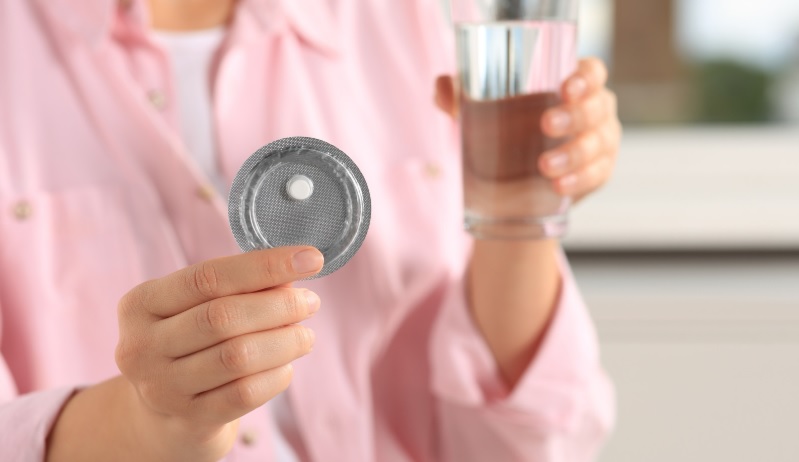
Can Plan B cause you to be infertile? It’s a concern many have after taking emergency contraception multiple times. Is this pill, meant to prevent pregnancy, secretly damaging your long-term reproductive health? Let’s clear the air and separate myth from reality.
Plan B does not cause infertility. It works by delaying ovulation, not damaging reproductive organs. According to experts like Dr. Jennifer Wu, OB-GYN at Lenox Hill Hospital, it’s safe and doesn’t affect your future fertility.
But there’s more you need to know before trusting every headline. We’ll dig into how Plan B works, what science says, and why the fear around it exists. So, let’s unravel the truth behind this widely used emergency contraceptive pill.
Can Plan B Cause You to Be Infertile?
Numerous studies have indicated that Plan B does not cause infertility or affect future fertility. The primary function of this emergency contraception is to prevent pregnancy by delaying ovulation or inhibiting fertilization after unprotected intercourse.
When taken within 72 hours of unprotected sex, Plan B can significantly reduce the chance of getting pregnant. Importantly, the hormonal components of Plan B do not have a long-term impact on the menstrual cycle or fertility, meaning that individuals can continue to conceive normally after using this method of birth control.
Moreover, experts emphasize that taking Plan B as directed does not have lasting effects on reproductive health. It is a safe and effective option for individuals needing to prevent pregnancy after unprotected sex.
While some may be concerned about the potential for Plan B to make you infertile, the evidence suggests otherwise. For those worried about the side effects, it is essential to consult with a healthcare provider to better understand how this emergency contraceptive works and its implications for future fertility.
Emergency Contraception: Dispelling the Myths
Emergency contraception, including Plan B, is often surrounded by misconceptions that can lead to unnecessary fear regarding its use. One of the most prevalent myths is that taking Plan B can lead to infertility. However, research consistently shows that this is not the case.
Many individuals may confuse emergency contraceptives with regular birth control methods, which are designed for ongoing use and have different side effects. It is important to clarify that while Plan B is effective in preventing pregnancy after unprotected sex, it does not affect fertility in the long run.
Another myth that needs dispelling is the idea that emergency contraception like Plan B can interrupt an already established pregnancy. In reality, Plan B works primarily by preventing ovulation and does not have an effect on an existing pregnancy.
Understanding these facts is crucial for making informed decisions about reproductive health. It is advisable to consult reliable sources or healthcare professionals for accurate information on emergency contraception and its role in preventing pregnancy without impacting future fertility.
Contraceptives in Fertility Treatment:
Contraceptives play a significant role in fertility treatment, particularly in managing conditions such as polycystic ovary syndrome (PCOS) and endometriosis. Hormonal birth control pills are often prescribed to regulate menstrual cycles and promote regular ovulation, which can enhance the chances of getting pregnant later on.
In such cases, the use of contraceptives is a strategic approach to prepare the body for conception rather than causing infertility. Utilizing birth control in this way can help individuals achieve a healthier reproductive environment.
Additionally, IUDs (intrauterine devices) are another form of birth control that can be used in conjunction with fertility treatments. While they are primarily a method of preventing pregnancy, they can also help in regulating hormone levels and uterine lining, which may be beneficial for future fertility.
It is essential to view contraceptive methods not solely as a means to prevent pregnancy but also as tools that can aid in optimizing reproductive health and supporting fertility treatments.
Chances of Getting Pregnant by Age
The chances of getting pregnant can vary significantly by age, with fertility typically peaking in the twenties and gradually declining as women age. Statistics suggest that women in their early twenties have a higher probability of conceiving within a year of trying than those in their late thirties or early forties.
Factors such as ovulation regularity and overall reproductive health can directly impact the likelihood of getting pregnant. Understanding the relationship between age and fertility is essential for individuals planning their families.
Women may also consider how their contraceptive choices, including emergency contraception like Plan B, fit into their reproductive goals. For younger individuals, the use of emergency contraceptives can provide peace of mind after unprotected sex, while older individuals may need to evaluate their fertility options more carefully.
Consulting with healthcare providers can help individuals understand their fertility potential and make informed decisions about contraception and family planning.
Commonly Asked Questions about Plan B and fertility (FAQs)
Does emergency contraception affect fertility?
No, emergency contraception does not affect long-term fertility. It works by delaying ovulation or preventing a fertilized egg from implanting, but it doesn’t harm future chances of pregnancy.
Can the morning-after pill make you infertile?
No, the morning-after pill used to prevent pregnancy does not cause infertility. It temporarily delays ovulation but doesn’t affect long-term fertility. Effects are short-term, and normal cycles resume quickly.
Can Plan B make you infertile?
Emergency contraception pills like Plan B do not cause infertility. They work by delaying ovulation but don’t affect long-term fertility. Normal cycles return after one use.
Does Plan B affect fertility?
Plan B does not affect long-term fertility. It’s emergency contraception, not long-term birth control. Plan B contains levonorgestrel, which prevents ovulation but doesn’t impact future pregnancy chances.
Can taking Plan B affect my fertility in the long term?
No, Plan B does not affect fertility. It is a form of emergency contraception that works to prevent a potential pregnancy without impacting your future ability to conceive.
What is Plan B and how does it work as a type of emergency contraception?
Plan B, also known as the morning after pill, contains levonorgestrel, which is effective at preventing pregnancy by delaying ovulation and preventing the fertilization of a sperm.
If I take Plan B, should I still take a pregnancy test later?
Yes, if your next period is more than a week late after taking Plan B, it is recommended to take a pregnancy test to ensure that you are not pregnant.
How soon should I take Plan B for it to be effective?
The sooner you take Plan B, the more effective it is at preventing pregnancy. It is recommended to take it within 5 days after unprotected sex.
Are there any long-term side effects of using Plan B?
Plan B is safe and does not have long-term side effects. It is not a form of birth control and should not be used as a regular contraceptive method.
Does Plan B have an effect on future fertility?
Plan B does not affect your fertility. It is designed to be a temporary solution and does not impact the release of an egg or your overall reproductive health.
Is Plan B as effective as regular birth control methods?
Plan B is less effective than regular forms of birth control, such as the birth control pill or IUD, and should only be used in emergency situations, not as a regular contraceptive method.
Can Plan B cause infertility?
No, Plan B does not cause infertility. It does not affect your ability to conceive in the future, as it only works to prevent a pregnancy after unprotected intercourse.
What should I do if I experience side effects after taking Plan B?
While side effects are generally mild and temporary, if you have concerns or experience severe side effects, it is best to consult a healthcare provider for guidance.
Can I use Plan B if I’ve been using another form of birth control?
Yes, you can use Plan B even if you are on another form of birth control. It serves as an emergency measure in case of contraceptive failure or unprotected sex.
Conclusion
Can taking plan b make you sterile? In conclusion, the evidence suggests that Plan B does not cause infertility or negatively impact future fertility. This emergency contraceptive is primarily designed to prevent pregnancy after unprotected sex and works effectively when taken within the appropriate time frame. Misconceptions about its effects on reproductive health can lead to unnecessary anxiety, but understanding its true function is crucial for individuals considering its use. As with any method of birth control, consulting healthcare professionals can provide clarity and guidance on maintaining reproductive health.
Ultimately, individuals should feel empowered to make informed decisions regarding their reproductive health without fear of long-term consequences from emergency contraception. The key is to recognize that methods like Plan B serve a specific purpose in preventing pregnancy, and they do not interfere with the ability to conceive in the future. By dispelling myths and understanding the facts, individuals can approach their fertility with confidence and clarity.
You might also like
- How to Boost Fertility in Your 30s? Naturally and Safely
- Maximum Delay in Periods If Not Pregnant (Here’s What to Do)
- Are Painful Periods a Sign of Good Fertility (Myths & Facts)
- How Soon After Tubal Reversal Can I Try to Conceive (Tested)
- How to Get Pregnant Easy with PCOS (Tips That Actually Work)
- Does Plan B Work During Ovulation! (Is It Still Effective?)
- Success Rate of Morning After Pill During Ovulation (Tested)