
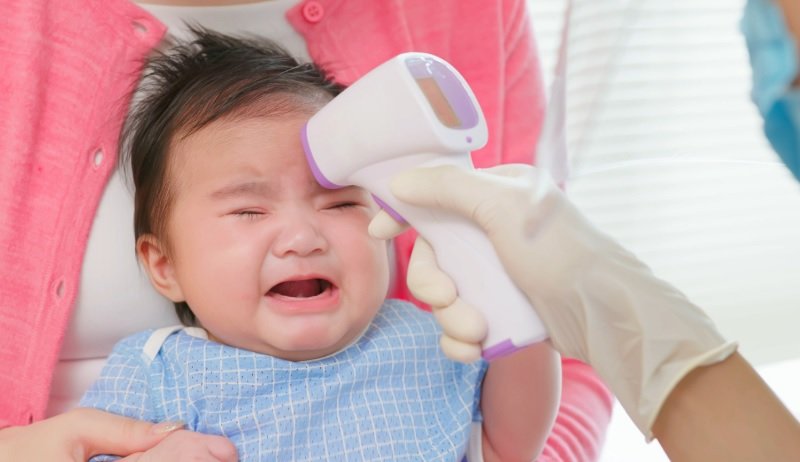
Can a baby have an ear infection without fever? Many parents link fever with illness, but what if your little one shows no temperature spike and still seems uncomfortable? Could that fussiness or constant ear tugging signal something deeper? Understanding this can save parents from worry and help babies get the right care faster.
A baby can have an ear infection without fever. In fact, mild or early-stage ear infections sometimes develop without raising body temperature. Pediatric specialists, including those from the American Academy of Pediatrics, explain that symptoms like irritability, fluid from the ear, or trouble sleeping may appear even in the absence of fever. This article breaks down why this happens, the signs to watch for, and how doctors diagnose it.
But what exactly causes ear infections without fever, and how can you spot them before they worsen? Dr. Laura Jana, a renowned pediatrician and parenting expert, emphasizes early detection as the key to faster recovery. So, let’s dive into the science, symptoms, and smart parenting tips that will help you recognize an ear infection—even when your child complaining of ear pain no fever.
Can A Baby Have an Ear Infection Without Fever?
Yes, a baby can have an ear infection without showing any signs of fever. While fever is a typical immune response to infection, not all babies develop it. In some cases, their immune system may respond differently, or the infection might be mild or localized, producing symptoms that are easy to overlook.
An ear infection, also called otitis media, occurs when fluid builds up behind the eardrum, often as a result of a cold, allergies, or sinus congestion. This trapped fluid can become infected with bacteria or viruses, causing inflammation and discomfort.
When there’s no fever, it’s easy to assume that nothing serious is wrong. However, untreated ear infections—especially recurrent or “silent” ones—can affect hearing, speech development, and overall comfort. Some infants may cry more than usual, tug at their ears, or have trouble sleeping, even if their temperature is completely normal.
According to pediatricians, fever-free ear infections are particularly common in:
- Babies under six months, whose immune systems are still developing.
- Children recently on antibiotics (which may mask symptoms).
- Infants with chronic allergies or fluid buildup in the middle ear.
Recognizing these subtle signs is essential for early intervention and avoiding complications like hearing loss or delayed speech milestones.
What Is a Silent Ear Infection in a Baby?
A silent ear infection (also known as a subclinical ear infection) refers to a middle ear infection that develops without classic symptoms such as fever, intense crying, or noticeable ear pain. These infections may go undetected for weeks or even months.
Why It’s Called “Silent” Ear Infection Symptoms Toddler No Fever?
The term “silent” is used because the infection doesn’t present obvious outward signs. Parents might not notice anything wrong until the baby becomes irritable, doesn’t respond well to sounds, or struggles with feeding or sleeping.
Causes of Silent Ear Infections
Silent infections can develop due to:
- Eustachian tube dysfunction – The small tubes connecting the middle ear to the nose and throat are shorter and more horizontal in babies, making drainage difficult.
- After a cold or upper respiratory infection – Residual fluid remains in the ear, becoming a breeding ground for bacteria.
- Allergies – Nasal congestion can block proper drainage.
- Exposure to secondhand smoke – Increases the risk of chronic ear infections.
Symptoms to Watch For
Although your baby might not have a fever, they may still show subtle indicators of discomfort:
- Tugging or rubbing the ear.
- Increased fussiness or irritability, especially at night.
- Fluid or discharge from the ear.
- Trouble hearing or not responding to sounds.
- Poor balance or frequent falls (in older babies).
- Decreased appetite or difficulty sucking during feeding.
Recognizing these quiet clues can make a significant difference in catching an ear infection before it leads to more serious complications.
How Can You Check Your Baby’s Ear Infection at Home?
Checking for an ear infection at home can be challenging since the symptoms are often non-specific, and you cannot directly see the middle ear without medical instruments. However, parents can perform a few safe observation techniques to determine if a doctor’s visit is necessary.
1. Watch for Behavioral Changes
If your baby suddenly becomes unusually fussy, cries during feeding, or wakes frequently at night, it may be a sign of ear discomfort. Babies often feel increased ear pressure when lying down, which can worsen pain.
2. Observe Ear Tugging or Rubbing
Constant tugging, scratching, or rubbing of one or both ears is a common clue. While babies sometimes do this out of habit, persistent behavior combined with other symptoms suggests discomfort.
3. Check for Fluid or Odor
If you notice any clear, yellow, or milky discharge from the ear, or an unpleasant odor, it may indicate an ear infection or a ruptured eardrum. This requires immediate medical attention.
4. Pay Attention to Balance or Hearing
Babies with ear infections may appear clumsy or unsteady when sitting or crawling. If your baby doesn’t respond to your voice or familiar sounds, it could indicate fluid affecting hearing.
5. Use a Digital Ear Thermometer
Even without fever, it’s helpful to check both ears for subtle temperature differences. A warmer ear may indicate inflammation.
While these signs can guide you, only a pediatrician can confirm an ear infection through an otoscopic examination, which allows them to see behind the eardrum for redness, bulging, or trapped fluid.
Remember: In most cases, antibiotics aren’t necessary for ear infections, as otitis media often get better without them. While homeopathic or natural remedies may be tempting, Tunkel cautions that they lack sufficient research.
Does a Child Always Get a Fever with an Ear Infection?
No, a child does not always get a fever with an ear infection. Fever occurs when the body’s immune system produces chemicals (pyrogens) to fight infection by raising the body’s temperature. However, several factors influence whether a fever develops depending on the type of ear infection:
1. The Type of Pathogen
- Viral infections often cause fever as part of the immune response.
- Bacterial infections may or may not trigger a fever, depending on the strain and immune sensitivity.
2. The Child’s Age and Immunity
Younger babies or those with developing immune systems may have weaker fever responses, meaning the infection could advance without the usual rise in temperature.
3. Medications
If your baby recently took antibiotics or fever reducers (like acetaminophen), these can mask or suppress fever even while the infection persists.
4. Chronic or Mild Infections
In recurrent or low-grade infections, the inflammation may be too mild to cause a systemic fever.
Why This Matters
Many parents and caregivers rely solely on temperature checks to gauge illness severity. However, the absence of fever does not mean the absence of infection. If your baby shows other symptoms like irritability, ear pulling, or reduced appetite, it’s worth consulting a pediatrician even if their temperature is normal.
What Can Be Mistaken for an Ear Infection in Babies?
Several conditions can mimic the signs of an ear infection, making diagnosis tricky—especially when fever is not present. Understanding these lookalikes can prevent unnecessary antibiotic use and ensure your baby receives the right care.
1. Teething
Teething pain often causes ear tugging or cheek rubbing because nerves in the jaw and ear are interconnected. However, teething typically doesn’t cause ear fluid buildup or persistent irritability.
2. Common Cold or Sinus Congestion
Congestion from a cold can create pressure in the ears, leading to temporary discomfort that resembles an ear infection.
3. Earwax Buildup
A blockage of wax can irritate the ear canal, causing tugging and mild discomfort without infection.
4. Swimmer’s Ear (Otitis Externa)
Unlike middle ear infections, swimmer’s ear affects the outer ear canal. Symptoms include redness, itching, and pain when touching the outer ear.
5. Sore Throat or Tonsillitis
Pain from a sore throat or tonsil inflammation can radiate to the ears, leading parents to suspect an ear infection.
6. Allergies
Nasal congestion from allergies can cause fluid buildup behind the eardrum, resulting in pressure or mild discomfort without true infection.
Because these conditions overlap in symptoms, only a professional examination can confirm whether your baby truly has an ear infection.
Common Questions about Ear Infection in Baby with No Fever (FAQs)
Can a baby have an ear infection without fever?
Yes, a baby can have an ear infection without a fever. While fever is a common symptom associated with ear infections, not all children will exhibit this sign. It’s essential to observe other symptoms, such as irritability, trouble sleeping, or pulling at the ear, which may indicate an ear infection even in the absence of fever.
What are the common symptoms of an ear infection in babies and toddlers?
The symptoms of an ear infection in infants and toddlers may include ear pain, fussiness, difficulty sleeping, pulling at the ears, fluid drainage from the ear, and a decreased appetite. Some children may also experience vomiting or diarrhea, which can accompany the infection.
What causes ear infections in young children?
Ear infections often caused by bacteria or viruses that infect the parts of the middle ear. Conditions such as colds, allergies, or sinus infections can lead to swelling and fluid buildup in the eustachian tubes, increasing the risk of ear infections in young children.
How can I prevent my child from getting ear infections?
To prevent ear infections, it’s advisable to avoid exposing your child to secondhand smoke, keep them up to date with vaccinations, and encourage breastfeeding, as breast milk can provide essential antibodies. Additionally, ensuring your child is positioned upright during feedings can help reduce the risk of fluid buildup in the ears.
When should I call the doctor about my child’s ear infection?
If your child has persistent symptoms that cause ear pain that does not improve within a couple of days, a high fever, or if they appear lethargic, it’s important to call your doctor. They can evaluate the situation and determine whether an appointment is necessary for treatment.
What treatments are available for ear infections?
Treatment for ear infections may include over-the-counter pain relievers like ibuprofen for managing discomfort. In some cases, if the infection does not improve, your doctor may prescribe an antibiotic. It’s important to follow your healthcare provider’s guidance on treatment options based on the severity of the infection.
Do ear infections go away without treatment?
Many ear infections can go away without treatment, particularly if they are viral in nature. However, bacterial infections may require antibiotics to clear completely. Generally, if symptoms persist for more than three days or worsen, it’s advisable to seek medical attention.
What are the complications of untreated ear infections?
If left untreated, ear infections can lead to complications such as hearing loss, speech delays, or the spread to the middle ear infection to nearby structures, including the inner ear or the surrounding tissues. In rare cases, surgical intervention may be required. Regular check-ups with an otolaryngologist can help manage and monitor ear health in children.
Conclusion
So, Can A Baby Have an Ear Infection Without Fever? Absolutely. Babies can—and often do—develop ear infections without showing elevated body temperatures. This can make detection challenging, but by paying attention to subtle behavioral changes, ear pulling, sleep disturbances, or discharge, parents can catch infections early and seek timely treatment.
Never rely solely on fever as an indicator of illness. When in doubt, consult your pediatrician. They can perform a quick and painless examination to confirm whether an infection is present and recommend the appropriate treatment—often simple, effective, and crucial for protecting your child’s hearing and comfort.
Ultimately, staying observant and proactive helps ensure that your baby remains healthy, happy, and free from complications associated with undiagnosed ear infections.
Related posts
- How to Prevent Ear Infection in Children? (What Really Works)
- 7 Early Warning Signs Newborn Has Ear Infection (Must-Read)
- Can Infant Ear Infections Cause Hearing Loss: Myths Vs Facts
- Infant Grabbing Ear – What It Means and When to Worry?
- Infant Ear Piercing Infection – How Serious Can It Be?
- Is Ear Pain Due to Cold or an Ear Infection? (Quick Relief)
- Is it Teething or Ear Infection? (The Key Differences)

