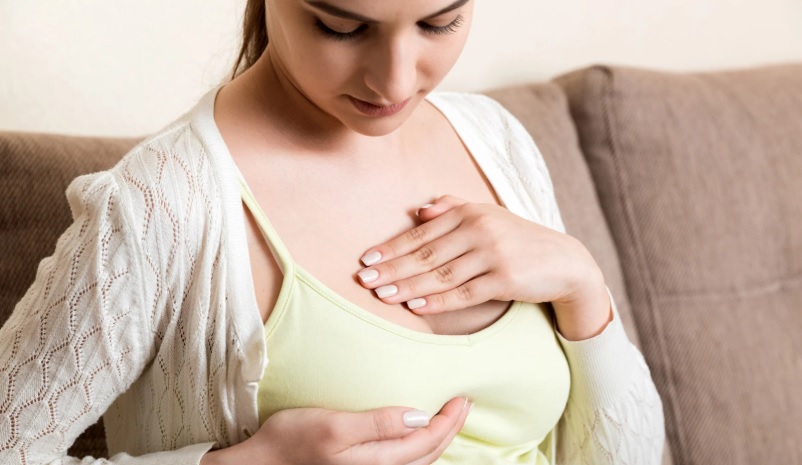
Is breast soreness during ovulation a sign of pregnancy? Many women experience breast tenderness mid-cycle and wonder if it’s more than just ovulation. Could this common symptom actually be an early clue that you’ve conceived? Let’s uncover the truth behind what your body might be signaling.
Is it normal to have sore boobs after ovulation? Breast soreness during or after ovulation is usually caused by hormonal shifts, not pregnancy. Rising estrogen and progesterone levels can trigger tenderness even when you’re not pregnant.
Dr. Taraneh Shirazian, OB-GYN and founder of Mommy Matters, explains that while breast pain can occur in early pregnancy, it typically appears after implantation—not during ovulation.
Still unsure what your symptoms mean? There’s more to understanding your body’s signals than just timing. Stick with us as we explore how to tell the difference between ovulation signs and early ovulation symptoms — with advice backed by leading experts.
What is Cyclical Breast Pain?
Cyclical breast pain, also known as mastalgia, refers to discomfort in the breast tissue that correlates with the menstrual cycle. This type of breast pain often occurs due to hormonal changes, particularly fluctuations in estrogen and progesterone levels.
Typically, women experience this discomfort around ovulation and may notice an increase in breast tenderness as they approach their menstrual period. The pain can be localized to certain areas or encompass the entire breast, and it can also extend to the nipples, causing sore nipples that may feel sensitive to touch.
This cyclical breast pain is not uncommon and is often characterized by a dull ache or throbbing sensation. Women may find that their boobs soreness varies in intensity, sometimes feeling more severe during certain cycles.
While cyclical breast pain is primarily linked to hormonal changes, it is crucial to differentiate between normal breast discomfort and symptoms that may require medical attention, such as persistent pain or changes in breast tissue that could be indicative of breast cancer.
Understanding these patterns helps to manage expectations and prepare for the potential discomfort associated with hormonal shifts throughout the menstrual cycle.
Can Ovulation Cause Sore Nipples?
Yes, ovulation can indeed cause sore nipples as a result of hormonal changes occurring in the body. During ovulation, the body experiences a surge in luteinizing hormone and estrogen, which can lead to breast tenderness.
This tenderness often extends to the nipples, causing soreness that may be noticeable when touched or stimulated. Many women report that their nipples feel particularly sensitive around this time, which is a common symptom of ovulation.
Is Breast Soreness During Ovulation a Sign of Pregnancy?
Breast soreness during ovulation is not necessarily a definitive sign of pregnancy, but it can be an early pregnancy symptom if it occurs alongside other indicators. As the body prepares for potential pregnancy, hormonal fluctuations, particularly increases in progesterone, can lead to breast tenderness.
This tenderness may mimic the sensations felt during ovulation, making it challenging to distinguish between the two. Therefore, while breast soreness can occur during ovulation, it is essential to consider other symptoms such as missed periods or changes in basal body temperature for a more accurate assessment of pregnancy.
Women who experience breast soreness after ovulation, particularly if they notice a significant change in tenderness or if it lasts longer than usual, may want to take a pregnancy test. Early pregnancy symptoms can vary greatly among individuals, but breast discomfort remains a common experience.
If breast pain is severe or accompanied by unusual symptoms, contacting a healthcare provider is recommended to rule out any underlying issues. Recognizing the nuances of breast tenderness during ovulation and pregnancy can aid in understanding one’s reproductive health.
How Breast Pain is Related to the Menstrual Cycle?
Breast pain is closely linked to the menstrual cycle due to the hormonal changes that occur throughout the month. In the follicular phase, estrogen levels rise, leading to increased blood flow and changes in breast tissue, which can cause tenderness. As ovulation approaches, the surge of luteinizing hormone and further estrogen fluctuations may exacerbate this discomfort.
After ovulation, progesterone levels increase, which can also contribute to breast soreness. This cyclical pattern of hormonal changes is responsible for the common experience of breast tenderness during different phases of the menstrual cycle.
Understanding how breast pain correlates with the menstrual cycle helps women anticipate when they may experience discomfort. Many find that breast tenderness is most pronounced just before the start of their period, aligning with the luteal phase, when hormonal levels peak.
Tracking these symptoms can also provide valuable information for women trying to conceive, as they can identify patterns that may indicate ovulation or changes in their reproductive health. Additionally, recognizing when breast pain becomes unusual or severe can guide decisions about seeking medical advice and monitoring overall well-being throughout the menstrual cycle.
How to Treat Sore Breasts?
Treating boobs sore ovulation often involves a combination of lifestyle changes and over-the-counter remedies. For mild breast tenderness, pain relievers such as ibuprofen or acetaminophen may provide relief.
Wearing a supportive bra can also help alleviate discomfort, particularly during physical activities. Additionally, applying warm or cold compresses can soothe sore breasts, providing a gentle way to manage pain.
For women experiencing cyclical breast pain, maintaining a healthy lifestyle can also make a difference. Regular exercise, a balanced diet, and managing stress levels can help regulate hormonal fluctuations that contribute to breast tenderness.
If breast soreness persists or worsens, consulting a healthcare provider is essential to explore other treatment options or investigate underlying conditions. Understanding the various ways to treat sore breasts can empower women to take control of their health and find relief from this common discomfort.
Commonly Asked Questions about Causes of Breast Pain (FAQs)
Why do my breasts hurt during ovulation?
Breast pain during ovulation is caused by hormonal changes, mainly a surge in estrogen and luteinizing hormone, which increase breast tissue sensitivity and fluid retention, leading to tenderness or discomfort.
Are sore nipples a sign of ovulation or Pregnancy?
Sore nipples can be a sign of both ovulation and early pregnancy. Ovulation soreness is temporary, while pregnancy-related breast and nipple sensitivity tends to persist and intensify with time.
Is breast tenderness an early sign of pregnancy?
Yes, breast tenderness is a common early sign of fertility due to rising progesterone and estrogen levels, causing swelling, sensitivity, and changes in breast tissue within the first weeks.
How long will ovulation nipple pain last?
Ovulation nipple pain usually lasts 1 to 3 days, aligning with the ovulation window. It fades as hormone levels stabilize after the egg is released and the fertile period ends.
What are other pregnancy symptoms after ovulation?
Other pregnancy symptoms after ovulation include fatigue, mild cramping, implantation spotting, frequent urination, nausea, and mood swings. These signs may appear 6–12 days post-ovulation if conception occurred.
Is Breast/chest pain common?
Yes, breast or chest pain is common and often hormone-related. It can occur with menstrual cycles, pregnancy, or due to benign causes like cysts, injury, or muscle strain.
What kind of breast soreness indicates pregnancy?
Pregnancy-related breast soreness feels heavy, swollen, and sensitive, especially around the nipples. The tenderness is persistent and often accompanied by darker areolas and visible breast veins.
Why are breasts sore during pregnancy?
Breasts are sore during pregnancy due to rising estrogen and progesterone, which enlarge breast milk ducts and increase blood flow. This prepares the body for breastfeeding, causing tenderness and fullness.
How to tell if sore nipples are a sign of pregnancy or ovulation
Pregnancy nipple soreness persists and worsens, often with darkening areolas. Ovulation soreness is shorter and milder. Timing and accompanying symptoms help differentiate between the two causes.
What is ovulation pain (mittelschmerz pain)?
Ovulation pain, or mittelschmerz, is a mild to sharp pain on one side of the lower abdomen during ovulation. It’s caused by the egg’s release from the ovarian follicle.
How is breast pain (mastalgia) related to ovulation?
Breast pain during ovulation is due to rising estrogen levels, causing fluid retention and tissue sensitivity. This cyclical mastalgia typically peaks around ovulation and eases shortly after.
How to know if your breast pain is cyclical?
Cyclical breast pain follows your menstrual cycle, peaking before periods or during ovulation. It affects both breasts, feels dull or heavy, and improves once hormone levels drop.
What are the side effects of the birth control pill?
Common birth control pill side effects include nausea, headaches, breast tenderness, spotting, and mood changes. Serious risks like blood clots are rare but possible. Consult your lactation consultant for concerns.
What does breast soreness indicate?
Breast soreness can indicate hormonal changes, baby latch, pregnancy, or PMS—not a yeast infection, which affects skin folds, not breast tissue. Persistent pain should be evaluated by a doctor.
Does breast tenderness mean ovulation is coming?
Breast tenderness can signal approaching ovulation due to hormonal shifts. Combined with increased cervical mucus, it often indicates fertile days, but track other symptoms for accuracy.
Conclusion
In summary, breast soreness during ovulation can be a common experience linked to hormonal changes throughout the menstrual cycle. While it is not a definitive sign of pregnancy, it can be associated with the early symptoms of pregnancy when accompanied by other indicators. Recognizing the relationship between breast pain, ovulation, and the menstrual cycle can help women navigate their reproductive health more effectively. By understanding the causes of ovulation sore boobs and exploring boobs sore ovulation treatment options, women can better manage their symptoms and maintain their overall well-being.
You might also like
- 7 Clear Signs of High Fertility in a Woman (Shouldn’t Miss)
- What Is DPO in Pregnancy and Why Early Detection Matters
- Is It Normal to Have Irregular Periods While Breastfeeding?
- How Long Do Your Breasts Stay Sore After Ovulation (Solved)
- 7 Dpo Pregnancy Test: Accuracy, Symptoms & What to Expect?
- Can a Prolapse Be a Sign of Ovarian Cancer: (Signs Shouldn’t Ignore)
- Is Feeling Cold in Early Pregnancy Normal? What Doctors Say