
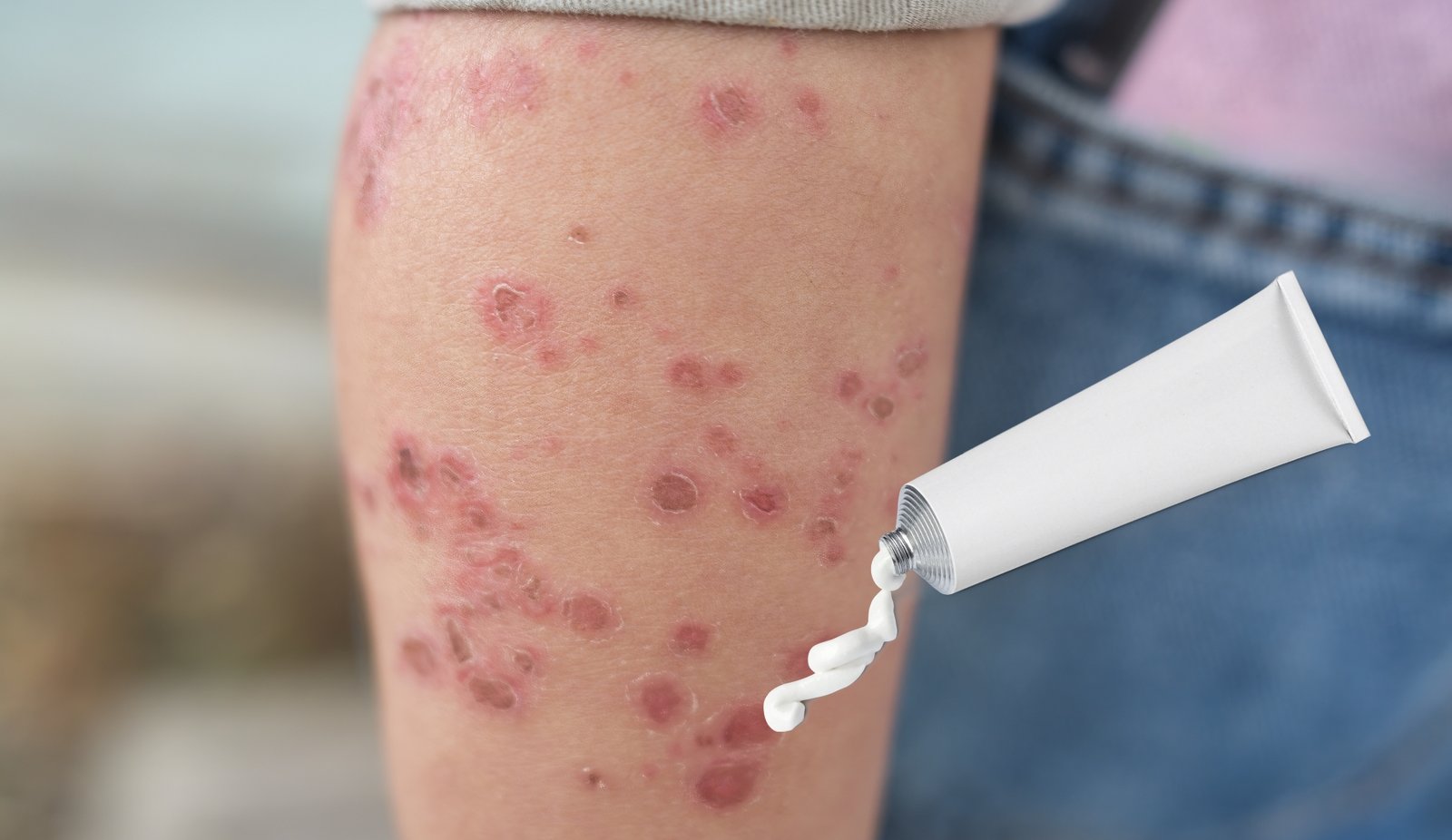
Have you ever wondered what the best ointment for Hand Foot and Mouth Disease (HFMD) is, especially when those painful rashes and blisters make every touch unbearable? Parents and caregivers often struggle to find fast, safe relief for their little ones. But is there really an ointment that soothes irritation, reduces pain, and speeds up healing effectively?
Experts suggest that ointments containing zinc oxide, calamine, or mild antiseptics work best for easing HFMD discomfort. Dermatologists like Dr. Andrea Suarez (known as Dr. Dray) highlight the importance of using soothing, non-steroidal creams that calm inflammation while protecting the skin barrier. In this article, you’ll discover the top-rated ointments, their active ingredients, and expert-backed tips for faster recovery.
But that’s not all — there’s more than just one formula that stands out in treating HFMD blisters effectively! So, let’s dive deeper and uncover which ointments truly deserve the title of “Best Cream for Hand Foot and Mouth Disease” according to both science and dermatology experts.
What Is the Best Cream to Use for Hand, Foot, and Mouth?
When it comes to treating HFMD, it’s important to understand first what type of “cream” or topical agent we’re talking about. The disease is a viral infection (commonly caused by Coxsackie A16 or Enterovirus 71) that leads to blisters and sores on the hands, feet, and inside the mouth.
From the available guidance:
- There is no one cream or antiviral ointment that “cures” HFMD. Treatments are supportive and symptomatic.
- That said, certain topical creams or ointments can aid comfort, protect the skin, prevent secondary infection and promote healing of blistered areas.
What to look for in a “good cream” for HFMD:
- A barrier-type ointment that protects the blistered skin (hands/feet) such as zinc oxide or petroleum-based protection.
- A mild soothing topical for skin-blister areas with minimal additives (fragrance-free, non-irritating).
- For open or broken blisters (rare but possible) an antiseptic or antibiotic ointment may be used under guidance.
- Note: For mouth sores, topical gels may be used, but they require extra caution in children.
My recommendation:
Use a simple, gentle barrier ointment (e.g., zinc-oxide or petroleum jelly) on the hands/feet blistered areas to protect the skin. For mouth sores or painful oral lesions, a separate oral gel may help. Always check age-appropriateness, and consult your medical provider.
The Best Ointment for Hand Foot and Mouth Disease That Work
Given the above, while we can’t promise one ointment that works “magically fast,” we can highlight what’s regarded as best practice and which products come closest in delivering relief.
Recommended Ointment Types:
- Zinc Oxide Barrier Ointment – Excellent for skin blister protection on hands, feet, and other rash-areas. It soothes, reduces friction, helps drying of vesicles. One parent-care resource notes “topical ointments such as zinc oxide … to protect and heal blisters.”
- Petroleum Jelly (100% petrolatum) – For covering painful blister areas, preventing further irritation from clothing or movement. Supportive dermatology sources suggest unscented moisturizing creams or petroleum jelly for the skin lesions.
- Antibiotic Ointment (for broken blisters) – If a blister ruptures and risk of secondary infection emerges, a thin layer of antibiotic ointment (e.g., bacitracin or neomycin-based) may be applied. According to a care guide: “If any of the blisters pop, apply a small amount of antibiotic ointment (such as Neosporin or Bacitracin) and … cover it.”
- Topical Oral Gel for Mouth Sores – For the painful mouth ulcers, gels like lidocaine gel or benzydamine may relieve pain (though evidence is weaker). The article at Patient.info lists lidocaine gel and benzydamine spray as possible treatments for mouth ulcers.
Which is “Best”?
If I had to pick one best ointment to have handy: go with a zinc-oxide barrier ointment for the skin blister areas, paired with a pure petroleum jelly for extra protection and comfort. Then use a separate recommended oral gel for inside the mouth if needed.
How to apply properly:
- Clean gently the affected area (palms / feet) with mild soap and pat dry.
- Apply a thin layer of zinc-oxide ointment to each blistered or rash area.
- If the skin is broken or a blister has popped, maintain hygiene and consider applying antibiotic ointment only if recommended by a healthcare provider.
- For mouth sores: ensure the topical gel is approved for the patient’s age, follow dosing instructions and avoid swallowing unless specified.
Important caveats:
- Avoid using topical corticosteroids as a first-line on HFMD blister-areas unless a dermatologist/pediatrician specifically recommends it. Some sources raise caution about suppressing immune response.
- Always monitor for signs of infection, dehydration, or worsening symptoms.
What Is the Fastest Cure for Hand Foot and Mouth Disease?
It’s a question many parents ask: “What’s the fastest cure?” The brief answer: There is no cure per se, but speed of recovery can be supported.
Why there’s no specific cure:
- HFMD is caused by a virus. Antibiotics don’t work against viruses.
- No widely approved specific antiviral or vaccine (in many countries) is available for general use.
- The disease is self-limiting in otherwise healthy individuals, typically resolving in 7-10 days.
What helps make it go faster:
- Prompt hydration: Ensuring adequate fluid intake helps the body clear the virus and mitigates complications (especially if mouth sores make swallowing painful).
- Pain and fever management: Using age-appropriate analgesics (acetaminophen or ibuprofen) relieves discomfort so the individual can eat, drink, and rest better.
- Skin and mouth supportive care: As discussed, using barrier ointments, oral gels, soft diet helps reduce the symptomatic burden so the patient recovers more comfortably.
- Rest and good hygiene: Reducing strain and minimizing spread/recurrence helps the immune system recover.
- Avoiding complications: Dehydration, secondary bacterial infection, or severe virus strains can delay recovery. So recognizing warning signs early matters. Realistic timeline:
Most cases improve significantly by days 5-7, and clear by days 7-10 if uncomplicated. Some individuals may peel or have residual rash beyond that.
Bottom line: Use supportive care aggressively, monitor closely, but understand the illness must run its natural course.
What Gel Is Good for Hand Foot Mouth Disease?
When we talk about “gel,” we often mean topical gels used for mouth ulcers (rather than hand/foot blisters). Here’s what you should know.
Good oral gels for HFMD mouth lesions:
- Lidocaine gel: A local anaesthetic gel that may temporarily relieve painful oral ulcers. According to DermNet and Patient.info, lidocaine gel can be used.
- Benzydamine spray or mouthwash: A non-steroidal anti-inflammatory/analgesic mouth spray. For older children/adults.
- Choline salicylate gel (e.g., Bonjela®): Mentioned in some sources, but caution: not for children under 16 years and contraindicated in pregnancy.
How to use:
- Ensure the patient’s age is appropriate for the product. For example, many gels are not safe under certain ages.
- Apply the gel after meals and before drinking or eating for maximum effect.
- Ensure the child can safely spit out or swallow (if the gel allows) without choking.
- Monitor for relief of pain and improved oral intake (a key outcome).
Gel use caution:
- These gels do not treat the virus, only relieve symptoms.
- For children, always follow pediatric advice before using local anaesthetic gels (risk of choking or absorption).
- Avoid unapproved products or improvising with strong anaesthetics.
Gel vs. Ointment:
- Gel = for oral/mucosal use (mouth/tonsils)
- Ointment = for skin/hands/feet blister care
Use them together as needed for full-site coverage.
Medications not Recommended for Hand-Foot-Mouth Disease
It’s just as important to know what not to use, so you avoid possible harm or delay in recovery.
Medications and treatments to avoid:
- Antibiotics for routine HFMD: As the cause is viral, antibiotics do not target the virus. Only use if a confirmed secondary bacterial infection is present.
- Oral lidocaine (for children): Some sources discourage the use of oral lidocaine in children due to lack of proven benefit and risk. AAFP
- Unsupervised corticosteroid creams: Topical steroids suppress inflammation but may impair viral clearance and are not first-line for typical blistered skin in HFMD. One comment warns against indiscriminate use of steroid-containing topicals.
- Aspirin in children: As with many viral conditions, aspirin in children can lead to Reye’s syndrome and should be avoided.
- Popping or opening blisters: This may increase contagion, risk of secondary infection, and delay healing.
Summary:
Stick to supportive care and approved analgesics/topicals. Avoid “quick fix” medications that are not evidence-based for HFMD. Monitor carefully for signs that warrant medical attention.
Care Advice for Hand-Foot-and-Mouth Disease (HFMD)
Comprehensive care beyond just ointments and gels makes a big difference in comfort, speed of recovery, and prevention of spread. Below are detailed steps.
1. Hydration & Nutrition
- Ensure frequent sips of water, ice chips, cold drinks or soft foods for those with painful mouth sores.
- Avoid acidic, spicy, salty foods and hot beverages that aggravate mouth ulcers.
- For children unable to drink, monitor for signs of dehydration (dry mouth, reduced wet diapers, dark urine).
2. Pain & Fever Management
- Use age-appropriate acetaminophen or ibuprofen to control fever and pain.
- Monitor temperature and only treat if the fever is making the child uncomfortable or is high enough.
3. Skin & Mouth Care
- Hands/feet: apply barrier ointment (zinc oxide or petrolatum) to blistered rash areas.
- Mouth: use soft diet, soothing gels if applicable, saline rinses for older kids.
- Keep the skin clean; don’t break blisters intentionally; let them dry and heal.
4. Hygiene & Contagion Control
- HFMD is highly contagious (through saliva, blister fluid, stool). Cleveland Clinic+1
- Wash hands frequently with soap and water for at least 20 seconds, especially after diaper changes or contact with blister fluid. AAFP
- Clean/disinfect commonly touched surfaces (toys, doorknobs) and avoid sharing utensils, cups, towels. childrenswi.org
- Keep the infected individual home from daycare/school until fever is gone and blisters have dried/healed as per medical advice. Seattle Children’s
5. Monitoring for Complications
- Watch for dehydration (especially in young children).
- Watch for signs of bacterial skin infection (increased redness, pus, swelling).
- If fever lasts more than 3 days, or mouth sores are preventing fluid intake, or there’s unusual symptoms (neurologic, heart, lung) seek medical care. Cleveland Clinic
6. Rest & Comfort
- Let the infected person rest and avoid overexertion (especially if foot/hand blisters impair walking).
- Use cool compresses or soothing baths if recommended. Some parents report benefit of cooling feet (rolling on frozen water bottle) for sole discomfort. THE PEDIATRICIAN MOM
7. Follow-Up
- Usually, resolution happens in 7-10 days. If symptoms persist or worsen, follow up with a healthcare provider. Mayo Clinic
Common Questions about Best Cream for Hand Foot and Mouth Disease (FAQs)
What medication should be used for children with hand-foot-mouth disease?
No specific antiviral medication exists for mouth disease and herpangina. Treatment focuses on relieving symptoms. Use acetaminophen or ibuprofen for pain and fever. Always consult a pediatrician for proper dosage and to confirm the diagnosis before administering medication.
What your child’s rash or sores look like?
A HFMD rash features red spots and blisters on palms and soles. Sores in the mouth or throat are painful ulcers. Other key symptoms include fever, sore throat, and general malaise, often causing reduced appetite.
What is hand-foot-and-mouth disease?
Hand-foot-and-mouth disease (HFMD) is a contagious viral infection caused by the coxsackievirus. It primarily affects young children, typically under 5 years old, but adults can get it as well. Symptoms may include fever, mouth sores, and a rash with red spots and blister-like lesions on the hands and feet.
How can I help relieve symptoms of HFMD?
To help relieve symptoms of hand-foot-and-mouth disease, you can use topical medications to soothe mouth and throat sores. Pain relievers like acetaminophen or tylenol can alleviate fever and discomfort. Additionally, warm salt water may help ease throat pain, and using a liquid antacid can relieve any discomfort caused by mouth sores.
Why is it important to wash your hands with soap and water?
Washing your hands with soap and water is crucial to prevent the spread of HFMD. The virus can be transmitted through unwashed hands, saliva, and contact with open blisters. Keeping hands clean can reduce the risk of contagion, especially in settings like daycares.
How long does the rash from HFMD last?
The rash associated with hand-foot-and-mouth disease can last for several days. It typically begins as red spots that may develop into blister-like lesions. As the blisters dry, they may peel, but the disease usually clears up on its own within a week to ten days.
Can adults get HFMD, and what are the symptoms?
Yes, adults can get hand-foot-and-mouth disease, although it is more common among children. Symptoms in adults can mirror those in children, including flu-like symptoms, mouth sores, and a rash. However, adults may experience milder symptoms compared to children.
What are the signs of severe cases of HFMD?
In severe cases of hand-foot-and-mouth disease, symptoms may escalate to include high fever, dehydration, and difficulty swallowing due to painful mouth sores. If a child shows signs of dehydration or has persistent high fever, it is essential to seek medical attention.
How can I prevent HFMD in children younger than 2?
To prevent hand-foot-and-mouth disease in children younger than 2, ensure proper hygiene by washing hands frequently, especially after diaper changes and before meals. Additionally, avoid sharing cups and utensils, and disinfect surfaces regularly to minimize the risk of viral infection.
Conclusion
In summary: While there is no miracle ointment that cures HFMD overnight, selecting the best ointment for hand foot and mouth disease means choosing wisely based on the affected site and symptoms. A gentle barrier ointment such as zinc oxide or petroleum jelly is your best bet for hands and feet. For mouth ulcers, an appropriate oral gel can relieve pain. These should all be integrated into a care plan of hydration, hygiene, symptomatic management, and monitoring.
With good supportive care, most cases of HFM resolve within about a week. However, because the disease is contagious and can cause complications in rare cases, always stay vigilant, apply appropriate ointments and gels, and consult a healthcare provider if anything changes for the worse.
Your goal? Maximum comfort for the person involved, minimal disruption, and safe recovery. By following the guidance above, you’ll be well-equipped to manage the situation effectively.
Recommended posts
- Best Natural Remedies for Hand Foot and Mouth Disease
- What Does Hand Foot and Mouth Look Like in Adults and Kids
- Foot and Mouth Disease in Adults Possible? (Shocking Truth)
- Hand Foot Mouth Recovery Signs: How to Tell It’s Almost Over
- Can Four Year Olds Get Hand Foot and Mouth Disease (Key Facts)
- How Long Does It Take for an Ear Infection to Heal with Antibiotics?

