
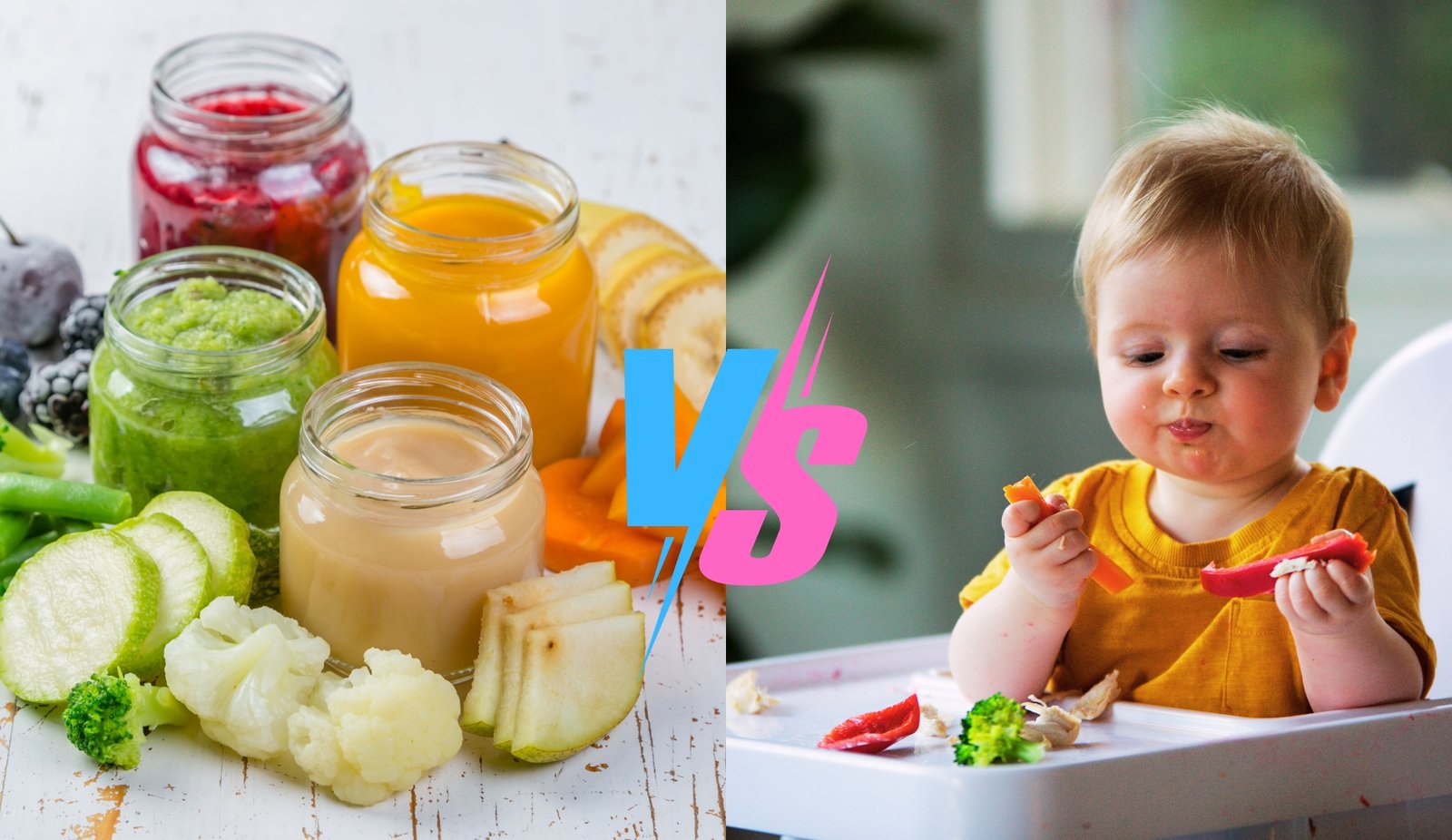
Baby led weaning vs Purees: Which method is best for your baby? Should you hand over soft finger foods or start with spoon-fed purees? Every new parent faces this decision, and it often feels confusing when both methods promise healthy growth and development. So, what really works better for your little one?
Baby Led Weaning (BLW) encourages self-feeding and motor skill development, while the traditional puree method ensures measured nutrition and controlled portions. Research by Dr. Gill Rapley, pioneer of baby and toddler Led Weaning, highlights that BLW promotes independence and better eating habits. Meanwhile, pediatric nutritionists emphasize that purees can help monitor nutrient intake during early feeding stages.
But is one method truly superior—or can they work together for balanced weaning? Stay with us as we explore expert insights, real parent experiences, and evidence-backed comparisons to help you decide which approach fits your baby best.
Let’s dive into the world of first foods and discover what experts like Dr. Rapley and the American Academy of Pediatrics recommend!
What are the Differences Between Baby-Led Weaning and Purees?
At its heart, the difference between baby-led weaning (BLW) and the traditional puree method comes down to control and texture. Understanding this core distinction is key to choosing your approach.
Baby-Led Weaning (BLW) is a philosophy where the baby takes the lead. From the very start of their solid food journey, around six months of age, the baby is offered soft, graspable, gummable finger foods. Think steamed broccoli florets with a long “handle,” soft avocado slices, banana spears, or strips of well-cooked sweet potato.
The parent’s role is to provide a variety of nutritious, age-appropriate foods, and the baby’s role is to explore—to touch, smell, squish, and ultimately, to self-feed. The emphasis is on the experience of eating: learning about different textures, colors, and tastes, and developing fine motor skills and hand-eye coordination from the very beginning. With BLW, purees and spoon-feeding are typically avoided.
The Puree Method is the traditional, parent-led approach to starting solids. It begins with smooth, runny purees (often single-ingredient, like pear or rice cereal) that are spoon-fed to the baby by the parent. Over time, the textures are gradually thickened and lumpiness is introduced, progressing to mashed foods and then, eventually, to soft finger foods.
This method offers a highly controlled, gradual transition from a liquid milk diet to solid foods. The parent manages the pace, the portion, and the specific food entering the baby’s mouth, which can provide a sense of security for many.
| Feature | Baby-Led Weaning (BLW) | Traditional Puree Method |
|---|---|---|
| Control | Baby-led | Parent-led |
| Initial Texture | Soft, graspable finger foods | Smooth, liquid-like purees |
| Feeding Method | Self-feeding by hand | Spoon-feeding by parent |
| Primary Focus | Exploration, motor skills | Nutritional intake, gradual texture progression |
| Pace | Determined by baby’s interest and ability | Guided by parent, following a planned progression |
How Purées Complement Baby-Led Weaning
While the core BLW philosophy often eschews purees, a more modern and pragmatic view recognizes that the two methods are not mutually exclusive enemies. In fact, purees can be a fantastic complement to a baby-led approach, creating a more flexible and less stressful weaning journey.
The key is in the delivery. Instead of spoon-feeding a passive baby, you can offer purees in a way that still encourages self-feeding and autonomy. This is sometimes referred to as “BLW with a spoon” or a “modified BLW” approach.
- Pre-Loaded Spoons: Place a small amount of a thick, nutrient-dense puree (like Greek yogurt, hummus, or a thick vegetable mash) on a short, soft-tipped spoon and hand it to your baby. They then bring the spoon to their own mouth. This fosters the same hand-eye coordination and self-feeding skill as finger foods.
- Dip and Explore: Offer thick purees or mashes as a dip for finger foods. A strip of toast or a soft carrot stick can be dipped into a yogurt or avocado puree, combining textures and flavors in an engaging way.
- Managing Mess & Nutrition: For foods that are incredibly messy or valuable from a calorie/nutrition standpoint (e.g., a iron-fortified meat puree or runny oatmeal), offering it on a pre-loaded spoon can help ensure more of it ends up in the baby and less on the floor, the highchair, and the walls.
This complementary approach allows parents to reap the developmental benefits of self-feeding while still utilizing the convenience, nutritional control, and texture-graduation that purees offer.
Introducing Solid Foods – Baby Led Weaning Vs Purees
The American Academy of Pediatrics (AAP) and other global health bodies recommend introducing solid foods at around six months of age. This timing is critical, regardless of the method you choose, as a baby’s nutritional stores (particularly iron) begin to deplete, and their developmental readiness aligns.
Signs of Readiness for ANY Method:
Before you begin, your baby should display these key signs, in addition to being about six months old:
- Can sit up mostly unsupported and hold their head steady.
- Has lost the tongue-thrust reflex (does not automatically push solids out of their mouth with their tongue).
- Shows a keen interest in food, perhaps watching you eat and reaching for your food.
- Brings objects to their mouth accurately.
The First BLW Meal:
Your baby’s first meal might consist of 2-3 soft, graspable options. Place the food directly on the highchair tray (which is easier for little hands to manage than a plate). Don’t expect them to eat much; the goal is exploration.
Sit with them, eat your own food, and model chewing. Safety is paramount: ensure all food is soft enough to be squashed between your fingers and is cut into stick-shaped pieces about the size and shape of two adult fingers to prevent choking.
The First Puree Meal:
Start with a very small amount (a teaspoon or two) of a single-ingredient, smooth puree, like iron-fortified infant cereal mixed with breastmilk or formula, or a simple vegetable like sweet potato.
Use a soft-tipped, shallow spoon and place a small amount just inside the baby’s lips, allowing them to suckle it off. Watch for cues; if they turn away or seem disinterested, mealtime is over.
Can You Combine Baby Led Weaning and Purees?
Absolutely. The “combo method” is an increasingly popular and highly effective strategy that offers the “best of both worlds.” This hybrid approach allows parents to tailor the weaning experience to their baby’s individual needs, their own comfort level, and the practicalities of daily life.
You might offer soft finger foods at one meal (e.g., lunch) to encourage motor skill development and exploration, and then offer a spoon-fed puree at another meal (e.g., dinner) to ensure they are getting a reliable intake of a particular nutrient, like iron from a meat puree. Alternatively, you can combine them within the same meal, as described in the “How Purees Complement BLW” section.
This method can significantly reduce parental anxiety. If you’re worried about your baby not “eating enough” with BLW, offering a familiar puree at the end of the meal can provide peace of mind. It’s a flexible, responsive, and highly practical solution that honors the principle that feeding a baby is not a rigid ideology but a responsive relationship.
Combo Approaches Baby Weaning Chart – 0-36 Months Milestone
This chart provides a general roadmap for a combined approach, blending finger foods and textured mashes/purees. Always follow your baby’s unique pace and consult with your pediatrician.
| Age Range | Developmental Milestones | Combo Approach Food Ideas |
|---|---|---|
| ~6 Months | Sits with support, brings hands to mouth, palmar grasp. | Soft Finger Foods: Avocado spear, banana roll (in crushed cereal), soft mango strip. Textured Purees/Mashes: Thick yogurt, hummus, mashed sweet potato or avocado (offered on pre-loaded spoons). |
| 7-9 Months | Develops pincer grasp (thumb & forefinger), starts chewing more effectively. | Finger Foods: Small, soft pieces of steamed apple, pea-sized meatballs, shredded cheese, scrambled eggs. Textured Mashes: Lumpy mashed potatoes, thicker oatmeal, cottage cheese, finely minced family foods. |
| 10-12 Months | Pincer grasp mastered, can drink from a cup with help, may show preference for self-feeding. | Finger Foods: Most table foods, soft-cooked vegetables, soft fruits, pasta, toast strips with toppings. Textured Foods: Chopped family meals, hearty stews, grated raw apple. Spoons are primarily for self-feeding. |
| 12-24 Months | Uses spoon with increasing skill, chewing well, appetite may become erratic. | Toddler is largely eating modified family foods. Continue offering a variety of textures and flavors. The distinction between “puree” and “finger food” largely dissolves. |
| 24-36 Months | Full set of primary teeth, can feed themselves competently with utensils. | A fully independent eater who can manage almost all textures and foods, participating fully in family meals. |
Pros & Cons of Starting Solids with Purees
Understanding the advantages and disadvantages of the puree method is crucial for making an informed choice.
Pros of Starting with Purees:
- Controlled Nutritional Intake: Parents know exactly how much and what their baby is consuming, which can be reassuring, especially for babies who need close monitoring of their intake.
- Less Mess: While still messy, spoon-feeding purees is generally less chaotic than a full BLW meal in the early stages.
- Gradual Texture Progression: The slow transition from smooth to lumpy can be easier for some babies to manage orally, potentially reducing gagging.
- Convenience & Portability: Jarred, pouched, and homemade frozen purees are incredibly convenient for on-the-go feeding.
Cons of Starting with Purees:
- Potential for Overfeeding: It’s easier for a parent to override a baby’s natural “full” cues when spoon-feeding, potentially disrupting their innate ability to self-regulate.
- Delayed Texture Acceptance: Some research suggests that babies who are on smooth purees for too long can develop an aversion to lumpy textures later on, making the transition to table foods more challenging.
- Less Development of Motor Skills: The baby is a passive participant, missing out on the early practice of hand-eye coordination and self-feeding skills that BLW promotes.
- Separate Meal Preparation: Parents often find themselves making or buying separate “baby food” instead of simply adapting family meals.
Tips for Starting Your Baby on Solid Foods
No matter which path you choose, these universal tips will set you up for success and ensure a positive relationship with food from the very start.
- Focus on Iron and Zinc: A baby’s iron stores deplete around six months. Prioritize iron-rich first foods like well-cooked red meat purees, iron-fortified cereal, mashed beans, and lentils.
- Embrace the Mess: Mess is an unavoidable and essential part of learning. Invest in a good splash mat, use a bib with a catch pocket, and remember that sensory exploration is a critical part of the process.
- Model, Model, Model: Eat with your baby as often as possible. Let them see you enjoying a variety of foods, chewing with your mouth open (for them to see!), and having a positive attitude about mealtimes.
- Follow Your Baby’s Lead: Let your baby’s hunger and fullness cues guide you. Never force a baby to eat. Mealtime should be a positive, pressure-free experience.
- Know the Difference: Gagging vs. Choking: All babies will gag—it’s a natural, safety reflex that moves food from the back of the throat to the front. It is loud, often involves coughing, and is normal. Choking is silent, the baby will be unable to make noise, and it requires immediate intervention. Taking an infant CPR course is highly recommended for all parents.
- Offer a Variety: Repeatedly expose your baby to a wide range of flavors, including bitter vegetables. It can take 10-15 exposures for a baby to accept a new food.
Commonly Asked Questions about Starting With Purées Vs Baby Led Weaning (FAQs)
What are Baby Purees?
Baby purees are soft, mashed foods for an infant’s first solids. They are smooth and runny initially. You spoon feeding your baby helps them learn to swallow. As your baby learns, you can thicken textures to encourage chewing.
What is baby-led weaning vs purees?
Baby-led weaning lets your baby may self-feed soft, graspable foods from the start, exploring textures. With purees, parents spoon feeding the infant. Both methods effectively teach your baby learns to eat solid foods, so choose what suits your family.
What’s the difference between purees and baby led weaning?
The core difference is self-feeding. In purees vs baby led weaning, parents control the spoon. With baby-led weaning, the infant self-feeds whole, soft foods. This method, using rapley lots of foods, promotes independence and lets your baby learns to manage textures early.
Which pureed foods should I introduce first when spoon-feeding?
Start with single-ingredient, iron-rich purees. Ideal first foods include pureed meat, iron-fortified cereal, or mashed beans. You can also introduce pureed sweet potato or avocado. When you feed your baby these, watch for any allergic reactions over a few days.
What is baby-led weaning?
Baby-led weaning (BLW) is a feeding approach where infants self-feed solid foods instead of being spoon-fed purees. This method encourages independence, allowing babies to explore textures and flavors while developing fine motor skills, making mealtime enjoyable for both babies and caregivers.
What are the pros and cons of purees?
Purees often provide a smoother texture, making them easier for young babies to swallow. However, relying solely on purees may limit exposure to different textures and flavors. A combination approach can introduce solids and purees, benefiting the baby’s development and taste preferences.
How do I start solids with my baby?
To start solids, introduce a variety of soft, lumpy foods around 6 months of age, focusing on fruits and vegetables. Whether using purees or a baby-led approach, ensure foods are soft enough to avoid choking while encouraging your baby to explore self-feeding.
Can I combine baby-led weaning and purees?
Yes, many parents adopt a combo approach, integrating both baby-led weaning and purees. This method allows babies to enjoy the benefits of self-feeding while still having the option of smooth purees, providing a well-rounded introduction to solid foods during early months.
What are some safe finger foods for a baby?
Safe finger foods include soft, cooked vegetables, small pieces of ripe fruits, and soft table foods like bananas and avocados. These options help babies practice self-feeding, develop oral motor skills, and explore new textures while minimizing choking hazards.
How does baby-led weaning help with picky eating?
Baby-led weaning may reduce picky eating by encouraging babies to explore a wide variety of foods and textures. Allowing babies to self-feed promotes greater acceptance of different flavors, helping them become more adventurous eaters as they grow into toddlerhood.
What should I avoid when introducing solids?
Avoid foods that are hard, small, or round, like whole grapes or nuts, which pose choking risks. Additionally, steer clear of added sugars, honey, and salt. Always consult a pediatrician or registered dietitian for personalized recommendations when starting solids.
When should I consult a medical professional about feeding?
Consult a medical professional, such as a pediatrician or registered dietitian, if you have concerns about your baby’s feeding habits, weight gain, or if they show signs of allergies. Early intervention can help ensure your baby’s healthy development during the transition to solid foods.
Conclusion
The great debate of baby led weaning vs purees doesn’t have a single, universal answer. Both methods have distinct merits and potential drawbacks. Baby-led weaning champions independence, motor skills, and exploration from day one, while the puree method offers a controlled, gradual, and often less messy introduction to solids. However, the most practical and increasingly popular solution for modern families is a combined approach.
This flexible method allows you to leverage the developmental benefits of self-feeding with finger foods while utilizing the nutritional reassurance and convenience of textured purees and mashes. Ultimately, the “best” method is the one that fits your family’s lifestyle, reduces your stress, and supports a happy, healthy, and curious eater. Trust your instincts, focus on providing a variety of nutritious foods, and enjoy this messy, wonderful milestone together.
Recommended posts
- The Best Baby Led Weaning Book – Every Parent Should Read
- 3 Baby Led Weaning Banana Hacks – Every Parent Should Know
- What Is Infant Led Weaning (BLW): Benefits & Safety Tips
- Easy Baby Led Weaning Banana Pancakes Your Baby Will Love
- 5 Easy & Delicious Baby Led Weaning Sweet Potato Recipes
- Best Meatballs Baby Led Weaning Recipe (Soft & Easy to Make)
- When Can You Start Baby Led Weaning (Signs and Safe Timing)
- Is it Normal 6 Month Old Gagging on Puree? Here’s What to DO

