
Are there any signs of autism during pregnancy? Can early indicators be spotted before birth, or does diagnosis only begin after infancy? These questions continue to spark interest as science digs deeper into early autism research.
Currently, there are no confirmed autism signs during pregnancy, but certain risk factors are being studied. These include genetic links, advanced parental age, complications during pregnancy, and exposure to infections or environmental toxins.
According to Dr. Eric Courchesne, a leading autism researcher, brain differences linked to autism may begin developing before birth, though they can’t be diagnosed at that stage.
Curious about what science really says and which factors matter most? Let’s explore the latest research, expert opinions, and what expectant parents should know about the earliest clues related to autism development.
Understanding the Complexity of Autism Risk Factors
Autism is a multifaceted neurodevelopmental disorder influenced by a combination of genetic and environmental factors. While the exact cause remains elusive, studies indicate that genetics play a significant role, with siblings of children with ASD having a higher likelihood of also being diagnosed.
However, environmental factors such as maternal health, nutrition, and exposure to toxins during pregnancy also contribute to the risk.
Research has shown that advanced paternal age, maternal infections during pregnancy, and complications such as gestational diabetes are correlated with an increased risk of autism. Moreover, understanding these risk factors is essential for parents and healthcare providers to monitor development and seek early interventions if necessary.
Common Signs Of Autism During Pregnancy: Prenatal Indicators
While autism is primarily diagnosed in early childhood, some signs may be observable during pregnancy. These signs of autism while pregnant, though not definitive, can serve as early indicators that warrant further investigation.
- Maternal Health Issues: Conditions like preeclampsia or gestational diabetes have been linked to a higher risk of autism. Monitoring maternal health can provide insights into potential developmental outcomes.
- Ultrasound Findings: Certain abnormalities detected during routine ultrasounds, such as excessive amniotic fluid or brain anomalies, might be associated with a higher risk of autism.
- Fetal Movement Patterns: Some studies suggest that atypical fetal movement patterns, observed through ultrasound, may correlate with later developmental challenges.
- Maternal Age and Lifestyle: Advanced maternal age (35 years and older) and lifestyle factors such as smoking or substance abuse during pregnancy can increase autism risk.
These prenatal indicators emphasize the importance of regular prenatal care and monitoring for expectant mothers.
Can You Test for Autism During Pregnancy?
During pregnancy, certain factors may contribute to the risk of having a child diagnosed with autism spectrum disorder (ASD). Research suggests that genetic mutations associated with autism, such as those linked to fragile X syndrome, can increase the risk of developing autism in children.
Early signs of autism while pregnant may manifest in various ways, potentially indicating an increased risk for autism. Prenatal genetic testing, including blood tests and chorionic villus sampling, can help identify these genetic conditions.
Additionally, exposure to high levels of certain environmental factors during pregnancy may also be associated with an increased risk of autism.
It’s crucial for expectant parents to be aware of these risks, as early diagnosis and intervention can significantly affect the development of autism and other developmental disabilities in their child.
Possible Risk Factors for Autism During Pregnancy
In addition to the common signs mentioned, several risk factors can influence the likelihood of autism during pregnancy. Understanding these factors can help expectant parents and healthcare providers make informed decisions.
- Genetic Predisposition: If there is a family history of autism, the risk increases. Genetic testing and counseling can provide valuable information for at-risk families.
- Environmental Exposures: Exposure to pesticides, heavy metals, and other environmental toxins during pregnancy has been linked to a higher incidence of autism. Pregnant women should minimize exposure to hazardous substances.
- Maternal Infections: Infections such as rubella, cytomegalovirus, or influenza during pregnancy can negatively impact fetal brain development, increasing autism risk.
- Nutritional Deficiencies: Adequate intake of nutrients like folic acid and omega-3 fatty acids is crucial during pregnancy. Deficiencies may impair neural development and increase the likelihood of autism.
- Maternal Stress: High levels of stress during pregnancy, particularly chronic stress, can affect fetal development. Strategies to manage stress, such as mindfulness and therapy, are beneficial.
Awareness of these risk factors can empower parents to take proactive steps to support a healthy pregnancy.
Detecting Autism in the Womb
Detecting autism in utero remains a complex challenge. While no definitive methods exist, ongoing research aims to identify reliable markers that could indicate a risk of autism. Advances in imaging technology and biomarker discovery are paving the way for potential early detection methods.
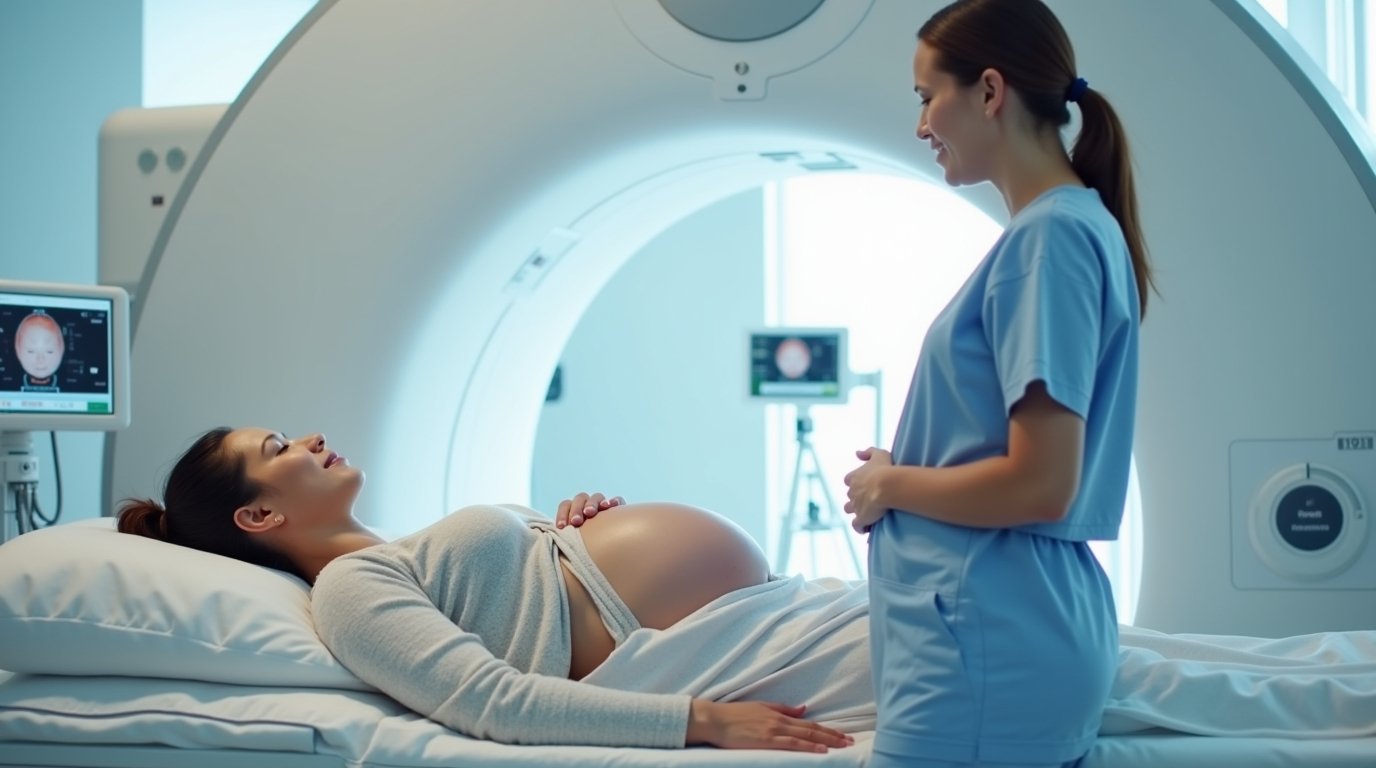
- MRI Scans: Some studies have explored the use of advanced imaging techniques to assess brain development in fetuses. These methods may reveal structural changes associated with autism.
- Biomarker Research: Researchers are investigating specific biological markers in maternal blood or amniotic fluid that could indicate an increased risk of autism.
- Longitudinal Studies: Ongoing studies tracking prenatal and postnatal development provide insights into the relationship between prenatal factors and later autism diagnosis.
While the field is evolving, it is crucial for parents to remain informed and consult with healthcare professionals about any concerns regarding fetal development.
How To Prevent Having A Child With Autism?
Understanding the signs of autism during pregnancy can provide crucial insights into the risk factors for autism that might affect a developing fetus. Research suggests that certain environmental and genetic factors may contribute to autism and developmental disabilities.
For instance, prenatal genetic testing, including blood tests and ultrasound, could help identify abnormalities linked to autism, such as chromosomal issues or genetic mutations associated with autism.
Additionally, exposure to high-risk factors during pregnancy may increase the chances of having a child with autism spectrum disorder (ASD).
Monitoring fetal brain development through advanced imaging techniques like MRI can also aid in early detection of potential autism symptoms. Early intervention and understanding the complex causes of autism are essential in supporting autistic children and families.
The risk of developing autism may be influenced by various factors, including the health of the mother and genetic predispositions, which are still being researched by centers for autism around the globe.
Commonly Asked Questions about Autism Signs During Pregnancy (FAQs)
Can you diagnose autism before birth?
Currently, autism cannot be diagnosed before birth. However, genetic factors and brain development, including the amygdala, can influence autism risk, but symptoms of autism emerge postnatally.
What are some signs that my child has autism?
Signs include delayed speech, social interaction difficulties, and repetitive behaviors. Early identification of symptoms of autism is crucial for effective intervention.
Which factors pose a higher risk for autism?
Factors that increase the risk of autism include genetic predisposition, parental age, and low birth weight. Certain environmental factors may also be associated with higher autism rates.
Can drinking while pregnant cause autism?
Drinking alcohol during pregnancy can increase the risk of autism and other developmental disorders. It’s crucial to avoid alcohol to prevent autism related complications.
What genetic tests are available for detecting autism?
Genetic tests such as chromosomal microarray can identify abnormalities associated with higher autism risk. These tests help in understanding genetic contributions to autism.
What can cause autism while someone is pregnant?
Prenatal factors, including exposure to toxins and infections, may increase the risk of autism. Stress during pregnancy can also be associated with higher autism rates.
Can stress in pregnancy cause autism?
High levels of stress during pregnancy may increase the risk of autism in children. Managing stress is important for maternal and fetal health.
Can Smoking While Pregnant Cause Autism?
Yes, smoking during pregnancy is associated with higher autism risk. Avoiding tobacco can help prevent autism-related developmental issues.
How Pregnancy May Shape A Child’s Autism
Pregnancy factors, such as maternal health and environmental exposures, may influence brain development, potentially increasing the risk of autism by affecting the amygdala.
What are the odds my baby will be autistic?
The odds vary based on genetic and environmental factors. A family history of autism or low birth weight may increase the risk of autism in children.
How to support autistic children?
Supporting autistic children involves understanding their needs, providing structured environments, and fostering communication skills. Early intervention can help prevent autism-related challenges.
Conclusion
Understanding the signs of autism during pregnancy is vital for informed decision-making and proactive health management. While no single factor guarantees the prevention of autism, awareness of risk factors, prenatal indicators, and lifestyle choices can significantly influence outcomes. As research continues to evolve, expectant parents should remain vigilant, consult healthcare professionals, and prioritize the health and well-being of both mother and child. By doing so, they can foster a nurturing environment that supports optimal development.
Recommended posts
- Early Signs of ADHD in Newborns – What Parents Should Know!
- Identifying Autism and Pathological Demand Avoidance (PDA)
- OCD and Autism: How to Tell Them Apart and Where They Overlap
- Early Signs of Autism in Babies 2 Months Old (Must-Read)
- Can You Test for Autism in the Womb? (Breakthrough or Myth)
- How to Prevent Autism During Pregnancy (Safely & Naturally)
- Autism Risk Calculator Tool – Understand Early Risk Factors

