
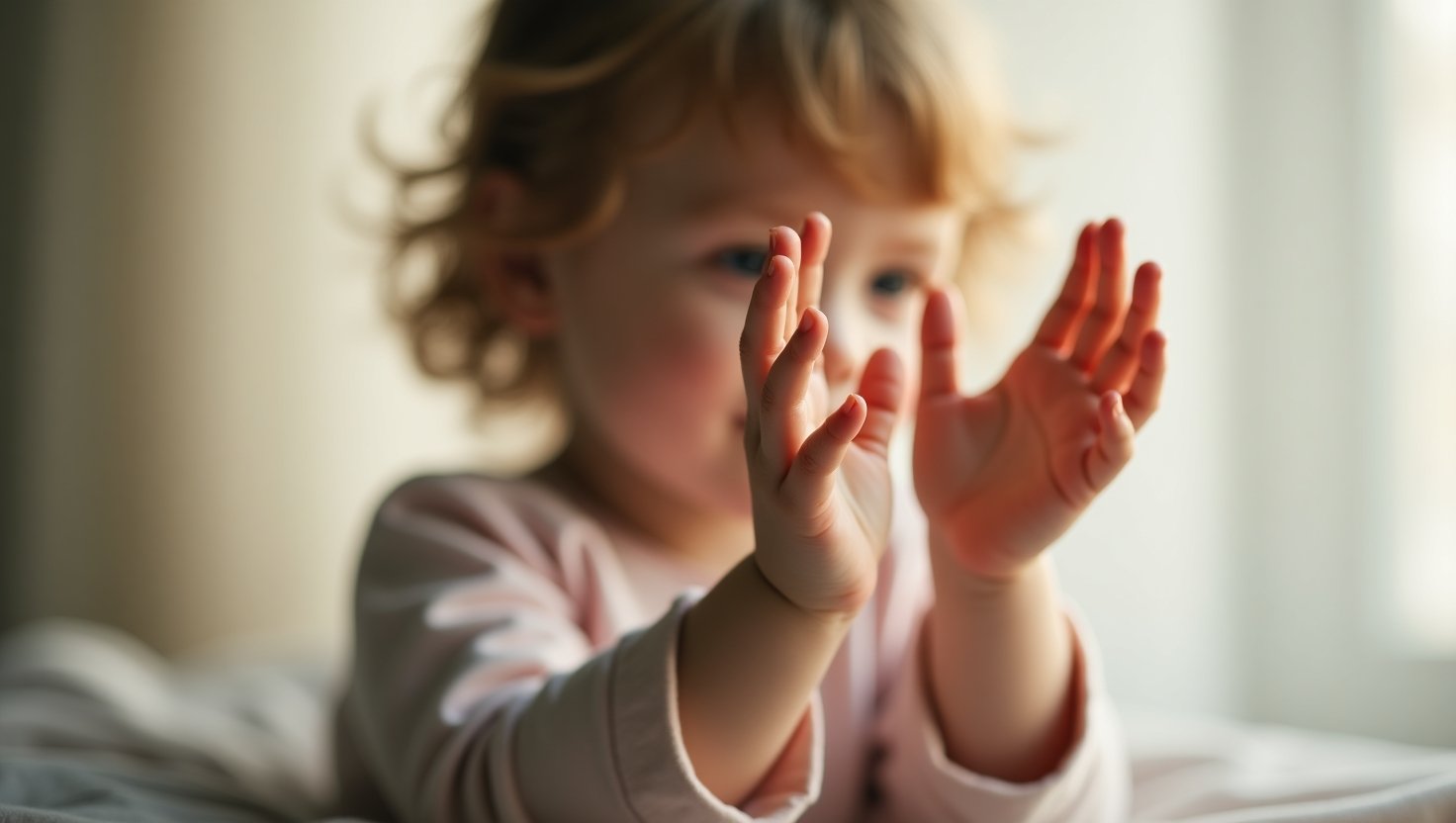
Autism hand flapping — have you ever wondered why children on the autism spectrum often flap their hands? This movement can leave parents and teachers puzzled. Is it a sign of distress or simply a joyful way to express emotions?
Hand flapping is a common type of self-stimulatory behavior among autistic individuals. These repetitive movements provide sensory input that can be soothing or grounding, allowing children to cope with their environment. For some, stimming might also be a way to focus their attention or release pent-up energy.
Experts like Dr. Temple Grandin explain it as a way to manage sensory overload or excitement. In this article, you’ll discover what hand flapping really means, when it could be concerning, and how to support your child with confidence.
But there’s so much more to learn about stimming and its impact on development. You’ll find valuable insights from autism researchers and proven strategies to guide your response. So, let’s dive into the world of autism hand flapping and see what really lies behind these fluttering hands!
Is Hand Flapping a Sign of Autism?
Hand flapping is frequently recognized as one of the many behaviors associated with autism. However, it’s essential to understand that not all children who flap their hands are autistic. This behavior can serve various purposes, including self-regulation, sensory stimulation, or expressing excitement.
In the context of autism, hand flapping may indicate that a flapping hands autism child is experiencing sensory overload or is trying to soothe themselves during stressful situations.
Recognizing hand flapping as a potential sign of autism can help parents and educators provide the necessary support. While it can be a common behavior, its frequency and context can offer significant insights into a child’s developmental stage.
What is Hand Flapping in Children with Autism?
Hand flapping is characterized by repetitive, rhythmic movements of the hands and arms. Children with autism may flap their hands in various ways, such as shaking, waving, or moving their arms in circles. These movements can occur during moments of excitement, anxiety, or even when the child is focused on a particular task.
In many cases, hand flapping serves as a form of self-expression or a means to cope with overwhelming stimuli. For autistic children, the world can be an intense place filled with sensory input that may be hard to process. Hand flapping can provide a way to manage these sensations, helping them find comfort and stability.
What Age Does Stimming Start in Autistic Children?
Stimming, which includes behaviors like hand flapping, often begins in early childhood. Many parents pay attention to these repetitive movements around the age of 2 or 3, coinciding with the developmental stage when children are beginning to explore their environments and express themselves.
While the age of onset can vary, understanding that stimming behaviors like hand flapping are common in this age group can help parents maintain perspective. It’s also important to note that as children grow, the frequency and type of stimming behaviors may change, reflecting their developmental progress and coping strategies.
How Do You Stop Hand Flapping in Autism?
Stopping hand flapping is not always the goal; instead, the focus should be on understanding and managing the behavior. Here are some strategies to consider:
- Identify Triggers: Observe when and why the hand flapping occurs. Is it during stressful moments, or does it happen when the child is excited? Understanding the triggers can help in finding appropriate coping strategies.
- Provide Alternatives: Instead of trying to eliminate hand flapping entirely, consider offering alternative forms of expression. Fidget toys or stress balls can provide a sensory outlet without drawing too much attention.
- Create a Calm Environment: Reducing sensory overload can minimize the need for stimming behaviors. A quiet, structured environment can help children feel more secure and less prone to hand flapping.
- Consult Professionals: If hand flapping is excessive or disruptive, seeking advice from a therapist or behavioral specialist can be beneficial. They can provide tailored strategies and early interventions.
ABA Therapy for Autism Hand Flapping, and Other Repetitive Behaviors
Applied Behavior Analysis (ABA) therapy is often utilized to address hand flapping and other repetitive behaviors in children with autism. ABA focuses on teaching new skills and reducing challenging behaviors through reinforcement strategies.
In the context of hand flapping, ABA therapists may work with children to:
- Reinforce Appropriate Behaviors: Rewarding a child for using alternative methods of self-soothing can encourage more adaptive behaviors.
- Teach Coping Strategies: Therapists can help flapping hands autism child learn to manage their emotions in ways that do not involve repetitive movements.
- Increase Social Skills: By fostering improved communication and social interaction, children may feel less compelled to engage in stimming behaviors.
While ABA can be effective, it is vital that therapy be conducted by trained professionals who understand the unique needs of each child.
Tips for Reducing Stimming Behaviors
- Schedule Regular Breaks: Ensure your child has regular opportunities to decompress, especially in overstimulating environments.
- Encourage Physical Activity: Engaging in physical play can help children expend energy and reduce the need for stimming.
- Develop a Routine: Predictable routines can provide a sense of security, reducing anxiety and the likelihood of hand flapping.
- Mindfulness Practices: Introducing mindfulness techniques can help children develop self-awareness and better manage their emotions.
Commonly Asked Questions about Repetitive hand flapping in autistic children (FAQs)
Why Do Children with Autism Flap Their Hands?
Children with autism engage in behaviors such as hand flapping to self-regulate, express emotions, or manage sensory overload. This repetitive movement, called stimming, provides comfort and reduces stress.
How Common Is Stimming in Children with ASD?
Stimming in autism is very common—nearly 80% of children with ASD engage in self-stimulatory behaviors like hand-flapping or rocking to regulate emotions or sensory input.
What Causes Stimming and Hand Flapping in Autistic Children?
Autistic child’s stimming behaviors, like hand flapping, help manage sensory overload, express emotions, or self-soothe. These repetitive actions provide comfort and regulate their nervous system in overwhelming situations.
Is there a relationship between Autism and Hand Flapping?
Yes, hand flapping is a common stimming behavior in autism, helping with sensory regulation, emotional expression, or stress relief. Many autistic individuals use it to self-soothe or communicate needs.
Why do people with autism stim?
People with autism stim (e.g., hand-flapping, rocking) to self-regulate emotions, manage sensory overload, or express excitement/frustration. It provides comfort, focus, and coping in overwhelming situations.
What is hand flapping and why do children with autism do it?
Hand flapping is a common behavior observed in many children with autism spectrum disorder (ASD). It refers to repetitive hand movements that children may use to express excitement or manage overwhelming emotions. For many autistic children, hand flapping serves as a form of self-regulation or a way to cope with sensory overload.
Is hand flapping a sign of autism?
Yes, hand flapping is often considered a sign of autism. It is a form of stimming behavior, which encompasses various repetitive movements that individuals with autism may engage in. While hand flapping can be observed in neurotypical children as well, its prevalence and context in children diagnosed with autism spectrum developmental disorders can indicate a need for further understanding and support.
How can parents support a child’s hand flapping behavior?
Parents can support their child’s hand flapping behavior by understanding its role in their child’s self-regulation. Rather than attempting to stop hand flapping, it is beneficial to observe when and why it occurs. This understanding can lead to better strategies for providing comfort or addressing the triggers that lead to stimming behaviors.
Are there different types of stimming behaviors?
Yes, stimming behaviors vary greatly among children and adults with autism. Alongside hand flapping, other common forms include rocking back and forth, spinning, and vocalizations. Understanding the types of stimming can help caregivers and educators develop appropriate responses and interventions.
Can ABA therapy help reduce hand flapping?
Applied Behavior Analysis (ABA) therapy can help children diagnosed with autism spectrum disorder develop alternative coping strategies while also teaching appropriate behaviors. However, it is essential to approach hand flapping with sensitivity, as it may serve a vital function for the child’s emotional and sensory processing needs. Reducing stimming behaviors should be done carefully, considering the child’s overall well-being.
Is there a way to stop hand flapping in children?
While some parents may wish to stop hand flapping, it is crucial to understand its purpose first. Instead of cessation, focusing on providing a safe environment for stimming can be more beneficial. Encouraging other forms of self-regulation or introducing calming techniques may help children express their feelings without eliminating hand flapping entirely.
What should I do if I notice hand flapping in my child?
If you notice hand flapping in your child, it’s important to observe the context and frequency of the behavior. Understanding the triggers can provide insight into your child’s needs. Engaging with autism support resources or professionals can also offer guidance on how best to support your child’s unique way of expressing themselves.
How does hand flapping relate to autism parenting?
Hand flapping is a common aspect of autism parenting, as many children with autism may engage in these behaviors. Understanding hand flapping and its significance allows parents to provide the appropriate support and create an environment that respects their child’s self-stimulating behaviors. This can lead to a more nurturing atmosphere for both the child and the family.
Hand Flapping and Stimming Conclusion
Understanding autism hand flapping is essential for parents and caregivers navigating the complexities of autism spectrum disorder. While hand flapping can be concerning, it is often a natural response to the world around them. Recognizing its causes, age of onset, and effective management strategies can empower families to support their children daily life effectively.
By fostering an environment that encourages communication, understanding, and acceptance, we can help child with autism develop healthier coping mechanisms and thrive. If you are ever in doubt about your child’s behaviors, consulting with professionals can provide clarity and assistance tailored to individual needs.
Recommended posts
- Level 2 Autism Spectrum: Symptoms, and Real-Life Examples
- Can Severe Autism Reversed? (Stories, Myths & Medical Facts)
- Early Signs of Autism in Newborns for New Parents
- Identifying Pathological Demand Avoidance and Autism (PDA)
- Top 7 Best Sensory Toys for Autism on Amazon: Expert Picks

