
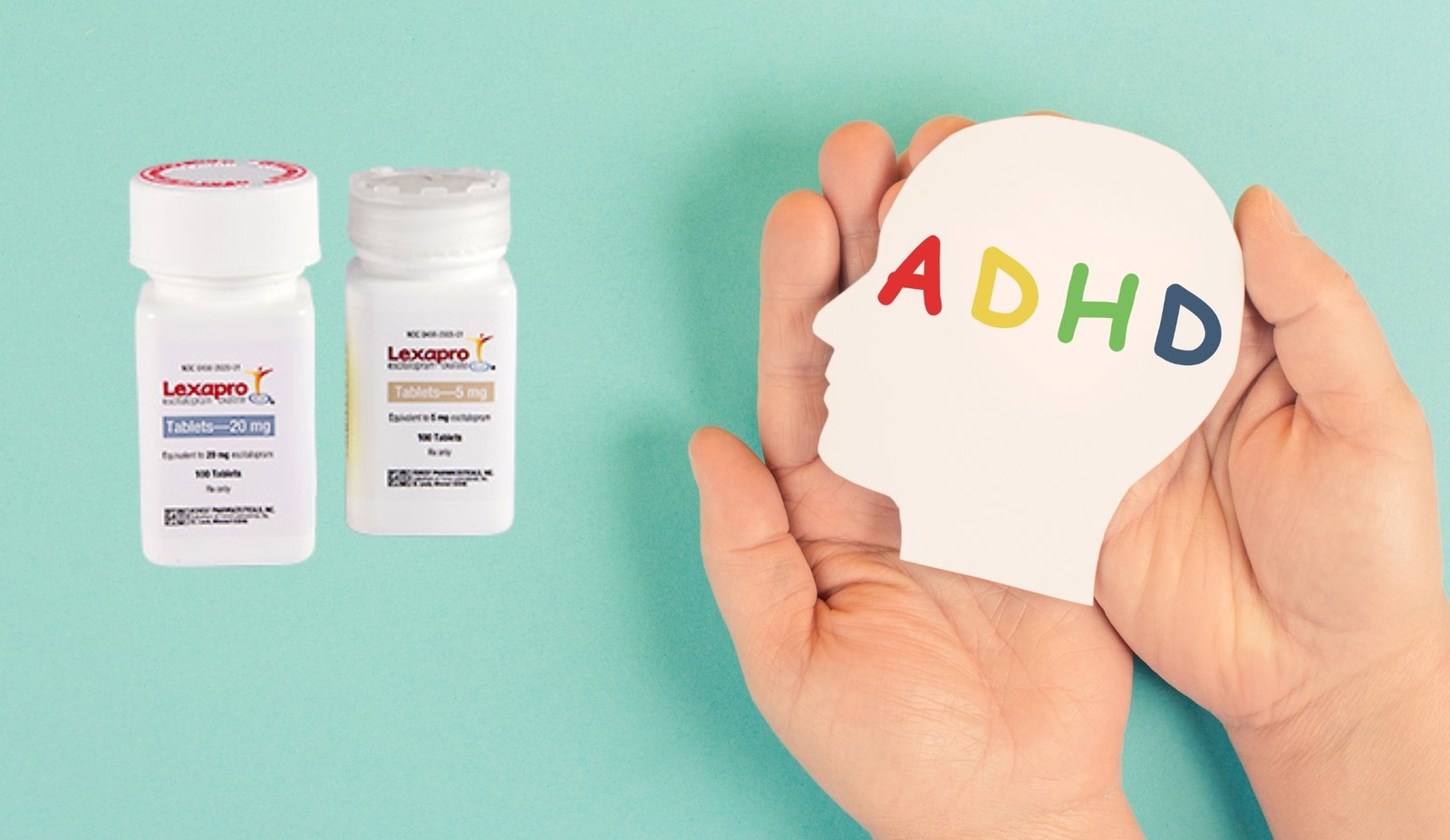
Does Lexapro help with ADHD, or is it meant for something else entirely? If you’re dealing with focus issues and emotional ups and downs, you might wonder whether this antidepressant could make a difference. Let’s find out what role Lexapro plays in ADHD management.
Lexapro (escitalopram) is primarily prescribed for anxiety and depression, not ADHD. However, some people with ADHD who also struggle with mood disorders may see benefits. Experts like Dr. Timothy Wilens from Harvard Medical School say treating co-existing conditions can indirectly improve attention and emotional control.
But Lexapro alone isn’t a go-to ADHD treatment. There’s more to consider—like how it interacts with stimulant meds or whether it’s right for your unique symptoms. Curious about the full picture? Let’s explore what the research and doctors have to say.
Can Antidepressants Be Used To Treat ADHD?
ADHD is primarily treated with stimulant medications such as methylphenidate (Ritalin) or amphetamines (Adderall). These work by increasing dopamine and norepinephrine in the brain — neurotransmitters associated with attention, focus, and executive functioning.
However, ADHD often coexists with other mental health conditions, particularly anxiety and depression, where antidepressants like Lexapro come into play.
Selective Serotonin Reuptake Inhibitors (SSRIs) — including Lexapro — function by increasing the availability of serotonin, a neurotransmitter that affects mood, emotion, and sleep. serotonin reuptake inhibitor SSRI are not approved by the FDA for treating ADHD but may be prescribed off-label in complex cases where comorbid depression or anxiety is present.
Research has shown that antidepressants alone typically do not address the core symptoms of ADHD — such as impulsivity, hyperactivity, and inattention. However, for patients whose emotional dysregulation stems from depression or anxiety, antidepressants can indirectly improve ADHD management by stabilizing mood and reducing anxiety-driven cognitive interference.
Does Lexapro Help with ADHD Symptoms?
Lexapro is not a first-line treatment for ADHD, and studies show limited evidence of it helping with ADHD symptoms directly. However, when ADHD and anxiety or depression coexist — which they often do — Lexapro may support overall mental health, potentially enhancing focus and executive functioning indirectly.
Here’s how Lexapro might influence ADHD management:
- Mood Stabilization: ADHD patients with co-occurring depression often struggle with motivation and emotional control. Lexapro can help reduce symptoms of depression, allowing ADHD treatments to be more effective.
- Anxiety Reduction: Anxiety is known to worsen cognitive symptoms like restlessness and poor concentration. Lexapro may ease these symptoms, creating a more stable baseline for ADHD interventions to work effectively.
- Sleep Improvement: Lexapro may improve sleep in some individuals. Since poor sleep exacerbates ADHD symptoms, this indirect benefit can play a supporting role.
That said, Lexapro does not replace stimulant medications or behavioral therapies. Instead, it is typically used in combination, based on an individualized treatment plan.
Understanding the Use of Lexapro as a Non-Stimulant Medication for ADHD
Many individuals wonder if Lexapro can help with adult ADHD, particularly in adults who may also be dealing with depression and anxiety. While Lexapro is primarily prescribed as an antidepressant, it has been noted that the medication may have some ability to help manage ADHD symptoms as well as anxiety.
However, it’s important to recognize that Lexapro’s effectiveness can vary, and it is typically used in combination with other treatments, such as a stimulant like Adderall, to create a more effective treatment plan.
Some patients may also explore different medication options, including Effexor or Prozac, to treat depression and anxiety in adults.
Ultimately, consulting a healthcare professional is essential for those seeking to understand how medications like Lexapro may assist in managing their ADHD symptoms alongside anxiety and depression.
Potential Side Effects of Mixing Adderall and Lexapro
Combining Lexapro (an SSRI) and Adderall (a stimulant) is common in clinical practice when ADHD and anxiety or depression co-occur. While this combination can be effective, it comes with risks that should be closely monitored by a healthcare provider.
Possible interactions and side effects include:
- Increased Risk of Serotonin Syndrome: While rare, combining Lexapro with other serotonin-enhancing substances (including Adderall) may lead to excessive serotonin activity. Symptoms include agitation, rapid heart rate, tremors, and confusion. Immediate medical attention is required if these symptoms occur.
- Elevated Heart Rate and Blood Pressure: Adderall already stimulates the cardiovascular system. Lexapro may amplify these effects, especially during dose adjustments.
- Mood Swings or Agitation: Some individuals report increased irritability or emotional blunting when combining these medications. In ADHD patients, this can sometimes be mistaken for worsening symptoms.
- Appetite Suppression and Sleep Disturbances: Both medications can suppress appetite and affect sleep, which may amplify ADHD-related issues if not managed properly.
To minimize these risks, treatment should always begin with low doses and involve frequent monitoring. Never adjust your medication regimen without consulting a medical professional.
ADHD Treatment in Children
Children with ADHD are typically prescribed stimulant medications as first-line treatment. However, in cases where children also experience anxiety or depression, the treatment landscape becomes more nuanced.
Key considerations for children include:
- Limited Use of SSRIs: Lexapro is FDA-approved for treating depression in children aged 12 and older, but not specifically for ADHD. Its use in pediatric ADHD cases is considered off-label and is generally reserved for complex cases involving significant mood disorders.
- Behavioral Interventions Are Essential: Cognitive Behavioral Therapy (CBT), parent training, and educational interventions form the cornerstone of pediatric ADHD treatment. These are often more effective than medication alone.
- Medication Monitoring: Children are more sensitive to side effects. Regular evaluations, including weight, appetite, mood, and sleep tracking, are crucial.
When might Lexapro be appropriate?
If a child with ADHD is experiencing severe anxiety or depressive episodes, and these are interfering with academic or social development, Lexapro may be considered as part of a broader, closely supervised treatment strategy.
The Best ADHD Medications for Adults with Anxiety – Stimulant Medication
Adults with ADHD and coexisting anxiety disorders present a unique challenge. Stimulants remain the gold standard for ADHD treatment but can potentially worsen anxiety in some individuals.
Common stimulant options include:
- Adderall (amphetamine/dextroamphetamine)
- Vyvanse (lisdexamfetamine)
- Ritalin/Concerta (methylphenidate-based drugs)
Balancing ADHD and anxiety:
- Low-Dose Stimulants: Some adults find that starting with a low dose helps reduce ADHD symptoms without triggering anxiety.
- Non-Stimulant Alternatives: Medications like Strattera (atomoxetine) or Intuniv (guanfacine) can be effective, especially when anxiety is a prominent concern.
- Combination Therapy with SSRIs: In adults who need mood support, combining a stimulant with Lexapro can offer balanced symptom control — provided it’s monitored for drug interactions.
- Lifestyle Modifications: Cognitive Behavioral Therapy (CBT), mindfulness, sleep hygiene, and regular exercise significantly enhance medication outcomes in adults with both ADHD and anxiety.
It’s important to note that treatment is highly individualized. Some adults and children may thrive on stimulant-only regimens, while others benefit from a more nuanced approach combining medications like Lexapro with behavioral therapy.
Commonly Asked Questions about Using Escitalopram for ADHD (FAQs)
Can You Use SSRIs for ADHD Treatment?
SSRIs medications like Prozac or Lexapro aren’t first choice ADHD treatments but may help if anxiety/depression coexist. Stimulants or non-stimulants (e.g., Strattera) are preferred—always consult your doctor.
What are the Common Side Effects of Lexapro vs. Adderall?
Common side effects of Lexapro include nausea, fatigue, and sleep disturbances. Adderall may cause insomnia, anxiety, and loss of appetite. Always consult a healthcare provider for personalized advice.
What is Lexapro and how is it used for ADHD?
Lexapro, known generically as escitalopram, is an antidepressant medication primarily prescribed for depression and generalized anxiety disorder. While it is not a traditional treatment for attention deficit hyperactivity disorder (ADHD), some studies suggest that it may help manage symptoms of ADHD, particularly in individuals who also experience anxiety or depression.
Can Lexapro treat ADHD in children?
Does lexapro help adhd? Lexapro is not typically prescribed as a first-line treatment for ADHD in children. Non-stimulant medications and behavioral therapies are generally preferred. However, in cases where children have co-occurring anxiety or depression, a doctor may consider Lexapro as part of a broader treatment plan.
What are the risks of taking Lexapro for ADHD?
Like all medications, Lexapro comes with potential risks and side effects. Common side effects include nausea, fatigue, and sleep disturbances. It’s important to talk to your doctor about the risks of taking Lexapro, especially if you have a history of bipolar disorder or high blood pressure, as it may exacerbate certain mental health symptoms.
How does Lexapro compare to other antidepressants for ADHD?
While medications like Zoloft (sertraline) and Prozac (fluoxetine) are also antidepressants, each has different effects and potential benefits for ADHD symptoms. Lexapro may be chosen for its favorable side effect profile and effectiveness in treating co-existing anxiety disorders. It’s crucial to evaluate the right medication for individual needs.
Can adults with ADHD benefit from taking Lexapro?
Adults with ADHD often face challenges such as anxiety and depression. Lexapro may help manage these co-occurring conditions, potentially leading to improved focus and reduced impulsivity. However, it should be part of a comprehensive treatment plan that includes behavioral therapy and possibly other medication options.
What are the alternative non-stimulant medication options for ADHD?
There are several non-stimulant medications approved for treating ADHD, such as atomoxetine (Strattera) and guanfacine (Intuniv). These may be preferred for individuals who do not respond well to stimulants or have specific health concerns. Lexapro is not typically classified as a treatment for ADHD but may be useful in managing associated symptoms.
Can Lexapro make ADHD symptoms worse?
While many individuals may find relief from ADHD symptoms with Lexapro, it can also have the opposite effect in some cases. It’s essential to monitor for any worsening of symptoms and communicate with your healthcare provider to adjust the treatment plan as needed.
How does Lexapro affect individuals with ADHD and depression or anxiety?
For individuals dealing with ADHD and co-existing depression or anxiety, Lexapro may provide relief from these mental health symptoms. This can lead to better overall functioning and improved quality of life. However, close monitoring is necessary to ensure that ADHD symptoms do not worsen.
When should someone consider taking Lexapro for ADHD?
Consideration for Lexapro should occur when an individual with ADHD also presents with significant anxiety or depressive symptoms. A healthcare professional can assess the situation and determine if Lexapro is an appropriate part of the treatment plan.
What should I discuss with my doctor before starting Lexapro?
Before starting Lexapro, it’s crucial to discuss your complete medical history, including any history of bipolar disorder, current medications, and overall mental health symptoms. This will help your doctor evaluate the potential benefits and risks of taking Lexapro as a part of your ADHD treatment strategy.
Does norepinephrine help with ADHD?
Yes, norepinephrine helps regulate focus and impulse control in ADHD. Norepinephrine reuptake inhibitors SNRIS (like Strattera) boost its levels, improving symptoms without stimulant risks—consult your doctor for options.
What is the best medication for anxiety and ADHD?
For anxiety and ADHD, non-stimulants like Strattera (atomoxetine) or guanfacine are often preferred. If stimulants are needed, Vyvanse may be better tolerated. Always consult your doctor for personalized treatment.
Final Thoughts
So, does Lexapro help with ADHD? The answer is nuanced. While Lexapro is not designed to treat core ADHD symptoms like impulsivity or inattention, it may offer meaningful benefits for individuals with co-occurring anxiety or depression, conditions that can exacerbate ADHD. However, it is not a standalone ADHD treatment, and potential side effects — especially when mixed with stimulants — must be carefully managed.
Whether you’re a parent of a child with ADHD or an adult navigating your own diagnosis, treatment should be tailored to your unique symptom profile, history, and lifestyle. A collaborative approach involving your physician, mental health specialist, and sometimes an educational professional ensures the safest, most effective path forward.
Always consult a healthcare provider before starting or adjusting any ADHD or antidepressant treatment.
You might also like
- Zoloft for ADHD Symptoms: Does It Really Work or Just Hype?
- Is ADD and ADHD the Same Thing? (Here’s Why You’re Wrong)
- Social Media And ADHD – Why You Can’t Stop Scrolling?
- 7 Signs You Might Have High Functioning ADHD & Proven Cure
- Why Can Amphetamines Be Used to Treat Adhd in Children?

