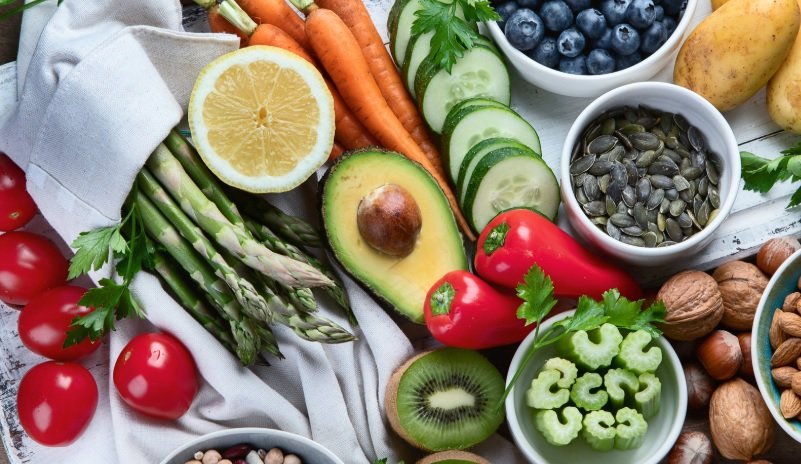
What to eat after C-section for fast recovery? If you’ve just had a cesarean delivery, your body needs proper fuel to heal the incision and regain strength. The right foods can reduce inflammation, boost immunity, and even speed up tissue repair. So, what should be on your plate during this crucial time?
A healing postpartum diet includes protein-rich, fibre-rich foods, iron, and vitamins like C and A. Experts like clinical dietitian Dr. Rachel Berman recommend foods such as eggs, lentils, leafy greens, fruits, and bone broth. In this article, we’ll explore what to eat, what to avoid, and how to build a recovery-friendly meal plan.
Don’t let confusion slow your healing. Want to know which superfoods speed up scar healing and boost energy levels? Let’s unpack the expert nutrition tips that every C-section mom needs to know for a faster and smoother recovery.
What to Eat After C-Section for Fast Recovery?
After a C-section delivery, it is vital for mothers to consume a balanced diet rich in essential nutrients that aid in their recovery. Foods high in protein, such as lean meats, eggs, and legumes, are crucial for healing tissues and muscles, especially around the incision area.
Additionally, incorporating iron-rich foods like spinach, lentils, and red meat can help replenish blood lost during surgery, which is essential for overall recovery. Whole grains, including brown rice and oats, provide fiber that stimulate bowel movements, ,aids digestion and helps prevent constipation, a common issue after major surgery.
Moreover, including a variety of fruits and vegetables in the diet is important. Fruits like oranges and kiwi are rich in vitamin C, which supports the immune system and fosters healing. Vitamin C also enhances iron absorption from plant-based foods, making it easier for mothers after cesarean section to regain their strength.
Eating fruits like papaya can aid digestion, which is particularly beneficial for post-C-section recovery. Overall, a well-rounded diet is key for effective recovery and ensuring that mothers can take care of their newborns.
Key Nutrients After C-Section Delivery:
Recovering from a C-section requires more than rest. Your body needs the right nutrients to heal, fight infection, and regain strength. Here’s a breakdown of the best food to eat after cesarean and vaginal birth, and essential vitamins and minerals to include in your postpartum diet.
1. Protein: Rebuild and Repair
Protein is the building block for tissue repair. It helps heal your incision and supports muscle recovery.
Good sources:
- Eggs
- Chicken
- Fish
- Greek yogurt
- Lentils and beans
Aim for protein in every meal to aid recovery and energy levels.
2. Iron: Replenish Blood Loss
Blood loss during surgery can lead to iron deficiency. Iron supports red blood cell production and prevents fatigue.
Iron-rich foods include:
- Red meat
- Spinach
- Liver
- Fortified cereals
- Legumes
Pair iron with vitamin C for better absorption.
3. Vitamin C: Boost Collagen and Immunity
Vitamin C aids in collagen production, which helps the incision heal. It also strengthens your immune system.
Include foods like:
- Oranges
- Strawberries
- Kiwi
- Bell peppers
- Broccoli
Fresh fruits and vegetables are ideal sources.
4. Zinc: Speed Up Wound Healing
Zinc plays a key role in cell repair and immune function. It shortens healing time and protects against infection.
Best sources:
- Pumpkin seeds
- Beef
- Chickpeas
- Cashews
- Dairy
Include zinc-rich snacks throughout the day.
5. Calcium: Strengthen Bones and Nerves
Your body needs calcium to restore bone density and support nerve function—especially if you’re breastfeeding.
Try:
- Milk and cheese
- Yogurt
- Tofu
- Sardines
- Leafy greens
Combine with vitamin D to improve absorption.
6. Fiber: Ease Postpartum Digestion
Pain meds and lack of movement can cause constipation. Fiber keeps digestion smooth and gentle on your healing body.
Great choices:
- Oats
- Whole grains
- Apples
- Chia seeds
- Avocados
Drink plenty of water to support fiber intake.
7. Healthy Fats: Reduce Inflammation
Fats reduce inflammation and help absorb fat-soluble vitamins (A, D, E, K). They also support hormone balance.
Opt for:
- Avocados
- Olive oil
- Nuts and seeds
- Fatty fish like salmon
Focus on omega-3-rich foods for best results.
8. Vitamin A: Support Tissue Growth
Vitamin A helps your body grow new tissue and boosts immune function. It’s especially important right after surgery.
Found in:
- Carrots
- Sweet potatoes
- Kale
- Egg yolks
- Liver
Moderate intake is important—too much can be harmful.
9. B Vitamins: Rebuild Energy Levels
B-complex vitamins fight fatigue and support nerve function. They also help your body convert food into energy.
Eat foods like:
- Whole grains
- Eggs
- Meat
- Bananas
- Leafy greens
Consider a postpartum multivitamin for added support.
10. Hydration: Heal from the Inside Out
Water helps flush toxins, aids digestion, and supports milk production. Aim for at least 8–10 glasses daily.
Bonus tip:
Add slices of lemon, cucumber, or mint for a refreshing twist.
Nourishing your body after a C-section is essential for recovery. With the right nutrients, you’ll feel stronger, heal wounds faster, and support both your physical and emotional well-being. Focus on whole foods, stay hydrated, and give yourself the care you truly deserve.
What Not to Eat After a C-Section: Avoid Certain Foods
What Not to Eat After C Section for Fast Recovery? While focusing on a nutritious diet after a C section, it’s equally important to know what foods to avoid for optimal recovery. Processed foods, high in sugar and unhealthy fats, should be limited as they can lead to inflammation and hinder the healing process.
Additionally, spicy foods may cause digestive discomfort and exacerbate issues like bloating or gas, which can be particularly bothersome after major surgery. Mothers should also be cautious with caffeine and carbonated beverages, as they can contribute to dehydration and may affect milk production during lactation.
Foods that are low in nutrients, such as sugary snacks and fast food, should be avoided as they do not provide the essential nutrients needed for recovery.
Instead, focusing on whole, nutrient-dense foods will support healing and promote overall health. It’s also wise to limit high-fiber foods like beans or lentils in the initial days post-surgery, as they can contribute to gas and discomfort.
By being mindful of their diet and avoiding certain foods, new mothers can enhance their recovery after a C-section and ensure they are nurturing their bodies effectively during this critical time.
5 Tips For Fast Recovery After a C-Section Delivery
Healing from a C-section takes time—but with the right care, you can recover faster and feel stronger sooner. Here are five simple but powerful tips to speed up your healing process.
1. Prioritize Rest Without Guilt
Your body just underwent major surgery. Rest isn’t optional—it’s essential. Sleep when your baby sleeps. Accept help from family and friends. Avoid lifting anything heavier than your baby. Let go of chores. Focus fully on healing.
2. Keep Moving, Gently
Light movement improves blood flow and prevents blood clots. Take short, slow walks around your home. Use a pillow to support your belly when standing or walking. Avoid stairs and sudden movements in the first few weeks.
3. Nourish Your Body with Healing Foods
Eat foods rich in protein, iron, fiber, and healthy fats. These nutrients repair tissue, build strength, and support milk production. Stay hydrated—water is your best friend during recovery. Avoid processed foods and empty calories.
4. Care for Your Incision Daily
Keep your incision clean and dry. Gently pat it dry after showers. Wear loose-fitting clothes to avoid irritation. Look out for redness, swelling, or unusual discharge. If something feels off, call your doctor immediately.
5. Listen to Your Body and Ask for Help
Don’t push through pain. If you feel tired, rest. If you feel emotional, talk to someone. If you feel overwhelmed, ask for support. Recovery isn’t a race—it’s a process. Your health and peace of mind come first.
Fast recovery after a C-section begins with mindful self-care. Move slowly, eat well, rest deeply, and speak up when you need help. Trust your body, and give yourself the time you deserve to fully heal.
Diet Chart After C-Section Delivery
A well-structured diet chart after giving birth can serve as a guide for mothers looking to optimize their recovery.
A healthy, balanced diet after a C-section (cesarean) delivery is essential to promote healing, support breastfeeding, and restore energy levels. The focus should be on nutrient-dense foods, hydration, and avoiding foods that cause gas, constipation, or inflammation.
General Guidelines
- Hydration: Drink 8–10 glasses of water daily. Add soups, coconut water, and herbal teas.
- Small Frequent Meals: Eat small portions every 3–4 hours to avoid bloating and improve digestion.
- Avoid Constipation: Eat fiber-rich foods and stay active (as advised by your doctor).
- Limit Spicy, Oily, or Gas-forming Foods in the early days post-surgery.
Sample Daily Diet Chart After C-Section – Morning (Empty Stomach)
- Warm water with a few drops of lemon (optional: add honey)
- Soaked almonds (4–5) or 1 tsp ghee on an empty stomach to help digestion
Breakfast (8:00–9:00 AM)
- Oats or semolina (suji) porridge with milk
- Boiled eggs or omelet (if non-vegetarian)
- Whole wheat toast with peanut butter
- A glass of warm milk (add turmeric for healing)
- 1 fruit (banana, papaya, or apple)
Mid-Morning Snack (11:00 AM)
- Fresh fruit juice or coconut water
- A small bowl of mixed fruits or a handful of nuts/seeds
Lunch (1:00–2:00 PM)
- 1–2 whole wheat chapatis or small bowl of rice
- Dal (lentils) or light vegetable curry (pumpkin, bottle gourd, spinach)
- Cooked leafy greens (rich in iron)
- A small bowl of curd (probiotic)
- Ghee (1 tsp) on rice/roti
- Optional: lean chicken or fish curry (well-cooked, mild spices)
Evening Snack (4:00–5:00 PM)
- Herbal tea with ajwain (carom seeds) or fennel
- Roasted chickpeas or murmura (puffed rice)
- Light homemade biscuit or rusk
Dinner (7:00–8:00 PM)
- Light khichdi (rice and moong dal) or chapati with sabzi
- Vegetable soup or dal soup
- Boiled/steamed vegetables
- Glass of warm milk before bed
Foods to Include
✅ Protein-rich foods: Eggs, lentils, lean meat, dairy, paneer – aids tissue repair
✅ Iron-rich foods: Green leafy vegetables, dates, jaggery – replenishes blood loss
✅ Calcium-rich foods: Milk, cheese, yogurt, sesame seeds – supports bone strength
✅ Fiber: Whole grains, fruits, vegetables – prevents constipation
✅ Healthy fats: Ghee, nuts, seeds – energy source and helps healing
Foods to Avoid (Especially in the First Few Weeks)
🚫 Spicy, oily, and fried foods
🚫 Carbonated drinks or caffeine in excess
🚫 Gas-forming foods like beans, cauliflower, cabbage
🚫 Junk food and processed snacks
🚫 Alcohol and smoking
Important Notes
- If you’re breastfeeding, add extra 300–500 kcal/day.
- Consult your doctor or dietitian for personalized nutrition, especially if you have diabetes, thyroid issues, or food allergies.
- Slowly reintroduce normal foods over weeks as your digestive system heals.
Benefits of Fruits for Mothers After a Cesarean Section
Fruits play a significant role in the diet of mothers after a cesarean section, offering numerous health benefits that aid recovery. Fruits are rich in vitamins, minerals, and antioxidants, which can bolster the immune system and promote healing.
Citrus fruits like oranges are high in vitamin C, which helps repair tissues and boosts iron absorption, vital for mothers recovering from blood loss.
Additionally, fruits such as kiwi and papaya are excellent for digestion, helping to alleviate constipation, a common concern for new mothers. Regularly eating fruits can also enhance overall mood, providing a natural source of energy and nutrients.
Moreover, fruits are an easy way to incorporate hydration into the diet, as many fruits have high water content. This is especially important for breastfeeding mothers who need to maintain hydration levels for milk production.
By including a variety of colorful fruits in their daily meals, mothers can ensure they are getting a diverse array of nutrients that support their recovery process. From snacking on fresh fruit to adding them to smoothies or salads, the versatility of fruits makes them a delicious and nutritious choice during the postpartum period, significantly aiding in effective recovery after a C-section.
Medical Advice: Ensure that You Drink Plenty of Fluids
Staying hydrated is a crucial aspect of recovery after a C-section. Medical professionals often advise mothers to drink plenty of fluids, as hydration plays a vital role in overall health and recovery. Adequate fluid intake supports lactation, helping to ensure a good milk supply for breastfeeding.
Water is the best choice, but mothers can also benefit from herbal teas or broths, which can be soothing and nourishing. Drinking fluids can also aid in digestion and help prevent constipation, a common concern after major surgery.
It is recommended that mothers aim for at least eight to ten glasses of water per day, adjusting based on individual needs, especially if they are breastfeeding.
Monitoring hydration levels is essential, as dehydration can lead to fatigue and hinder the recovery process. Keeping a water bottle nearby can serve as a reminder to drink regularly throughout the day.
By prioritizing fluid intake, mothers can enhance their recovery after a C-section and support their overall well-being. Staying well-hydrated is not only beneficial for healing but also plays a critical role in ensuring that new mothers have the energy needed to care for their newborns.
Commonly Asked Questions about Essential Nutrients After C-Section Delivery (FAQs)
When should mothers after a cesarean section eat fruits?
Mothers after a cesarean section can eat fruits immediately, focusing on fiber-rich options (like papaya, apples) to prevent constipation. Start small, chew well, and avoid gas-causing fruits initially.
What is the best diet for mothers after cesarean section?
The best diet for mothers after cesarean section includes foods rich in nutrients that aid in your recovery. Focus on a healthy diet that incorporates fiber-rich fruits, vegetables, whole grains, and lean proteins to support the healing process and provide energy.
Why is it important to have a diet after c-section?
A diet after c-section is crucial as it helps in faster healing, replenishes lost nutrients, and supports breast milk production. Consuming a balanced diet can also help in managing discomfort and promoting overall wellness during recovery.
What types of foods should I include in my c-section recovery diet?
Include foods high in protein, such as lean meats, fish, beans, and nuts, as they are great sources of protein that help repair the incision site. Additionally, incorporate fruits that high in fiber like grapefruit and flaxseed to aid digestion and prevent constipation.
Are there any foods to avoid after cesarean?
Yes, it is advisable to avoid processed foods, high-sugar snacks, and excessive caffeine after cesarean. These foods can hinder the recovery process and may negatively affect breast milk production.
How can I ensure my diet meets my nutritional needs post-surgery?
To ensure your diet meets your nutritional needs post-surgery, focus on a variety of whole foods including vegetables, fruits, whole grains, and lean proteins. Consulting with a nutritionist or healthcare provider may also help you discover the best diet tailored to your recovery.
What role does vitamin C play in c-section recovery?
Vitamin C plays a significant role in c-section recovery as it supports the repair process of tissues and boosts the immune system. Including vitamin C-rich foods like citrus fruits can help enhance healing and promote collagen production.
How can a healthy diet help with breast milk production?
A healthy diet can significantly impact breast milk production. Consuming a variety of nutrient-rich foods ensures that your body has the necessary components to produce milk efficiently. Foods high in protein, healthy fats, and complex carbohydrates are particularly beneficial.
What are some examples of fibre-rich fruits to include in my c-section diet?
Examples of fiber-rich fruits you can include in your c-section diet are apples, pears, berries, and grapefruit. These fruits not only help with digestion but also provide essential vitamins and minerals necessary for recovery.
How soon can I start following a specific diet plan after my c-section?
You can start following a specific diet plan as soon as you feel comfortable after your c-section. It’s important to listen to your body and introduce foods gradually. Always consult with your healthcare provider to ensure the diet is suitable for your recovery stage.
What should I focus on for a successful c-section diet?
For a successful c-section diet, focus on balanced meals that include a variety of foods high in nutrients, adequate hydration, and proper portion sizes. Prioritizing foods that promote healing, energy, and milk production will contribute to a smoother recovery.
Conclusion
In conclusion, what to eat after a C-section for fast recovery is essential knowledge for new mothers navigating the postpartum period. A balanced diet rich in protein, fiber, vitamins, and minerals is crucial for healing and overall health. Prioritizing key nutrients, following a well-structured diet chart, and staying adequately hydrated can significantly enhance recovery after a cesarean section. Additionally, avoiding processed foods and focusing on nutrient-dense options will support the healing process and ensure mothers feel their best. By following these guidelines and tips, mothers can effectively manage their recovery after a C-section delivery, allowing them to focus on nurturing their newborns while prioritizing their health.
Recommended posts
- Effective Umbilical Hernia Postpartum Treatment (Proven)
- 5-5-5 Rule Postpartum Recovery: (A Must for Every New Mom)
- When Can You Take a Bath Postpartum: (How To Do It Safely?)
- 10 Genius Meal Prep for Postpartum for New Moms
- Periods After Cesarean Delivery: Recovery, Timing & Symptoms
- Can a Breastfeeding Mom Eat Honey Safely? (Nutrition Facts)
- Lactating Mother Diet Chart for New Moms (Exclusive)