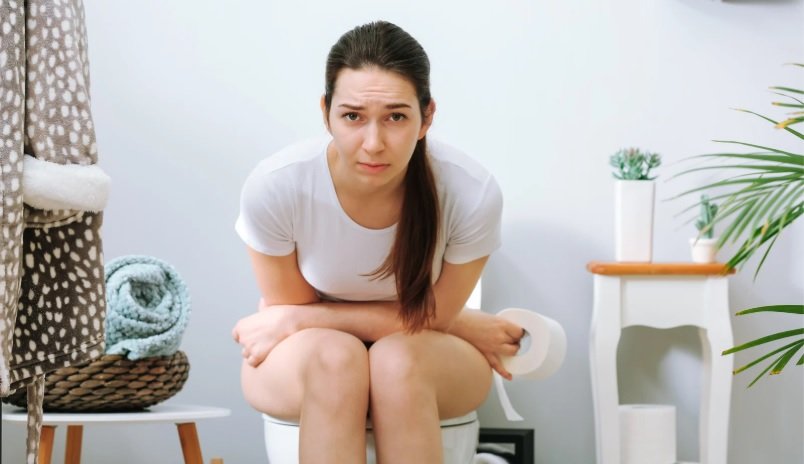
Constipation during ovulation—what’s the connection? If your digestion slows down around the middle of your cycle, you’re not imagining it. Could hormones really mess with your gut like that? Let’s look at what’s happening inside your body, and why you may get constipated before your period.
Constipation can occur during ovulation. Rising hormone levels, which prepare your body for a possible pregnancy, can relax smooth muscles, including those in your digestive tract. According to Dr. Jolene Brighten, a hormone expert, this hormonal shift can slow bowel movement and caused constipation or discomfort.
But what can you do to ease it and feel better during your cycle? From diet adjustments to simple lifestyle changes, there are ways to manage ovulation-related constipation. Keep reading to learn how your hormones affect digestion and how to stay regular through every phase of your cycle.
Can Ovulation Cause Constipation?
Ovulation can cause constipation in some women. During the menstrual cycle, particularly in the luteal phase, there is an increase in progesterone levels. This hormone relaxes the smooth muscle of the bowel, which can slow down defecation and lead to water retention.
Many women experience constipation during ovulation due to these hormonal fluctuations, which alter the digestive system’s normal functioning. In fact, it’s estimated that many women experience constipation around ovulation, which can be distressing and uncomfortable.
The increase in progesterone not only affects bowel movements but may also contribute to feelings of cramping and bloating. As the body prepares for a potential pregnancy, the digestive system may react to these hormonal changes, causing some women to get constipated.
Therefore, it is important to recognize the relationship between ovulation and constipation and to understand that this symptom can be a normal part of the menstrual cycle for many women.
Constipation During Ovulation: Is it Normal?
Experiencing constipation during ovulation is considered normal for many women. The hormonal changes that occur during this time can lead to constipation, especially due to the increase in progesterone.
This hormone tends to slow down the digestive process, which can make it challenging for some women to maintain regular bowel movements. Consequently, many women might experience constipation during the luteal phase of their menstrual cycle, which can also be accompanied by other digestive issues like bloating or cramping.
Link Between Ovulation and Constipation
The link between ovulation and constipation primarily revolves around hormonal changes, particularly the rise in progesterone levels. hormones progesterone can lead to constipation by relaxing the muscles of the bowel, which in turn slows down digestion.
Many women find that they might experience constipation during ovulation or in the days leading up to their period due to these hormonal fluctuations. Additionally, levels of prostaglandins, which are hormone-like substances, can influence irritable bowel syndrome, further establishing this connection.
How to Relieve Constipation During Ovulation?
How to deal with period poops? Relieving constipation during ovulation involves several lifestyle adjustments and home remedies. First and foremost, increasing fiber intake can significantly improve bowel movements. Incorporating whole grains, fresh fruits, and vegetables into your diet can promote digestive health and relieve constipation.
Additionally, staying hydrated by drinking plenty of water is essential, as it helps to soften stool and facilitate smoother defecation. Regular physical activity can also stimulate bowel function, making it an effective strategy for alleviating constipation during this time.
If dietary changes alone are not effective, over-the-counter laxatives can be considered; however, it is advisable to consult with a healthcare provider before starting any laxative regimen. In some cases, gentle herbal remedies like tea may also offer relief.
Keeping a balanced approach that combines dietary changes, hydration, and exercise can help manage constipation effectively and ensure that the digestive system operates smoothly during ovulation.
Ways to Alleviate Constipation During Ovulation
Here are effective ways to alleviate constipation during ovulation, when hormonal shifts (especially rising progesterone) can slow digestion:
✅ 1. Increase Fiber Intake
- Aim for 25–30 grams/day of fiber.
- Include:
- Fruits (berries, apples, pears)
- Vegetables (broccoli, spinach, carrots)
- Whole grains (oats, quinoa, brown rice)
- Legumes (beans, lentils)
💧 2. Stay Well-Hydrated
- Drink at least 8 glasses (2 liters) of water daily.
- Warm fluids (e.g., warm lemon water or herbal teas) may stimulate bowel movements.
🚶 3. Get Regular Exercise
- Try 20–30 minutes of walking, yoga, or light cardio daily.
- Physical activity promotes intestinal motility.
🧘 4. Manage Stress
- Cortisol (stress hormone) can slow digestion.
- Use:
- Deep breathing
- Meditation
- Gentle yoga
🥛 5. Add Natural Laxative Foods
- Prunes or prune juice
- Chia seeds soaked in water
- Flaxseeds (ground, added to smoothies or yogurt)
- Psyllium husk (fiber supplement, take with plenty of water)
🕓 6. Establish a Bathroom Routine
- Don’t ignore the urge to go.
- Try to go at the same time each day, preferably after meals.
💊 7. Consider Supplements (if needed)
- Magnesium citrate or magnesium oxide (draws water into the bowel)
- Probiotics (help balance gut bacteria)
- Stool softeners (short-term use only, as advised by a doctor)
Other Digestive Issues to Watch For
Aside from constipation, women may experience various digestive issues during ovulation and the luteal phase of their menstrual cycle. Bloating is a common symptom, often caused by hormonal fluctuations that affect the digestive system.
Some women might also experience cramping or discomfort in the abdominal area, which can be exacerbated by constipation or other digestive irregularities. Additionally, hormonal changes can lead to diarrhea for some women, creating a contrasting experience alongside constipation.
It’s important to be aware of these potential digestive issues as they can significantly affect overall well-being. Monitoring symptoms and keeping a journal can help identify patterns associated with the menstrual cycle.
If these digestive issues become severe or persist beyond the typical cycle, it may warrant a discussion with a healthcare provider to explore possible underlying conditions or treatment options.
When to See a Doctor or Other Healthcare Provider
While experiencing constipation during ovulation can be normal, it’s essential to know when to see a doctor or other healthcare provider. If constipation persists for an extended period or is accompanied by severe abdominal pain, cramping, or other concerning symptoms, it’s advisable to seek medical attention.
Additionally, if there are significant changes in bowel habits or if constipation interferes with daily life, discussing these issues with a healthcare provider can lead to valuable insights, prescription medication and potential treatment options.
Women should also consider seeing a healthcare provider if they experience symptoms like unexpected weight loss, blood in the stool, or prolonged nausea. These symptoms can indicate more serious underlying health issues that require immediate attention.
Being proactive about digestive health is paramount, and seeking professional guidance can ensure that any potential concerns are addressed promptly and effectively.
Commonly Asked Questions about Ovulation Constipation (FAQs)
Does ovulation cause constipation?
Yes, ovulation can cause constipation due to hormonal changes. Rising progesterone slows digestion, and some uterine cramps may occur. Stay hydrated and eat fiber to ease symptoms.
Why do we have normal bowel movements in the follicular phase?
In the follicular phase, estrogen dominates, promoting gut motility and regular bowel movements. Progesterone (which slows digestion) rises later, making this phase the easiest for digestion.
How Tracking Your Cycle Can Help Manage Constipation During Ovulation?
Tracking your cycle helps anticipate constipation around your period and days after ovulation, when hormones progesterone peaks. Adjust hydration, fiber, and exercise during these phases to ease digestive slowdown.
How to Take Care of Your Body when experience Ovulation Constipation?
Ovulation constipation it’s completely normal due to hormonal shifts. Stay hydrated, Avoid foods high in sugar, lactose, or caffeine, eat fiber-rich foods, and exercise lightly. If symptoms persist or worsen, talk to your doctor for guidance.
Why do we experience constipation after ovulation?
After ovulation, rising progesterone triggers digestive slowdown — swings that cause extreme constipation one month and diarrhea the next. Hydration, fiber, and movement help counter this hormonal shift for smoother digestion.
Why do we experience diarrhea during our period?
During your period, prostaglandins trigger uterine contractions and bowel movement, often causing diarrhea. Before bleeding, progesterone drops — constipation starts to become relief as hormones shift.
Is it normal to get constipation during the luteal phase?
Yes, constipation during the time of the month (luteal phase) is normal due to rising progesterone, making stools difficult to pass. Hydration and fiber can help ease symptoms.
Conclusion
Constipation during ovulation is a common experience linked to hormonal changes, particularly increased progesterone levels. While it can be uncomfortable, many women find that it is a temporary issue that resolves with the progression of their menstrual cycle. Understanding the connection between ovulation and constipation can empower women to manage their symptoms effectively through dietary changes, hydration, and regular exercise.
By recognizing the signs and symptoms of digestive issues, women can better navigate their menstrual cycles and seek medical advice when necessary. Ultimately, staying informed and proactive about digestive health can lead to improved overall well-being during ovulation and beyond. If symptoms persist, consulting a healthcare provider can provide tailored solutions and peace of mind.
You might also like
- Bloating During Ovulation: What’s Normal and What’s Not?
- What Is DPO in Pregnancy and Why Early Detection Matters
- 7 Hidden Symptoms of Luteal Phase – Every Woman Should Know
- Endometriosis and Diarrhea While Ovulation (Best Treatment)
- Cramping 3 Days After Ovulation Could I Be Pregnant?