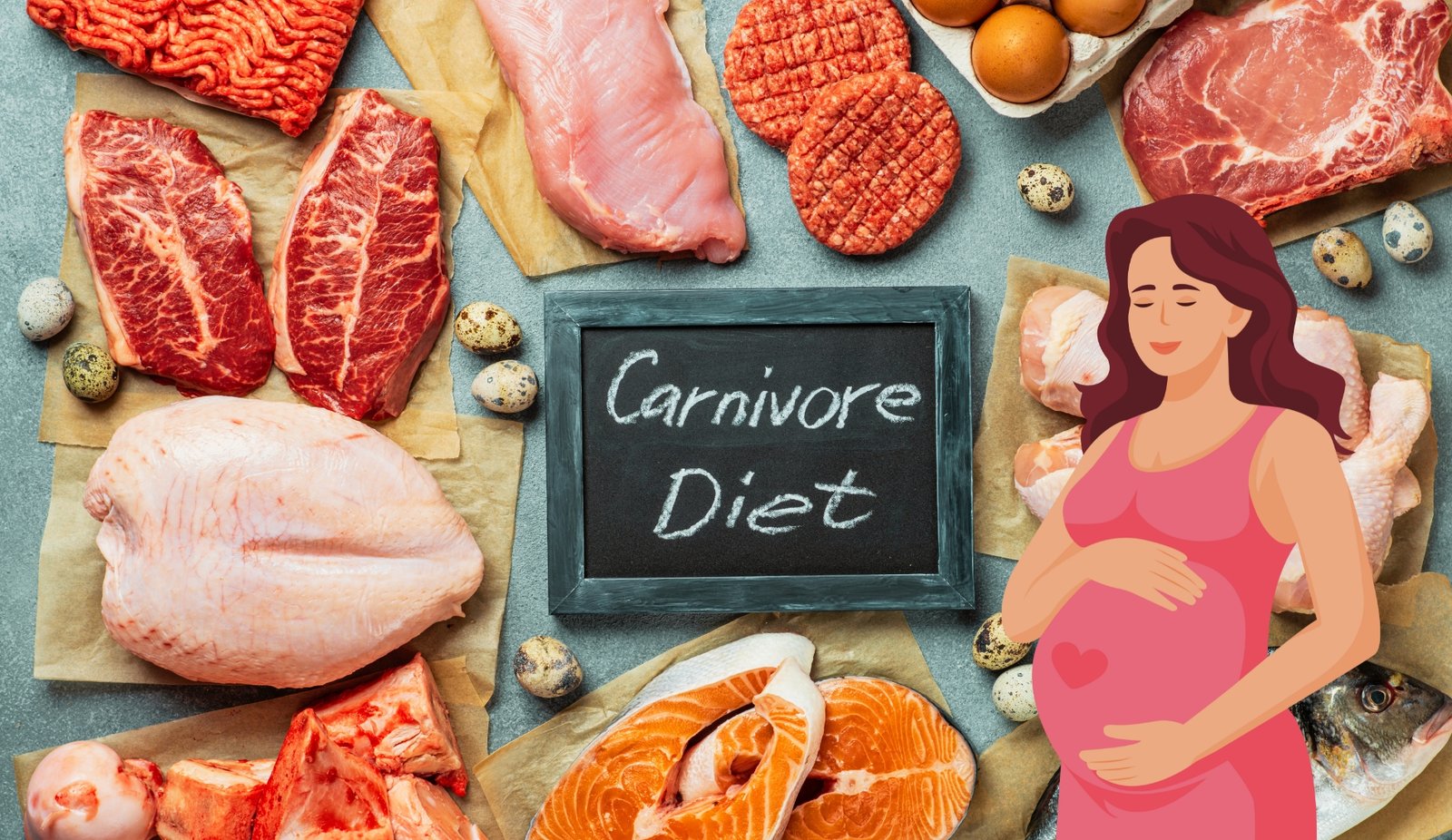
Considering a strict meat-based diet while expecting? Many moms-to-be are now asking, is the carnivore diet while pregnant safe? With growing popularity around zero-carb eating, it’s worth exploring how this diet fits into a healthy pregnancy.
The carnivore diet, which excludes all plant foods, is controversial during pregnancy. Experts like Dr. Nicole Avena, a nutrition researcher, warn that it may lack key nutrients like fiber, folate, and vitamin C. Most OB-GYNs recommend a more balanced approach to meet both mom’s and baby’s needs.
Still, every body responds differently. Curious about what the risks are, what nutrients may be missing, and how to adapt it safely if you choose to try? Let’s take a closer look at what the science and doctors say about carnivore diets during pregnancy.
Introduction to the Carnivore Diet and Pregnancy
The carnivore diet is a restrictive way of eating that includes only animal products, such as meat, fish, and dairy, while excluding all plant foods and food groups. Pregnant women often seek a balanced diet during pregnancy to ensure the health and development of their baby.
However, many wonder if following a carnivore diet during pregnancy could meet their nutritional needs. The intersection of diet and pregnancy is crucial, as the dietary choices a mother makes can significantly impact fetal growth and development. Understanding the implications of adopting such a strict diet is essential for expectant mothers considering this approach.
As research on the carnivore diet continues to evolve, pregnant women must weigh the potential benefits against the risks. Some proponents of the carnivore diet claim it may reduce inflammation and improve overall health, but these assertions must be scrutinized when applied to pregnancy.
Expectant mothers should consult healthcare providers before starting any diet plan, especially one as restrictive as the carnivore diet. By doing so, they can ensure they are making informed decisions that prioritize their health and the well-being of their baby.
How Does the Carnivore Diet Work?
The carnivore diet primarily operates on the premise that human beings can thrive on animal products alone, avoiding carbohydrates and plant-based foods. This low-carb diet encourages the consumption of meats, organ meats, and fatty cuts, which are believed to provide essential nutrients.
The absence of plant foods in this diet means that followers consume high amounts of saturated fat and protein while completely eliminating sugars and starches. The carnivore diet may lead to a state of ketosis, where the body relies on fat for energy instead of carbohydrates.
In terms of nutrient absorption, the carnivore diet can offer a concentrated source of micronutrients, such as vitamins A, B12, and iron, which are abundant in animal products. However, the lack of dietary diversity raises concerns, especially during pregnancy when a balanced intake of various nutrients is critical.
Pregnant women require additional folate, omega-3 fatty acids, and other essential vitamins and minerals to support their growing baby’s development. Understanding how the carnivore diet works is crucial for making informed dietary choices during pregnancy.
Can You Do the Carnivore Diet While Pregnant?
When considering the carnivore diet while pregnant, it’s essential to evaluate both the potential benefits and risks. While some individuals may find success with this way of eating, it may not be suitable for everyone, especially pregnant women.
The lack of variety in the diet can lead to deficiencies in essential micronutrients not found in animal products. For instance, pregnant women need adequate folate for fetal development, which is typically sourced from leafy greens and legumes, both of which are excluded in a strict carnivore diet.
Additionally, pregnant women may experience specific health concerns, such as constipation, which can be exacerbated by a low-fiber diet. The absence of plant foods may lead to digestive issues, making it vital to assess how the carnivore diet aligns with individual health needs during pregnancy.
Consulting a healthcare professional can provide guidance on whether this restrictive diet is safe and if a modified carnivore diet might be more appropriate, allowing for some flexibility in food choices to ensure both mother and baby receive adequate nutrition.
What is A Modified Carnivore Diet?
A modified carnivore diet, often referred to as the “ketovore” or “lion diet,” allows for slight variations in dietary choices while still prioritizing animal products. This approach can include limited amounts of low-carb vegetables or specific plant foods known for their health benefits, providing a more balanced intake of nutrients.
For pregnant women, a modified carnivore diet can offer a way to enjoy the advantages of animal-based nutrients while accommodating essential micronutrients necessary for a healthy pregnancy.
By incorporating small amounts of nutrient-rich plant foods, such as avocados or leafy greens, pregnant women can help combat potential deficiencies while still adhering to their carnivore principles. This flexibility may also aid in addressing common pregnancy-related concerns such as constipation or digestive discomfort.
Ultimately, a modified carnivore diet can serve as a more inclusive dietary plan that supports the unique nutritional demands of pregnancy while still focusing on the primary principles of the carnivore approach.
Potential Benefits of Carnivore Diet During Pregnancy
The carnivore diet, which consists primarily of animal products, is a controversial eating pattern, especially during pregnancy. Here are some potential benefits that proponents may cite, though it’s essential to approach this topic with caution and consult healthcare professionals:
1. Nutrient Density
- High in Essential Nutrients: Animal products provide concentrated sources of protein, iron, zinc, and vitamins such as B12, which are vital for fetal development.
2. Simplicity
- Reduced Complexity: The diet is straightforward, focusing on meat, fish, and animal-derived products, which may make meal planning easier.
3. Stable Blood Sugar Levels
- Low Carbohydrate Intake: Some advocate that a low-carb approach can help stabilize blood sugar levels, which may reduce the risk of gestational diabetes.
4. Improved Satiety
- High Protein and Fat Content: These macronutrients can promote a feeling of fullness, potentially reducing cravings and unhealthy snacking.
5. Potential Reduction in Inflammation
- Anti-Inflammatory Effects: Some believe that the diet may help reduce inflammation, which could be beneficial during pregnancy.
6. Enhanced Mental Clarity
- Omega-3 Fatty Acids: Consuming fatty fish can provide essential omega-3s, which are important for brain health and development.
Caution
While there are potential benefits, the carnivore diet may lack essential nutrients typically found in fruits, vegetables, and whole grains. It’s crucial to consider:
- Nutritional Balance: A well-rounded diet is generally recommended for pregnancy.
- Fiber Intake: Lack of fiber can lead to digestive issues.
- Consultation with Healthcare Providers: Always discuss dietary changes with a healthcare professional, especially during pregnancy.
Essential Nutrients for Pregnancy and Their Sources in a Carnivore Diet
During pregnancy, essential nutrients play a critical role in supporting both maternal health and fetal development. Key nutrients include folate, iron, omega-3 fatty acids, and protein, each contributing uniquely to a healthy pregnancy.
In a carnivore diet, these nutrients can primarily be sourced from high-quality animal products. For instance, organ meats, such as liver, are dense in folate and iron, while fatty fish offer ample omega-3 fatty acids necessary for brain development.
However, it is important to note that while these nutrients are available through a carnivore diet, the lack of dietary diversity may limit the intake of some vitamins typically found in plant foods.
Pregnant women must ensure they are consuming a variety of animal products, including different meats, fish, and dairy, to optimize their nutrient intake. Additionally, monitoring potential nutrient deficiencies and consulting with healthcare professionals can help pregnant women navigate their nutritional needs effectively while following a carnivore diet.
Alternative Diets for Pregnancy Nutrition
Maintaining proper nutrition during pregnancy is essential for both maternal health and fetal development. While the conventional pregnancy diet includes a variety of food groups—such as lean proteins, dairy, whole grains, fruits, and vegetables—some women follow alternative diets due to health beliefs, ethical concerns, allergies, or cultural reasons. Below are several alternative diets that can support a healthy pregnancy, along with key considerations:
1. Vegetarian Diet
Focus: Excludes meat, fish, and poultry.
Nutrition Tips:
- Protein: Include legumes, tofu, tempeh, eggs, dairy (if not vegan).
- Iron: Dark leafy greens, fortified cereals, legumes, and dried fruits. Pair with vitamin C-rich foods.
- Vitamin B12: Fortified foods or supplements.
- Calcium & Vitamin D: Fortified plant milks, dairy, and leafy greens.
2. Vegan Diet
Focus: Excludes all animal products.
Nutrition Tips:
- Protein: Legumes, lentils, tofu, tempeh, quinoa, nuts, seeds.
- Omega-3s: Chia seeds, flaxseeds, walnuts, and algae-based DHA supplements.
- B12 & Iron: Must supplement B12; consume iron-rich plants and vitamin C together.
- Calcium & Vitamin D: Use fortified non-dairy milks and consider supplementation.
3. Gluten-Free Diet
Focus: Necessary for women with celiac disease or gluten sensitivity.
Nutrition Tips:
- Whole grains: Choose quinoa, buckwheat, rice, amaranth, and certified gluten-free oats.
- Fiber & B vitamins: Ensure adequate intake through fruits, veggies, and fortified gluten-free products.
- Watch for hidden gluten in sauces and processed foods.
4. Paleo Diet
Focus: Emphasizes whole foods; excludes grains, legumes, dairy, and processed foods.
Nutrition Tips:
- Calcium: Non-dairy sources like leafy greens, sesame seeds, and bone broth.
- Carbohydrates: Sweet potatoes, fruits, and winter squash.
- Ensure balance: May need additional fiber and energy-dense foods for pregnancy.
5. Ketogenic Diet
Note: Carbohydrate diets not recommended during pregnancy due to low carbohydrate intake, which can impair fetal brain development.
If medically advised (e.g., for epilepsy), it must be strictly monitored by a healthcare provider.
6. Mediterranean Diet
Focus: Plant-based with emphasis on fruits, vegetables, whole grains, healthy fats, and moderate dairy/fish.
Nutrition Tips:
- High in fiber, healthy fats (olive oil, nuts), and antioxidants.
- Encourages balanced, nutrient-dense meals.
- Considered one of the best diets for pregnancy by many health professionals.
General Supplementation Advice for All Diets:
- Prenatal vitamins with folic acid, iron, calcium, DHA, and B12 as needed.
- Iodine and choline are also critical and often overlooked—found in eggs, dairy, and certain supplements.
Commonly Asked QUestions about Carnivore Diet Food List (FAQs)
Can Carnivore Diet help you lose weight?
Yes, the Carnivore Diet can help you lose weight by eliminating carbs, reducing appetite, and increasing protein/fat satiety. Short-term results may occur, but long-term effects and nutrient balance require caution. Consult a doctor.
How the Carnivore Diet for Fertility Reduces Inflammation?
The Carnivore Diet may reduce inflammation by eliminating inflammatory plant compounds and processed foods. High-quality animal fats and proteins support gut health and hormonal balance, potentially improving fertility.
What is the Ketovore Diet?
The Ketovore diet combines keto and carnivore approaches: high-fat, moderate-protein, very low-carb, focusing on animal foods with some low-carb plants for metabolic health and weight loss.
What does science say about meat-only diet during pregnancy?
Limited research suggests a strict meat-only diet during pregnancy may lack key nutrients (folate, fiber, calcium), potentially increasing risks; consult a doctor for balanced nutrition.
Conclusion
Can you do carnivore diet while pregnant? In conclusion, while the carnivore diet may offer some potential benefits, it is crucial for pregnant women to carefully consider their nutritional needs and the implications of such a restrictive diet. The importance of a balanced diet during pregnancy cannot be overstated, as it significantly impacts both maternal health and fetal development. Consulting with healthcare providers can help pregnant women navigate their dietary choices, whether they choose to follow a carnivore diet, a modified version, or alternative nutrition plans that promote overall health and well-being during this critical time.
Ultimately, the decision to adhere to a specific diet during pregnancy should be made with careful consideration of the available research and personal health circumstances. A well-rounded approach that prioritizes the intake of essential nutrients, regardless of the dietary framework, is crucial for a healthy pregnancy and a thriving baby. By being informed and proactive about nutritional choices, expectant mothers can support their health and the health of their child effectively.
Recommended posts
- 28 Day Diet Plan to Get Pregnant (Best Fertility Food List)
- 7 Warning Signs of Bad Egg Quality Every Woman Should Know
- Does Folic Acid Help in Conceiving a Healthy Baby (Advice)
- 7 Best Fertility Supplements for Women That Actually Work