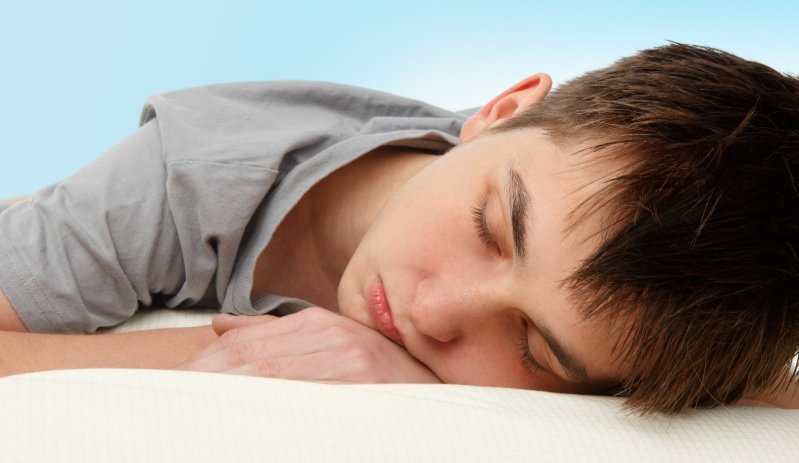
Why does your teenager seem to sleep all day, even after a full night’s rest? Is it laziness, or is there something deeper at play? Understanding teenage sleep patterns can feel confusing for parents, but science has some clear answers for this question “why does teenager sleep so much“.
Teenagers sleep more because their bodies and brains are going through intense developmental changes. Experts like Dr. Mary Carskadon, a leading sleep researcher, explain that hormonal shifts during puberty delay the natural sleep cycle, pushing night owls teens to sleep later and need more rest. On average, teens need 8 to 10 hours of sleep—but most fall short due to school and screen time.
But that’s just scratching the surface. Dr. Carskadon’s research also uncovers how lack of sleep affects mood, memory, and academic performance. So, if you’re curious about what’s really happening behind those closed bedroom doors, let’s dive into the science-backed truth about teen sleep.
How Much Sleep Do Teenagers Need, and Should They Have a Bedtime?
The American Academy of Sleep Medicine recommends that teenagers need around 8 to 10 hours of sleep per night to function optimally. However, many teens struggle to achieve this, often going to bed late due to academic and social pressures.
Establishing a consistent bedtime can help regulate their sleep schedule, promoting better sleep quality and overall health. A regular sleep routine can also reduce excessive daytime sleepiness, allowing teenagers to wake up feeling refreshed and ready for the day.
With the increasing demands of school and extracurricular activities, many teenagers find it challenging to prioritize sleep. This lack of sleep can lead to a myriad of problems, including poor academic performance and increased irritability.
Therefore, encouraging a structured sleep schedule with a designated bedtime can be beneficial. Not only does this help ensure that teens receive the necessary hours of sleep, but it also fosters healthy sleep hygiene practices for their future.
Why Does Teenager Sleep So Much?
Teenagers often experience a natural increase in sleep needs due to hormonal changes during puberty. This biological shift can lead to prolonged sleepiness, as their bodies demand more rest to support growth and development.
Additionally, factors such as late-night screen time and social activities can disrupt their sleep patterns, leading to a cycle of sleep deprivation. Understanding these factors can help parents and guardians create environments conducive to better sleep.
Moreover, the prevalence of sleep disorders, such as obstructive sleep apnea and restless legs syndrome, can contribute to excessive sleepiness among teenagers. These conditions can hinder the quality of sleep, causing them to feel tired even after what seems like sufficient sleep time.
Recognizing the signs of sleep problems is crucial, as early intervention can significantly improve their overall well-being and help them achieve the necessary hours of sleep for optimal functioning.
Common Reasons of Teenage Sleep Deprivation
Teenage sleep deprivation is a common issue influenced by biological, social, and lifestyle factors. Here are the most common causes:
1. Biological Factors (Sleep Phase Shift)
- Delayed Sleep-Wake Phase: During puberty, teens experience a shift in their circadian rhythm, making it harder to fall asleep before 11 PM or midnight.
- Melatonin Release: Melatonin (the sleep hormone) is released later at night, making early bedtimes difficult.
2. Early School Start Times
- Many high schools start before 8:30 AM, conflicting with teens’ natural sleep cycles.
- Early wake-up times lead to chronic sleep loss, as teens struggle to get the recommended 8–10 hours of sleep.
3. Excessive Screen Time & Blue Light Exposure
- Phones, tablets, and computers emit blue light, which suppresses melatonin production.
- Late-night social media, gaming, or streaming keep teens mentally stimulated, delaying sleep.
4. Academic Pressure & Homework
- Heavy workloads, exams, and extracurricular activities reduce sleep time.
- Late-night studying or stress about grades can cause insomnia.
5. Social & Extracurricular Demands
- Sports, clubs, part-time jobs, and social commitments eat into sleep time.
- FOMO (Fear of Missing Out) leads teens to stay up late engaging with friends online.
6. Caffeine & Poor Sleep Habits
- Energy drinks, coffee, or soda consumed in the afternoon/evening disrupt sleep.
- Irregular sleep schedules (e.g., sleeping in on weekends) worsen sleep quality.
7. Mental Health Issues
- Anxiety, depression, and stress can lead to insomnia or restless sleep.
- Overthinking and emotional distress make it harder to fall asleep.
8. Environmental Factors
- Noisy households, uncomfortable bedding, or bright rooms interfere with sleep.
- Sharing a room with siblings can also disrupt rest.
Solutions to Improve Teen Sleep
- Set consistent sleep schedules (even on weekends).
- Limit screens 1–2 hours before bed (use night mode if needed).
- Advocate for later school start times (many districts are shifting to 8:30 AM or later).
- Encourage relaxation techniques (reading, meditation, warm showers before bed).
- Reduce caffeine intake (especially after 3 PM).
Teen sleep deprivation can affect mood, grades, and long-term health, so addressing these causes is crucial. Would you like tips on creating a better sleep routine?
How Many Hours of Sleep Does a Teenager Need?
Teenagers typically require between 8 to 10 hours of sleep every night to function at their best. However, many are not getting enough sleep due to various factors, including social commitments and academic demands.
This lack of sleep can result in daytime sleepiness and difficulty concentrating in school. It’s essential to recognize that quality sleep is just as important as the number of hours spent asleep; restorative sleep enhances cognitive function and emotional regulation.
Additionally, understanding the importance of REM sleep is crucial for teenagers. This stage of sleep is vital for memory consolidation and emotional processing, both of which are important during this developmental stage.
Encouraging a sleep environment that promotes quality sleep can help teens achieve the recommended hours of sleep per night, ultimately leading to improved mood and performance in daily activities.
Are Teens in America Getting Enough Sleep?
Research indicates that many teenagers in America are not getting sufficient sleep. Studies show that a significant percentage of high school students report feeling tired during the day, often due to a lack of sleep.
Factors such as early school start times, homework demands, and social activities contribute to this widespread issue of insufficient sleep among teenagers. The trend of sleep deprivation can have long-term implications on their health and well-being.
In light of these findings, it’s essential to advocate for changes in school policies regarding start times and to promote the importance of sleep hygiene among teens.
Schools and parents can work together to create a supportive environment that values adequate sleep. By addressing the barriers to sleep, we can help ensure that American teenagers get the quality sleep they need to thrive academically and socially.
5 Effects of Teenage Sleep Deprivation
Teenage sleep deprivation can have widespread and serious effects on both mental and physical health. Here’s a breakdown of the main consequences:
1. Cognitive and Academic Impairments
- Reduced concentration and memory: Lack of sleep impairs attention, problem-solving, and memory consolidation.
- Lower academic performance: Teens who don’t get enough sleep often struggle with homework, tests, and class participation.
2. Emotional and Mental Health Issues
- Increased risk of depression and anxiety: Sleep deprivation disrupts emotional regulation.
- Mood swings and irritability: Teens may become more short-tempered and emotionally volatile.
- Increased risk of suicidal thoughts: Chronic lack of sleep has been linked to heightened emotional distress and suicidal ideation.
3. Behavioral and Social Problems
- Impulsivity and poor decision-making: Sleep-deprived teens may take more risks or engage in dangerous behaviors.
- Conflict with family and peers: Tired teens are more likely to experience arguments and social isolation.
4. Physical Health Effects
- Weakened immune system: Making them more susceptible to illness.
- Weight gain and obesity: Disrupted sleep affects hormones that regulate appetite.
- Increased risk of high blood pressure and diabetes: Especially if sleep deprivation is chronic.
5. Safety Risks
- Drowsy driving: Teen drivers with insufficient sleep are more prone to car accidents.
- Sports and physical injuries: Reduced coordination and slower reaction times raise the risk of injury.
The Importance of Sleep for Good Mental Health
Quality sleep is crucial for maintaining good mental health in teenagers. During sleep, the brain processes emotions and consolidates memories, making it easier for teens to navigate the complexities of adolescence.
Insufficient sleep can lead to mood disorders and increase the risk of developing mental health issues. Therefore, promoting healthy sleep habits is essential for fostering resilience and emotional stability in teenagers.
Moreover, sleep plays a vital role in regulating stress levels. When teenagers do not get enough sleep, they are more likely to feel overwhelmed by daily challenges.
By ensuring that they prioritize sleep and engage in positive sleep hygiene practices, we can support their mental health and help them cope with the ups and downs of teenage life. Encouraging open discussions about the importance of sleep can empower teens to take charge of their mental well-being.
How Can Teens Get Better Sleep? Top sleep tips for teenagers
To achieve better sleep, teenagers can adopt several effective strategies. First, establishing a consistent sleep schedule can help regulate their internal clocks, making it easier to fall asleep and wake up at the same time each day.
Creating a calming bedtime routine that avoids screens and promotes relaxation can significantly improve sleep quality. Simple changes like dimming the lights and reading a book can signal to the body that it’s time to unwind.
Furthermore, improving sleep hygiene is key to better sleep. This includes creating a comfortable sleep environment, free from distractions, and maintaining a cool, dark, and quiet bedroom.
Limiting caffeine intake, especially in the afternoon and evening, is also essential, as it can interfere with sleep patterns. By implementing these strategies, teenagers can cultivate healthier sleep habits that support their overall well-being and help them get the necessary hours of sleep each night.
Commonly Asked Questions about Sleep Patterns and Teens (FAQs)
Why do teenagers need more sleep compared to adults?
Research suggests that a teenager needs between eight to ten hours of sleep each night to support their developing brains and bodies. During adolescence, the body is undergoing significant changes, which increases the need for restorative sleep.
What are the main causes of excessive sleepiness in teenagers?
There are several factors that can contribute to excessive sleeping in teenagers, including hormonal changes, sleep disturbances, poor sleep quality, and the tendency of teens to stay up later in the evening, which disrupts their natural sleep cycles.
How do sleep disturbances affect teenagers and sleep quality?
Sleep disturbances, such as sleep apnoea or fragmented sleep, can significantly reduce the quality of sleep in adolescents. This can lead to increased tiredness during the day and impact their overall health and academic performance.
What role does sleep research play in understanding teens and sleep patterns?
Sleep research is crucial in understanding the unique sleep patterns and needs of teenagers. Studies published in journals like the Journal of Clinical Sleep Medicine help identify how factors like later bedtimes and electronic device usage contribute to sleep issues in this age group.
Can lack of sleep affect a teenager’s mental health?
Yes, poor sleep quality and less sleep can lead to mental health issues such as anxiety and depression. Psychiatry and sleep studies indicate that a consistent sleep schedule is vital for emotional well-being in adolescents.
How much sleep do teenagers typically get, and is it enough?
Many teens do not get the recommended amount of sleep, often averaging around six to seven hours per night. This is less than the eight to ten hours suggested by sleep experts, leading to increased fatigue and cognitive issues.
What can parents do to help their teens get better sleep?
Parents can encourage healthy sleep habits by establishing a consistent bedtime routine, limiting screen time before bed, and creating a comfortable sleep environment. This helps teens achieve the additional sleep that supports their overall health.
Are there any long-term effects of poor sleep in adolescents?
Yes, research indicates that chronic sleep deprivation in teenagers can lead to long-term consequences, including academic struggles, increased risk of obesity, and impaired emotional regulation. Ensuring teens get enough sleep is critical for their development.
How can a teenager’s lifestyle choices impact their sleep?
Lifestyle choices such as caffeine consumption, late-night social activities, and irregular sleep schedules can disrupt a teenager’s ability to get quality sleep. These factors contribute to excessive sleepiness and may necessitate changes to improve sleep hygiene.
Conclusion
why does my teenager sleep so much? Understanding why teenagers sleep so much is essential for promoting their health and well-being. Factors such as hormonal changes, academic pressures, and sleep disorders contribute to excessive sleepiness and sleep deprivation. By recognizing the importance of sleep, encouraging better sleep habits, and fostering a supportive environment, we can help teenagers achieve the quality sleep they need to thrive. Prioritizing sleep is not just a necessity; it’s an investment in their future health and happiness.
Recommended posts
- Teenager Peeing: When to Worry and How to Handle Bedwetting
- Teenagers in the 90’s: Exploring Life Before the Digital Age
- How many hours teenager can work: (Child Labor Laws)