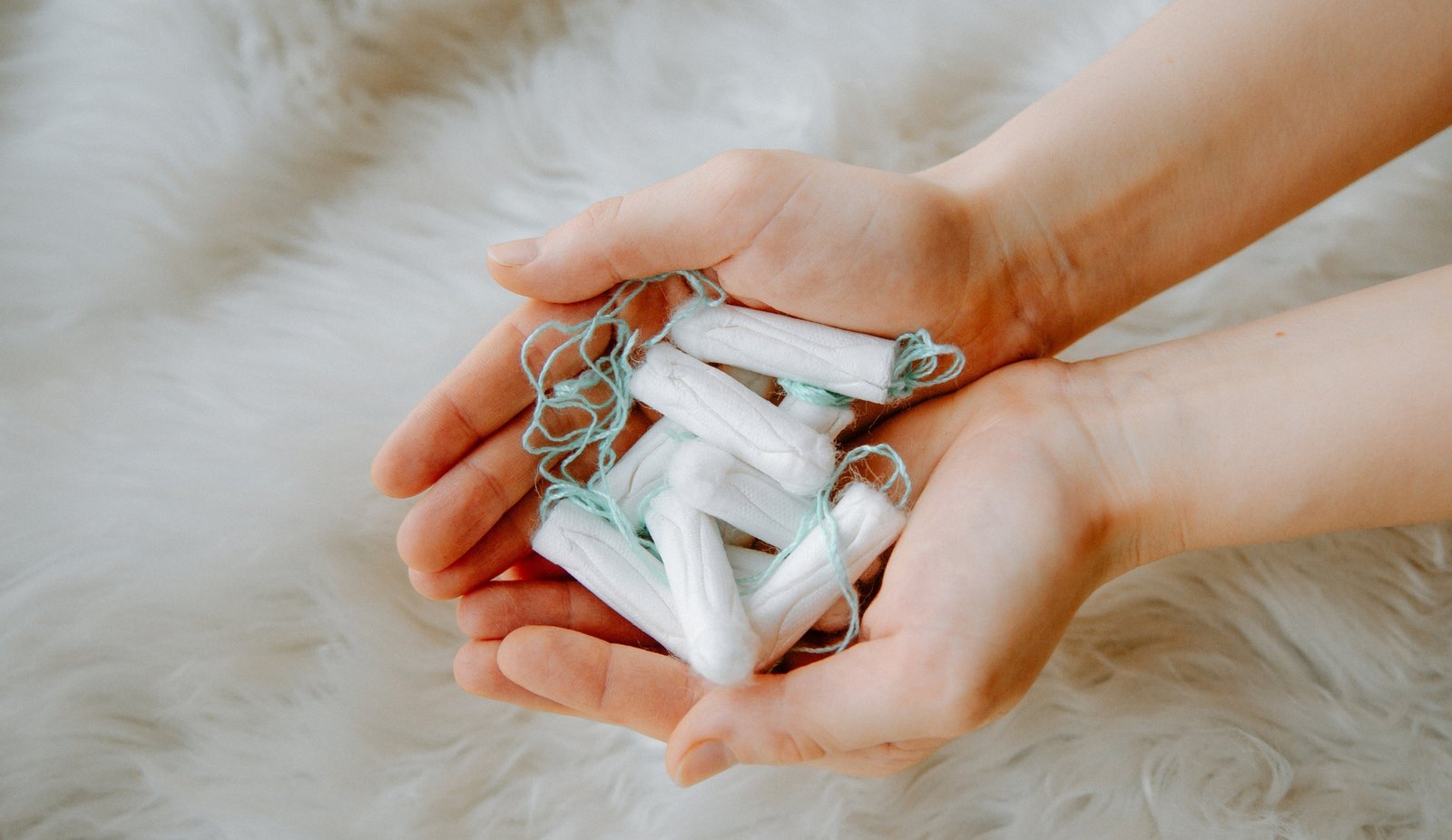
Teenagers and tampons—why is it still such a hush-hush topic in many households? Isn’t it time we made menstrual products part of everyday conversation, especially for teens starting their journey? If you’re a parent, teen, or educator wondering when and how to talk about tampons, you’re not alone.
Tampons are a safe and effective option for teens when used correctly. Many gynecologists, including Dr. Jen Gunter, emphasize that there’s no minimum age—just proper knowledge and comfort. This article breaks down how to choose, use, and talk about tampons teenager use openly and confidently.
But that’s just the tip of the iceberg. We’ll also address myths, share expert tips, and include trusted insights to help teens make informed choices. So, let’s bust some taboos and dive into everything teenagers need to know about tampons!
At What Age Should Your Child Start to Use Tampons?
Many parents wonder at what age their child should start to use a tampon. Generally, girls can begin to use tampons during their first menstrual period, which typically occurs between the ages of 10 and 15. However, readiness varies from individual to individual. It’s important to ensure that your teen feels comfortable and confident before they attempt to insert a tampon into the vagina.
Discussing their menstrual flow and the various options available, such as pads and tampons teenager, can help them make informed decisions. By fostering open communication, parents can help demystify tampon use and dispel any concerns their daughter may have.
As your daughter approaches her first period, consider introducing the idea of tampon use gently. Explain that many teens find tampons convenient because they allow for more freedom during activities like swimming or sports, which pads may restrict.
Encourage her to consider her comfort level, as some teens might prefer use pads or period underwear initially and transition to tampons later. It’s essential to respect her choices and provide guidance without pressure, reinforcing the idea that menstruation is a natural part of growing up. Ultimately, the goal is to ensure she feels empowered and informed about her options during this significant life stage.
How to insert a Tampon for the first time?
Inserting a tampon for the first time can be a daunting task for many teens. To ease this process, it is crucial to choose a tampon with a comfortable absorbency tampon level, ideally designed for beginners. Before attempting to insert a tampon, it’s advisable to wash hands thoroughly and find a comfortable, private space.
Insert it as far as your thumb and middle finger, at the grip – or middle – of the applicator. After the barrel is securely in place, grasp the handle and use your index finger to press on the smaller tube, guiding the absorbent portion of the tampon into the vagina. Continue pushing until it reaches the handle and your other fingers.
The key to successful tampon insertion is to relax the vaginal muscles, which can be achieved by taking deep breaths. Once ready, the teen should hold the tip of the tampon and angle it toward the lowest absorbency back before gently inserting it into the vagina.
To ensure proper tampon placement, the teen should push the applicator until their fingers touch their body, then use their index finger to push the tampon into place. If the tampon feels uncomfortable, it may not be inserted correctly, and it’s important to remove it and try again.
Remind your tween or teen that it’s perfectly normal to practice and that they should never feel ashamed. After insertion, it’s essential to emphasize that they should change their tampon every four to six hours to maintain tampon safety and reduce the risk of infections or toxic shock syndrome (TSS). Providing support and guidance during this learning process can help alleviate fears and build confidence.
9 Tips for Teaching Your Teen to Use Tampons
Here are some helpful and supportive tips for teaching your teen to use tampons, presented in a way that encourages open communication, body confidence, and self-care:
1. Create a Comfortable Environment
- Start with an open conversation. Make sure your teen knows that talking about periods is normal and nothing to be embarrassed about.
- Use a calm and reassuring tone. Normalize the learning process and let them know it’s okay if it takes time.
2. Provide the Right Products
- Start with slim or “light” tampons. These are smaller and easier to insert, making them a better choice for beginners.
- Choose tampons with applicators. Plastic applicators with rounded tips can be more comfortable and easier to use than cardboard or non-applicator options.
3. Explain How Tampons Work
- Use diagrams or videos. Showing a simple illustration of female anatomy can help them understand where you leave a tampon goes.
- Demonstrate with an unused tampon. Let them examine it and see how the applicator works.
4. Encourage Hygiene
- Always wash hands before and after. Emphasize cleanliness to reduce the risk of infections.
- Change tampons every 4–8 hours. This prevents odor and helps avoid Toxic Shock Syndrome (TSS).
5. Offer Step-by-Step Instructions
- Relax the body. Suggest trying it when they’re calm—after a shower can be a good time.
- Find a comfortable position. Squatting, sitting on the toilet, or standing with one leg raised are common positions.
- Gently insert the applicator. Aim it slightly toward the lower back, then press the plunger to release the tampon.
6. Normalize Trial and Error
- Let them know it might take a few tries. Reassure them that this is completely normal.
- Encourage them to take breaks if needed. There’s no pressure to get it right the first time.
7. Be Available but Respectful
- Offer to be nearby for support. Let them know they can call on you if they have questions or need help.
- Respect their privacy. Give them space if they prefer to try it alone.
8. Share Personal Tips (If Comfortable)
- Real experiences help. If you’re comfortable, sharing your own learning experience can make them feel less alone.
9. Address Common Concerns
- It won’t get “lost” inside. Tampons can’t go beyond the vaginal canal.
- It shouldn’t hurt. If it does, it may not be inserted correctly.
- They can still use the bathroom. Tampons don’t block urination or bowel movements.
Tampon Safety to Help Guide Your Daughter
Tampon safety is paramount when teaching your daughter about menstrual health. One of the most critical aspects of tampon safety is understanding the importance of changing tampons frequently. To minimize the risk of toxic shock syndrome (TSS), it is crucial that tampon users change their tampon every four to six hours, depending on their menstrual flow.
Educate your daughter on the signs of TSS, which can include sudden fever, rash, and dizziness, and encourage her to seek medical attention if she experiences these symptoms of tss. Emphasizing the importance of proper tampon use can help mitigate potential health risks.
Another essential element of tampon safety is maintaining good hygiene practices. Teach your daughter to wash her hands before and after inserting or removing a tampon to prevent bacterial infections. Additionally, remind her to store her tampons in a cool, dry place, and to avoid using tampons that are past their expiration date.
As your daughter becomes more familiar with tampon use, encourage her to explore different absorbency levels to find the best fit for her menstrual flow. By instilling these tampon safety principles, you can help your daughter make informed decisions about her menstrual health and well-being.
Infections, Depression and School Absences
Understanding the potential health implications of tampon use is essential for teens and their parents. While tampons are generally safe when used correctly, improper use can lead to infections, including bacterial vaginosis or yeast infections.
Symptoms may include itching, unusual discharge, or discomfort. It’s important to educate your daughter about recognizing these signs and seeking medical help if necessary. Additionally, menstrual pain and discomfort can lead to school absences, which may affect your teen’s mental health and academic performance. Ensuring proper tampon use and menstrual management can help mitigate these issues.
Moreover, the emotional toll of menstruation can sometimes lead to feelings of depression or anxiety in adolescents. It’s crucial to encourage open conversations about these feelings and to normalize the challenges associated with menstruation.
Remind your daughter that she is not alone in her experiences and that many teens struggle with similar feelings. Providing support through this time can help her manage her emotions and develop healthy coping strategies. By addressing both the physical and emotional aspects of menstruation, parents can play a significant role in their teen’s overall well-being.
Adolescent and Pediatric Gynecology
Adolescent and pediatric gynecology is a specialized field that focuses on the reproductive health of young women. This area of medicine addresses various concerns, including menstruation, sexual health, and the appropriate use of feminine hygiene products, such as tampons.
Regular check-ups with a pediatric gynecologist can provide teens with essential information and support regarding their menstrual health. These professionals can offer guidance on safe tampon use, address any concerns about infections, and discuss the importance of regular health screenings.
Additionally, pediatric gynecologists can help educate young women about their bodies, empowering them to make informed decisions about their health. By fostering a trusting relationship with a healthcare provider, teens can feel more comfortable discussing sensitive topics related to their menstrual health.
Encouraging your daughter to seek advice from an adolescent medicine specialist can help her navigate the complexities of puberty and menstruation more confidently. Ultimately, prioritizing regular visits to a healthcare professional can contribute significantly to a young woman’s overall health and understanding of her body.
Teenagers and Tampons Conclusion
In conclusion, understanding the use of tampons teenager and fostering healthy habits surrounding menstrual health is crucial for teenagers. By breaking down the myths and misconceptions about tampon use, parents can empower their daughters to make informed choices regarding their bodies. Open communication about tampon safety, proper insertion techniques, and the importance of maintaining hygiene can help alleviate fears and uncertainty. Moreover, recognizing the potential health implications of tampon use can ensure that young women prioritize their well-being.
It’s essential to create a supportive environment where teens feel comfortable discussing their menstrual health and seeking guidance when needed. By promoting education and awareness, we can help adolescents navigate their menstrual journeys with confidence. Ultimately, understanding tampons and wear a tampon overnight is a vital component of adolescent health, and with the right information and support, teens can embrace this natural transition into womanhood. Establishing healthy habits now will lead to a lifetime of informed choices regarding menstrual and reproductive health.
Recommended posts
- Teenage Mood Swings: Causes, Signs, and Effective Solution
- 5 Common Causes of Teenage Hair Loss & Quick Treatment!
- Teenager Peeing: When to Worry and How to Handle Bedwetting