Wondering how to give a toddler medicine without a meltdown? You’re definitely not alone—many parents struggle with squirmy little ones who refuse to take their meds. Is there a trick to make this process smoother and less stressful for everyone?
Yes, giving medicine to a toddler can be easier with the right techniques. Experts like Dr. Tanya Altmann, pediatrician and author of Baby and Toddler Basics, recommend using flavored options, oral syringes, or mixing medicine with a small amount of food or drink (if approved). Staying calm and offering a reward afterward can also help create a more positive experience.
But those are just a few of the many proven tips out there. Want to learn more strategies that actually work during sick days? Keep reading for smart, pediatrician-backed ways to make medicine time manageable—even for the most stubborn toddlers.
How to Give a Toddler Medicine?
When it comes to giving medicine to a toddler, the approach you take can significantly impact their willingness to cooperate. Start by explaining to your child, in simple terms, why they need to take medicine.
This can help them understand that it is essential for their health. Additionally, using a friendly tone and maintaining a calm demeanor can make your child feel more at ease during the process.
If your toddler is particularly reluctant, consider using a medicine cup or syringe designed specifically for children, which can make taking their medicine a bit easier and less intimidating.
Good Technique for Giving Liquid Medicine
Using the right technique when administering liquid medicine is essential for ensuring that your toddler takes the full dose.
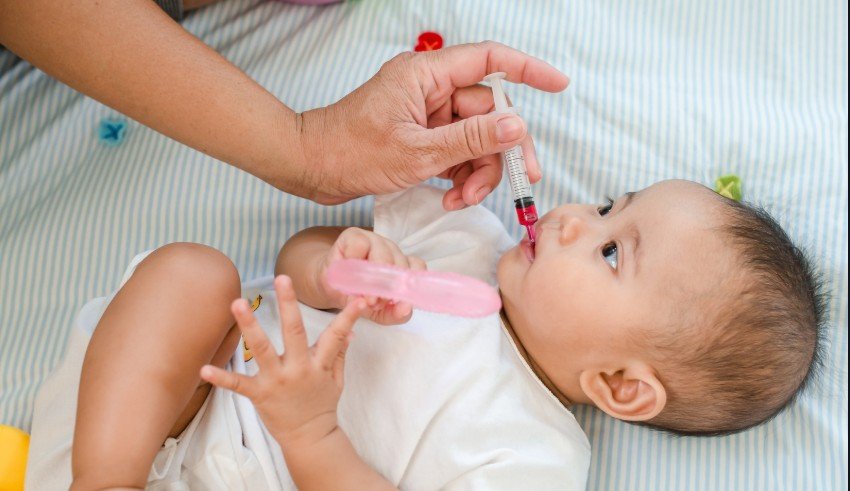
One effective method is to use a syringe, which allows you to squirt the medicine into the side of your child’s mouth rather than directly down their throat.
This technique can help prevent choking and makes it easier for your child to swallow the medicine. Additionally, administering the medicine slowly can give your toddler more control over the process, allowing them to adjust to the taste without feeling overwhelmed.
6 Tricks to Get Kids to Take Medicine
There are several tricks that parents can employ to help their reluctant toddler take medicine more easily. One effective method is to hide the medicine in food. Mixing a small amount of medicine with a favorite food, such as applesauce or yogurt, can make it much more enticing for your child. However, be cautious and ensure that the food does not interact negatively with the medication. The key is to make the medicine less noticeable while still ensuring your child receives the full dose.
– Hide the medicine in food
Hiding medicine in food can be a game-changer for parents struggling to get their toddler to take medicine. Mixing the medicine with a small amount of a favorite food, such as applesauce or pudding, can mask the taste and make it easier for your toddler to swallow.
It’s important to ensure that the food does not interfere with the medicine’s effectiveness. Additionally, try to choose foods that your child enjoys and is familiar with, as this can increase their willingness to accept the medicine. Be sure to monitor your child closely to ensure they consume the entire portion that contains the medicine.
– Demonstrate Swallowing a Pill
Demonstrating how to swallow a pill can be an effective way to encourage your toddler to take their medicine. Children often learn by watching, so showing them that it’s a simple process can help reduce their fear and anxiety. You can use a small piece of candy or a soft food item to mimic the experience, demonstrating how to take a sip of water and swallow the item.
This can help your child understand the mechanics of swallowing a pill, making them more confident in trying it themselves. Be patient and supportive during this process, as it may take several attempts for your child to feel comfortable.
– Let her hold the syringe or cup
Allowing your toddler to hold the syringe or medicine cup can create a sense of control and autonomy. Many children are more willing to take their medicine when they feel like they have a say in the process.
When your child holds the syringe, they can see how much medicine they are about to take and can feel proud of their involvement. This small action can help reduce anxiety and make the experience less intimidating for them. Encourage them to take their time and control the flow of the medicine, which can also help them adapt to the taste gradually.
– Try a different form of medicine
If your toddler consistently refuses to take liquid medicine, it might be time to explore different forms of medication. Many medications come in various formats, such as chewable tablets, dissolvable strips, or even gummies, which can be more appealing to children.
These alternatives can often mask the taste of medicine better than liquid forms, making it easier for your child to take their dose without a fuss. Consult with your pharmacist about the different options available for your child’s specific needs and preferences.
– Use a Reward System
Implementing a reward system can be an effective strategy to encourage your toddler to take their medicine. Positive reinforcement can significantly motivate children to cooperate, especially when they see the benefits of their actions.
Consider setting up a simple chart where your child can earn a sticker or a small treat each time they successfully take their medicine. This not only makes the experience more enjoyable but also instills a sense of achievement in your child. Make sure to celebrate these small victories together, as this can foster a positive association with taking medicine.
– Make It Fun
Making the experience of taking medicine fun can significantly ease the stress for both you and your toddler. Incorporating games, songs, or stories into the process can help distract your child and make the activity feel less daunting.
For instance, you might create a fun song about taking medicine or turn it into a playful game where your child pretends to be a superhero taking their “magic potion.” This playful approach can transform a challenging experience into a delightful one, making your toddler more willing to take their medicine.
Wrong Technique for Giving Medicine Can Cause Vomiting
Giving medicine to a toddler can be challenging, and using the wrong technique may lead to vomiting. Here are some common mistakes that can cause this issue and better alternatives:
❌ Wrong Techniques That Can Cause Vomiting
1. Forcing Medicine Too Quickly
- Squeezing the syringe too fast or tilting the head back can trigger the gag reflex.
- Better: Administer slowly, allowing the child to swallow in small amounts.
2. Giving Medicine While Lying Down
- This can cause choking or regurgitation.
- Better: Keep the child in an upright or slightly reclined position.
3. Mixing Medicine with Too Much Liquid or Food
- Adding medicine to a full bottle of milk or a large portion of food may overwhelm the child, leading to refusal or vomiting.
- Better: Use a small amount (e.g., a spoonful) of a favorite food (if allowed) or a liquid they like.
4. Using a Bitter or Strong-Tasting Medicine Directly
- Some medicines have a bad taste, and forcing them can cause nausea.
- Better: Ask the pharmacist if the medicine can be flavored or chilled (some taste better cold).
5. Administering on an Empty Stomach (If Not Required)
- Some medications irritate the stomach if given without food.
- Better: Check with the doctor or pharmacist if the medicine can be given with a small snack (unless it must be taken empty).
6. Pressuring or Scaring the Child
- Forcing medicine while the child is crying or resisting can lead to vomiting.
- Better: Stay calm, use distraction (toys, videos), and offer praise afterward.
✅ Better Techniques to Prevent Vomiting
✔ Use a syringe or dropper (not a spoon) for accuracy.
✔ Aim for the side of the cheek (not the back of the throat).
✔ Offer a small sip of water or juice after to wash the taste away.
✔ Reward with praise or a sticker to create positive associations.
If vomiting occurs immediately after dosing, check with a doctor or pharmacist to see if the dose needs to be repeated. Some medicines (like antibiotics) require a full dose to work effectively.
Commonly Asked Questions about Giving Your Child Medicine (FAQs)
How to help a child take their medicine?
To help a child take medicine easier, mix with sweet foods, use a syringe for liquids, offer rewards, stay calm, and explain benefits. Always check with a doctor first for safety.
How to Show your child how you swallow a pill?
To give medicine to infants, demonstrate pill-swallowing by tilting your head back with water. Use a syringe for liquids, stay patient, and praise small successes. Always consult a doctor for safe methods.
How to give toddler medicine while sleeping?
To give toddler medicine while sleeping, gently lift their head, use a syringe for small doses, and aim for the inner cheek. Stay calm, avoid choking risks, and consult a doctor if unsure.
How to give a toddler medicine without spitting it out?
To give a toddler medicine without spitting it out, use a syringe toward the inner cheek, offer a small reward, stay calm, and mix with applesauce if safe. Praise cooperation for success.
What are some effective ways to give the medicine to an infant?
You can use a medicine spoon or a small medicine cup to help your baby take the medicine. Alternatively, you can place the medicine in the side of the baby’s cheek to avoid the child gagging and to make the process easier.
How can I make sure my child is willing to take medicine?
It’s important to create a positive atmosphere around taking medicine. You can let the child practice with a placebo or use fun flavors, like chocolate syrup or jell-o, to make the medicine more appealing.
Is it safe to mix medicine with food or drinks for toddlers?
You should avoid mixing medicine with food or drinks unless your doctor advises it. Mixing medicine can affect its effectiveness and may not mask the taste well enough for your child to take the medicine.
What should I do if my toddler refuses to take medicine?
How to give toddler medicine when they refuse? If your toddler refuses to take the medicine, try different ways to give the dose of medicine. You can use a syringe or dropper to carefully administer it, or you can try to make it a game to encourage them to take it.
How can I improve the taste of medicine for my toddler?
You can ask your pharmacist about flavoring options for the medicine if it is available. Some pharmacies offer flavoring that can make the medicine more palatable for your child’s taste buds.
What are some tricks to help my toddler take medicine more easily?
Some tricks include using a flavored syrup, letting the child suck on a popsicle before taking the medicine, or having them take a sip of juice afterward to wash it down. Engaging your child in the process can also help.
Can older children take the same medicine as toddlers?
Not necessarily. Always check with your doctor if it’s safe for older children to take the same medicine as toddlers. Dosages may differ, and the formulation might not be suitable for older kids.
How can I ensure my child gets the full dose of medicine?
To get the correct dose of medicine, make sure your child takes the medicine correctly. If using a syringe, push the plunger slowly and encourage your child to swallow it completely without spitting it out.
Is there a preferred method for giving medicine to a toddler?
Yes, it is often recommended to give the medicine while the child is sitting up to prevent choking. You can also use a flavored medicine cup and gently guide the medicine towards the back of the child’s throat to encourage swallowing.
Final Thoughts
Giving medicine to a toddler can be a daunting challenge, but with the right techniques and approaches, it doesn’t have to be. By employing tricks such as hiding medicine in food, demonstrating swallowing, and using a reward system, you can significantly improve the experience for both you and your child. It’s essential to maintain a calm and positive atmosphere during this process, as it can help reduce anxiety and foster cooperation. Always consult your pharmacist if you have questions about your child’s medicine and the best ways to administer it. By being patient and creative, you can help your toddler take their medicine without the usual fuss, ensuring they receive the care they need to feel better.
Recommended posts
- 25 Yummy Toddler Dinner Ideas: (Quick & Healthy Meals)
- Toddler Blinking a Lot? Common Reasons and When to Worry
- 10 Warning Signs of Mold Toxicity in Toddlers & Red Flags