Why does my newborn make noises while sleeping—is this something to be concerned about? If you’ve ever sat beside your baby’s crib, wondering what all those grunts, squeaks, and sighs mean, you’re definitely not alone. Newborn sleep can be noisy, and that’s often perfectly normal.
Newborns make noises in their sleep due to their immature nervous systems, active sleep cycles, lip smacking, and developing airways. Dr. Craig Canapari, a pediatric sleep specialist at Yale, explains that these sounds are usually harmless and part of the REM sleep stage, which is especially active in infants. In this guide, you’ll learn what sounds are typical, when to worry, and how to support quiet sleep.
Still feeling unsure whether your baby’s nighttime noises are normal or not? We’ve gathered expert insights and parent-tested tips to help you understand what’s going on—and when it might be time to talk to your pediatrician. Let’s get to the bottom of those baby sleep sounds together!
Is It Normal for Newborns to Grunt and Squirm While Sleeping?
Yes, it is perfectly normal for newborns to grunt and squirm while sleeping. In fact, many parents notice that their babies make a variety of noises during various stages of sleep. These sleep sounds are often a result of the baby’s active sleep phase, where they experience rapid eye movement (REM) sleep, which is vital for brain development.
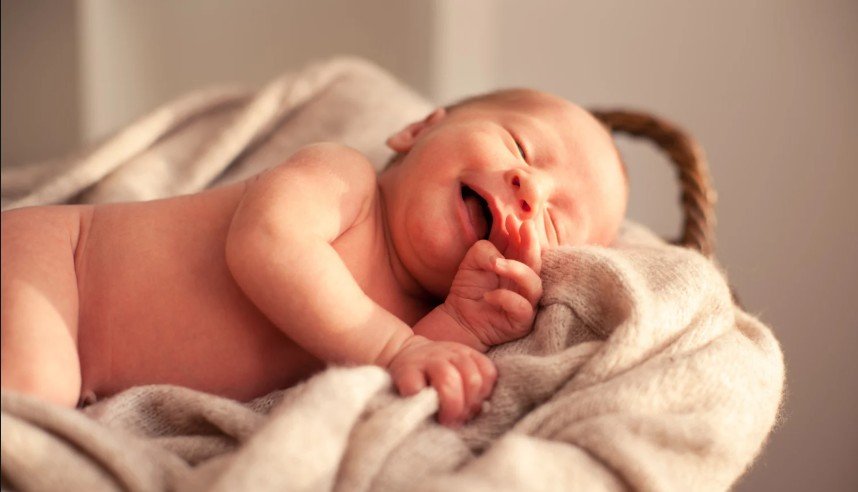
During this time your baby may observe your little one squirming or making grunting noises as they process experiences from wakefulness or adjust to their sleeping position. It’s important to remember that these sounds are typically nothing to worry about and are a common aspect of newborn sleep.
In addition to grunting, you might also hear your baby breathing with a bit of noise or even whimpering softly. These noises can be attributed to the baby’s still-developing respiratory system and nasal passages.
Congestion can sometimes contribute to more pronounced breathing sounds, and as their bodies grow and adjust, these noises will usually diminish. Understanding that these behaviors are part of normal baby sleep can provide reassurance and help parents respond calmly during the night.
Why Does My Newborn Make Noises While Sleeping?
Your newborn makes noises while sleeping primarily due to their developing nervous and digestive systems. As babies transition between sleep cycles, they may grunt, moan, or even gurgle as a reflexive action.
These noises can also be linked to the baby’s digestion as they process milk, leading to burps or gas that may create various sounds. Additionally, during REM sleep, the brain is highly active, which can lead to movements and noises as your little one experiences dreams or reacts to stimuli.
Moreover, breathing patterns can change while your baby sleeps, contributing to the noisy breathing you may observe. Babies often have irregular breathing rhythms, which can include rapid breathing or pauses.
While it may sound concerning at first, these variations are typically a normal part of their development. Understanding the reasons behind these sleep noises can help ease your worries and allow you to focus on enjoying those precious moments with your baby.
5 Reasons Babies Make Noises While Sleeping
Babies make all kinds of cute (and sometimes confusing) noises while sleeping—and it’s usually totally normal. Here are some common reasons why:
1. Normal Part of Development
- Active Sleep (REM): Babies spend a lot of time in REM sleep, which is lighter and more active than deep sleep. During this phase, they may twitch, grunt, whimper, or even smile.
- Immature Nervous System: A baby’s nervous system is still developing, and their brain is busy processing the new world around them—even in sleep. This can lead to random noises and movements.
2. Breathing Patterns
- Irregular Breathing: It’s normal for babies to have irregular breathing during sleep, especially in the first few months. You might hear sighs, gasps, or grunts.
- Nasal Congestion: Babies have tiny nasal passages, so even a little mucus can make their breathing sound noisy.
3. Digestive Noises
- Gas or Bowel Movements: Babies are learning how to digest milk, and that can come with a symphony of sounds—gurgles, grunts, and even little toots.
- Reflux or Spit-Up: Some babies experience mild reflux, which can cause noises or even mild discomfort while they sleep.
4. Dreaming or Processing Stimuli
- Babies don’t dream the same way adults do, but their brains are still processing tons of new experiences. This can lead to whimpers, coos, or startled sounds.
5. Startle Reflex (Moro Reflex)
- Babies often make sudden jerky movements in their sleep that may come with a sound—like a gasp or whimper. This reflex usually fades by around 4–6 months.
When to Be Concerned
Most noises are harmless, but contact a pediatrician if you notice:
- Consistent labored breathing (flaring nostrils, retractions, grunting with each breath)
- Pauses in breathing longer than 10 seconds (apnea)
- Blue-tinged lips or skin
- Persistent high-pitched cries or signs of distress
Normal Baby Sleep Sounds
Normal baby sleep sounds encompass a wide range of noises, from soft whimpers to louder grunting. These sounds are a natural part of how babies communicate their needs, even in their sleep. For instance, during REM sleep, babies might make noises as their brains process experiences, leading to various sleep sounds.
Some common sleep noises include gentle coos, snorts, and even little sighs, which are entirely normal and often indicate that your baby is in a deep sleep or transitioning between sleep cycles.
It’s essential to differentiate between typical baby sleep sounds and those that may signal a problem. For example, if your baby makes unusual or distressing noises, it could warrant further observation.
However, most grunting and squeaking noises are simply part of their development and are not a cause for concern. Being attuned to your baby’s sleep sounds can help you provide comfort and reassurance, ensuring they feel safe and secure while they rest.
Should I be Concerned if My Baby Grunts While Sleeping?
Generally, you should not be concerned if your baby grunts while sleeping. Grunting is a common occurrence for many infants, often stemming from their developing respiratory or digestive systems. As they grow, these noises typically decrease, and parents may find that their little ones become quieter sleepers.
However, if grunting is accompanied by other symptoms such as rapid breathing, persistent congestion, or signs of distress, it might be a good idea to consult your pediatrician to rule out any potential issues.
It’s also worth noting that if the grunting noises are loud enough to wake the baby or disrupt their sleep, it might indicate that your little one is uncomfortable.
In such cases, adjusting their sleep position or ensuring they are in a safe sleep environment can help alleviate any discomfort. Keeping an eye on your baby’s overall behavior and health will help you determine when to seek advice from a healthcare professional regarding their sleep sounds.
How Long Does Newborn Active Sleep Last?
Newborn active sleep typically lasts around 50-60% of their total sleep time, especially during the first few months of age. During this phase, babies cycle through different stages of sleep, including active REM sleep, where they are more likely to make noises such as grunts and whimpers.
Each sleep cycle lasts about 45 to 50 minutes, with active sleep occurring multiple times throughout the night and day. As your baby grows, the proportion of time spent in active sleep gradually decreases.
Understanding the duration of active sleep can help parents anticipate their baby’s sleep patterns. During the first few weeks, you might notice that your little one appears to be a noisy sleeper, with sounds occurring throughout the night.
However, as they transition into deeper sleep stages, these noises will likely diminish. Being aware of these changes can assist parents in managing their sleep environment and ensuring their newborn gets the restful sleep they need for healthy growth and development.
Tips for Helping Noisy Babies Sleep more Peacefully
To help your noisy baby sleep more peacefully, there are several strategies you can implement. First, ensure that your baby’s sleep environment is conducive to rest. This includes maintaining a comfortable temperature, minimizing noise from the surroundings, and using white noise machines that can help mask any disruptive sounds.
Additionally, swaddling your baby can provide comfort and security, reducing the chances of them waking up and making noises while adjusting in their sleep. Another effective tip is to establish a bedtime routine that helps your baby wind down before sleep. Engaging in calming activities such as gentle rocking, soothing music, or quiet cuddle time can signal to your little one that it’s time to sleep.
Also, be mindful of feeding patterns; ensuring that your baby is adequately fed before bedtime can minimize digestive noises during the night. Implementing these strategies can help create a peaceful sleep atmosphere, allowing both you and your baby to enjoy restful nights.
Commonly Asked Questions about Newborn Sleep Schedule & Sleep Cycles (FAQs)
When will the baby noises stop?
Baby sleep noises typically decrease by age 2–3 as speech develops, but every child is different. Consistent sleep training and routines can help reduce nighttime sounds sooner. Patience is key!
What are normal baby sounds?
Normal baby sounds include cooing, gurgling, grunting, hiccups, and light cries. Newborns often make noise while sleeping or feeding. Most are harmless, but loud wheezing or prolonged distress may need medical attention.
When do babies stop making sleep noises?
Babies usually stop making frequent sleep noises (grunting, squirming) by 6–12 months as their nervous system matures. Some may continue light sounds until toddlerhood, but loud noises often decrease earlier.
When should you worry about weird noises?
Worry if your baby makes prolonged choking, gasping, or wheezing, has pauses in breathing (10+ seconds), or turns blue/gray. These could signal apnea, reflux, or airway issues—seek medical advice immediately.
When Typical Baby Grunting and Other Sleep Sounds Keep You Awake?
Typical baby grunting in sleep (0-6 months) are normal but disruptive. Try white noise, swaddling, or moving them to a separate sleep space. Most outgrow it by 6-12 months.
Why is my baby making sounds while sleeping?
Babies make sounds during sleep due to active dreaming, which involves vocalizations like cooing or crying. It’s normal and typically indicates healthy sleep patterns as they develop.
Why does my newborn make grunting noises while sleeping?
Newborn grunting and noises all night long are normal, caused by immature digestion, breathing patterns, or adjusting to sleep cycles. Most outgrow it by 3-6 months—no need for concern unless struggling to breathe through their nose.
Conclusion
So, why do newborns make noises in their sleep? In conclusion, the various sounds your newborn babies makes while sleeping are a normal part of their development and often nothing to worry about. From grunting and moaning to gentle whimpers, these noises are indicators of your baby’s active sleep cycles and ongoing growth. Understanding the reasons behind these newborn sleep sounds can provide reassurance and help parents respond appropriately to their little one’s needs. By creating a conducive sleep environment and establishing soothing routines, you can support your baby’s sleep quality while enjoying those precious moments of parenthood. Remember, every baby is unique, and as you learn more about your child’s sleep habits, you’ll feel more confident in navigating their noisy sleep phases.
Recommended posts
- 3 Reasons Why Do Newborns Cry in Their Sleep & Quick Fix
- Reasons Baby Grunting in Sleep: (Common Causes & What to Do)
- Newborn Sleeping with Mouth Open but Breathing Through Nose