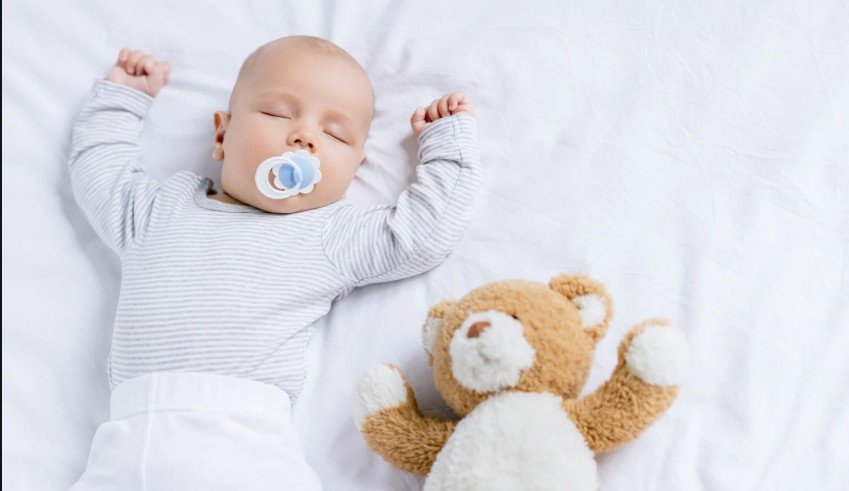
Can infants sleep with a pacifier—is it safe, or could it interfere with their breathing or sleep quality? If you’ve ever placed a pacifier in your baby’s mouth and then second-guessed it, you’re definitely not alone. Many parents wonder if pacifiers are helpful sleep tools or risky bedtime habits.
Infants can safely sleep with a pacifier. In fact, the American Academy of Pediatrics suggests that using a pacifier at nap time and bedtime may reduce the risk of Sudden Infant Death Syndrome (SIDS). This article explores how pacifiers impact sleep, the best time to introduce one, and what precautions to follow.
Thinking about whether your newborn should start using one tonight? Or how to handle pacifier use during midnight wakeups? Stay tuned—we’ve gathered trusted advice from pediatricians and sleep specialists to help you make an informed choice for your baby’s bedtime routine.
Can Infants Sleep with a Pacifier Safely?
Can a newborn baby sleep with a pacifier? Infants can sleep with a pacifier safely, as long as certain precautions are taken. The American Academy of Pediatrics (AAP) suggests that pacifier use during sleep can reduce the risk of sudden infant death syndrome (SIDS).
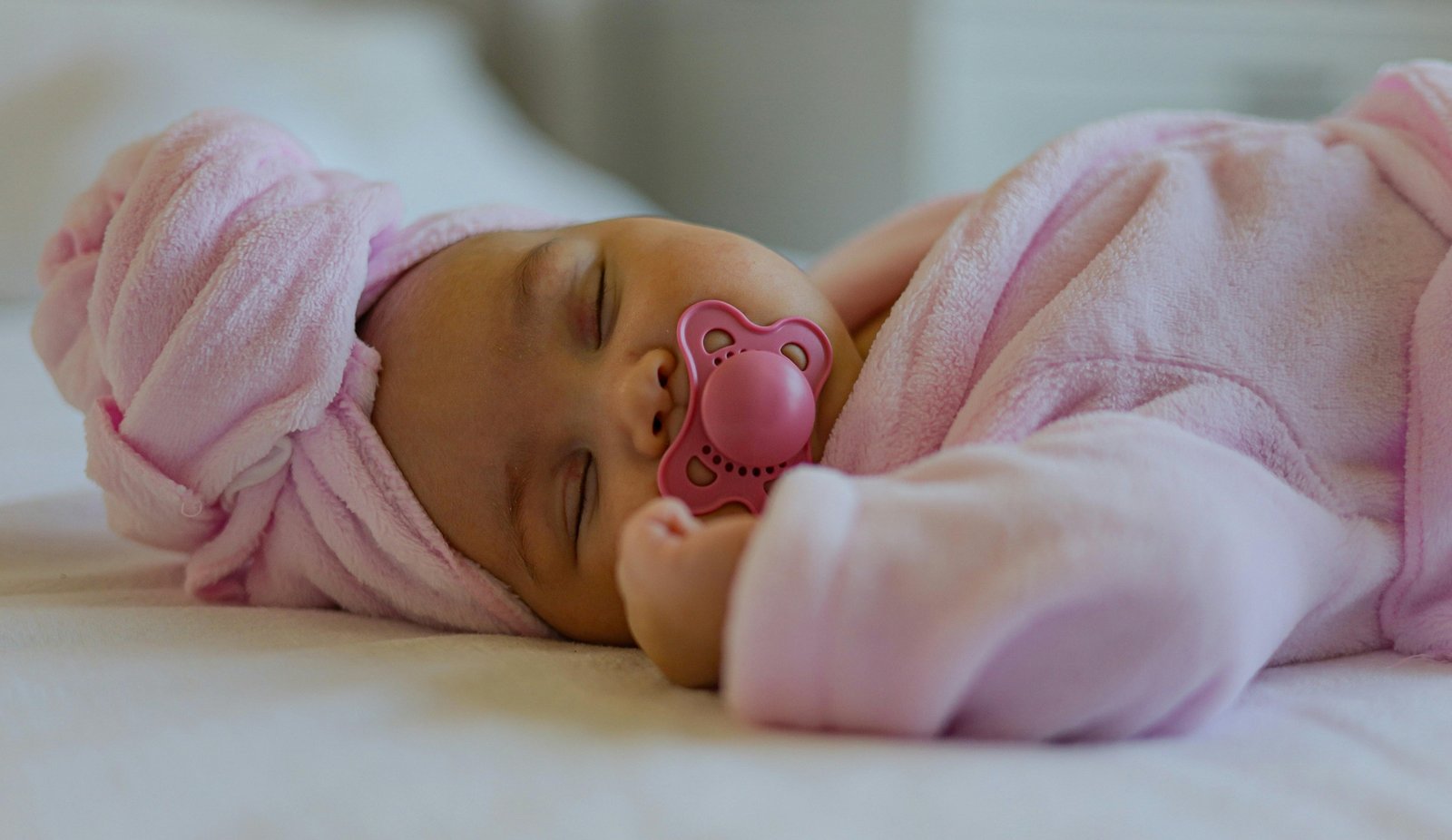
When using a pacifier, it’s important to ensure that it is made of safe materials and is the right size for your infant. Always place the pacifier in your baby’s mouth without using any strings or clips, as these can pose choking hazards.
While pacifiers can be beneficial for soothing and promoting better sleep, parents should remain vigilant and monitor their baby’s sleep environment. It is crucial to understand that the decision to allow an infant to sleep with a pacifier should align with safe sleep guidelines. For instance, the baby should always be placed on their back to sleep, in a crib that meets safety standards.
Furthermore, the pacifier should be removed once the baby falls asleep to avoid any potential risks of suffocation. This careful approach ensures that the benefits of pacifier use, such as reduced risk of SIDS, are maximized while keeping the infant safe during sleep.
When Should You Introduce a Pacifier to a Newborn?
Introducing a pacifier to a newborn can be beneficial, but timing is important. Experts recommend waiting until breastfeeding is well established—usually around three to four weeks after birth—before introducing a pacifier.
This waiting period helps to ensure that breastfeeding is not disrupted, as some infants may prefer sucking on a pacifier over breastfeeding. Once breastfeeding is established, offering a pacifier can be an effective way to help soothe your baby and promote better sleep.
Additionally, the right moment to introduce a pacifier can vary depending on the individual needs of the newborn. If a newborn baby demonstrates a strong suck reflex and seems to seek comfort through nutritive sucking, introducing a pacifier can be a great solution.
However, it’s important to observe your baby’s behavior and preferences, as some infants may not show interest in pacifiers at all. Ultimately, the goal is to create a comfortable sleep routine that supports your baby’s needs while adhering to safe infant sleeping environment guidelines.
How to Safely Use a Pacifier for Newborn Sleep?
Using a pacifier safely for a newborn during sleep can be helpful in reducing the risk of Sudden Infant Death Syndrome (SIDS), but it’s important to follow a few guidelines to ensure it’s done safely. Here’s how to do it right:
✅ Safe Pacifier Use for Newborn Sleep
- Wait Until Breastfeeding is Established (If Breastfeeding):
- Wait 3 to 4 weeks before introducing a pacifier if you are breastfeeding, to avoid nipple confusion.
- Use a One-Piece Pacifier:
- Choose a single-piece design made of soft material like silicone to avoid choking hazards.
- Make sure it meets safety standards (look for certifications like BPA-free and labeled for newborns).
- Do Not Attach the Pacifier to Anything:
- Never tie the pacifier around the baby’s neck, crib, or clothes. This poses a strangulation risk.
- Avoid pacifier clips or strings during sleep.
- Offer the Pacifier When Putting Baby to Sleep:
- You can give it at naptime and bedtime. If the baby doesn’t want it, don’t force it.
- If it falls out after the baby falls asleep, you don’t need to put it back in.
- Keep It Clean:
- Sterilize regularly, especially for newborns under 6 months. Boil it or use a steam sterilizer.
- Replace It Often:
- Check for wear and tear. Replace it if it shows signs of damage or age (usually every 4–6 weeks).
- Don’t Dip It in Anything Sweet:
- Never dip pacifiers in honey or sugar—this can cause tooth decay and botulism in infants under 1 year.
💡 Bonus Tips:
- Pacifier use is optional. Not all babies like them—and that’s okay.
- Keep a few spare pacifiers nearby, especially for night use.
- Once your child reaches about 6 months, consider offering the pacifier only during sleep times to reduce dependency.
My Baby Wakes When the Pacifier Falls out.
Many parents experience the challenge of their baby waking up when the pacifier falls out during sleep. This common issue can be frustrating, especially during nighttime hours when both parents and infants are trying to rest.
One effective approach is to allow your baby to learn self-soothing techniques. Instead of immediately replacing the pacifier, give your baby a moment to calm themselves and see if they can settle back to sleep without it.
Another helpful strategy is to create a consistent sleep routine that includes a calming environment and activities that promote relaxation before sleep. This may involve gentle rocking, soft lullabies, or a warm bath.
Consider using a pacifier with a handle that is easier for your baby to grasp, as this may help them find and replace it when it falls out. Ultimately, patience and consistency in your approach will help your baby develop the ability to sleep independently, even when the pacifier is not readily available.
When Should You Stop Giving Your Baby a Pacifier for Sleep?
Deciding when to stop giving your newborn baby a pacifier for sleeping can be a challenging decision for many parents. The American Academy of Pediatrics recommends that pacifier use should be phased out by the time your child is 1 year old.
Prolonged pacifier use beyond this age may lead to dental issues and could potentially hinder speech development. It’s important to evaluate your baby’s dependence on the pacifier and to consider gradual methods for weaning them off.
To ease the transition away from pacifier use, consider implementing a reward system to encourage your child. Additionally, introducing a comforting alternative, such as a soft toy or blanket, can provide reassurance during this adjustment period.
Gradually reducing pacifier use during naps and nighttime sleep can also help your baby adapt more comfortably. By following these guidelines, you can help your child move away from the pacifier while maintaining a sense of security and comfort during sleep.
Recommendations for a Safe Sleep Environment
Creating a safe sleep environment for your newborn is essential for promoting healthy sleep and reducing the risk of sleep-related infant deaths. Start by ensuring that your baby sleeps on a firm mattress with a fitted sheet in a crib that meets safety standards.
The sleep surface should be free of soft bedding, pillows, and toys that could obstruct your baby’s breathing. Additionally, maintaining a comfortable room temperature can prevent overheating, which is also a risk factor for SIDS.
Moreover, placing your baby to sleep on their back is one of the most effective ways to reduce the risk of sudden infant death syndrome. It’s also advisable to avoid bed-sharing, as this can increase the risk of sleep-related incidents.
Following these safe sleep guidelines, as outlined by the AAP, can ensure that your baby’s sleep environment is as safe as possible, allowing for peaceful and restorative sleep. By prioritizing safety, parents can promote a nurturing atmosphere where their newborn can thrive.
How Do I Get My Newborn Baby to Sleep in a Crib?
Getting your newborn baby to sleep in a crib can sometimes be challenging, but with consistent practices, it can become a smooth process. Begin by creating a calming bedtime routine that helps signal to your baby that it’s time for sleep.
This can include activities such as gentle rocking, singing lullabies, or reading a short story. Make sure the crib is a comfortable and safe space for your baby, using a firm mattress and ensuring the crib meets safety standards.
When placing your newborn in the crib, do so while they are drowsy but still awake. This encourages them to learn how to fall asleep independently in their own space.
If your baby becomes fussy, offer comfort without picking them up, allowing them to settle down on their own. Consistency is key; try to maintain the same sleep schedule each day, as this helps your baby develop a sense of routine.
Over time, these practices will make it easier for your newborn to sleep in their crib and establish healthy sleep habits.
Commonly Asked Questions about Newborn Soother Sleeping (FAQs)
How to help your baby sleep better?
Help your baby sleep better by establishing a consistent bedtime routine (bath, feed, lullaby), using white noise, keeping the room dark/cool, and putting them down drowsy but awake to self-soothe.
What is the purpose of pacifier use?
Pacifiers soothe babies, satisfy sucking reflexes, and may reduce SIDS risk when used at sleep times. They also provide comfort during fussiness without feeding. Wean by age 1 to avoid dental issues.
Are pacifiers okay for breastfed babies?
Yes, pacifiers are safe for breastfed babies once breastfeeding is established (around 3–4 weeks) to avoid nipple confusion. The AAP recommends pacifiers at sleep times to reduce SIDS risk.
How do I get my newborn to sleep?
Help your newborn sleep by swaddling snugly, using white noise, keeping the room dark, and feeding until drowsy. Always place them on their back in a safe, empty crib or bassinet.
Can Babies Sleep with a Pacifier?
Yes, babies can safely sleep with a pacifier—it may reduce SIDS risk. Use a one-piece model, never attach straps/toys, and ensure breastfeeding is established first (around 3–4 weeks old).
When to Remove the Pacifier from the Sleep Routine?
Remove the pacifier from your child’s sleep routine around age 2 to 4. Gradually wean them to encourage independence and prevent potential dental issues or sleep disruptions.
Should I take the pacifier out after baby falls asleep?
No need to remove the pacifier after baby falls asleep unless it falls out naturally. Leaving it in is safe and may help maintain sleep, reducing SIDS risk per AAP guidelines.
Conclusion
So, can a newborn sleep with a pacifier? In conclusion, allowing infants to sleep with a pacifier can be safe and beneficial when done correctly. By adhering to the American Academy of Pediatrics’ guidelines and prioritizing the creation of a safe sleep environment, parents can help reduce the risk of SIDS and promote healthy sleep for their newborns. Timing for introducing a pacifier, monitoring its use, and knowing when to wean off are all integral parts of the process. Ultimately, with thoughtful practices and attentiveness, parents can ensure that their babies enjoy restful sleep while minimizing any associated risks.
Top posts
- Is It Safe for Newborn Sleeping on Pillow? (Expert Advice)
- Reasons Baby Grunting in Sleep: (Common Causes & What to Do)
- Why Your Newborn Cries When Put Down & How to Help!
- Newborn Breathing from Mouth: Causes, Concerns, and What to Do
- Newborn Sleeps with Mouth Open but Breathes Through Nose
- 7 Best Pacifiers for Breastfed Newborns (Most Like Breast)