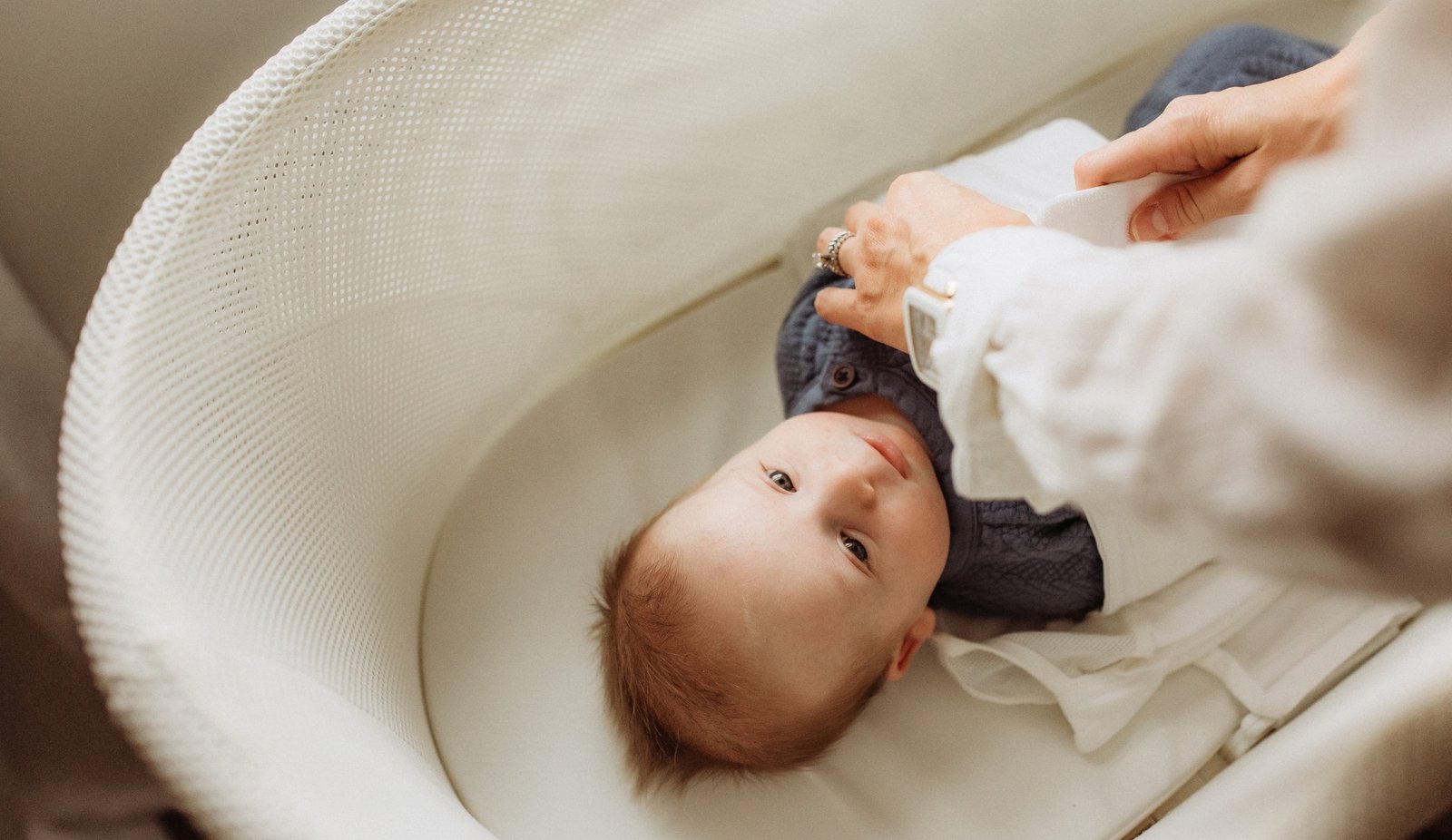
How long should a newborn sleep in a bassinet—have you ever stared at your tiny baby and wondered when it’s time to transition? Is there a clear sign that says it’s time to move them to a crib? As a new parent, understanding safe sleep practices is crucial, and knowing when to make changes can feel overwhelming.
Newborns should sleep in a bassinet for up to 4 to 6 months, or until they show signs of rolling over or outgrowing its weight limit.
According to the American Academy of Pediatrics, room-sharing without bed-sharing is safest during this stage. This article explores the signs, timelines, and expert-backed recommendations for a smooth and safe sleep transition.

Is your baby already squirming more during sleep or hitting those early milestones? You might be closer to a crib switch than you think. With insights from pediatric sleep experts and real parenting tips, this guide will help you make the move at just the right time—so let’s get into it!
How Long Should a Newborn Sleep in a Bassinet?
Newborns typically sleep in a bassinet for up to six months, but this period can vary depending on several factors. The American Academy of Pediatrics recommends that babies sleep in a bassinet until they reach the weight limit or show signs of rolling over. This ensures a safe sleep environment.
Many parents find that their little one is most comfortable in a bassinet during the first few months, as it provides a snug space that mimics the womb. It is crucial to monitor your baby’s development closely, as their comfort and safety during sleep are paramount.
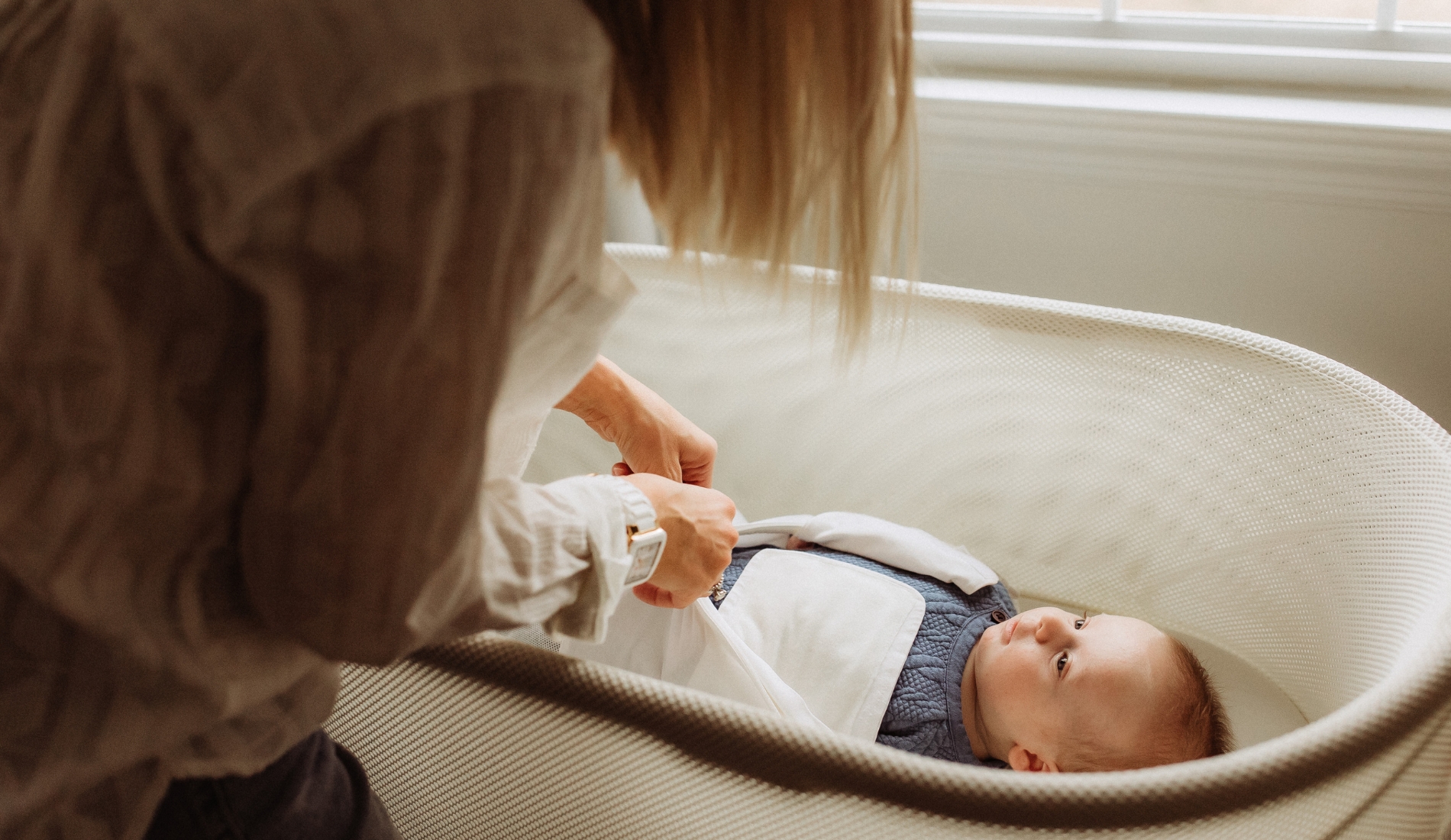
As babies grow, they may begin to outgrow their bassinet in both size and weight. The standard weight limit for most bassinets is around 15-20 pounds. If your baby reaches this weight or shows signs of rolling over, it could be time to consider transitioning to a crib.
This transition is vital for their safety and allows them to have more space to move and sleep comfortably. Establishing a bedtime routine that involves both the bassinet and crib can help ease the process for both you and your baby.
Can my Baby Sleep in a Bassinet if they are Rolling Over?
Once your baby begins to roll over, it’s important to assess their sleeping arrangements. The American Academy of Pediatrics advises that if a baby can roll over, they may no longer be safe sleeping in a bassinet.
At this stage, the risk of falling or becoming stuck increases significantly. Parents should be vigilant about observing their baby’s development and be ready to make the transition to a crib when necessary. A crib provides a safer environment for babies who are becoming more mobile.
When your little one starts showing signs of rolling, it’s crucial to create a safe sleep environment. Transitioning to a crib allows for more room for movement, reducing the risk of injury.
It’s essential to ensure that the crib mattress is firm and fits snugly within the crib to prevent any gaps. By preparing your baby’s sleep environment and recognizing these developmental milestones, you can help ensure a smooth and safe transition from a bassinet to a crib.
What Age Should I Move My Baby to a Crib?
Typically, parents should consider moving their baby to a crib around six months of age. However, this timeframe may vary based on the individual baby’s development and comfort level.
If your baby can sit up unaided or has reached the weight limits of the bassinet, it might be time to transition. The crib provides a larger sleep space, which is essential for growing babies, especially as they start to explore their surroundings during sleep.
Every child is different, so it’s essential to review your baby’s development regularly. If you notice that your little one seems uncomfortable or cramped in the bassinet, it may be a sign that they are ready for the more spacious crib.
Additionally, ensuring that the crib meets safety standards, including a safe mattress and appropriate bedding, is crucial during this transition. By paying attention to your baby’s cues and adjusting their sleep environment accordingly, you can promote healthy sleep habits during their first year.
How do I Transition My Baby to a Crib: (Bassinet to a Crib)
Transitioning from a bassinet to a crib can be a significant change for both you and your baby. To make this process smoother, start by introducing the crib during nap times.
Allow your baby to nap in the crib for short periods before making the full transition at night. This gradual introduction can help your little one adjust to the new sleep environment without feeling overwhelmed. Establishing a consistent bedtime routine is also vital to help signal to your baby that it’s time for sleep.
During the transition, ensure the crib is set up comfortably with a firm mattress and appropriate bedding. Avoid placing any soft items that could pose a risk to your baby’s safety. You might also consider using a bedside sleeper to keep your baby close during the initial nights in the crib.
By creating a positive sleep environment and maintaining a consistent routine, you can help your baby feel secure and comfortable in their new sleeping space. Monitoring their reactions and adjusting your approach as necessary will aid in a successful transition from bassinet to crib.
When Can a Baby Sleep in their Own Room?
The decision of when to move your baby to their own room typically depends on the individual family dynamics and the baby’s age. Many experts recommend transitioning to a separate sleep space around six months.
At this age, babies are often more capable of self-soothing and sleeping through the night. However, parents should consider their comfort level and readiness for this change, as well as the baby’s readiness for a more independent sleep environment.
When deciding to move your little one to their own room, ensure the sleep environment is safe and conducive to healthy sleep. You can create a cozy atmosphere with appropriate lighting and temperature.
Gradually introducing the idea of sleeping alone can help ease any anxiety for both you and your baby. Ultimately, the goal is to foster a comfortable sleep space that encourages your baby to develop healthy sleep habits while also allowing parents to enjoy their own rest at night.
Commonly Asked Questions about How Long Can an Infant Sleep in a Bassinet (FAQs)
When should I move my baby out of bassinet?
Move from the bassinet when your baby reaches its weight limit (typically 15–20 lbs), starts rolling/sitting (around 4–6 months), or outgrows the length. Transition to a crib for safety.
When should a newborn sleep in a crib?
For medical advice, transition a newborn to a crib when they outgrow the bassinet (typically 4–6 months) or show signs of rolling. Always follow safe sleep guidelines: back-only, firm mattress, no loose bedding.
What age should a baby stop sleeping in the bassinet?
Babies should stop sleeping in the bassinet when they can roll, push up, or exceed its weight/length limits—typically by 4-6 months. Transition to a crib for safety.
When to stop waking a newborn to feed?
Stop waking your newborn to feed once they regain birth weight (usually by 2 weeks) and pediatrician confirms steady growth. Healthy babies can then sleep longer stretches if they choose.
Is it okay for a newborn to sleep for 5 hours?
Once your newborn regains birth weight (typically by 2 weeks), pediatricians often approve 4–5 hour stretches at night. Before then, wake to feed every 2–3 hours to ensure proper growth.
How long is too long for bassinet?
Stop using the bassinet when your baby can roll, push up, or exceeds the weight/length limit (usually 4–6 months). Transition to a crib immediately for safety.
When to stop swaddling?
Stop swaddling as soon as your baby shows signs of rolling (typically 8–12 weeks). Transition to a sleep sack to ensure safe movement and reduce the risk of SIDS.
Is it OK to leave newborn in bassinet awake?
Yes, it’s safe to leave a newborn awake in a bassinet if they’re content. Supervised solo play encourages independence, but always place them on their back and ensure the bassinet is empty.
How to know if a bassinet is too small?
A bassinet is too small if your baby’s head/feet touch the ends, they exceed the weight limit (usually 15–20 lbs), or can roll/push up—transition to a crib immediately.
How long do babies stay in bassinet?
Babies typically stay in a bassinet until 4–6 months, when they outgrow the weight limit (15–20 lbs), start rolling, or can push up. Transition to a crib for safety.
Are vibrating bassinets safe for newborns?
Vibrating bassinets are safe for newborns if used as directed, but discontinue once your baby shows signs of rolling or getting on hands and knees, as movement increases fall risks.
Conclusion
How long can a newborn sleep in a bassinet? Understanding the appropriate age limits and guidelines for how long a newborn should sleep in a bassinet is crucial for ensuring their safety and comfort. As your baby develops, recognizing signs of readiness for transitioning to a crib is equally important. By establishing a consistent bedtime routine and creating a safe sleep environment, you can support your baby’s growth and development. Ultimately, the transition from bassinet to crib and possibly to their own room should be approached with care, love, and attentiveness to your baby’s individual needs. By following expert recommendations and listening to your little one, you can create a healthy sleep environment during their formative months.
Recommended posts
- How Often to Change Newborn Diaper: (A Simple Schedule)
- How to Get Newborn to Sleep in Bassinet: (7 Helpful Ways)
- Is It OK If Newborn Rolls to Side While Sleeping? Safety Tip
- How to Wake Up a Newborn Baby from Deep Sleep (Gentle Ways)