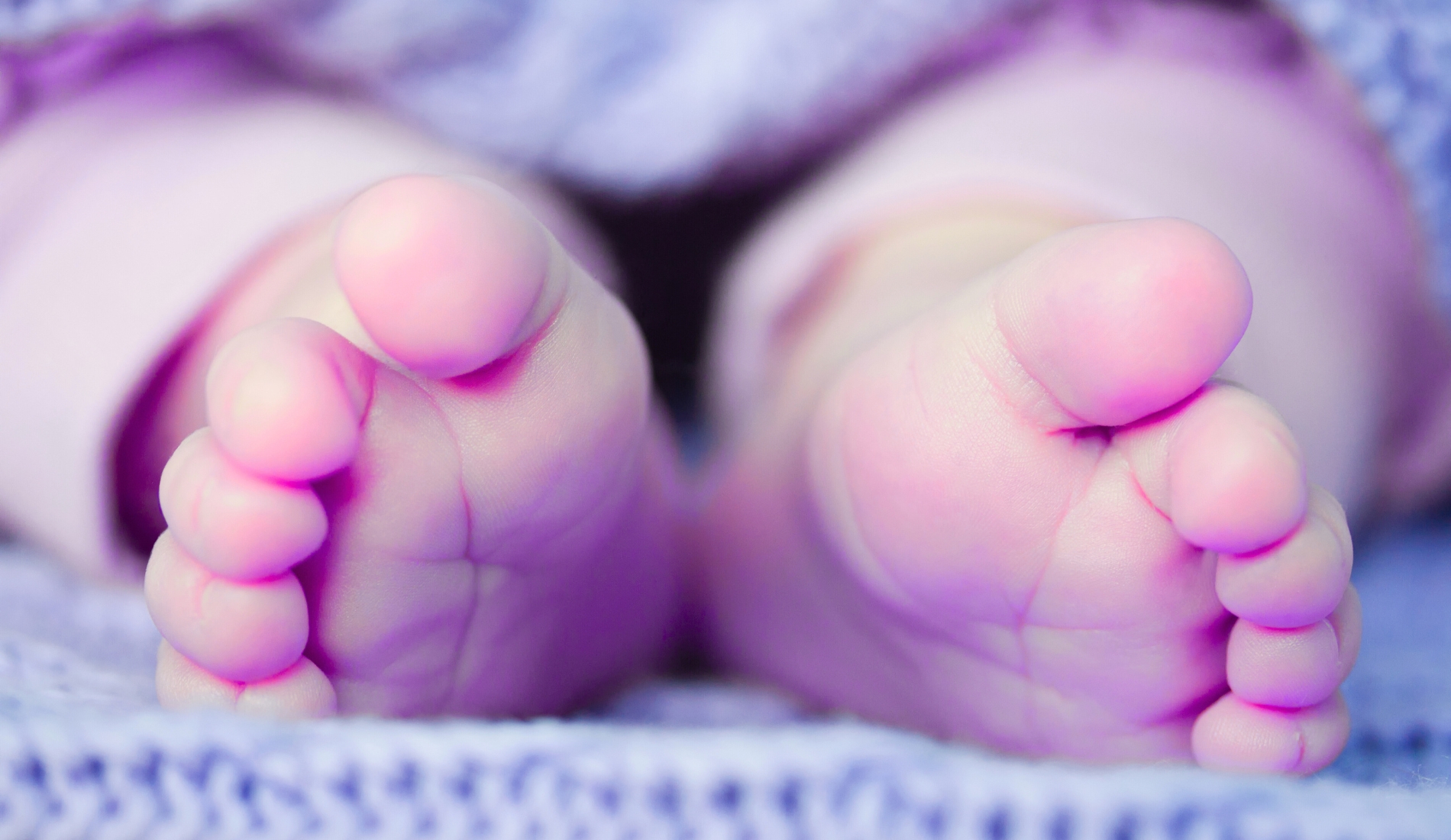
Newborn purple feet—should you be concerned if your baby’s feet appear bluish or purple after birth? Is this normal, or a sign of something serious? Many new parents get alarmed by this unexpected skin tone. But what exactly causes newborn purple feet?
In most cases, purple feet on newborn is completely normal and caused by immature circulation in the first few days of life. The feet may turns blue or purple due to blood pooling or cold temperatures. Dr. Harvey Karp, a renowned pediatrician, reassures that as long as any part of the body is pink and warm, purple feet usually aren’t a sign of illness.
Still, not all cases are harmless. Some conditions, like acrocyanosis or heart-related issues, may require attention. So, let’s uncover the causes, sign of an underlying issue to watch for, and when to call your pediatrician. Stick around as we explore expert advice to help you navigate your baby’s first days with confidence.
What is Cyanosis (Causes of Acrocyanosis)
Acrocyanosis is a condition refers to a bluish discoloration of the skin due to inadequate oxygen in the red blood cells. Acrocyanosis is a specific type of cyanosis that affects the extremities, often observed in newborns during the initial hours after birth.
This condition is typically benign and caused by the normal adaptation of the baby’s circulatory system to life outside the womb. As the baby adjusts to the environment, blood flow to the hands and legs may temporarily decrease, leading to a purple or bluish appearance.
In cases of acrocyanosis, the baby may exhibit no other concerning symptoms, and the condition often resolves with warming and improved circulation.
Parents should be aware that while acrocyanosis is generally harmless, persistent or widespread cyanosis could indicate a more serious health issue, such as congenital heart disease. It’s essential for parents to understand these nuances and seek medical advice if they have concerns about their baby’s skin color or overall health.
Summary: One of the initial observations a parent might make regarding their newborn is the condition of the baby’s skin. When it comes to feet that appear purple or bluish, this is frequently related to a phenomenon called acrocyanosis.
Causes of Newborn Purple Feet
Newborn purple feet can arise from several causes primarily related to blood circulation and oxygen levels. One common reason is acrocyanosis, which results from the constriction of blood vessels in response to cold temperatures. Here’s a breakdown of common causes:
🟣 Normal (Physiological) Causes
- Acrocyanosis (Most common and benign)
- Description: Bluish or purple discoloration of the hands and feet.
- Cause: Immature blood circulation and response to cold in newborns.
- Usually Seen When: Baby is cold, crying, or in the first few days after birth.
- Resolution: Improves with warming and better circulation over time.
- Peripheral Vasoconstriction
- Description: Blood vessels in extremities constrict in response to cold or emotional stress.
- Common In: Cool environments or after birth.
- Treatment: Warm the baby gently; color returns.
🔴 Potentially Concerning Causes
If the purple discoloration persists without improving or is accompanied by other symptoms (e.g., lethargy, poor feeding, abnormal breathing), it could be more serious:
- Poor Perfusion / Circulatory Issues
- May Indicate: Cardiovascular problems or low oxygen levels.
- Associated Symptoms: Cold extremities, mottled skin, weak pulse.
- Congenital Heart Disease
- Signs: Persistent cyanosis (bluish discoloration), rapid breathing, fatigue during feeds.
- Needs: Prompt evaluation by a pediatrician or cardiologist.
- Blood Clots or Vascular Compromise
- Very Rare: Can lead to discoloration and swelling.
- Often Seen After: Procedures like IV insertion in rare cases.
- Sepsis or Shock
- Signs: Poor perfusion, fever or low body temperature, lethargy, low blood pressure.
- Urgent: Medical emergency.
✅ What to Do as a Parent
- Check for:
- Skin color changes elsewhere (lips, tongue)
- Baby’s behavior (alertness, feeding, breathing)
- Temperature of the feet
- Try warming the baby gently (skin-to-skin, swaddle)
- If feet return to normal, it’s likely acrocyanosis.
- If discoloration persists or other symptoms appear, seek medical attention promptly.
What’s the Underlying Problem When Baby’s Skin is Blue?
When a baby’s skin looks blue or purple, it may signal a significant underlying issue related to levels or blood circulation. Poor circulation can stem from various conditions, including congenital heart defects, where the heart’s structure affects its ability to pump blood effectively.
In such cases, the baby’s extremities, such as hands and feet, may appear purple or bluish due to insufficient oxygenated blood reaching these areas.
Additionally, issues with the respiratory system or severe infections leading to hypoxemia can also cause cyanosis. Parents should be vigilant for other symptoms, such as difficulty breathing, lethargy, or feeding problems.
If a baby exhibits bluish skin color along with these symptoms, it is crucial to seek immediate medical attention. Identifying and treating any underlying problems early can significantly improve the baby’s overall health and well-being, ensuring proper blood flow and oxygenation.
When to Worry About Purple Feet on Newborn: Tips for Concerned Parents
New parents often find themselves worried when they notice purple hands and feet on their newborn. While acrocyanosis is usually harmless and resolves without treatment, there are specific circumstances that should prompt immediate concern.
If newborns feet are purple and persistently so, or if discoloration is accompanied by other signs such as a bluish tint around the mouth or difficulty breathing, parents should consult a doctor without delay. Such symptoms may indicate poor circulation or a more serious underlying condition requiring prompt evaluation.
Monitoring your baby’s overall behavior is also crucial. If the baby exhibits lethargy, poor feeding, or irritability, these may be concerning symptoms that warrant an urgent visit to a pediatrician.
It’s essential for parents to trust their instincts; if something feels off, seeking medical advice can provide reassurance and necessary intervention. Being proactive about your baby’s health ensures that any potential issues are addressed swiftly, helping to maintain optimal circulation and oxygen levels.
Other Conditions That Cause Skin Color Discoloration
In addition to acrocyanosis, several other conditions can lead to skin color changes in newborns. For instance, mottling, which appears as a patchy discoloration on the skin, can occur due to temperature fluctuations or poor blood flow.
Fever can also cause skin changes, as the baby body’s response to infection may lead to variations in skin color and temperature. Parents should remain alert to these symptoms and consider environmental factors that may be contributing to the discoloration.
Moreover, specific congenital conditions may affect skin coloration, leading to a bluish or purple appearance. Parents must be aware of any additional symptoms that could accompany these skin changes, such as unusual lethargy or feeding difficulties.
If there are any concerns about the baby’s skin color or overall health, consulting a healthcare provider is essential. Early diagnosis and treatment can help manage any underlying conditions effectively, ensuring the baby receives the best care possible.
What are the Symptoms of Poor Circulation in Babies
Symptoms of poor circulation in babies can manifest in various ways, often first noticeable in the extremities. Parents may observe that their baby’s hands and feet are purple or cold to the touch, indicating insufficient blood flow.
Other signs may include lethargy, difficulty feeding, or irritability. If a baby is unusually fussy or seems to be in discomfort, it could be a symptom of underlying circulatory problems that need addressing.
In more severe cases, poor circulation may also present as breathing difficulties or a bluish tint around the mouth and tongue. Parents should be proactive in monitoring their baby’s skin color and overall behavior during the first few weeks of life.
If any concerning symptoms arise, it is crucial to consult a pediatrician promptly. Identifying signs of poor circulation early can lead to timely treatment, significantly improving the baby’s health outcomes and reassuring anxious parents.
Other Skin Color Changes and When to Call a Doctor
Aside from purple feet, newborns can experience various skin color changes that may warrant medical attention. For instance, jaundice, characterized by a yellowish tint in the skin and eyes, is common in newborn babies and usually resolves with treatment.
However, if it appears severe or persists beyond the first week of life, a doctor should evaluate the baby. Additionally, any sudden changes in skin color, such as a mottled appearance or widespread cyanosis, should prompt a call to a healthcare provider.
Parents should also be vigilant about other symptoms that may accompany these skin color changes, such as lethargy, poor feeding, or irritability. If a baby exhibits these concerning signs, it is essential to seek medical help.
Being attentive to a baby’s skin bluish color and overall behavior ensures that any potential problems are caught early, allowing for timely intervention and treatment. Parents can take comfort in knowing that they are actively participating in their baby’s health and well-being.
Conclusion
Understanding the causes of newborn purple feet and related skin color changes can alleviate parental concerns and provide clarity on when to seek help. While conditions like acrocyanosis are often harmless, persistent discoloration or accompanying symptoms may indicate underlying health issues. Parents should be vigilant in monitoring their baby’s skin color and overall behavior, knowing when to consult a pediatrician for a thorough evaluation. Early detection and intervention can significantly improve a newborn’s health outcomes, ensuring that every baby receives the care they need to thrive.
Recommended posts
- Staph Infection on Newborn: Symptoms, Causes, and Treatment
- Blood Stool in Newborns: Causes, Symptoms, and When to Worry
- How to Get an Overtired Newborn to Sleep (Tested & Proven)
- Normal Blood Glucose for Newborn: (Risks & Monitoring Tips)