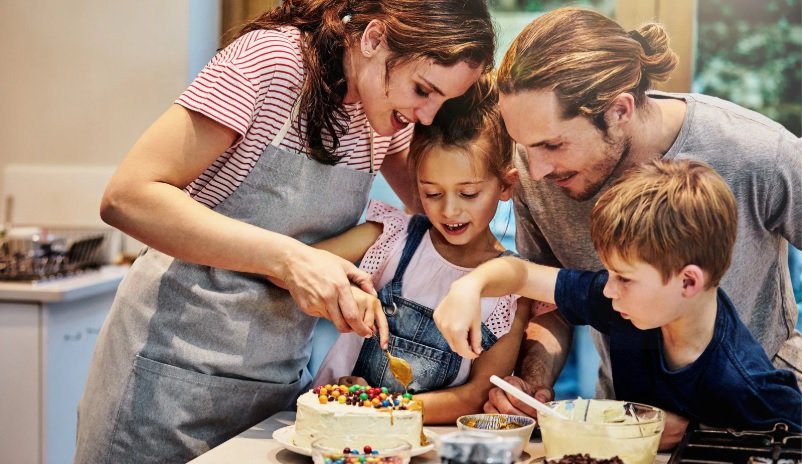
Have you ever asked yourself why some families stay close while others drift apart over time? The importance of family bonding lies in creating lasting emotional connections, building trust, and nurturing a sense of belonging. Strong family ties help individuals feel supported and valued, even during life’s toughest moments.
In this article, we explore how family bonding boosts mental well-being, fosters better communication, and strengthens resilience across generations. We examine expert insights—from family therapists to psychologists—to show why these connections matter so much. We also highlight practical ways to cultivate closeness at home through everyday habits and meaningful traditions.
If you care about deeper relationships and happier family life, you’ll find real value here. You’ll discover proven tips that experts like family-therapy pioneer Virginia Satir used to build stronger households. Let’s dive in and uncover how simple actions can transform your family bonds for the better.
Why Is Family Connection Important for Mental Health?
Do you ever ask yourself why is family important? The link between strong family relationships and robust mental health is supported by decades of psychological and neurological research. At its core, the family unit serves as our first and most influential safe haven. This secure base directly combats the epidemic of anxiety and depression.
- Stress Reduction and Emotional Regulation: Positive family interactions trigger the release of oxytocin (the “bonding hormone”) and reduce cortisol (the primary stress hormone). Children who experience secure attachments with caregivers develop better prefrontal cortex function, which is essential for managing emotions, impulses, and coping with frustration. For adults, sharing burdens within a supportive family system prevents the toxic internalization of stress.
- Identity and Self-Worth Formation: The family is the mirror through which we first see ourselves. Consistent affirmation, active listening, and encouragement from family members build a core sense of self-esteem and belonging. This internalized belief of being loved and valued unconditionally becomes a psychological armor against external criticism, bullying, and social rejection.
- Prevention and Intervention: Strong family bonds are a protective factor against mental health disorders. Open communication channels make it more likely that individuals will seek help early when struggling. Family rituals, like shared meals, provide natural touchpoints to check in, offering early detection of changes in mood or behavior that might indicate distress.
- Resilience and Trauma Recovery: When facing adversity—be it academic failure, job loss, illness, or grief—a tightly-knit family provides a network of practical and emotional support. This collective resilience ensures that challenges are faced as a unit, distributing the emotional load and fostering a “we can get through this” mindset, which is fundamental to post-traumatic growth.
The connection between relationship quality and health is clear: strong, supportive family ties improve access to medical care, information, emotional support, and practical help during illness or stress, which in turn promotes recovery and long-term well-being.
The Real Importance of Family Bonding
Moving beyond broad mental health benefits, the real, tangible importance of family connections manifests in specific, life-altering outcomes across multiple dimensions.
- Emotional Security & Unconditional Support: This is the cornerstone. Family bonding creates a sanctuary where individuals can be their authentic selves without fear of judgment. This safety net encourages risk-taking, such as trying a new sport, pursuing a creative passion, or changing careers, knowing there is a soft place to land.
- Physical Health Benefits: The impact is physiological. Studies consistently show that individuals with strong family ties have:
- Stronger immune system function.
- Lower blood pressure and reduced risk of cardiovascular disease.
- Faster recovery rates from illness and surgery.
- Later life expectancy. The reduction in chronic stress is a key mediator of these effects.
- Child & Adolescent Development: For younger members, family bonding is not merely beneficial; it is developmental fuel.
- Academic Performance: Stable, supportive home environments are linked to better concentration, higher academic motivation, and improved school attendance.
- Social Skills: The family is the first classroom for learning empathy, conflict resolution, cooperation, and communication. Children observe and practice these skills daily with parents and siblings.
- Risk Mitigation: Strong parental attachment is one of the most significant factors in reducing the likelihood of adolescents engaging in substance abuse, early sexual activity, and delinquent behavior.
- Cultural & Value Transmission: Families are the primary vessels for passing down heritage, traditions, ethics, and core values. Bonding activities—whether storytelling, celebrating cultural holidays, or volunteering together—embed these lessons in a context of love and shared experience, making them more meaningful and enduring than any lecture.
Pathways Linking Family Relationships to Well-Being
The benefits do not occur by magic. Specific, identifiable pathways—psychological, behavioral, and neurobiological—explain how family connection translates into individual well-being.
- The Attachment Pathway: Rooted in infancy, secure attachment creates an internal working model of relationships as safe and reliable. This model shapes all future interactions, leading to healthier friendships, romantic partnerships, and professional collaborations. Secure individuals are more trusting, empathetic, and capable of intimacy.
- The Behavioral Modeling Pathway: Families are constant learning environments. Children don’t just listen to what parents say; they meticulously observe what they do. Bonding time provides continuous opportunities to model positive behaviors: how to handle anger constructively, show kindness, practice gratitude, and persevere through difficulty.
- The Co-Regulation Pathway: Emotional co-regulation is the process where a calmer individual (e.g., a parent) helps a dysregulated individual (e.g., a child) manage their emotions. Through comforting touch, calm vocal tones, and patient presence during tantrums or teen angst, family members literally help each other’s nervous systems return to balance. This teaches self-regulation over a lifetime.
- The Neurobiological Pathway: Positive social interactions within the family stimulate the release of key neurotransmitters and hormones:
- Oxytocin: Promotes feelings of trust, attachment, and generosity.
- Serotonin & Dopamine: Enhance mood and create a sense of reward and pleasure from social connection.
- Reduced Cortisol: Lowers the body’s stress burden, protecting long-term health and well-being.
The Practical Support Pathway: This is the tangible arm of bonding. It includes helping with homework, providing childcare, assisting with chores during a busy week, or offering financial advice. This instrumental aid reduces daily hassles and stressors, freeing up mental and emotional energy for growth and enjoyment.
The Full Benefits of Social Connection
While family is the core, the benefits of the bonding skills learned there ripple outward, enhancing every facet of social life. A strong family foundation is the training ground for societal contribution.
- Building Social Capital: Individuals from connected families are better equipped to form and maintain deep friendships. They carry the templates of trust, empathy, and reciprocity into their social circles, building richer, more supportive networks beyond the home.
- Professional Success: The soft skills honed in family life—communication, teamwork, conflict resolution, and emotional intelligence—are the very skills most coveted in the modern workplace. Employees who can collaborate effectively and lead with empathy often emerge from backgrounds where these traits were daily practices.
- Romantic Relationship Success: Our primary attachment style, forged in the family of origin, profoundly influences our romantic partnerships. Secure attachment leads to relationships characterized by trust, healthy interdependence, and effective communication, while reducing patterns of jealousy, anxiety, or avoidance.
- Community Engagement: When individuals feel secure and supported at home, they have more psychological resources to look outward. They are more likely to volunteer, participate in community events, and help neighbors, strengthening the social fabric of their wider community. A healthy family is, therefore, a building block of a healthy society.
Common Questions about The importance of Family Engagement (FAQs)
Why is family connection important for psychological well-being?
Family connection supports psychological well-being by offering emotional support, shared meaning, and social integration. Research shows close relationships and strong social ties reduce loneliness, help reduce stress, and promote life satisfaction, associated with better mental and general well-being overall.
How does family connection influence physical health and longevity?
Close family relations influence physical health through social support, encouraging healthy behaviors, and reducing risk factors. Longitudinal studies link high quality of family relationships to better health, lower mortality, to live longer by promoting health and lowering stress-related effects overall.
Can family connection help cope with stress and life’s challenges?
Yes. Support and closeness within family help cope with stress by offering practical assistance, emotional buffering, and shared problem-solving. Research suggests resilient family dynamics and social integration improve behavioral health, reduce stress effects, and enhance coping across lifespan and well-being.
How do family relationships affect children’s development?
Relationships shape child-parent relationship, parenting practices, attachment, and early family experiences that affect human development. Strong family connection fosters emotional security, academic success, social skills, and resilience. Childhood and adolescence family support predicts better mental health, life satisfaction, social relationships.
Are family connections important for older adults’ well-being?
Yes. For older adults, social ties and family relations provide practical care, companionship, and a sense of meaning and purpose. Research highlights associations with higher life satisfaction, better health outcomes, reduced loneliness, and improved psychological well-being and longer life expectancy.
Can strong family ties improve behavioral health?
Strong family ties influence behavioral health by offering monitoring, encouragement, and reduced exposure to risk factors. Family can help promote healthy behaviors, and buffer against substance misuse. Studies suggest improving quality of family relationships benefits mental, behavioral, and physical health.
How does family connection reduce loneliness and social isolation?
Family connection reduces loneliness by maintaining regular contact, emotional intimacy, and shared activities that strengthen social integration. Strong social and family ties offer belonging, practical support, and companionship. Research highlights important implications for health promotion and overall well-being and longevity.
What role do same-sex couples and diverse families play in family connection?
Same-sex couples and diverse family forms show that relationship quality, support and closeness matter more than structure. Research shows inclusive family relations yield similar benefits—better health outcomes, higher well-being, and stronger social ties—highlighting importance of nurturing close relationships across lifespan.
Conclusion
The evidence is clear and compelling: investing in family bonding is not a luxury or a nostalgic pursuit, but a fundamental necessity for building healthier homes and, by extension, healthier individuals and communities. The Importance of Family Bonding lies in its unparalleled power to foster mental resilience, drive physical health, sculpt character, and provide a sanctuary of unconditional acceptance in an uncertain world. The pathways are both profound and practical, linking shared meals and game nights to reduced stress hormones, and heartfelt conversations to stronger prefrontal brain development.
Prioritizing this connection requires intentionality in a distracted age—it means putting away phones during dinner, creating weekly rituals, actively listening without immediate judgment, and simply showing up for one another consistently. The return on this investment is immeasurable: a home that is not just a place to live, but the primary source of strength, joy, and well-being for every person within it. Start strengthening those bonds today; the health of your home depends on it
Recommended posts
- 7 Powerful Ways to Strengthen Family Relationships (Tested)
- 7 Creative Engaging Family Activities Your Kids Actually Love
- How Family Effects on Human Development and Why it Matter?
- 7 Improving Family Communication Skills (Practical Tips)
- 7 Powerful Ways for Bonding with Adopted Infant Instantly
- 3 Proven Ways to Strengthen Childhood Early Bonding (Tested)
- The Signs of Parental Closeness and Why it Really Matters