
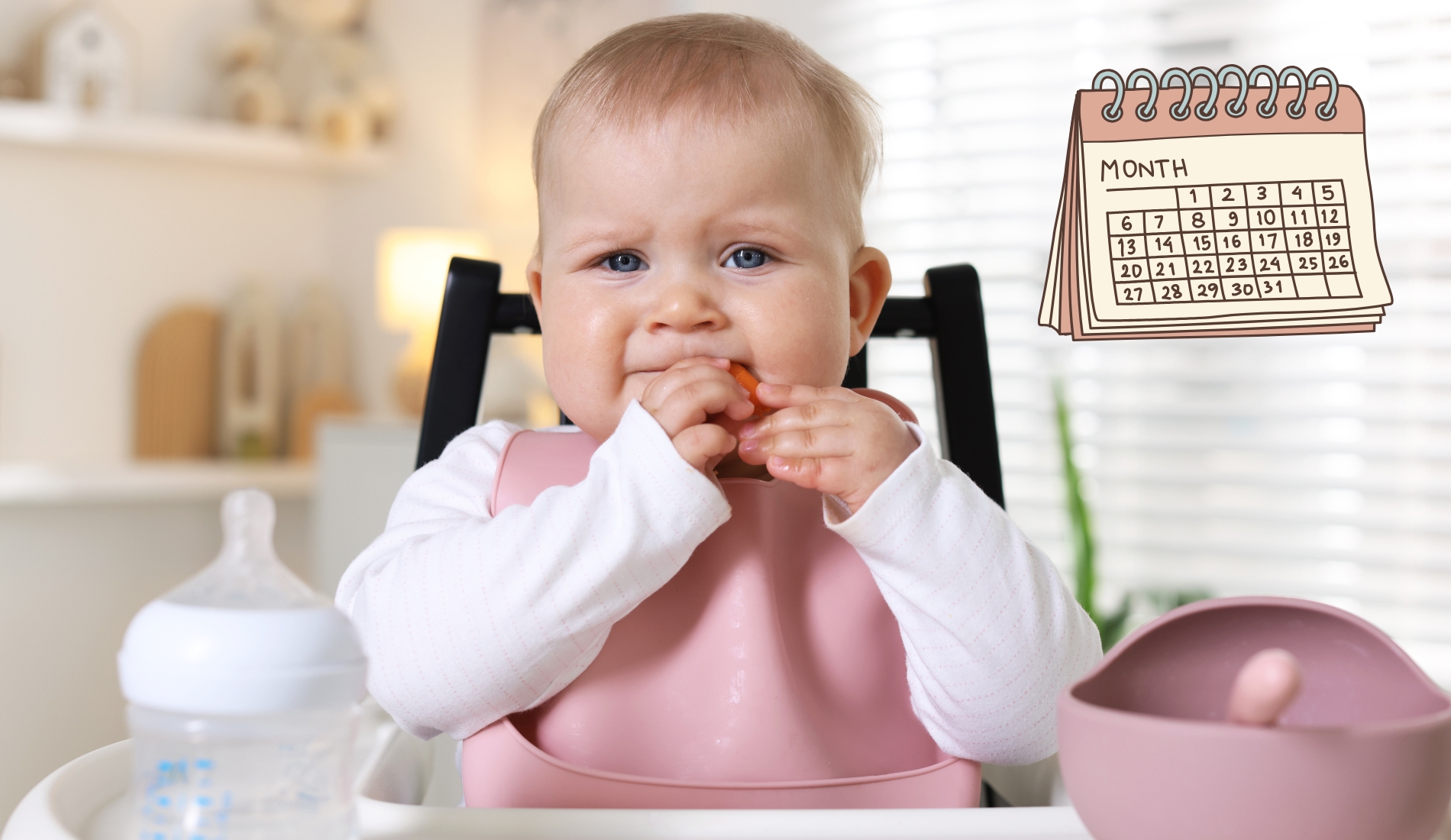
Starting Solids 6 Months marks a huge milestone for every family, doesn’t it? You may wonder how to begin this exciting phase without feeling overwhelmed. Parents often ask what the right foods are and how to tell if their baby feels ready.
At six months, babies typically develop enough head control and curiosity to explore gentle first foods, just as experts at the American Academy of Pediatrics explain. This article breaks down what signs your baby is ready to start weaning, safe starter options, and simple feeding steps to help you move with confidence. You’ll also learn what nutrition matters most during these early bites.
Dr. Claire McCarthy from Harvard Health notes that thoughtful guidance during this stage builds lifelong healthy eating habits. You’re about to discover practical tips, expert-backed advice, and smart strategies that make this transition smooth. So, let’s dive into the world of first foods and set your little one up for joyful eating from the very start.
Why 6 Months Is the Perfect Time to Start Solids?
The recommendation to begin solid foods at around six months is supported by leading global health organizations, including the World Health Organization (WHO), the American Academy of Pediatrics (AAP), and UNICEF. This timing is not arbitrary but rooted in critical developmental and physiological factors.
Developmental Readiness Signs: By six months, most babies exhibit clear signs they are ready for more than milk. These include: the ability to sit up with minimal support and hold their head steady, loss of the tongue-thrust reflex (which pushes food out of the mouth), showing curiosity about your food, and the ability to bring objects to their mouth. Attempting solids before these signs appear can be frustrating and potentially hazardous.
Nutritional Necessities: While breast milk or formula provides complete nutrition for the first six months, an infant’s iron stores begin to deplete around this time. Iron is crucial for brain development and preventing anemia. Introducing iron-rich foods, like fortified cereals and pureed meats, becomes essential. Additionally, exposure to a variety of textures and flavors supports oral motor development and may reduce the risk of picky eating later.
Gut Maturity and Allergy Prevention: A baby’s digestive system is more mature at six months, better equipped to process solids. Research also indicates that introducing potential allergens (like peanut butter, egg, dairy) around 6 months, and not delaying them, may help reduce the risk of developing food allergies. Always introduce one new allergen at a time and watch for reactions.
What, When and How Much Food to Offer
The early days of solids are less about quantity and more about exploration and skill acquisition. Think of it as “complementary feeding”—solid foods complementing, not replacing, primary milk nutrition.
What to Offer: First Food Choices
- Iron-Fortified Cereals: Single-grain infant cereals (oat, barley, rice) mixed with breast milk or formula are a traditional and excellent first food due to their iron content and smooth texture.
- Pureed Single Vegetables and Fruits: Start with mild, easily digestible options. Great first choices include: sweet potato, carrot, avocado, banana, pear, and butternut squash. Steam or roast until soft, then puree to a smooth consistency.
- Pureed Meats and Legumes: Don’t overlook meats! Pureed chicken, turkey, beef, or lentils are phenomenal sources of bioavailable iron and zinc.
- Texture: Begin with very smooth, runny purees. As your baby shows proficiency (usually within a few weeks), gradually thicken the texture.
Baby-Led Weaning (BLW) Option: An alternative approach is BLW, where you offer soft, graspable finger foods from the start (e.g., large spear of soft-cooked avocado, flaky salmon, soft broccoli florets). If choosing BLW, ensure you are educated on safe food preparation and choking prevention.
How Much & When: Start with one “meal” per day, at a time when your baby is happy, alert, and not overly hungry (offer a little milk first). Begin with just 1-2 teaspoons of food. The amount will naturally increase as your baby’s appetite and skills grow. Let your baby’s cues guide you—turning their head away, clamping their mouth shut, or playing with the food are signs they are finished. The primary goal is experience, not consumption.
Starting Solids 6 Months Schedule:
This sample schedule integrates solid meals into your baby’s existing rhythm of milk feeds and naps. Remember, this is a flexible framework, not a rigid timetable.
Sample Daily Schedule (6-7 Months Old):
- 7:00 AM: Wake-up & Breast Milk or Formula Feed.
- 9:00 AM: Nap.
- 10:00 AM: Breast Milk or Formula Feed.
- 11:30 AM: First Solid Meal. Offer 1-2 tbsp of iron-fortified oat cereal or a single-vegetable puree.
- 12:30 PM: Nap.
- 2:00 PM: Breast Milk or Formula Feed.
- 4:00 PM: (Optional short nap).
- 5:00 PM: Breast Milk or Formula Feed.
- 6:00 PM: Optional Second Solid Meal. You may introduce a second, small tasting session here, perhaps a fruit puree.
- 7:00 PM: Breast Milk or Formula Feed, then bedtime routine.
Key Principles of the Solids for 6 Month old Schedule:
- Milk First: For the first few months, milk feeds remain the primary source of nutrition. Always offer a milk feed about 30-60 minutes before solids to ensure baby isn’t famished and frustrated.
- Consistency: Offer solids at roughly the same time each day to help your baby establish a routine.
- Progression: By 7-8 months, most babies will be ready for 2 solid meals per day, with thicker textures and more variety, including combination purees and soft finger foods.
8 to 9 Months Old On-Demand Breastfeeding
As your baby moves into the 8-9 month range, their solid food intake increases, and their milk needs may begin to adjust slightly. However, breast milk continues to be a vital source of nutrition, antibodies, and comfort.
Evolving the Schedule:
- Solids: Increase to 3 meals per day. Textures should now include mashed and soft, small finger foods. You can offer a wider range of foods to feed 6 month old, including dairy (full-fat yogurt, cheese), eggs, and finely chopped meats.
- On-Demand Breastfeeding: While a loose schedule exists, continue to breastfeed on demand. This typically means nursing upon waking, before naps, before/after meals, and at bedtime. On-demand feeding ensures your supply matches your baby’s needs and provides continued immune support and bonding.
Sample Day (8-9 Months):
- Wake-up: Breastfeed.
- Breakfast: Solid meal (e.g., scrambled egg, avocado slices).
- Mid-Morning: Breastfeed before nap.
- Lunch: Solid meal (e.g., chicken and vegetable mash, yogurt).
- Afternoon: Breastfeed.
- Dinner: Solid meal (e.g., salmon flakes, soft-cooked pasta with pea puree).
- Bedtime: Breastfeed.
The balance shifts, but breast milk remains a cornerstone. Let your baby’s hunger cues and your own supply guide the frequency of feeds.
6 Month Old Feeding Schedule with Solids and Formula
For formula-fed babies, the principles of introducing solids are identical, though the milk-feeding schedule may look slightly different due to the distinct digestion of formula.
Key Considerations for Formula-Fed Babies:
- Volume: At 6 months of age, babies typically consume 24-32 ounces of formula per day. As solid intake increases, formula volume may gradually decrease, but it should remain their main drink until 12 months.
- Timing: Formula can be offered in bottles or, as they approach 7-8 months, in sippy cups with meals.
Sample Daily Schedule (6 Months with Formula):
- 7:00 AM: Wake-up & Formula Bottle (6-7 oz).
- 9:00 AM: Nap.
- 10:30 AM: Formula Bottle (6-7 oz).
- 12:00 PM: First Solid Meal. (e.g., sweet potato puree).
- 1:00 PM: Nap.
- 3:00 PM: Formula Bottle (6-7 oz).
- 5:00 PM: Formula Bottle (4-6 oz).
- 6:00 PM: Optional Second Solid Tasting.
- 7:00 PM: Final Formula Bottle (6-8 oz) before bedtime.
Always prepare formula according to instructions and hold your baby during bottle feeds, even as they get older, to promote bonding and prevent ear infections.
Common Questions about Introducing Solid Food for 6 Month Old Infant (FAQs)
When can I give my baby finger foods?
You can give your baby finger foods around 8 to 12 months, once they can sit up and grasp small pieces of food. This encourages self-feeding and exploration as your baby learns to transition from baby food to solid foods.
Should I still give my baby breast milk or first infant formula?
Yes, continue to give your baby breast milk or first infant formula alongside baby food as they start eating solid foods. This ensures they receive essential nutrients, helping your baby grow and adjust to new foods around 6 months old.
Have you downloaded the Solid Starts app?
Downloading the Solid Starts app can be beneficial when introducing your baby to solid foods. It offers guidance on healthy foods, age-appropriate portions, and techniques for helping your baby learn to eat various healthy food options confidently.
What changes can I expect after my baby starts solids?
After your baby starts solid foods at around 6 months, expect changes in their eating habits and digestion. Your baby may eat less frequently than with breast milk, and stool patterns may change, reflecting the variety of new foods introduced.
What to feed your baby?
Feed your baby iron-rich baby food, like pureed fruits, vegetables, and cereals, when they start eating solid foods around 6 months. As your baby grows, gradually introduce healthy foods, allowing them to explore different flavors and textures.
Does my baby need water when starting solid foods?
You can give your baby some water when offering solid foods around 6 months, but breast milk or formula should remain their primary source of nutrition. This helps keep your baby hydrated as they adjust to eating new foods.
How to introduce foods for a 6-month-old baby?
Introduce foods for your 6-month-old baby by starting with single-grain baby cereal or pureed fruits and vegetables. Offer new food gradually and observe for any reactions, helping your baby learn to enjoy a variety of healthy foods.
How much solids for a 6-month-old?
For a 6-month-old, start with about 1-2 tablespoons of solid food per meal, gradually increasing as your baby eats more. Monitor your baby’s appetite and reactions, ensuring they continue to receive adequate nutrition from breast milk or formula.
How to start BLW at 6 months?
To start baby-led weaning (BLW) at 6 months, offer your baby soft, healthy pieces of food they can grasp. Encourage exploration and self-feeding, allowing your baby to learn to eat solids while still providing breast milk or formula.
Can I start introducing solids at 4 months?
Yes, some babies can start introducing solids at 4 months if they show signs of readiness, such as good head control and interest in food. Consult your pediatrician to ensure a safe transition from breast milk or formula to solid foods to feed 6 month old.
Conclusion
Embarking on the Starting Solids 6 Monthss journey is a process of guided discovery for both you and your baby. By waiting for the developmental cues around six months, focusing on iron-rich first foods, and following a flexible but structured schedule, you create a positive and nutritious foundation. Whether you choose purees, baby-led weaning, or a combination, remember that responsiveness to your baby’s hunger and fullness signals is paramount.
As you progress from single purees to more complex meals, keep prioritizing variety, texture advancement, and the continued importance of breast milk or formula. This stage is less about the perfect schedule and more about fostering a joyful, stress-free relationship with food that will benefit your child for years to come. Trust the process, embrace the mess, and celebrate each new flavor and skill your little one masters.
Recommended posts
- Combining Breastfeeding and Introducing Solids (Expert Tips)
- The Weird Poop After Starting Solids (But Totally Normal!)
- 3 Choking Hazard Foods to Avoid When Starting Solids
- 5 Starting Solids Strawberry Benefits for Babies

