Have you ever noticed a red bump or rash on your newborn’s skin and wondered if it’s something serious? A staph infection on newborn isn’t just a harmless skin irritation—it can escalate quickly if not treated on time. As a parent, knowing the signs and understanding the risks is crucial to protecting your baby’s health.
Staph infections in newborns are usually caused by Staphylococcus aureus bacteria, which can enter through tiny cuts or even from normal handling.
Mild cases may appear as skin boils or rashes, while severe infections can lead to serious complications like sepsis or pneumonia.
Dr. Mary Ann Cornelius, a leading pediatric infectious disease expert, stresses early detection as the key to safe recovery.
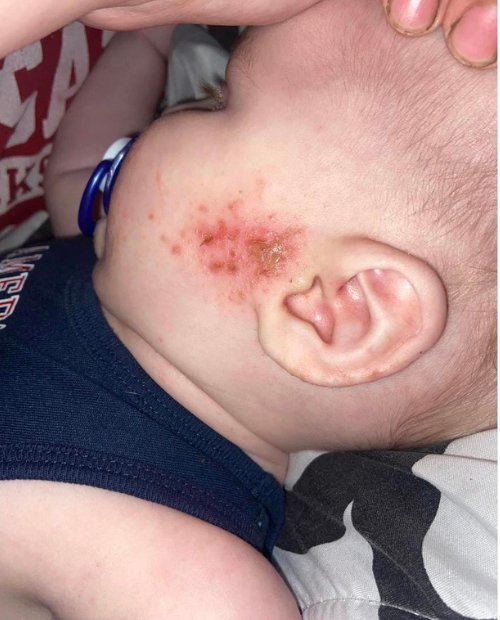
But how do you know when it’s just a diaper rash or something more alarming? What steps should you take if you suspect a staph in newborns? Let’s dive deeper into the symptoms, causes, treatment options, and expert advice every parent needs to know right now.
Are Staph Infections In Newborns Serious?
Staph infections in newborns can indeed be serious, particularly due to the delicate nature of their immune systems. Infants are particularly susceptible to serious staph in newborns, which can lead to conditions like sepsis if left untreated.
While staph in newborn babies may be mild and manageable, others could escalate quickly, requiring immediate medical intervention. Parents should be aware that newborns can develop serious staphylococcal infections, especially in the neonatal intensive care unit (NICU), where they may be exposed to various strains of bacteria.
Infections caused by staphylococcus aureus, a common type of staph bacteria, can manifest in various ways, from minor skin infections to more severe issues such as bloodstream infections.
It’s vital for caregivers to monitor any signs of infection, as delaying treatment can lead to complications. Awareness of the potential seriousness of staph infections is essential for ensuring prompt and effective treatment, which can significantly improve a baby’s health outcomes.
Causes of Staph Infection on Newborn
How does a baby get a staph infection? Staph infections in newborns are primarily caused by staphylococcus bacteria, which are commonly found on the skin and in the nasal passages of healthy individuals. These bacteria can enter an infant’s body through open skin lesions or minor cuts, leading to a staph skin infection.
The risk increases in settings like the NICU, where the babies may have compromised skin integrity or be exposed to multiple strains of staph bacteria. Additionally, factors such as inadequate hygiene practices during care can facilitate the transmission of staph infections.
Another contributing factor to neonatal staphylococcal infections is the presence of infections in the mother during pregnancy or delivery. If the mother has a staph infection, it can be transmitted to the newborn during birth.
Moreover, certain medical procedures or interventions, such as the use of intravenous lines, can also introduce bacteria into the bloodstream, increasing the risk of serious infections. Understanding these causes is crucial for both prevention and effective management of staph infections in newborns.
How to reduce the risk of staph infection on a newborn?
Reducing the risk of a staph infection in a newborn is super important since their immune systems are still developing. Here are some key steps to help protect your baby:
🧼 1. Practice Good Hygiene
- Wash hands thoroughly before touching the baby — especially after diaper changes, using the bathroom, or being in public.
- Ask visitors to wash their hands or use hand sanitizer before holding the baby.
- Keep the baby’s nails trimmed and clean to prevent scratching and skin breaks.
🧽 2. Clean Baby Gear Regularly
- Frequently wash bottles, pacifiers, toys, blankets, and anything that touches the baby’s skin or mouth.
- Disinfect changing tables, bassinets, and other surfaces.
👶 3. Protect the Baby’s Skin
- Keep the baby’s skin clean and dry.
- Use mild, fragrance-free soaps and lotions to avoid irritation.
- Watch for cuts, rashes, or diaper rash, and treat promptly — staph can enter through broken skin.
🩹 4. Monitor for Early Signs
- Look for redness, swelling, warmth, or pus around any skin area.
- Be cautious if you see a pimple-like bump or boil — it could be a sign of a staph infection.
- Fever or fussiness without a clear cause may also be a warning sign.
🚫 5. Limit Exposure
- Avoid contact with people who have open wounds, skin infections, or are currently sick.
- If anyone in the household has a history of staph or MRSA, be especially cautious.
🧺 6. Laundry Care
- Wash the baby’s clothes, bedding, and towels in hot water when possible.
- Dry thoroughly, preferably on high heat.
🩺 7. Follow Pediatrician Visits
- Keep up with regular checkups and vaccinations.
- If you notice anything unusual with your baby’s skin or behavior, call your pediatrician early — staph infections can spread quickly.
Signs and Symptoms of Staph Infection
The signs and symptoms of staph infection in newborns can vary widely depending on the severity and type of infection. Common symptoms include skin lesions, redness, and swelling at the infection site, which may develop into blisters.
In some cases, staph bacteria make a toxin that affects the skin, leading to conditions such as staphylococcal scalded skin syndrome. Caregivers should also be vigilant for signs of fever and irritability, which may indicate a more serious infection.
In addition to visible skin symptoms, some infants may exhibit behavioral changes, such as feeding difficulties or lethargy, which can signal a serious staph in newborn babies. If the infection spreads, it can lead to sepsis, a life-threatening condition that requires immediate medical attention.
Parents should not hesitate to seek care if they observe any unusual signs or symptoms, as timely diagnosis and treatment are key to preventing complications associated with staph infections.
Risk Factors For Staph Bacteria Exposure
Several risk factors can increase a newborn’s exposure to staph bacteria, which can lead to staph infections. First and foremost, premature infants are at higher risk due to their underdeveloped immune systems and potential for open skin.
Additionally, infants who have undergone invasive procedures, such as catheter placement or surgery, are more susceptible to acquiring staph bacteria. Poor hygiene practices among caregivers can also significantly raise the risk of staph infections.
Other factors include environmental conditions in the NICU, where multiple infants may be cared for simultaneously, potentially leading to cross-contamination.
Mothers who carry staph bacteria, particularly methicillin-resistant Staphylococcus aureus (MRSA), can inadvertently transmit these bacteria to their newborns during delivery.
Understanding these risk factors is essential for parents and healthcare providers in implementing preventative measures to reduce the likelihood of staph infections in newborns.
Early Stage Staphylococcal Scalded Skin Syndrome
Staphylococcal scalded skin syndrome (SSSS) is a serious condition that can occur in newborns, primarily caused by toxins produced by staph bacteria.
In the early stages, the infant may develop redness and tenderness, often resembling a burn, particularly around the mouth and eyes. Blisters may form, and the skin can begin to peel, leading to significant discomfort for the baby.
It’s essential for parents to recognize these symptoms early, as prompt treatment is crucial for preventing further complications.
If left untreated, SSSS can lead to more severe skin infections and even sepsis, which poses a significant risk to the newborn’s health. Treatment usually involves the use of intravenous antibiotics and supportive care to manage symptoms and prevent dehydration.
Parents should be aware of the importance of seeking immediate medical attention if they suspect their newborn may be developing staphylococcal scalded skin syndrome, as early intervention can lead to a favorable outcome.
Treatment for Staph Infections: (Impetigo Cure)
Treating staph infections in newborns, including impetigo, often requires a multifaceted approach. Mild staph infections may be managed with topical antibiotics, while more severe cases, particularly those involving extensive skin lesions or systemic symptoms, may necessitate intravenous antibiotics.
Healthcare providers will typically conduct a thorough diagnosis to determine the most effective treatment for the specific strain of staph bacteria causing the infection.
In cases like impetigo, characterized by crusty lesions and blisters, appropriate topical treatments can help clear the infection effectively. However, monitoring the infant’s progress is essential, as some strains of staph, including MRSA, may require more aggressive treatment.
Parents should work closely with their healthcare team to ensure that the treatment plan is followed diligently and any concerns are addressed promptly, as this can significantly influence recovery and overall health.
Similar to adults, antibiotics are the primary method to treat the infection staph in newborns. If the infection shows resistance to typical antibiotics such as methicillin, a more potent antibiotic given via IV may be required to treat the affected area.
Can Neonatal Staph Infections Be Prevented?
Preventing neonatal staph infections requires a combination of good hygiene practices and vigilant monitoring. Caregivers should wash their hands thoroughly before handling the newborn, especially after caring for other infants or touching potentially contaminated surfaces.
Keeping the baby’s skin clean and dry is essential, as moisture can facilitate bacterial growth. Additionally, ensuring that any cuts or abrasions are promptly cleaned and covered can help protect against potential infections.
Healthcare providers also play a crucial role in preventing staph infections by adhering to strict infection control protocols in the NICU. Educating parents about the signs of infection and the importance of seeking timely medical attention can further enhance prevention efforts.
By fostering an environment of awareness and prevention, the risk of neonatal staph in newborns can be significantly reduced, safeguarding the health of vulnerable newborns.
Is MRSA a Type of Staph Infection?
Yes, MRSA, or methicillin-resistant Staphylococcus aureus, is a type of staph infection that is particularly concerning due to its resistance to many common antibiotics.
This strain of staph bacteria can lead to serious infections, including skin infections, pneumonia, and sepsis. In newborns, MRSA infections can be especially dangerous, as they may not respond to standard treatment protocols, necessitating the use of more potent antibiotics.
MRSA infections can be acquired in healthcare settings, such as hospitals or neonatal intensive care units, where the risk of exposure to resistant bacteria is higher.
Parents should be aware of the signs of MRSA infections, which may include redness, swelling, and pus at the site of infection, as well as systemic symptoms like fever. Early identification and treatment of MRSA infections are critical to preventing serious health complications in newborns.
Neonatal Staphylococcal Infection Conclusion
In conclusion, staph infections in newborns present a significant health challenge that requires careful attention from parents and healthcare providers. Understanding the symptoms, causes, and treatment options available is essential for ensuring the well-being of vulnerable infants. By practicing good hygiene, recognizing risk factors, and seeking timely medical intervention, the impact of staph in newborns can be minimized.
Parents should remain informed and vigilant as they navigate the complexities of neonatal health, particularly concerning staphylococcal infections. Additionally, birth injury lawyers may find it valuable to understand the implications of staph infections in newborns, especially in cases involving medical negligence. Ultimately, a collaborative approach between caregivers, medical professionals, and legal experts can foster better outcomes for affected infants and their families.
Recommended posts
- How to Get an Overtired Newborn to Sleep (Tested & Proven)
- Blood Stool in Newborns: Causes, Symptoms, and When to Worry
- Newborn Lip Blister: Causes, Symptoms & Best Treatment
- Newborn Purple Feet: Causes, Concerns, and When to Seek Help
- Bed Bug Bites on Baby: Signs, Risks, and Prevention Tips
- Normal Newborn Vital Signs: What Every Parent Should Know