
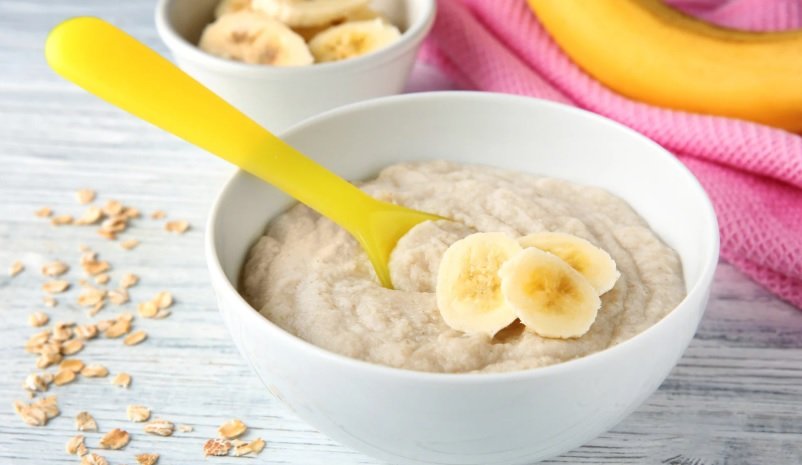
When Should an Infant Start Eating Cereal? Parents ask this question the moment their baby shows interest in food. You might wonder if your child needs cereal early or if waiting brings better benefits. What’s your take on this milestone?
The short answer points to start introduce rice cereal cereal to your baby around six months, when most infants develop the motor skills needed for safe swallowing. Pediatric nutrition leaders like Dr. Benjamin Spock highlight this window as ideal, noting that early solids rarely boost sleep or growth. At this stage, babies handle textures better and show clearer hunger cues.
You’ll discover why experts choose this age, what signs show your baby’s readiness, and which cereals work best for beginners. Fresh insights from respected pediatricians deepen the guidance. So, let’s move into the complete roadmap and help you make confident choices for your infant’s first spoonful.
Can Rice Cereal Be Used to Thicken Breast Milk or Formula?
Rice cereal can physically thicken breast milk or formula, but it is not recommended for routine use. Pediatric guidelines strongly advise against adding cereal to bottles without specific medical instruction.
Doing so can pose choking hazards, interfere with nutrient absorption, and is unnecessary for most infants. The only exception is for a diagnosed medical issue like severe reflux or dysphagia, and only under direct supervision from a pediatrician.
For starting solids, feed cereal from a spoon when your baby is developmentally ready, around 6 months. Always consult your doctor before altering your baby’s feeds.
When Should an Infant Start Eating Cereal at Night?
When to introduce rice cereal? The answer to when an infant should start eating cereal is not defined by a specific date on the calendar, but by a confluence of developmental milestones and official health guidelines.
The American Academy of Pediatrics (AAP), the World Health Organization (WHO), and other leading pediatric bodies uniformly recommend the introduction of complementary foods, including infant cereal, at around 6 months of age.
This 6-month marker is not arbitrary. By this age, most infants have:
- Doubled their birth weight.
- Developed the necessary digestive enzymes to better process more complex foods.
- Significantly diminished the tongue-thrust reflex (which pushes food out of the mouth).
- Achieved crucial neuromuscular development for head and neck control.
While some parents or older guidelines may have suggested starting cereal as early as 4 months, this is no longer the universal recommendation. Introducing solids before 4 months is associated with increased risks of choking, obesity, and digestive issues. The “around 6 months” guideline is crucial—it emphasizes that readiness is individual.
Some babies might be ready a week or two before 6 months, while others might show signs a week or two after. The key is to use the 6-month point as a guidepost while vigilantly observing your baby for the concrete signs of readiness, which we will detail next.
Starting with an iron-fortified single-grain cereal, such as oatmeal or barley, is often advised as they are easy to digest and help replenish iron stores that begin to diminish around this age.
How Do You Know Baby is Ready for Solid Foods?
Timing is everything. Starting too early or too late each carry risks. The consensus among global health authorities is that most babies are ready for complementary foods around 6 months of age. However, since every child develops at their own pace, chronological age should be considered alongside key developmental milestones.
Look for these four critical signs of readiness, which usually appear together:
- Head and Neck Control: Your baby can hold their head up steadily and sit upright with minimal support (like in a high chair). This is essential for safe swallowing.
- Loss of the Tongue-Thrust Reflex: This instinctive reflex causes babies to push food out of their mouths with their tongue. When this reflex diminishes, they can move food to the back of the mouth to swallow.
- Ability to Sit and Lean Forward: Your baby shows interest by leaning toward food and can turn away to signal they are finished.
- Curiosity About Food: They watch you eat intently, reach for your food, and may open their mouth when they see a spoon approaching.
Important Note: Readiness is not signaled by a baby drinking more milk, waking at night (which is normal developmental behavior), or seeming “extra hungry.” These are not reliable indicators and starting solids will not necessarily change these patterns.
Can Rice Cereal Be Used to Thicken Breast Milk or Formula?
This question touches on a common practice, but one that requires careful context and significant caution.
For Medical Reasons, Under Supervision: YES. Pediatricians or speech-language pathologists may recommend thickening feeds with a small amount of rice cereal (or other thickeners like oatmeal or commercial gel mixes) for infants diagnosed with clinically significant gastroesophageal reflux (GERD) or swallowing coordination difficulties (dysphagia). This is a specific medical intervention to reduce spit-up volume and improve safe swallowing.
For Routine Feeding or to “Help with Sleep”: NO. Using rice cereal as a routine thickener in a bottle is not advised for the general infant population due to the risks mentioned earlier: choking, overfeeding, and disrupting natural hunger cues.
The Rice Cereal & Arsenic Consideration: In recent years, concerns have been raised about inorganic arsenic levels in rice-based products. While the FDA has set guidance levels, many pediatricians now recommend variety from the start. If you choose to use infant cereal, consider alternating rice cereal with other iron-fortified options like oat, barley, or multigrain cereals. These provide excellent iron and are equally suitable as first foods.
What are Guidelines for Starting a Baby on Solid Foods?
Following a structured, responsive approach ensures a positive and safe introduction to solids. Here is a step-by-step guideline.
Step 1: Get the Setup Right
- Timing: Choose a time of day when your baby is in a good mood, slightly hungry but not ravenous (often after a little milk feed), and you are not rushed.
- Equipment: Use a soft-tipped, shallow spoon. A supportive high chair is essential.
Step 2: Choose the First Food
- While iron-fortified single-grain infant cereal is a classic and excellent choice due to its iron content and mild flavor, it is not the only option.
- You can also start with pureed meats (another great iron source) or smooth purees of vegetables (like sweet potato, avocado) or fruits (like banana). The current “baby-led weaning” approach may even introduce soft, graspable foods from the start.
- Key Principle: Introduce one single-ingredient food at a time and wait 2-3 days before introducing another. This helps identify any potential food allergies or sensitivities.
Step 3: Master the Technique
- Start with a tiny amount—just half a spoonful.
- Let your baby smell and see the food. Gently place the spoon between their lips and let them suckle or munch the food off. Don’t force it.
- Expect a mess. Much of the food may be pushed out initially. This is a learning process.
Step 4: Progress Texture and Variety
- Begin with very runny, smooth purees mixed with breast milk or formula.
- As your baby masters swallowing (within a few weeks), gradually thicken the consistency.
- Rapidly expand variety to include different food groups: fruits, vegetables, meats, legumes, and grains. By 8-9 months, many babies can handle soft, mashed, and finely chopped finger foods.
Step 5: Maintain Milk as Primary Nutrition
- For the first year, breast milk or formula remains your baby’s primary source of nutrition. Solids are “complementary.”
- Solid food intake will gradually increase from a few teaspoons to small meals over several months.
Critical Safety Rules:
- Always supervise while eating.
- Never prop a bottle or put cereal in a bottle without explicit medical instruction.
- Avoid honey (risk of infant botulism) and choking hazards (whole nuts, popcorn, whole grapes, sticky foods) until much older.
- Consult your pediatrician before starting, especially if your baby was premature or has underlying health conditions.
Common Questions about When Can an Infant Start Eating Cereal (FAQs)
Can I give my 4-month-old baby cereal?
Yes, you can give your 4-month-old baby cereal if they show readiness signs, such as good head control. Start with iron-fortified rice cereal when you begin to feed your baby solid foods, ensuring it’s mixed with breast milk or formula.
When do babies start eating cereal in their milk?
Babies typically start eating cereal in their milk around 4-6 months, when they begin eating solid foods. Mix iron-fortified rice cereal with breast milk or formula to create a smooth texture that’s easy for your baby to consume.
Do pediatricians still recommend infant and toddler cereal?
Yes, pediatricians often recommend infant and toddler cereal, particularly iron-fortified options, when starting solid foods around 4-6 months. This helps ensure your baby gets essential nutrients, especially as you introduce solid foods to your baby diet.
When starting your baby on solids?
When starting your baby on solids around 4-6 months, look for signs that your baby may be ready, like sitting with support and showing interest in new food. Gradually introduce single-grain cereals and pureed fruits or vegetables.
How early should I start baby cereal?
You should start feeding your baby cereal around 4-6 months, depending on your baby’s readiness. Signs that your baby may be ready include good head control and the ability to sit up. Always consult your pediatrician before starting.
What can I feed a 4-month-old baby?
You can feed your 4-month-old baby iron-fortified rice cereal mixed with breast milk or formula. As they adjust, you can introduce additional baby food options, like pureed fruits or vegetables, to give your baby varied nutrition.
When should babies stop eating purees?
Babies typically stop eating purees around 8-12 months, as they become more comfortable with textures. Transitioning to solid foods includes introducing finger foods as your baby may be ready to explore self-feeding.
When do babies start eating baby food?
Babies generally start eating solid foods around 4 months when they are ready. Signs include good head control and interest in food. Begin with purees and gradually introduce new food options as you feed your baby.
How to get your baby started?
To get your baby started, introduce solid foods around 4-6 months, beginning with iron-fortified cereals and pureed fruits or vegetables. Give your baby new foods one at a time, observing for any reactions or preferences.
How to introduce foods?
Introduce foods by starting with single-grain cereals like rice cereal, gradually adding purees of vegetables and fruits. Give baby new food every few days, allowing them to adjust and enjoy the shift to solid foods like cereal, meats and vegetables with no problem.
Conclusion
Navigating the transition to solid foods is a significant step in your infant’s development. Returning to the core question, when should an infant start eating cereal? The answer is clear: around 6 months of age, but only when your baby demonstrates specific developmental readiness signs, and it should be offered from a spoon, not from a bottle. Dismiss the outdated notion of cereal for nighttime sleep, as it carries risks without proven benefits.
Focus instead on the exciting journey of exposing your baby to a world of flavors and textures. Use iron-fortified infant cereals like oat or barley as one part of a diverse diet, prioritize safety, and follow your baby’s cues. By adhering to these modern, evidence-based guidelines and maintaining open communication with your pediatrician, you will lay a foundation for healthy eating habits that will benefit your child for years to come.
Recommended posts
- Is it OK Starting Solids at 5 Months? (Do’s and Don’ts)
- When to Start Solid Foods for Baby Safely (Do’s and Don’ts)
- Top 10 First Weaning Foods for Babies (Safe Starter Options)
- When to Start Purees for Baby – Key Signs You Shouldn’t Ignore

