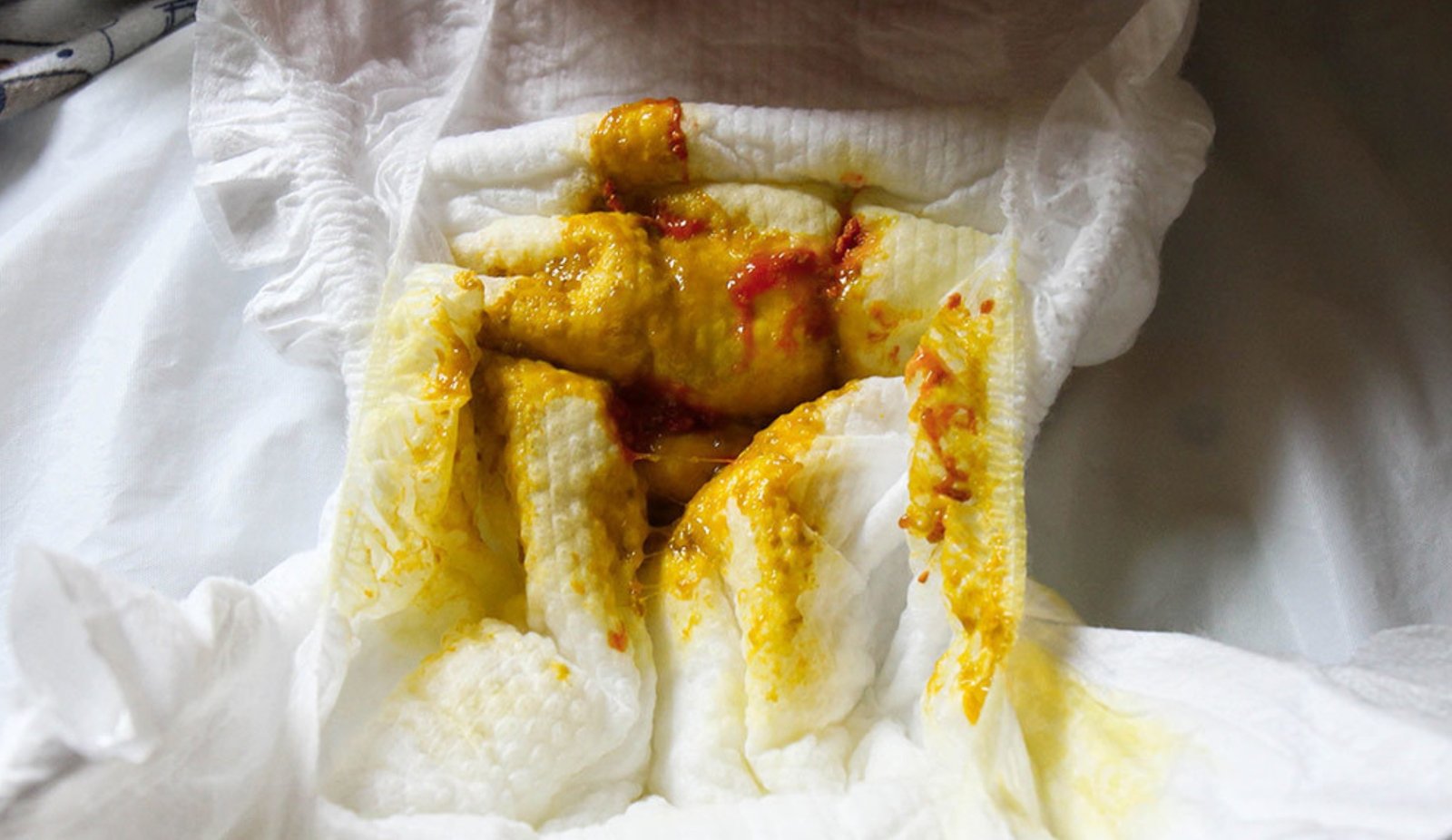
Seeing blood in your newborn’s stool can be terrifying—what could it mean, and is it a sign of something serious? Blood Stool in Newborns is more common than many realize, but what causes it? Could it be a harmless issue like a milk protein allergy, or is it something that needs urgent medical attention?
In most cases, blood in a newborn stool is due to minor issues such as small rectal tears or sensitivity to formula or breast milk. Conditions like cow’s milk protein intolerance, infections, or even swallowed maternal blood during delivery can also be the cause. Pediatric experts like Dr. William Sears emphasize understanding the root cause early to avoid complications.
But these aren’t the only reasons your baby might pass a bloody stool. To uncover the full range of causes, symptoms to watch, and when to seek help from your pediatrician, let’s dive into the expert-backed insights that every new parent should know.
Causes of Blood Stool in Newborns:
There are several causes of bloody stool in newborns, ranging from benign to serious conditions. One common cause is anal fissure, which results from straining during bowel movements. Another potential cause is gastrointestinal bleeding, which may arise from swallowed maternal blood during delivery or from conditions like necrotizing enterocolitis, particularly in preterm infants.
In some instances, bloody stools in a neonate can be attributed to infections or inflammation within the gastrointestinal tract, leading to bloody diarrhea. It’s crucial for parents to monitor their infant’s stools and seek medical attention if they notice consistent signs of blood in the stool, as this could indicate a more serious underlying issue.
Additionally, isolated rectal bleeding without accompanying symptoms often has less severe implications but should still be evaluated. Infants and children may experience gastrointestinal disturbances that result in blood in baby stool for various reasons.
Understanding the common causes of blood in infants stool can assist parents in recognizing patterns and symptoms that warrant a visit to the pediatrician. Blood tests may also be necessary to identify the root cause of bleeding in children, ensuring prompt and appropriate treatment.
Blood in Infants Poop Symptoms
When blood appears in an infant’s poop, it can manifest in various ways, presenting symptoms that parents should be vigilant about. The most obvious symptom is the presence of red blood in the stool, which can range from bright red to darker shades depending on the source of bleeding.
In some cases, blood may not be immediately visible but can be detected through positive fecal occult blood tests. Alongside visible blood, parents may notice changes in their infant’s bowel habits, such as an increase in frequency or a shift to more watery stools, which could indicate bloody diarrhea.
Other symptoms to observe include signs of discomfort during bowel movements, which may suggest the presence of anal fissures or other gastrointestinal issues. Infants might also exhibit irritability or feeding difficulties, which can be associated with gastrointestinal distress.
If these symptoms persist, it is essential to consult with a healthcare provider to determine the underlying cause of gastrointestinal bleeding and to rule out more serious conditions that may require immediate medical intervention.
Causes of Bloody Stools in Preterm and Term infants
Bloody stools in infants—whether preterm or term—can be alarming and stem from a wide range of causes. The etiology can vary significantly depending on the infant’s gestational age, feeding history, clinical symptoms, and overall condition.
Here’s a breakdown of common causes categorized by preterm and term infants, as well as shared causes.
🩸 Causes of Bloody Stools in Preterm Infants
- Necrotizing Enterocolitis (NEC)
- Most common serious cause in preterms
- Inflammatory and ischemic bowel disease
- Often presents with abdominal distention, feeding intolerance, and red stools
- Spontaneous Intestinal Perforation (SIP)
- More localized than NEC
- May lead to blood per rectum but typically with free air on imaging
- Cow’s Milk Protein Allergy (CMPA)
- Can occur even among preterm infants
- Blood may be occult or gross
- Often associated with feeding intolerance, vomiting, or diarrhea
- Coagulopathy / DIC (Disseminated Intravascular Coagulation)
- Due to sepsis, asphyxia, liver dysfunction
- General bleeding tendency including GI tract
- Iatrogenic causes
- Rectal trauma from thermometer, enema, or tube placement
- Nasogastric tube-induced trauma with swallowed blood
🩸 Causes of Bloody Stools in Term Infants
- Anal Fissures
- Most common benign cause in healthy term infants
- Associated with constipation or hard stools
- Swallowed Maternal Blood (from delivery or cracked nipples)
- Mimics GI bleeding
- Apt test helps differentiate fetal vs. maternal blood
- Infectious Colitis
- Bacterial (e.g., Salmonella, Shigella, E. coli)
- Viral (e.g., rotavirus, adenovirus)
- Often with diarrhea, fever, and vomiting
- Cow’s Milk Protein Allergy (CMPA)
- Also common in term infants, especially formula-fed
- Can also occur with breast milk if mother consumes dairy
- Intussusception
- Rare under 3 months but possible
- Classically presents with “currant jelly stools,” colicky pain
- Vascular malformations / Polyps
- Rare in neonates but considered in persistent or unexplained bleeding
🔄 Shared Causes in Both Preterm and Term Infants
- Vitamin K Deficiency Bleeding (VKDB)
- Particularly in infants who did not receive prophylactic vitamin K
- Can cause GI bleeding among other signs
- Sepsis
- Can lead to coagulopathy and bowel ischemia
- Allergic Proctocolitis
- Non-IgE mediated; mild rectal bleeding in well-appearing infants
- Meckel’s Diverticulum
- Rare but can present with painless rectal bleeding, even in neonates
Can Breast Milk Cause Bloody Stools?
Many parents wonder if breast milk could be a contributing factor to bloody stools in their infants. While breast milk is generally considered the best source of nutrition for newborns, certain components can lead to gastrointestinal reactions in sensitive infants.
In some cases, breastfed babies may develop a protein allergy to substances in the mother’s milk, resulting in bloody stools. This allergic reaction can manifest as gastrointestinal inflammation, leading to the presence of blood in baby stool.
Moreover, if an infant is exposed to maternal dietary proteins that trigger sensitivities, it could also cause gastrointestinal bleeding. Swallowed blood syndrome, where an infant ingests maternal blood during delivery, can also result in blood in the stool, but this is typically a benign condition that resolves on its own.
Therefore, while breast milk is beneficial, it is essential for breastfeeding mothers to be mindful of their diets and consult healthcare professionals if they notice blood and mucus in baby poop.
Could it be Cow’s Milk Protein Allergy that Cause Blood in Infants Poop?
Cow’s milk protein allergy (CMPA) is another potential cause of bloody stools in infants, particularly among those who are formula-fed. CMPA occurs when an infant’s immune system reacts negatively to proteins found in cow’s milk, leading to gastrointestinal symptoms such as inflammation and bleeding.
Symptoms often include not just blood in the stool but also abdominal pain, irritability, and changes in feeding patterns. Parents should be particularly observant if their infant is consuming formula containing cow’s milk proteins, as this can lead to bloody stools secondary to necrotizing enterocolitis in preterm infants.
If a cow’s milk protein allergy is suspected, it is crucial for parents to consult their pediatrician to discuss dietary adjustments, including potentially switching to a hypoallergenic formula or eliminating dairy from the breastfeeding mother’s diet. Blood tests may be required to confirm the diagnosis and assess the infant’s overall health.
By understanding the potential link between CMPA and bloody stools, parents can take proactive steps to manage their infant’s dietary needs and reduce the risk of gastrointestinal complications.
When to Worry about Mucus Blood in Newborn Stool?
When assessing bloody stools in a neonate, it is crucial to determine the underlying cause, especially when the infant is exclusively breastfed.
Bloody stools during hospitalization can be alarming, particularly in low birth weight infants or preterm infants, who may be at higher risk for conditions like necrotizing enterocolitis (NEC).
A case series report highlighted that bloody stools secondary to NEC are a common concern among neonates with bloody stools. Additionally, stools in a neonate may contain blood streaks, which could indicate various causes of rectal bleeding that warrant further investigation.
In particular, characteristics of neonates with isolated rectal bleeding must be closely examined. For instance, bloody stools in a 3-day-old infant may point to a particular disease related to bloody stools, such as an infection aggravated by an antibiotic.
Clinicians should be vigilant in identifying signs of necrotizing enterocolitis in the full-term infant, as timely intervention can significantly impact outcomes.
Commonly Asked Questions about Reasons of Blood in Infants Stool (FAQs)
Is it normal for a newborn to have blood?
Yes, seeing blood and mucus in newborn stool can be concerning. It may indicate a milk allergy, infection, or minor anal tear. Always consult a pediatrician to determine the exact cause and treatment.
Can overfeeding a baby cause blood in the stool?
Yes, overfeeding can cause digestive issues leading to blood in stool for newborn. It may result from excessive gas or straining. Always monitor feeding amounts and consult a pediatrician if blood appears consistently.
Is a tiny amount of blood in stool okay?
A tiny amount of blood in stool may be harmless, often caused by minor anal tears. However, it can also signal allergies or infection. Always consult a doctor to rule out serious conditions promptly.
Is it normal for newborns to have blood in their stool?
It’s not always normal for newborns to have blood in their stool. It can result from minor issues like anal fissures or indicate allergies or infections. Always consult a pediatrician to ensure proper evaluation.
Is blood in breast milk OK for baby?
Yes, blood in breast milk is usually harmless for the baby. It may result from cracked nipples or broken capillaries. Continue breastfeeding and consult a doctor if it persists or if baby shows discomfort.
Is it normal for babies to have blood in their stool after starting solid foods?
It’s not uncommon for babies to have blood in their stool after starting solid foods, often due to constipation or food sensitivities. However, always consult a pediatrician to rule out any serious issues.
Can food allergy cause blood in stool in babies?
Yes, food allergy can cause blood in stool in babies, especially to cow’s milk or soy. It may lead to intestinal inflammation. Always consult a pediatrician for proper diagnosis and dietary guidance.
When should I be concerned about formula-fed babies’ poop?
If formula-fed babies’ poop is very hard, watery, has blood, or changes suddenly in color or smell, it’s a good idea to consult a pediatrician to rule out allergies, infections, or digestive issues.
Conclusion
In conclusion, blood stool in newborns can arise from various causes, ranging from benign issues such as anal fissures to more serious conditions like necrotizing enterocolitis. Parents should be vigilant in monitoring their infant’s stools and associated symptoms, and when in doubt, seek medical emergency advice to ensure their child’s health and safety. Understanding the potential causes of bloody stool, such as breastfeeding-related issues or cow’s milk protein allergies, can empower parents to take appropriate actions. With timely intervention and care, most cases of blood in baby stool can be managed effectively, providing peace of mind for both parents and their little ones.
Always remember that while some causes of blood in the stool may be harmless, persistent or severe symptoms warrant prompt medical attention. Keeping an open line of communication with healthcare providers and being informed about signs of gastrointestinal distress can make a significant difference in your newborn’s health journey. Ultimately, parental awareness and proactive measures are key to ensuring that any potential issues are addressed swiftly and effectively for the well-being of infants and children.
Recommended posts
- Why Newborn Stomach Hard: (When to Worry & What to Do?)
- Can Newborns Drink Cold Formula: Pediatric Advice & Safety
- Can You Overfeed a Newborn: Important Facts & Parents Advice
- Staph in Newborns: Symptoms, Causes, and Treatment
- Purple Feet on Newborn: Causes, Concerns, and When to Seek Help
- Formula Milk for Constipated Infants: The Top Formula Choice
- How Often Should Infants Poop on Formula? (What’s Normal)