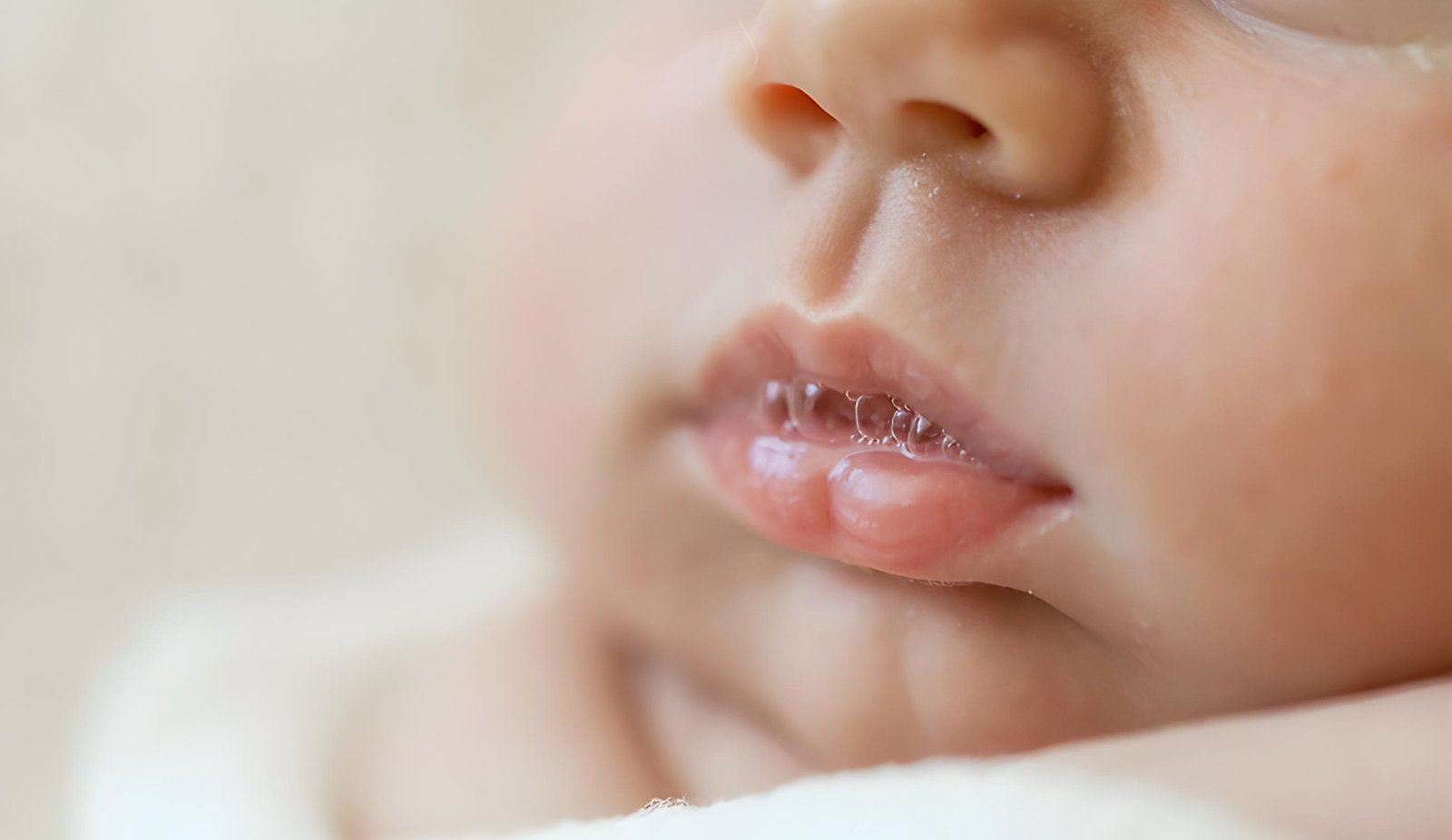
Newborn spit bubbles while sleeping—should parents worry or relax? Have you ever noticed your baby blowing tiny bubbles during nap time and wondered what’s going on? Is it a sign of something serious or just another cute quirk of babyhood?
In most cases, it’s normal in babies to spit bubbles while sleeping. This behavior often happens due to their developing oral muscles and an immature swallowing reflex. Pediatric experts like Dr. Harvey Karp assure parents that it’s rarely a cause for concern unless accompanied by other symptoms like choking or labored breathing.
But spit bubbles can also indicate teething or mild reflux. Want to know when it’s harmless and when to call your pediatrician? Let’s explore what those sleepy bubbles mean and what experts say about keeping your baby safe and comfy.
Why Do Newborn Spit Bubbles While Sleeping?
Newborns often spit bubbles while sleeping due to the natural process of saliva production. As infants develop, their salivary glands begin to function, which can result in excessive saliva. This is particularly common in babies under the age of 6 months.
When your baby sleeps, they may not be swallowing as often, causing the saliva to accumulate and form bubbles. These spit bubbles are a normal part of their development and are usually nothing to worry about.
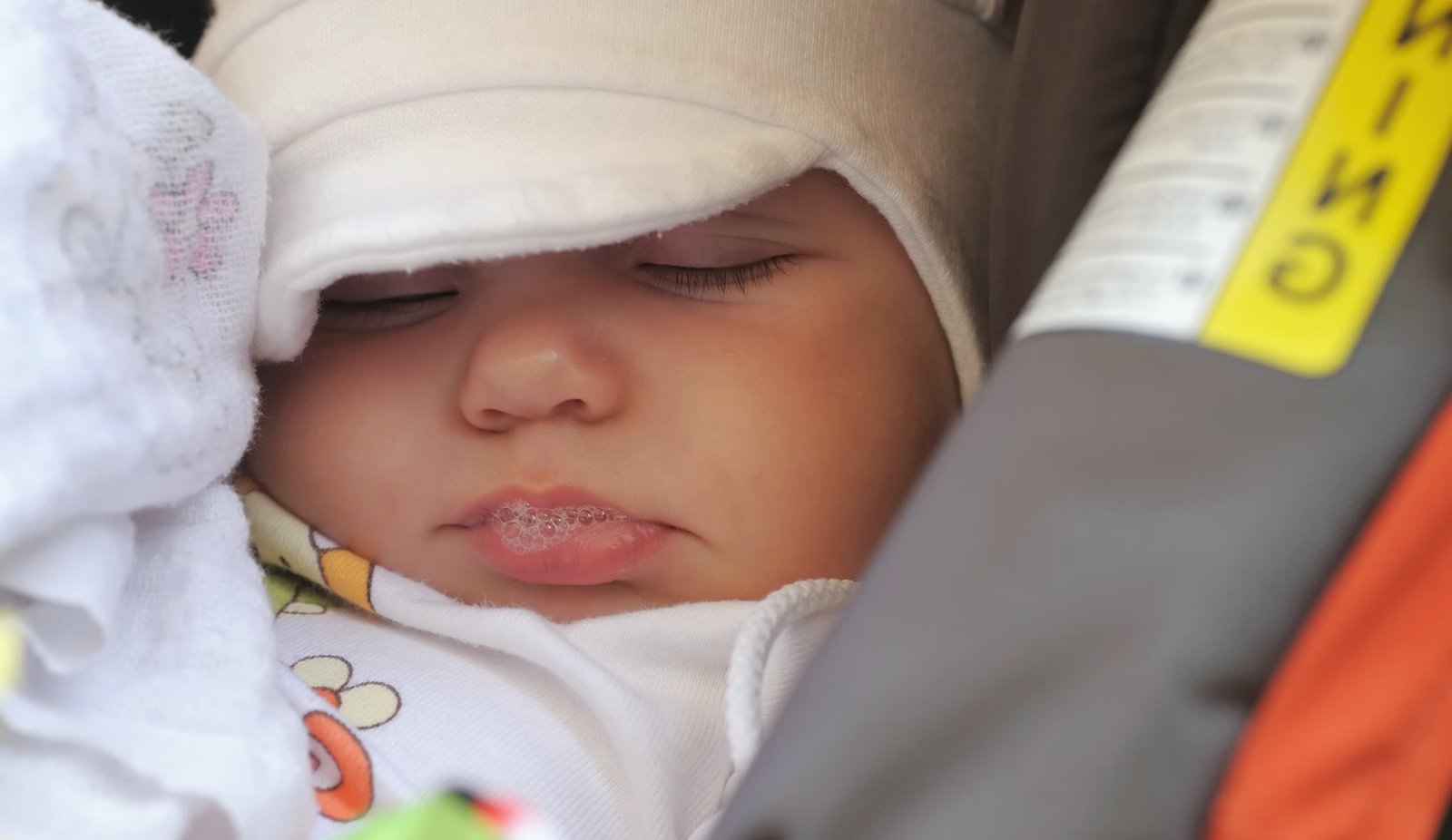
However, if you notice that your baby is frequently spitting up or seems uncomfortable, it could be related to reflux or feeding issues, and it may be wise to consult your pediatrician.
The presence of spit bubbles can also indicate that your baby’s oral motor skills are developing. As they experiment with their mouth, they may inadvertently blow bubbles with their saliva. This behavior is part of the typical learning process as they explore their body and its functions.
It’s essential to observe your baby during sleep and ensure they are comfortable. If spit bubbles appear alongside other symptoms like coughing or distress, it might be time to investigate further.
Main Reasons Your Newborn Saliva Bubbles While Sleeping (& How to Help Your Baby)
Newborns often produce saliva bubbles while sleeping, which is usually harmless but can sometimes signal minor issues like mucus buildup or oesophageal reflux. Here are the key reasons and tips to help your baby:
1. Immature Swallowing Reflex (Most Common Reason Your Baby Bubbles)
- Newborns are still learning to swallow efficiently, causing excess saliva to pool and form bubbles.
- Help your baby by keeping them upright after feeds to encourage better digestion.
2. Excess Drool & Bubble Blowing (Normal Development)
- Babies explore mouth movements, leading to playful bubble blowing with saliva.
- Gently wipe away drool to prevent skin irritation.
3. Trapped Mucus or Post-Nasal Drip
- If your baby has mucus from a mild cold or allergies, it can mix with saliva, creating bubbles.
- Use a saline spray or nasal aspirator to clear their nose before sleep.
4. Gas & Reflux (Oesophageal Irritation)
- Oesophageal reflux (GER) can cause saliva to bubble up when stomach acid irritates the throat.
- Burp your baby well after feeds and hold them upright for 20-30 minutes to reduce reflux.
5. Teething (Early Saliva Increase)
- Even before teeth appear, some babies drool excessively, leading to bubbles.
- Offer a clean teether or chilled washcloth to soothe gums.
When to Seek Help
- If bubbles are thick, green/yellow, or accompanied by coughing, choking, or fever (could indicate infection).
- If burp efforts don’t relieve discomfort or if reflux seems severe.
When Do Babies Start Blowing Bubbles?
Most babies start blowing bubbles around the age of 2 months, coinciding with their developmental milestones. At this stage, infants begin to experiment with their mouths, often making various facial movements that include blowing bubbles. This playful behavior is not only cute but also serves a purpose in their development.
As your baby engages in bubble-blowing, they are strengthening their oral muscles and improving their motor skills. By around 6 months of age, many young babies exhibit more refined bubble-blowing abilities, often combining this with other vocalizations.
It’s crucial for parents to encourage this bubble-blowing behavior, as it aids in their baby’s cognitive and physical development. When your baby makes bubbles, they are not only playing but also learning how to control their mouth and tongue.
This is an important precursor to later skills, such as speaking and eating solid foods. Watching your baby develop these skills can be a delightful experience. However, if your baby seems to be struggling with this or exhibits signs of discomfort, consulting a pediatrician can provide peace of mind.
What are the Symptoms of Spitting Up in Newborns?
Spitting up is a common occurrence in babies, and it often manifests in various symptoms. The most noticeable symptom is when your baby spits or vomits a small amount of milk or formula after feeding.
This can happen during or shortly after feeding, and it is usually a result of the baby’s immature digestive system. Alongside spitting up, your baby may display signs of discomfort, such as arching their back, crying, or appearing fussy. These behaviors can indicate that the baby is experiencing reflux or has swallowed excess air during feeding.
In addition to spitting up, excessive drooling can also accompany this behavior. If you notice your baby producing a significant amount of saliva bubbles, it could be a sign that they are teething or that their salivary glands are becoming more active.
While some spitting is normal in infants, if your baby shows other concerning symptoms, such as a cough or difficulty breathing, it’s crucial to seek medical advice. Understanding the signs of spitting up can help you monitor your baby’s health and ensure they are comfortable as they grow.
Can Newborns Have Excessive Saliva Bubbles?
Yes, newborns can have excessive saliva bubbles, and this is quite common among young infants. Excessive saliva production can occur for various reasons, including the natural development of salivary glands and the process of teething.
Many babies experience increased saliva production as they approach the teething stage, which usually begins around 6 months of age. This can lead to a bubbly mouth, especially when they are sleeping or relaxed.
While it is normal in babies to drool and create bubbles, excessive saliva combined with other symptoms, like coughing or discomfort, may warrant a discussion with your pediatrician.
In some cases, excessive saliva bubbles can also be a sign of reflux, particularly silent reflux, where the baby may not vomit but still experiences discomfort due to stomach acid flowing back into the oesophagus. If your baby seems to be choking or gagging on the bubbles, it is essential to monitor the situation closely.
Although it’s often a typical part of development, keeping an eye out for unusual patterns in your baby’s saliva production can help ensure their overall well-being. If concerns arise, don’t hesitate to reach out to a healthcare professional for guidance.
How Does Blowing Raspberries Benefit A Baby?
Blowing raspberries is not just a fun activity for babies; it offers several developmental benefits. This playful behavior helps strengthen the muscles in their mouth and face, which are essential for future skills such as eating and speaking.
As babies blow raspberries, they learn to control their tongue and lips, developing their motor skills in a joyful way. This activity also encourages communication; as babies experiment with sounds, they become more engaged with their caregivers and the world around them.
Furthermore, blowing raspberries can help improve your baby’s breath control. This skill is crucial not only for speech but also for activities like eating and swimming later in life.
Engaging with your baby during this activity can foster a stronger bond between you and your child, as laughter and play are vital for emotional development.
The exploration involved in blowing raspberries also stimulates curiosity, encouraging your baby to discover new sounds and techniques. Overall, this simple act is a significant milestone in your baby’s growth and development.
What To Do When Your Baby Begins Blowing Raspberries?
When your baby begins blowing raspberries, it’s essential to encourage and engage with this behavior. You can do this by mirroring their actions and making playful sounds in response.
This interaction not only reinforces their attempts at communication but also strengthens your bond with your baby. Additionally, providing plenty of opportunities for oral exploration, such as offering safe teething toys, can enhance their enjoyment and skill in this activity.
It’s also important to maintain a clean environment, as saliva production during raspberry blowing can lead to drooling and messiness. Keep a cloth handy to wipe away excess saliva and prevent your baby from becoming uncomfortable.
If you notice that your baby is struggling with blowing raspberries or appears to be in distress, it may be time to consult a pediatrician for further advice. Overall, celebrating these moments of play and exploration will help support your baby’s growth and development during this exciting stage.
When Should My Baby See a Doctor?
Knowing when to seek medical advice for your baby can be challenging for new parents. Generally, if your baby exhibits excessive spit bubbles along with other concerning symptoms, it may be time to consult a pediatrician.
Signs that warrant a visit include persistent coughing, unusual fussiness, difficulty swallowing, or signs of discomfort during feedings. If your baby frequently spits up large amounts or seems to be in pain, it’s essential to seek professional guidance.
Additionally, if the spit bubbles are accompanied by symptoms of dehydration, such as a dry mouth or reduced wet diapers, you should contact your doctor promptly.
While spit bubbles are often a normal part of a newborn’s development, any significant changes in behavior or health should not be ignored. Your pediatrician can provide reassurance and rule out any underlying health issues, ensuring your baby’s well-being as they grow and develop.
Conclusion about excessive drooling Bubbles
In conclusion, spit bubbles in newborns are a common and often adorable phenomenon that many babies experience. Understanding the reasons behind this behavior can help parents navigate the early days of parenthood with confidence. From the development of motor skills to the playful act of blowing raspberries, these behaviors are integral to your baby’s growth. While newborn spit bubbles while sleeping is usually normal, it’s important to be aware of any accompanying symptoms that may require medical attention. By staying informed and observant, you can ensure your baby’s health and support their development during these crucial early months.
Recommended posts
- Is It Safe for Newborn Sleeping on Pillow? (Expert Advice)
- Can You Overfeed a Newborn: Important Facts & Parents Advice
- Reasons Baby Grunting in Sleep: (Common Causes & What to Do)
- Excessive Drooling in Babies: What’s Normal and When to Worry!
- Why My Newborn Will Only Sleep on Me: (Causes & Solutions)
- How Long Does Newborn Stage Last? (Baby Milestones by Month)
- Formula Milk for Reflux: Safe Feeding Solutions for Babies