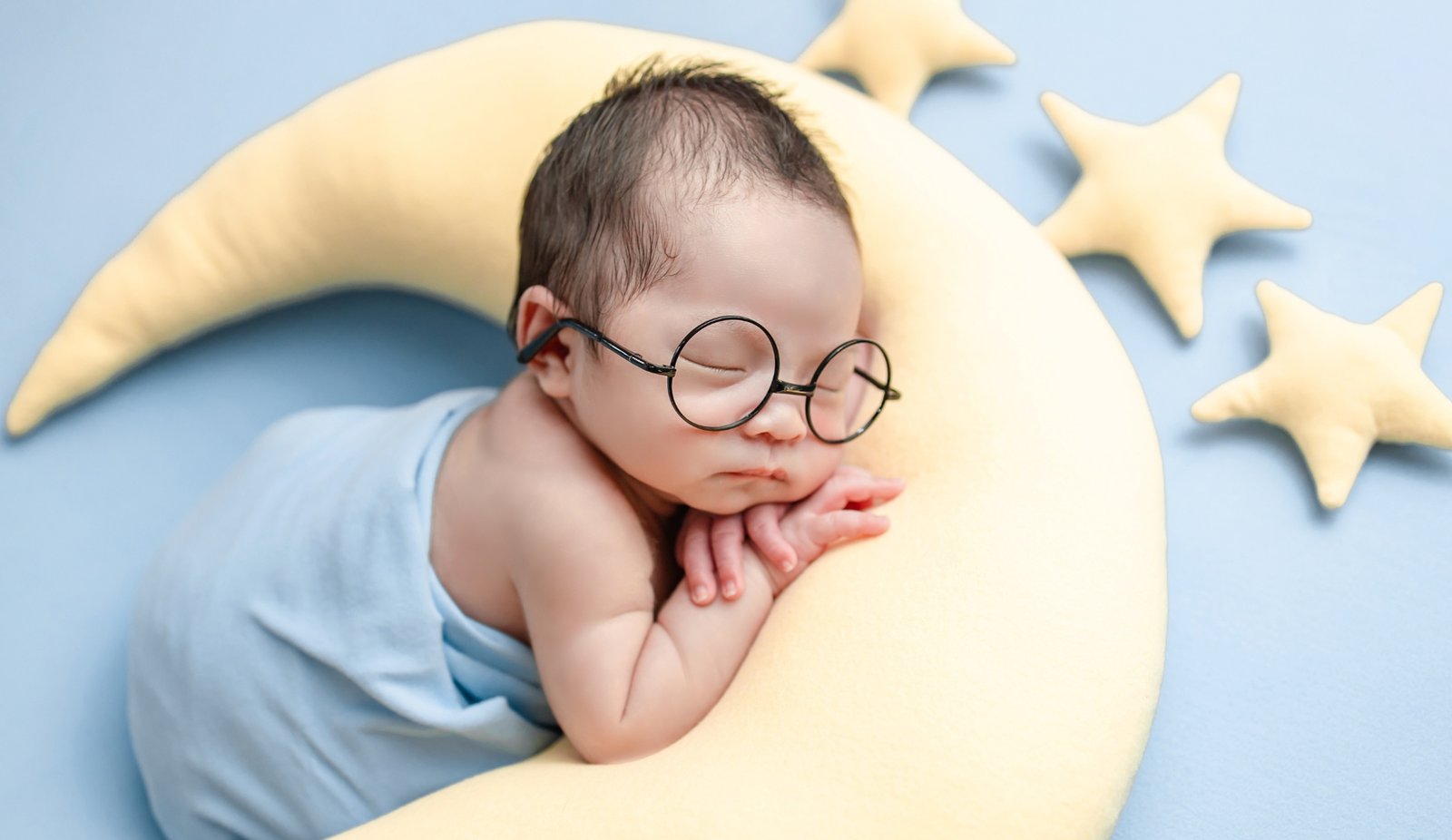
Is it safe to see a newborn sleeping on pillow, or could it cause more harm than comfort? Parents often wonder if a soft cushion will help their baby sleep better or pose a serious risk. What’s the truth behind this common parenting practice?
The American Academy of Pediatrics clearly advises against using pillows for babies under one year of age. Studies show that pillows can increase the risk of suffocation, flat head syndrome, and even SIDS. In this article, we’ll break down why newborns shouldn’t sleep on pillows, explore the science behind it, and guide you toward safer sleep alternatives.
But many parents still feel unsure, especially with so many products marketed as “newborn-safe.” Pediatric experts like Dr. Harvey Karp stress the importance of firm, flat sleep surfaces. Want to know what’s truly safe and what to avoid? Let’s dive deeper into the facts every parent should know.
Can Newborn Sleeping on Pillow?
Newborns should not sleep on pillows as it poses significant risks. The American Academy of Pediatrics (AAP) advises against the use of pillows for infants under the age of one. Pillows can increase the risk of suffocation, as a newborn’s head can easily sink into the soft material, obstructing their airways.
Additionally, using a pillow might encourage unsafe sleep positions that could lead to an increased risk of sudden infant death syndrome (SIDS). New parents should ensure that their baby’s sleep environment is free from unnecessary items, promoting a safe sleep position where the baby sleeps on their back.
Moreover, the infant’s sleep environment should be limited to a firm mattress without any added bedding or pillows. This is to ensure that the baby has a safe and flat surface, which is crucial for reducing risks associated with SIDS.
Creating a safe sleep environment involves adhering to the guidelines set forth by pediatricians, and steering clear of using pillows for infants is a fundamental aspect of this. In summary, the consensus is clear: babies should not sleep with a pillow, and parents should prioritize their baby’s safety above all.
Is It Safe to Let Your Baby Sleep with a Pillow?
Allowing your baby to sleep with a pillow is not safe and can lead to serious health risks. Pillows are designed to elevate the head, which is not suitable for infants who need to sleep on a flat, firm surface.
The presence of a pillow in a baby’s sleeping space can create a risk of suffocation, as the baby may inadvertently roll onto it, leading to dangerous situations. Pediatricians strongly recommend that infants sleep without any soft bedding, including pillows, to minimize the risk of SIDS and other sleep-related incidents.
Furthermore, the soft texture of a pillow can also contribute to the development of flat head syndrome, where a baby’s head flattens due to prolonged pressure on one area. This condition can be uncomfortable and may require intervention.
New parents must remember that the safest sleep position for babies is on their back, on a firm mattress in their crib or bassinet. By adhering to these guidelines, parents can significantly reduce the risk of sudden infant death and ensure a healthier sleep environment for their little ones.
Infant Pillows and Sudden Infant Death Syndrome
The relationship between infant pillows and sudden infant death syndrome (SIDS) is a critical concern for new parents. Research indicates that the use of pillows can increase the risk of SIDS due to the potential for airway obstruction during sleep.
When babies sleep on soft surfaces or with pillows, they may inadvertently roll into a position that restricts their breathing, put your baby at risk. The AAP has consistently highlighted the importance of a safe sleep environment, which excludes any soft bedding or pillows.
Moreover, the risk of sudden infant death is heightened when infants are placed to sleep on unsafe surfaces. Pillows can create a false sense of security for parents, leading them to believe their baby will be comfortable, while in reality, it poses a danger.
To mitigate these risks, it is essential for parents to follow safe sleep guidelines, ensuring that babies sleep flat on their backs without any soft products in their crib mattress. Awareness and education about the risks associated with pillows can help parents protect their infants from potential harm.
What to Do if You’re Worried About Flat Head Syndrome?
If you’re concerned about flat head syndrome, there are several strategies you can employ to promote a healthy shape for your baby’s head. First, ensure that your baby spends supervised time on their tummy while awake, as this encourages movement and reduces pressure on the back of the head.
Additionally, changing the baby’s head position while they sleep can help alleviate pressure on one side. Placing toys or engaging with your baby from different angles can encourage them to turn their head in various directions.
It’s also essential to provide a firm sleep surface for your baby. Ensure that the mattress in your baby’s crib or bassinet is supportive and flat. Avoid using pillows or any soft bedding that can contribute to flattening.
If concerns persist, consult a pediatrician for further guidance and potential interventions, such as physical therapy, to help with head shape correction. By being proactive and creating a varied sleep environment, parents can effectively address concerns related to flat head syndrome while ensuring their baby sleeps safely.
Safe Baby Sleeping Positions (Safe Sleep)
Ensuring a safe sleeping position for your baby is one of the most important things you can do to reduce the risk of Sudden Infant Death Syndrome (SIDS) and other sleep-related hazards.
Here are the guidelines keep your baby safe while sleeping,based on recommendations from pediatricians and health organizations like the American Academy of Pediatrics (AAP):
✅ Safe Sleeping Positions and Practices
1. Always place baby on their back to sleep
- Until their first birthday (even for naps).
- Side and stomach sleeping increase the risk of SIDS.
2. Use a firm, flat sleep surface
- A crib, bassinet, or portable play yard with a tight-fitting sheet.
- Avoid soft surfaces like couches, pillows, or adult beds.
3. Keep the sleep area free of soft bedding and toys
- No blankets, pillows, stuffed animals, or crib bumpers.
- Consider using a sleep sack or wearable blanket instead of loose covers.
4. Share a room, not a bed
- It’s safest for the baby to sleep in the same room but in a separate crib or bassinet for at least the first 6 months (ideally up to 1 year).
5. Avoid overheating
- Dress your baby appropriately for the room temperature.
- Look for signs of overheating: sweating, flushed skin, or rapid breathing.
6. Pacifier at nap and bedtime (optional)
- Offering a pacifier can reduce SIDS risk.
- If breastfeeding, wait until breastfeeding is well established (about 3-4 weeks) before introducing.
🚫 Unsafe Sleeping Practices to Avoid
- No stomach or side sleeping unless advised by a doctor for medical reasons.
- No co-sleeping or bed-sharing (especially with adults who smoke, are very tired, or have consumed alcohol or medications).
- No sleep in car seats, swings, or carriers for long durations or unattended.
- No inclined sleepers or positioners that claim to prevent SIDS.
Unsafe Sleep Surfaces for Babies
Unsafe sleep surfaces can endanger a baby’s safety during sleep. Soft bedding, including pillows, blankets, and even soft mattresses, can increase the risk of suffocation and SIDS.
Infants should always be placed to sleep on a firm, flat surface that is free of any soft materials. Cribs, cradles, and bassinets should meet safety standards to ensure that the sleeping environment is secure. New parents must be vigilant about the products they choose for their baby’s sleep area, avoiding anything that may pose a risk.
Additionally, couches, armchairs, and soft surfaces are also unsafe for infants to sleep on. Babies should never be allowed to sleep unattended on these surfaces, as the risk of rolling off or becoming trapped is significantly higher.
Instead, parents should create a designated sleep space that adheres to safe sleep guidelines. By understanding which surfaces are safe and unsafe, parents can help protect their babies from potential harm and ensure a restful and secure sleep experience.
Baby Safety Considerations for Cribs, Cradles and Bassinets
When it comes to baby safety, choosing the right crib, cradle, or bassinet is paramount. Each of these products should meet the latest safety standards set by regulatory agencies.
Ensure that the crib has a firm mattress that fits snugly to prevent any gaps where the baby could become trapped. Always remove any soft bedding, including pillows, to create a safe sleep environment. Regularly inspect the crib for loose or broken parts that could pose a danger to your baby.
Furthermore, it is essential to position the crib away from windows, cords, and other hazards to prevent accidents. Parents should also be aware of the height of the crib’s sides to ensure that the baby cannot climb out as they grow.
Maintaining a safe sleep environment involves consistent checks and awareness of potential dangers. By prioritizing safety in cribs, cradles, and bassinets, parents can create a secure and comfortable space for their infants to sleep soundly.
Commonly Asked Questions about Pillows for infants (FAQs)
Are Sleeper Positioners Safe for Babies?
No, sleep positioners are unsafe for babies due to suffocation risks. The AAP recommends placing infants on a firm, flat surface with no soft bedding or restraints.
Why isn’t it safe for my baby to sleep with a pillow?
Pillows increase suffocation and SIDS risk for babies. Infants lack the strength to move their heads if their breathing is blocked. Always use a firm, flat sleep surface without soft bedding.
Can newborn sleep on pillow?
No, newborns should never sleep on a pillow—it increases suffocation and SIDS risk. Always place babies on a firm, flat surface with no soft bedding, per AAP guidelines.
Can a newborn sleep on a boppy pillow?
Is it safe for newborn sleeping on boppy pillow? No, a newborn should not sleep on a Boppy pillow. It’s not safe due to the risk of suffocation. Always place infants on a firm, flat surface for sleep.
When can infants use pillows?
when can babies start using pillows? Infants should not use pillows until they are at least 2 years old. Introducing pillows too early can increase the risk of suffocation and hinder safe sleep practices.
When can babies use pillows?
When to use pillow for newborn? baby should sleep on a flat and firm surface free of pillows or soft objects like stuffed animals until at least 12 months of age.
When babies start using pillows?
Typically, babies don’t start using a firm pillow until they are around 12 months old. Until then, using nursing pillows can be helpful during feedings, but it’s essential to let them sleep without pillows for their safety. Baby products like sleep sacks are recommended to help prevent any hazards.
Conclusion
In conclusion, ensuring a safe sleep environment for your newborn is crucial for their health and well-being. The consensus among pediatric experts, including the American Academy of Pediatrics, is clear: infants should not sleep on pillows or any soft bedding. These items can significantly increase the risk of suffocation and SIDS, posing serious dangers to your baby. Instead, prioritize a firm sleep surface and place your baby on their back to sleep to promote safer sleep habits.
New parents must remain vigilant about their baby’s sleep environment and adhere to safe sleep guidelines. By avoiding unsafe sleep products and being proactive in creating a secure space for their infants, parents can significantly reduce the risks associated with baby sleep. Ultimately, understanding these guidelines is essential for fostering a safe and healthy sleeping routine for your little one, allowing them to thrive in a secure environment.
You might also like
- Reasons Baby Grunting in Sleep: (Common Causes & What to Do)
- Can a Newborn Sleep in a Pack and Play (Is It Safe or Not?)
- Newborn Sleeping Cues Vs Hunger Cues: A Helpful Parent’s Guide
- Reasons Newborn Spit Bubbles While Sleeping (What to Do!)
- Newborn Salivating a Lot: What’s Normal and When to Worry!
- Why My Newborn Will Only Sleep on Me: (Causes & Solutions)
- Is Newborn Leg Tremor Normal? Causes and When to Seek Help!
- How to Get an Overtired Baby to Sleep (Tested & Proven)
- Is It OK If Newborn Rolls to their Side While Sleeping? Safety Tip
- Can Infants Sleep with a Pacifier: (Safety Tips for Parents)
- Are Sleep Sacks Safe for Infants? (When to Use & Stop)
- When Can a Baby Have a Pillow: (Safe Sleep Guidelines)
- Toddler Sweating in Sleep? What’s Normal and When to Worry!
- Can Newborns Choke on Spit Up While Sleeping: (Safety Tips)