
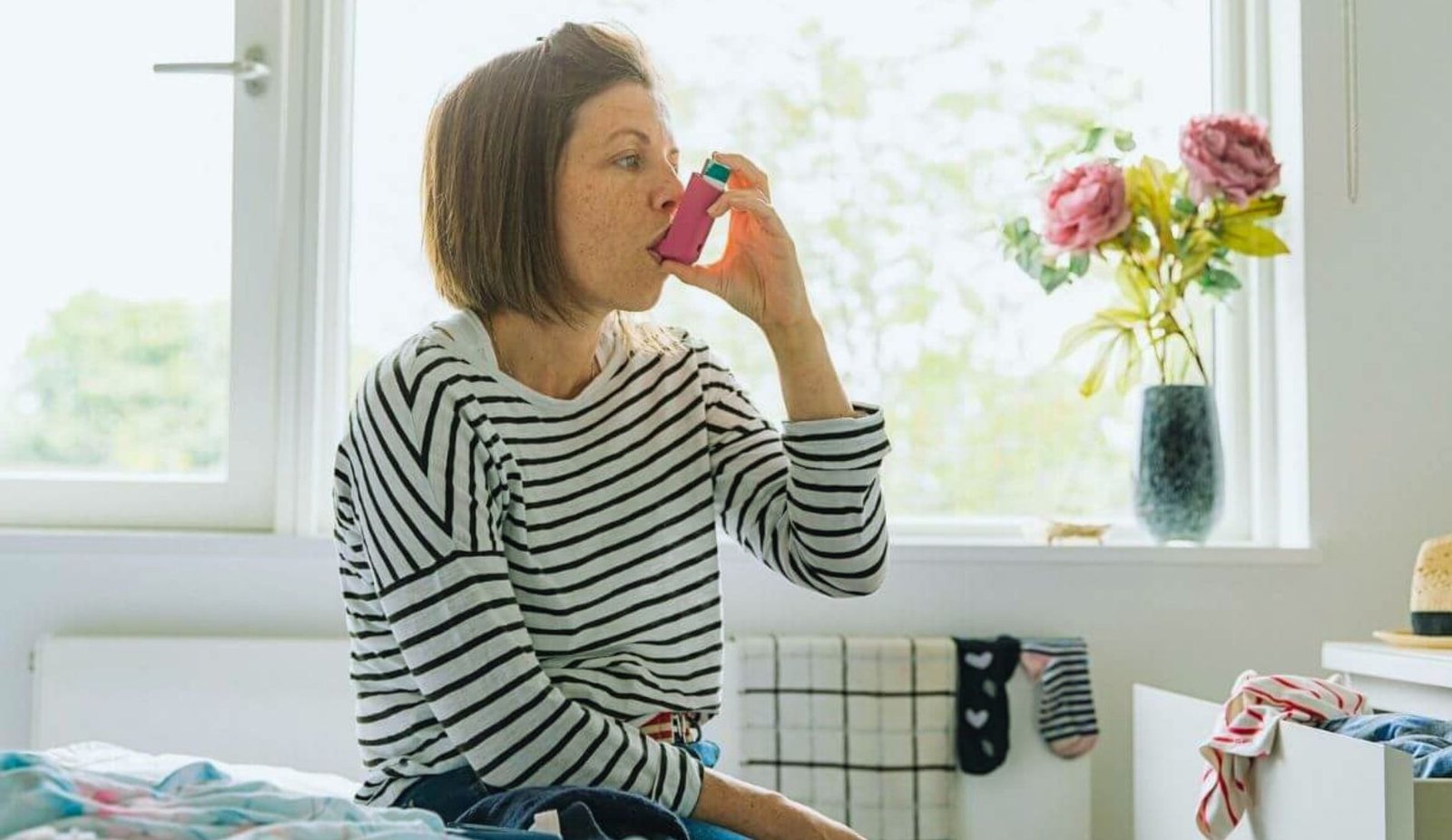
Can childhood asthma come back in adulthood? Many adults who once struggled with wheezing and shortness of breath as kids wonder if those symptoms might return later in life. Could stress, pollution, or lifestyle changes trigger old respiratory issues again? Let’s uncover what medical experts have to say about this common concern.
Yes, childhood asthma might return in adulthood. Research shows that up to 30% of people who had asthma as children may experience its recurrence later in life. This article explores the causes behind its return, the warning signs to watch for, and effective ways to manage adult-onset or returning asthma symptoms.
Dr. Sally Wenzel, a leading pulmonologist from the University of Pittsburgh, notes that “asthma never truly disappears—it can go dormant and reappear under the right triggers.”
So, if you’ve ever wondered whether your childhood asthma might come back, stay with us. We’ll dive into expert insights, real-life cases, and proven management strategies that can help you breathe easier again.
Can Childhood Asthma Come Back in Adulthood?
Childhood asthma can comeback during adulthood, a phenomenon known as adult relapse of childhood asthma. While some children experience complete remission, studies show that up to 30–50% of those diagnosed with asthma in childhood may experience symptoms again later in life.
Asthma doesn’t necessarily “disappear”; instead, it can become dormant. The airways remain sensitive and prone to inflammation, meaning the condition can resurface when exposed to certain triggers or life changes. Factors such as hormonal fluctuations, environmental pollutants, respiratory infections, or even workplace irritants can reactivate the disease.
Adults who had severe childhood asthma, frequent attacks, or a family history of allergies are particularly at risk for relapse. In some cases, what feels like new adult-onset asthma may actually be the reactivation of latent childhood asthma. Recognizing this connection is critical for early intervention and long-term management.
What Can Trigger Asthma to Come Back?
If asthma symptoms return in adulthood, specific triggers are often to blame. These can vary from person to person, but the most common include:
1. Respiratory Infections
Common colds, flu, and sinus infections can irritate the airways and trigger inflammation, leading to asthma symptoms. Adults with a history of childhood asthma may notice wheezing or chest tightness during or after respiratory illnesses.
2. Allergens
Pollen, dust mites, pet dander, and mold are notorious asthma triggers. Prolonged exposure or increased sensitivity to these allergens can cause dormant asthma to resurface.
3. Occupational Irritants
Adults exposed to dust, chemicals, fumes, or industrial materials in the workplace — such as in manufacturing, cleaning, or construction — are at a higher risk of asthma recurrence. This is known as occupational asthma.
4. Air Pollution
Poor air quality, smog, and cigarette smoke can inflame the lungs. For those with a history of asthma, these environmental stressors may reignite respiratory issues.
5. Hormonal Changes
Hormones play a role in immune response and airway sensitivity. Some women notice asthma symptoms worsening during pregnancy, menstruation, or menopause, likely due to fluctuating hormone levels.
6. Stress and Emotional Factors
Chronic stress and anxiety can trigger physical responses in the body, including airway constriction. Emotional stress can exacerbate existing asthma symptoms or even cause them to return after a long period of remission.
7. Weight Gain and Obesity
Being overweight can place extra pressure on the lungs and diaphragm, making it harder to breathe. Inflammation associated with obesity can also increase asthma severity and frequency.
Identifying and minimizing these triggers is the first line of defense in preventing a relapse.
Main Causes and Triggers of Asthma in Children
Understanding childhood asthma triggers provides insight into why asthma may persist or return later in life. In children, asthma is often linked to genetic, environmental, and immune system factors.
1. Genetics and Family History
Children with parents who have asthma or allergies are more likely to develop the condition. Genetic predisposition plays a central role in determining airway sensitivity and immune responses.
2. Allergens and Environmental Exposure
Early exposure to allergens like pollen, mold, and pet dander can prime the immune system for hypersensitivity reactions, increasing the risk of asthma. Urban environments with high pollution levels can also contribute to the onset of symptoms.
3. Respiratory Infections in Early Childhood
Viral infections, especially from RSV (respiratory syncytial virus) or rhinovirus, are known to damage airway linings and make the lungs more reactive, leading to childhood asthma that can persist into adulthood.
4. Secondhand Smoke and Airborne Irritants
Children exposed to cigarette smoke, wood-burning stoves, or industrial pollutants are more likely to develop chronic airway inflammation.
5. Premature Birth and Low Birth Weight
Premature babies often have underdeveloped lungs, which increases their vulnerability to asthma and other respiratory issues later in life.
These foundational factors often shape a child’s respiratory health, making it possible for symptoms to resurface decades later.
Who Is Most Likely to Outgrow Asthma?
While many children experience improvement as they grow older, not everyone fully outgrows asthma. Research shows that mild asthma cases are more likely to go into remission, especially if symptoms are well-controlled during childhood.
Individuals most likely to outgrow asthma include:
- Those with mild, infrequent symptoms during childhood.
- Children who developed asthma after age 10 rather than early in life.
- Those without other allergic conditions, such as eczema or hay fever.
- Children with no family history of asthma or allergies.
- Individuals who have strong lung function and no smoking exposure.
On the other hand, children with severe asthma attacks, frequent hospitalizations, or coexisting allergies are more likely to continue experiencing symptoms into adulthood. Even if asthma appears to go away, the airways may remain sensitive for life.
What You Can Do to Prevent Asthma Symptoms?
While asthma cannot be completely cured, proactive management can significantly reduce symptoms and prevent flare-ups. Here are key preventive measures:
1. Follow a Personalized Asthma Action Plan
Work with your doctor to develop a detailed plan outlining daily medication, symptom monitoring, and what steps to take during an asthma attack. Regular check-ups can help ensure the plan remains effective as your condition changes.
2. Maintain Optimal Indoor Air Quality
Use HEPA filters, keep windows closed during high-pollen seasons, and reduce indoor humidity to discourage mold growth. Regularly vacuum carpets and wash bedding to remove dust mites.
3. Stay Physically Active
Exercise strengthens the lungs and improves overall respiratory health. Choose low-intensity activities like swimming, yoga, or cycling, which are generally easier on the lungs.
4. Manage Weight
Maintaining a healthy body weight can help improve breathing efficiency and reduce inflammation that contributes to asthma symptoms.
5. Avoid Smoking and Secondhand Smoke
Cigarette smoke is one of the most powerful asthma triggers. Avoid smoking entirely, and minimize exposure to secondhand or even thirdhand smoke residue.
6. Keep Vaccinations Up to Date
Flu shots and pneumonia vaccines can help prevent respiratory infections that may trigger or worsen asthma.
How to Avoid Your Asthma and Allergy Triggers?
Avoidance is one of the most effective strategies in controlling asthma. While total elimination of triggers may be impossible, minimizing exposure can dramatically improve your quality of life.
1. Allergen Management
- Dust Mites: Wash bedding weekly in hot water, use dust-proof covers, and minimize carpet use.
- Pollen: Stay indoors during peak pollen times and shower after outdoor activities.
- Pet Dander: Keep pets out of bedrooms and bathe them regularly.
- Mold: Fix leaks promptly and use dehumidifiers in damp areas.
2. Environmental Control
Monitor air quality indexes and stay indoors on high pollution or ozone days. If you live in an urban area, consider using an air purifier with HEPA filtration.
3. Control Temperature and Humidity
Asthma symptoms can worsen in cold, dry, or humid conditions. Use humidifiers in dry climates and air conditioning to control humidity in hot weather.
4. Stress Reduction
Incorporate relaxation techniques such as deep breathing, meditation, or light exercise to manage stress, which can otherwise exacerbate symptoms.
5. Medication Adherence
Never skip or alter prescribed medications without consulting a healthcare professional. Long-term control medications, like inhaled corticosteroids, are essential in reducing airway inflammation.
6. Recognize Early Warning Signs
Learn to recognize subtle changes such as mild chest tightness, coughing, or shortness of breath. Early intervention can prevent severe asthma attacks.
By combining medical treatment with environmental control and lifestyle adjustments, you can significantly reduce the likelihood of asthma returning or worsening.
Commonly Asked Questions about Symptoms of Asthma (FAQs)
Can childhood asthma come back later in life?
Yes, childhood asthma can come back later in life. Some children with asthma may experience persistent asthma into adulthood, while others may have symptoms return due to triggers such as allergens or respiratory infections as they age.
What causes adults to develop asthma?
Adults can develop asthma due to various factors, including environmental allergens, occupational exposures, and respiratory infections. Allergic asthma is common in adults, and genetic predisposition may also play a role in developing adult asthma.
Can my childhood asthma come back?
Yes, childhood asthma can return, especially if it was diagnosed as mild or intermittent. Factors like allergies, respiratory infections, or exposure to triggers may lead to a resurgence of symptoms in your child’s asthma later in life.
Does health insurance cover asthma treatment?
Most health insurance plans cover asthma treatment, including inhalers, medications, and doctor visits. Coverage varies, so it’s essential to check your specific policy for details on asthma management and related services.
Can Severe Asthma Attacks Be Life-Threatening?
Yes, severe asthma attacks can be life-threatening. They can lead to respiratory failure if not treated promptly. It’s crucial to manage asthma effectively and recognize warning signs to seek immediate medical attention during a severe attack.
Why is diagnosing adult-onset asthma more complex?
Diagnosing adult-onset asthma is complex due to overlapping symptoms with other conditions, such as chronic obstructive pulmonary disease (COPD) and allergic reactions. A thorough medical history and asthma diagnosis are essential for proper management and treatment.
What are the Risk Factors for Asthma?
Risk factors for asthma include a family history of asthma, exposure to allergens, respiratory infections, and environmental pollutants. Children with asthma may also face increased risk if they have other allergic conditions, such as allergic rhinitis.
What Are the Different Types of Asthma?
There are several types of asthma, including allergic asthma, exercise-induced asthma, and occupational asthma. Pediatric asthma often differs from adult asthma, and understanding these variations is crucial for effective asthma management and treatment.
How Do I Know If My Child Has Asthma?
To diagnose asthma in children, look for symptoms like persistent cough, wheezing, shortness of breath, or chest tightness. Consulting a healthcare provider for a comprehensive evaluation and asthma diagnosis is vital for proper management of your child’s asthma.
Conclusion
So, can childhood asthma come back in adulthood? Absolutely — and it often does. Even if your symptoms vanished during adolescence, the underlying airway sensitivity may persist for life. Various factors such as allergens, infections, hormonal changes, or lifestyle habits can reactivate asthma later on.
However, relapse doesn’t have to mean loss of control. With proper management — including identifying triggers, adhering to treatment, and maintaining a healthy lifestyle — most adults can live symptom-free and active lives. Asthma is a condition that demands awareness, not fear. By understanding your personal risk factors and triggers, you can take proactive steps to protect your lungs and maintain lifelong respiratory health.
Related posts
- Does Anxiety Trigger Asthma Symptoms? (A Surprising Truth)
- Effective Childhood Asthma Treatment to Manage Symptoms
- Hidden Causes of Childhood Asthma to Avoid (Must-Read)
- Childhood Exercise-Induced Asthma: Proven Ways to Help Kids
- Step-by-Step Guide for Diagnosis of Asthma in Children
- Chronic Cough in Toddler at Night (Causes & Proven Relief)

