
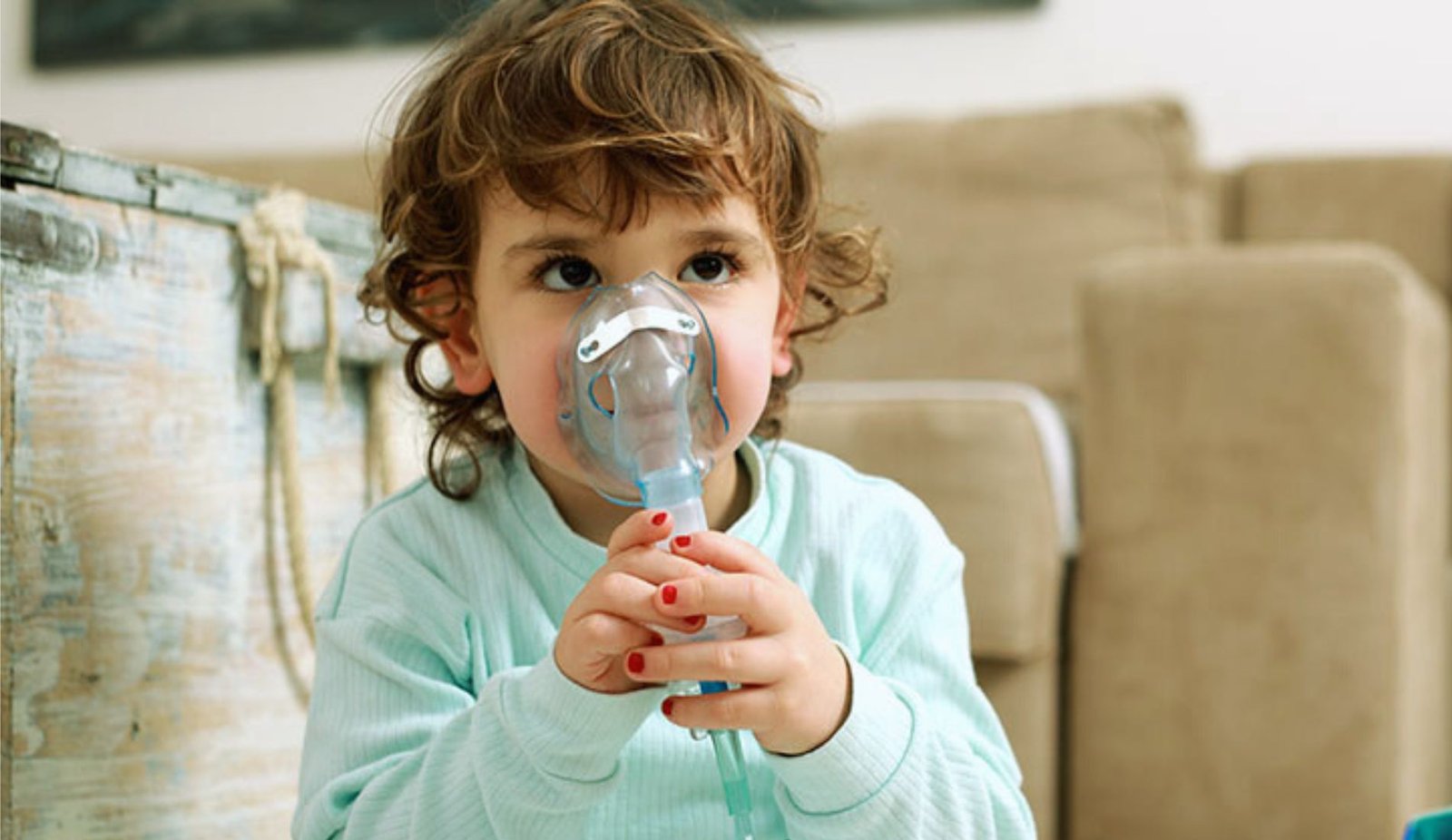
Are you searching for effective ways to manage childhood asthma treatment? Seeing a child struggle to breathe can be stressful, and knowing the right steps can make a huge difference. But what treatments truly help children live normal, active lives?
Childhood asthma treatment usually involves a combination of quick-relief inhalers, daily controller medications, and lifestyle adjustments to avoid triggers. According to Dr. Wanda Phipatanakul, a leading pediatric pulmonary specialist, early and consistent treatment can dramatically reduce bronchitis symptoms and prevent severe attacks. This article will explore proven therapies, practical strategies, and expert tips for managing asthma in children.
However, treatment goes beyond asthma medications alone. Understanding trigger management, exercise considerations, and emergency preparedness can empower parents and kids alike. Let’s dive into the full range of options to help children breathe easier and stay active every day.
Diagnosing Asthma in Young Children
Diagnosing asthma in 5 years of age children can be a complex process. Unlike adults, young children may not articulate their symptoms effectively, making it essential for parents and caregivers to be vigilant.
Common signs of asthma in children include:
- Frequent coughing, especially at night or after physical activity.
- Wheezing or a whistling sound while breathing.
- Shortness of breath or rapid breathing.
- Chest tightness or pain.
Pediatricians typically use a combination of medical history, physical exams, and possibly lung function tests to diagnose asthma. They may also assess family history, as asthma often runs in families. In some cases, doctors may use a peak flow meter to measure how well air moves out of the lungs, which can help confirm a diagnosis.
Remember: Asthma is characterized by chronic airway inflammation and presents with symptoms like wheezing, shortness of breath, chest tightness, and cough.
Importance of Early Diagnosis
Early diagnosis is critical because untreated asthma can lead to severe health complications. Children with undiagnosed asthma may suffer from frequent respiratory infections, poor school performance due to missed days, and reduced participation in physical activities. Recognizing symptoms early allows for timely intervention, potentially preventing long-term health issues.
Child has Asthma, Now What?
Once your child has been diagnosed with asthma, it’s essential to understand the next steps. The first course of action is typically to consult with a pediatrician or asthma specialist to discuss appropriate treatment options. This may include:
- Medications: Asthma medicine can be categorized into two main types: long-term control medications and quick-relief (rescue) medications. Long-term medications, such as inhaled corticosteroids, help reduce inflammation and prevent symptoms, while quick-relief medications can ease acute symptoms during an asthma attack.
- Lifestyle Modifications: Identifying and avoiding triggers is vital. Common triggers include allergenic substances (like pollen and dust mites), respiratory infections, smoke, and extreme weather conditions. Keeping a diary of symptoms and potential triggers can help in managing asthma effectively.
- Regular Check-ups: Regular follow-ups with a healthcare provider are essential to monitor your child’s condition and adjust treatment as necessary. This will ensure that the asthma management plan remains effective as your child grows.
Treating Child’s Asthma at Home
Managing asthma effectively at home requires a proactive approach. Here are some strategies to help you treat your child’s asthma:
Create an Asthma-Friendly Environment
- Reduce Allergens: Use allergy-proof covers on pillows and mattresses, wash bedding weekly in hot water, and keep pets out of your child’s bedroom to minimize exposure to allergens.
- Air Quality: Invest in air purifiers and maintain good ventilation in your home. Avoid using tobacco products and ensure that your child avoids second-hand smoke.
- Monitor Weather Conditions: Keep an eye on weather conditions that may exacerbate asthma, such as high pollen days or cold air. Plan outdoor activities accordingly.
Medication Management
- Proper Use of Inhalers: Teach your child how to use their inhaler correctly. A spacer can help ensure that the medication reaches the lungs effectively.
- Adherence to Medication Schedule: Ensure your child takes their medications as prescribed, even when they feel well, to maintain control over their asthma.
Education and Awareness
- Teach Your Child: Educate your child about asthma, including how to recognize symptoms and the importance of their treatment plan. Empowering them with knowledge can help them manage their condition effectively.
Childhood Asthma Treatment Guidelines
The management of asthma exacerbation is guided by recommendations from various health organizations. Here are some key guidelines:
- Stepwise Approach: Treatment is often approached in steps, where the intensity of medication is adjusted based on symptom control. If symptoms are not well-controlled, the doctor might recommend increasing medication doses or adding additional medications.
- Regular Monitoring: Asthma symptoms should be monitored regularly, and parents should be proactive in discussing any changes with their healthcare provider.
- Written Asthma Action Plan: Developing a personalized asthma action plan is crucial. This plan should outline how to manage daily asthma care, recognize worsening symptoms, and know when to seek medical help.
Asthma Action Plan for Home and School to Help Protect Lung Health
Creating an asthma action plan involves collaboration between parents, healthcare providers, and educators. This plan should include:
Daily Management
- Medication Schedule: Clearly outline the daily medications, including dosages and times to take them.
- Trigger Management: List known triggers and strategies to avoid them at home and school.
Recognizing Symptoms
- Warning Signs: Educate both your child and their teachers about early warning signs of an asthma attack.
- Emergency Protocol: Outline steps to take during an asthma attack, including the use of quick-relief medications and when to seek emergency help.
Communication with School
- Involve School Staff: Provide a copy of the asthma action plan to teachers and school nurses. Ensure they understand how to administer medication and support your child in managing their asthma.
- Plan for Physical Activities: Discuss how your child can safely participate in physical activities, including any necessary accommodations.
Commonly Asked Questions about Treatment for Childhood Asthma (FAQs)
What are common causes of childhood asthma?
Common causes of childhood asthma include allergies, respiratory infections, and exposure to smoke or pollution. Identifying these triggers early can significantly reduce flare-ups and improve management, ensuring a better quality of life for children with asthma.
How can parents of children manage asthma symptoms?
Parents can manage their child’s symptoms by following an asthma action plan, avoiding allergens, and ensuring prescribed medications are used correctly. Monitoring symptoms closely helps in recognizing when to seek further medical advice or adjust treatments.
What treatments are available for severe asthma in children?
Treatments for severe asthma can include high-dose inhaled corticosteroids, oral steroids, and biologic therapies. Clinicians may recommend specific patient assessments to determine the best treatment approach tailored to the child’s unique circumstances and severity of symptoms.
What is the role of a clinician in asthma management?
A clinician plays a crucial role in evaluating and treating childhood asthma. They assess the child’s symptoms, recommend appropriate medications, and guide parents on removing asthma triggers to reduce emergency department visits and improve overall health.
Why are nebulizers used for children with asthma?
Nebulizers are used to deliver medication directly to the lungs, making them beneficial for children experiencing bronchoconstriction or severe asthma flare-ups. They are particularly useful for younger children who may struggle with using metered-dose inhalers effectively.
When should a child visit the emergency department for asthma?
A child should visit the emergency department if they experience severe difficulty breathing, blue lips or face, or if their symptoms do not improve with prescribed medications. Timely action can prevent worsening lung disease and ensure appropriate treatment.
What are the behavioral changes parents should watch for?
Parents should observe for behavioral changes such as increased irritability, fatigue, or avoidance of physical activities, which may indicate worsening asthma symptoms. Recognizing these signs early can prompt timely evaluation and treatment adjustments.
How can removing asthma triggers help children?
Removing asthma triggers such as dust mites, pet dander, and smoke can significantly reduce the frequency of asthma flare-ups. Implementing strategies to minimize exposure leads to better control of the child’s symptoms and enhances overall well-being.
What options are available for managing allergies related to asthma?
Managing allergies related to asthma may involve medications like antihistamines, allergen immunotherapy, and avoidance strategies. Collaborating with an immunologist can provide tailored recommendations to help manage allergic reactions and improve asthma control in children.
Conclusion
Effective childhood asthma treatment hinges on early diagnosis, proper medication management, and a comprehensive asthma action plan that involves both home and school settings. By taking proactive steps to manage your child’s asthma, you can help them lead a healthy and active life. Remember, communication with healthcare providers and educators is key to ensuring your child’s asthma is under control. With the right strategies in place, children with asthma can enjoy their childhood without being hindered by their condition.
Recommended posts
- 3 Common Causes of Childhood Asthma to Avoid (Must-Read)
- Can Childhood Asthma Go Away Over Time? (Expert Insights)
- 7 Effective Natural Remedies for Childhood Asthma (Proven)
- Can Childhood Asthma Come Back Later in Life? Here’s Why It Return
- Step-by-Step Guide to Getting a Childhood Asthma Diagnosis

