
Does teething cause ear infection in babies? It’s one of the most common concerns that make parents anxious when their little ones start drooling and tugging at their ears. Are these signs just discomfort from new teeth, or could they point to something more serious like an ear infection? Let’s uncover what really happens during teething and how it connects—or doesn’t—to ear pain in infants.
The truth is, teething itself doesn’t directly cause ear infections. Yet, the process can make babies more irritable and prone to symptoms that mimic ear trouble, such as fussiness or ear pulling. In this article, we’ll explore the real link between teething and ear infections, how to tell the difference, and when to seek a pediatrician’s advice.
According to experts like Dr. William Sears, a renowned pediatrician, understanding these subtle signs can help parents avoid unnecessary panic and protect their baby’s health. So, if you’ve ever wondered whether those tiny teeth are behind your baby’s earache, keep reading—what you’ll learn might surprise you!
Is It an Ear Infection or Just Teething?
Will teething cause ear pain? Teething typically begins around 6 months of age, which coincidentally is also when babies start becoming more prone to infections, including ear infections. This overlap often leads to confusion.
When babies are teething, the gums become swollen and tender as the new teeth push through. The discomfort can radiate to nearby areas — especially the ears — since nerves in the jaw and ear are closely connected. This is why many teething babies rub or pull at their ears.
However, while teething can mimic the signs of ear pain, true ear infections are caused by bacteria or viruses that lead to inflammation and fluid buildup in the middle ear. The key difference lies in the severity of symptoms, duration, and whether your child develops other signs such as fever, drainage, or poor appetite.
Does Teething Cause Ear Infection in Toddlers?
The short answer is no — teething does not directly cause ear infections. However, it can contribute indirectly in a few ways. During teething, babies often experience mild inflammation and excess saliva production.
This drooling can lead to nasal congestion or a runny nose, which in turn might block the Eustachian tube — the small passage that helps drain fluid from the middle ear.
If that tube becomes blocked due to swelling or mucus buildup, fluid may accumulate behind the eardrum, creating an ideal environment for bacteria or viruses to grow. Therefore, while teething doesn’t cause an ear infection, it can sometimes set the stage for one to develop.
Parents often ask doctors about teething or ear infection symptoms because they seem to appear together. Understanding that they can coexist but are not causally linked is essential for proper treatment.
Understanding Ear Infections in Children (3 Shocking Facts)
Ear infections (known medically as otitis media) are among the most common illnesses in infants and young children. Nearly 80% of children will experience at least one ear infection before age three. These infections usually occur after a cold or respiratory infection when bacteria or viruses travel to the middle ear through the Eustachian tube.
– Pediatrics Fact #1: Teething Does Not Directly Cause Ear Infections
Leading pediatric experts confirm that teething itself does not introduce bacteria or viruses into the ear canal. The pain your baby feels during teething may mimic ear discomfort, but an ear infection requires pathogens to be present. The confusion arises because the timing of teething and frequent upper respiratory infections often overlap.
– Pediatrics Fact #2: Teething Can Cause Fussiness, but Extreme Irritability May Signal Something Else
It’s completely normal for teething babies to be irritable, drool excessively, and wake up during the night. However, if your child’s fussiness becomes extreme, persistent, or is accompanied by a fever higher than 100.4°F (38°C), loss of appetite, or vomiting, it’s time to suspect something more serious like an earache.
Teething discomfort tends to come and go in waves, lasting a few days at a time. In contrast, ear infection pain often worsens steadily and can be more intense when your child lies down, due to pressure changes in the ear.
– Pediatrics Fact #3: Ear Pulling Is Often Normal and Not Always an Ear Infection
Many parents associate ear tugging with an infection, but in most cases, this behavior is normal. Babies explore their bodies and react to sensations caused by teething, hair touching their ear, or even fatigue. Persistent ear pulling combined with crying, fever, or discharge from the ear canal, however, is a red flag that warrants a doctor’s visit.
Teething vs. Ear Infection Key Differences
It’s easy to confuse teething and ear infection symptoms, but understanding the distinctions can prevent unnecessary worry and help you respond appropriately.
| Symptom | Teething | Ear Infection |
|---|---|---|
| Fever | Mild or absent (below 100.4°F) | Often moderate to high (above 101°F) |
| Sleep issues | Trouble sleeping due to gum pain | Frequent waking due to ear pressure and pain |
| Drooling | Very common | Unrelated |
| Appetite | May slightly decrease | Often significantly decreases |
| Ear pulling | Common, due to referred pain | Accompanied by crying, possible ear drainage |
| Nasal congestion | Possible due to excess saliva | Common, especially after a cold |
| Crying during feeding | May occur due to gum pain | More intense — swallowing increases ear pressure |
| Duration | A few days | May persist for a week or more without improvement |
Recognizing these differences helps you decide when to provide teething relief at home and when to contact a pediatrician.
What are Common Symptoms of Ear Infections?
Ear infections can develop quickly, sometimes overnight. The main signs to look for include:
- Persistent ear pain: Children may cry or tug at one ear more than the other.
- Fever: Usually moderate to high, often accompanying other symptoms.
- Hearing changes: Your child may not respond to soft sounds or may seem distracted.
- Fluid drainage: Yellow or cloudy fluid from the ear indicates a ruptured eardrum.
- Loss of balance: The inner ear helps regulate balance, so infection can cause dizziness.
- Increased irritability or fatigue: The pressure buildup makes lying down uncomfortable.
If you notice these signs, consult your pediatrician promptly. Left untreated, recurring eearaches can affect hearing and speech development.
How to Treat Them and When to See a Doctor?
1. For Teething Discomfort:
If you’ve determined the issue is teething rather than infection, comfort measures include:
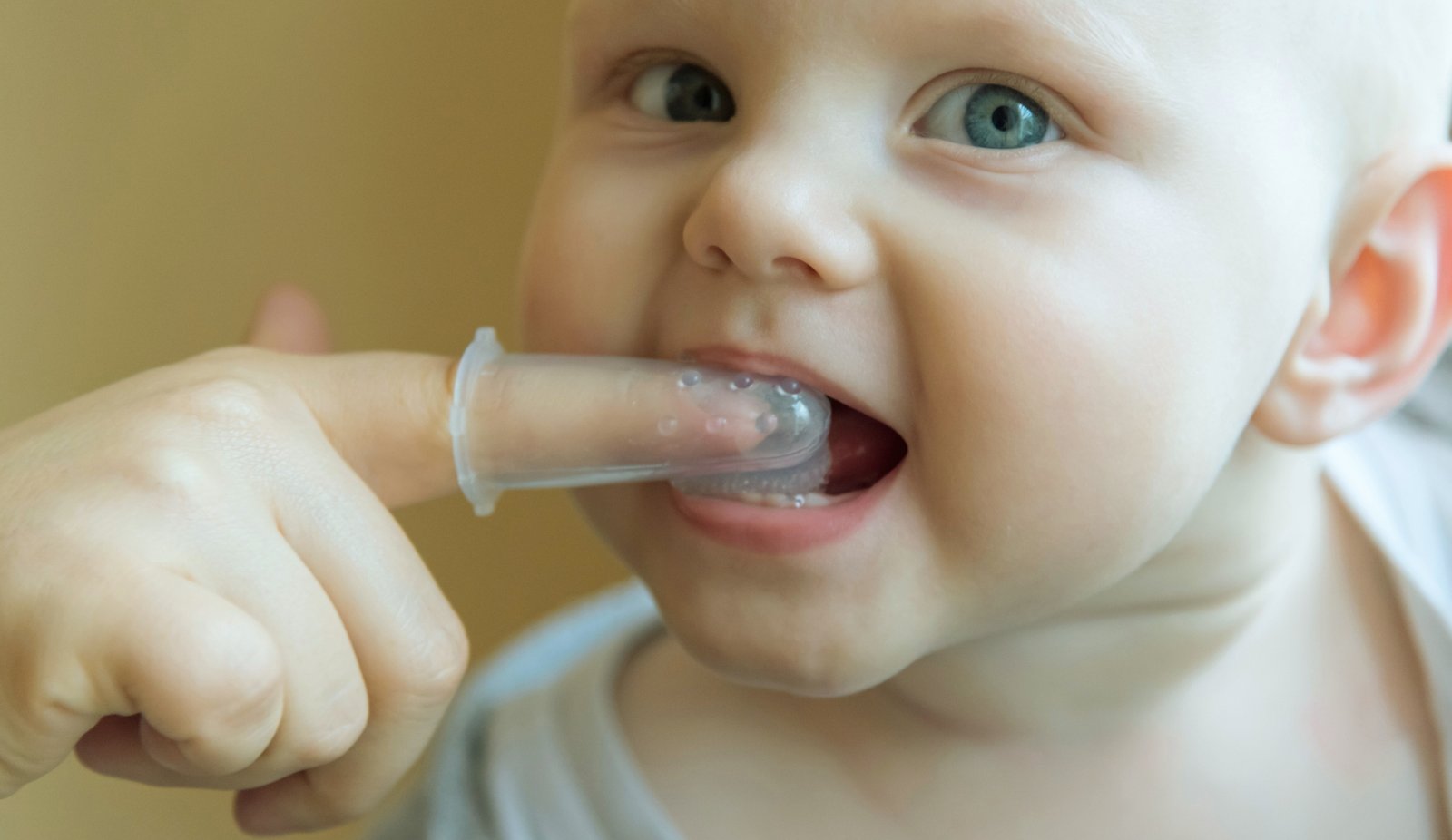
- Gently massaging the gums with a clean finger.
- Offering a chilled (not frozen) teething ring or washcloth.
- Using over-the-counter infant pain relievers like acetaminophen (Tylenol) or ibuprofen (Motrin) under pediatric guidance.
- Keeping the baby’s face and chin dry to prevent rashes from drooling.
Teething symptoms should improve within a few days as the tooth erupts.
2. For Ear Infections:
Treatment depends on the cause and severity. Mild infections sometimes clear on their own, especially if they are viral. However, bacterial infections may require antibiotics prescribed by a doctor.
Your pediatrician might:
- Examine the ear using an otoscope to confirm infection.
- Prescribe antibiotics if there’s bacterial involvement.
- Recommend pain relief medication to ease discomfort.
- Suggest warm compresses over the affected ear.
It’s important not to use over-the-counter ear drops unless directed by a doctor, especially if there is drainage or a suspected eardrum perforation.
When to See a Doctor:
- If your child has a fever above 101°F (38.3°C).
- If ear pain lasts more than 48 hours.
- If there’s fluid or pus coming from the ear.
- If symptoms worsen despite home care.
- If your baby is younger than 6 months with suspected symptoms of an ear infection.
Prompt medical attention can prevent complications such as chronic infections, fluid buildup, or hearing problems.
Common Questions about the Differences Between Teething and Ear Infection (FAQs)
What is Otitis Media?
Otitis media is a middle ear infection, often following a cold. It causes ear pain, fever, and fluid buildup behind the eardrum, frequently affecting children due to their anatomy.
Why does my child’s ear canal looks reddish?
A reddish ear canal can signal an outer ear infection (swimmer’s ear) or irritation. It can also occur in fussy teething babies who pull on their ears due to gum pain.
How to help a teething baby?
Offer a chilled (not frozen) teething ring, gently massage their gums with a clean finger, and use over-the-counter pain relief if a doctor approves. Comfort and cuddle your fussy baby.
Joint Aches and Pains: How to Avoid Them?
Maintain a healthy weight, stay active with low-impact exercises, and practice good posture. Strengthening muscles around joints and eating an anti-inflammatory diet also helps prevent aches.
What are common teething symptoms?
Common signs of teething include drooling, chewing on objects, fussy behavior, mild fever, and disrupted sleep. Some babies may also have tender, swollen gums and refuse to eat.
How long does a middle ear infection last in toddlers?
Middle ear infections often last 2-3 days with antibiotics, but fluid can remain for weeks. Strong immune systems can sometimes fight off mild infections without medication in a few days.
Does teething directly cause ear infections?
Will teething cause ear pain? Teething does not directly cause earache. However, the teething process can lead to increased drooling and nasal congestion, which may contribute to fluid build-up in the middle ear, potentially leading to an ear infection.
What are the common signs of an ear infection?
Common signs of an ear infection include ear pulling, fussiness, fluid drainage from the ear, fever, and irritability. Babies may also rub their ears or show discomfort when lying down, indicating pressure in the middle ear.
How can I tell if my baby has an ear infection?
If your baby has a fever, is super fussy, pulls at their ears, or has fluid drainage from the ear, these could be signs of an ear infection. Contact your pediatrician for a proper assessment and advice.
What teething symptoms might my child experience?
Teething symptoms include swollen gums, drooling, irritability, and sometimes a mild fever. While these symptoms can be concerning, they typically do not indicate an earache, although teething may cause discomfort and fussiness.
When should I schedule an appointment for my child?
Schedule an appointment if your child exhibits signs of an ear infection, such as persistent crying, fever, or ear pulling. If symptoms worsen or do not improve, your pediatrician may prescribe antibiotics or recommend further evaluation.
Can over-the-counter pain relievers help with teething discomfort?
Yes, over-the-counter pain relievers like acetaminophen or ibuprofen can help alleviate teething discomfort. Always follow dosage guidelines and consult your pediatrician if you have concerns about your child’s pain management during the teething process.
Conclusion
So, does teething cause ear infection? No, teething itself does not directly cause an ear infection, but it can mimic or slightly contribute to conditions that make infections more likely. The overlap of symptoms — irritability, sleep disruption, and ear pulling — often leads parents to confusion between teething or ear infection.
Knowing how to distinguish between the two is essential for your child’s comfort and health. If your little one shows mild symptoms that align with teething, home remedies may suffice. But if they develop a high fever, persistent pain, or ear drainage, it’s best to consult a pediatrician.
Understanding the relationship between teething and ear infection helps parents respond appropriately and avoid unnecessary treatments while ensuring timely care when needed. Remember: trust your instincts — if something feels off, don’t hesitate to seek medical advice.
Your baby’s health and comfort are always worth the extra attention.
You might also like
- Infant Pulling on Ear – What It Means and When to Worry?
- Can A Baby Have an Ear Infection Without Fever?
- TOP 3 Causes of Ear Infection in Babies (Hidden Triggers)
- Frequent Ear Infections in Infants: Causes & Effective Cure
- Infant Ear Discharge: Causes, Symptoms & Treatment Options
- Ear Infections and Loss of Balance: The Surprising Connection Explained

