
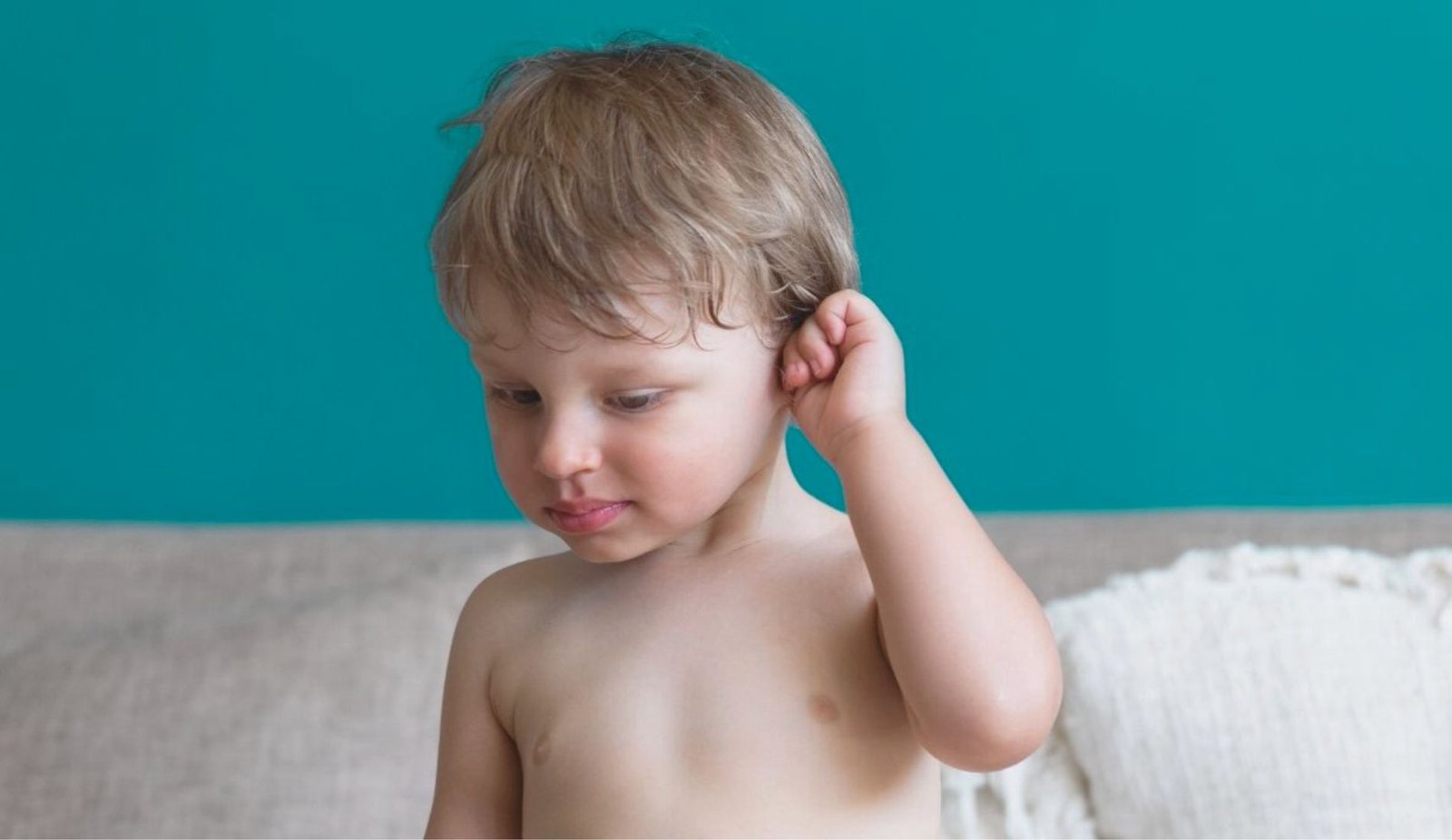
Infant pulling on ear — should you be worried? It’s a scene many parents know well: your baby suddenly starts tugging at their tiny ear, leaving you anxious about what’s wrong. Could it be an ear infection, teething discomfort, or simply a new self-soothing habit? Understanding the reason behind this behavior can ease your worries and help you respond the right way.
In many cases, babies pull on their ears out of curiosity or as a response to teething pain. But sometimes, it can signal an ear infection—especially if accompanied by fever, irritability, or trouble sleeping. According to the American Academy of Pediatrics, observing your baby’s overall symptoms helps determine whether it’s harmless or needs medical attention.
So, how do you tell the difference between a playful tug and a sign of ear pain? Dr. Laura Jana, a well-known pediatrician and parenting author, offers practical tips to spot the difference. Let’s dive into the common causes of ear pulling in infants, what symptoms to watch for, and when to call your pediatrician for expert care.
Infant Pulling on Ear? Here’s What Pediatricians Want You to Know
When you notice your baby suddenly start touching, rubbing, or pulling at their ears, it’s natural to feel concerned. Infant Pulling on Ear is a common behavior that can mean several things—some perfectly harmless and others that may need medical attention.
Babies are curious explorers; they often discover their ears just as they discover their fingers and toes. However, persistent tugging or rubbing might also be your child’s way of signaling discomfort, teething pain, or even an ear infection.
Pediatricians explain that occasional infant tugging at ear or gentle infant rubbing ear isn’t automatically a red flag. Still, understanding the cause behind this behavior helps you know when to relax and when to reach out for medical advice.
Recognizing patterns such as fever, irritability, or fluid discharge can help differentiate normal development from an underlying ear problem.
Causes of Ear Pulling in Babies
Not every instance of infant tugging on ear means an infection. Here are the most common reasons your baby might be exhibiting this behavior:
- Normal Development and Curiosity
As babies grow, they begin exploring their bodies. Ears are soft, interesting, and within easy reach. Many babies engage in infant grabbing ear simply because they’re learning about their own bodies. It’s an innocent and temporary phase. - Self-Soothing Behavior
Some babies use repetitive motions like infant holding ear or rubbing their ears when they’re tired or trying to calm themselves. Just like thumb-sucking or stroking a blanket, ear pulling can serve as a self-soothing habit. - Teething Discomfort
Teething pain can radiate from the jaw up to the ear area. Babies often respond to this by infant tugging at ear to relieve discomfort. You might also notice drooling, gum swelling, or increased fussiness. - Mild Ear Irritation or Itching
A small amount of earwax, dry skin, or even mild eczema can cause itching that leads to infant rubbing ear or tugging. This is typically not painful and resolves on its own once the irritation subsides. - Middle Ear Infection (Otitis Media)
When ear pulling is accompanied by fever, crying, or difficulty sleeping, it may indicate an infection. In these cases, infant tugging on ear becomes a pain response rather than a habit. Fluid buildup behind the eardrum often causes pressure, leading to discomfort. - External Triggers
Occasionally, water trapped in the ear after bathing or swimming can cause temporary irritation, prompting infant grabbing ear until the fluid clears.
Knowing which of these causes fits your child’s situation will guide you toward the right next steps—whether it’s observation or a call to the pediatrician.
Infant Tugging on Ear – When to Worry?
When you notice your child frequently pulling on their ear, it may be a sign that they are experiencing discomfort due to an ear infection. Ear infections are most common in babies and children, particularly at months of age, and can lead to acute otitis media, which causes pain inside the ear.
If your baby has an ear infection, they may exhibit signs such as ear hurts or pressure in your ear. This condition often occurs when a child has a cold, allowing bacteria to travel from the middle ear to the back, leading to infections that can cause pain around the ear and behind the ear.
It’s important to monitor your child, as infections are common in babies, and if symptoms persist, your child may need medical attention. Developing an ear infection can lead to complications, so it’s crucial to give your baby the care they need to alleviate discomfort and prevent further issues.
Symptoms that your Child Might Have an Ear Infection
A baby’s ear infection often starts after a cold or sinus congestion, as the Eustachian tube becomes blocked and fluid collects behind the eardrum. Parents may first notice infant holding ear more frequently or sudden crying when lying down. Here are the signs to watch for:
- Fever or persistent irritability
- Crying during feeding or lying flat
- Fluid or pus draining from the ear
- Restlessness and trouble sleeping
- Decreased appetite or difficulty swallowing
- Reduced response to sounds
If your baby displays these symptoms alongside infant rubbing ear, schedule a pediatric visit promptly. Most ear infections resolve within a week, but some may require antibiotics or further evaluation to prevent complications. Recurrent infections should always be discussed with your doctor, as they can sometimes affect hearing temporarily.
Care Advice for Ear Rubbing or Itchy Ear Canal
Seeing your infant tugging at ear can be distressing, but there are safe, gentle ways to help ease their discomfort at home:
- Inspect the Outer Ear
Look for redness, flakes, or dryness that could explain why your infant rubbing ear persists. Use a soft, damp cloth to gently clean around the outer ear—never inside the canal. - Apply Warm Compresses
A warm (not hot) compress applied over the affected ear for 10–15 minutes can help relieve mild pain or pressure, especially if the behavior is linked to teething or a cold. - Avoid Cotton Swabs
Using cotton swabs can push earwax deeper and irritate delicate tissues. The ear canal naturally cleans itself, so let your pediatrician handle wax buildup if necessary. - Keep the Area Dry
Moisture trapped in the ear can worsen irritation. After bathing, gently pat the ear area dry with a soft towel. - Comfort and Distraction
Sometimes, a infant holding ear episode is simply a sign of fatigue or restlessness. Offering comfort, soothing music, or a favorite toy can divert attention and calm your baby.
If the ear pulling continues for several days or seems painful, consult your doctor. Persistent infant grabbing ear might signal a deeper issue, such as an infection or allergic reaction, that needs medical evaluation.
Expert Tips to Prevent Ear Infections
While ear infections are common in infants, there are effective strategies to reduce their frequency and protect your child’s hearing health:
- Encourage Breastfeeding
Breast milk provides antibodies that strengthen the immune system, lowering the risk of respiratory and ear infections. - Feed in an Upright Position
When bottle-feeding, hold your baby upright. Lying flat during feeding can allow milk to flow into the Eustachian tube, leading to fluid buildup. - Avoid Secondhand Smoke
Exposure to cigarette smoke significantly increases the likelihood of ear infections by irritating the nasal and ear passages. - Manage Allergies and Colds
Treating nasal congestion promptly prevents fluid from collecting in the ear. Saline drops and gentle suctioning can help keep passages clear. - Limit Pacifier Use
Extended pacifier use beyond 6–9 months may slightly increase infection risk. Gradually reducing use can help. - Stay Up-to-Date on Vaccinations
Immunizations, especially the pneumococcal and influenza vaccines, play a crucial role in preventing upper respiratory infections that often trigger ear problems.
Implementing these preventive measures can help reduce the frequency of infant tugging on ear episodes linked to infection or congestion.
Debunking Myths About Hearing Loss
Many parents fear that infant holding ear or frequent ear infections might lead to permanent hearing loss. While it’s true that prolonged infections can cause temporary hearing changes, most cases resolve without long-term damage. Let’s debunk a few common myths:
Myth 1: Every ear infection causes hearing loss.
→ False. Most infections clear up fully, and hearing returns to normal once the fluid drains.
Myth 2: Cleaning the ears with cotton swabs helps prevent infection.
→ False. Cotton swabs can push wax deeper and cause micro-injuries, increasing infection risk.
Myth 3: Ear pulling means a child can’t hear well.
→ False. Infant tugging at ear or infant grabbing ear is rarely linked to hearing problems. It’s usually behavioral or related to mild discomfort.
If your pediatrician suspects recurrent infections, they may refer your child to an ENT specialist for further evaluation. Early intervention ensures optimal hearing and speech development.
Commonly Asked Questions about causes of Infant Tugging at Ear (FAQs)
How Common Are Ear Infections in Babies and Toddlers?
Ear infections are extremely common in young children. Most will experience at least one by age three. Their developing anatomy and immune systems make them highly susceptible to this frequent childhood illness, especially after a cold.
What is otitis media with effusion (OME)?
Otitis media with effusion (OME) is the presence of fluid in the middle ear without active infection. It often follows an acute child’s ear infection and can cause temporary, mild hearing loss until the fluid naturally drains.
What are the symptoms of an ear infection?
Key symptoms include ear pain, fever, and irritability. A classic sign of an ear infection is when infants pull their ears. Fussiness, trouble sleeping, and fluid drainage from the ear are also common indicators.
What causes ear Infections in Babies and Toddlers?
These infections are typically caused by bacteria or viruses. They often start from a cold, leading to Eustachian tube swelling and fluid buildup behind the eardrum. For chronic cases, ear tubes may be surgically placed to prevent recurrence.
Understanding Ear Tugging in Infants: Signs of an Ear Infection
Why is my infant pulling on their ear?
Infants often pull or tug at their ears as a way to communicate discomfort or explore their bodies. This behavior can be common in babies and young children, especially if they are experiencing pressure in the middle ear or if they have an ear infection. Ear tugging may also be a sign that your child is feeling discomfort due to teething or simply trying to self-soothe.
What are the signs that my child has an ear infection?
Signs of an ear infection in infants can include ear tugging, fussiness, difficulty sleeping, and sometimes a fever. You may also notice discharge from the ear or your baby appearing to be in pain when lying down. If you suspect your child has an ear infection, it is essential to seek medical advice to confirm the diagnosis and discuss treatment options, such as ear drops or other medications.
How do I know if my baby has ear pain?
Ear pain in infants can manifest through various behaviors, such as pulling on their ears, crying more than usual, or being unusually irritable. If your child seems to be in discomfort, especially if they have recently had a cold, they may be experiencing pain caused by an ear infection. Observing these signs can help you determine whether to take your child to a healthcare provider.
What causes ear infections in babies and young children?
Ear infections are a common occurrence in babies and young children due to their developing immune systems and the anatomy of their inner ear. Conditions such as colds or allergies can increase the risk of ear infections by causing congestion that leads to fluid build-up in the middle ear. This fluid can create an environment for bacteria to thrive, resulting in an infection.
When should I seek medical attention for my child’s ear tugging?
If your child is consistently tugging at their ears and exhibits other symptoms like fever, irritability, or discharge from the ear, it is advisable to seek medical attention. A healthcare professional can assess whether your child has an ear infection or another issue affecting their ear health. Early intervention can help prevent complications and ensure appropriate treatment.
Can ear infections recur in infants?
Yes, some infants may experience repeated ear infections, which can be frustrating for both the child and the parents. Factors that can contribute to the risk of ear infections include allergies, exposure to secondhand smoke, and frequent colds. If your baby has recurrent ear infections, discuss preventive measures with your pediatrician, which may include keeping your baby in an upright position during feeding or considering further evaluation of their ear health.
Conclusion
Infant Pulling on Ear can stem from curiosity, tiredness, teething, or an actual ear infection. Occasional infant tugging at ear isn’t always cause for concern, but when the behavior pairs with fever, irritability, or fluid discharge, it’s best to seek professional care.
Understanding the reasons behind infant grabbing ear helps parents respond appropriately—whether offering comfort, monitoring for signs of infection, or consulting a doctor.
With good hygiene, preventive steps, and attentive observation, most ear-related issues resolve quickly and safely. Your baby’s behavior is often their way of communicating discomfort or curiosity, and with the right approach, you can ensure they remain healthy, happy, and thriving.
Recommended posts
- Can A Baby Have an Ear Infection Without Fever?
- TOP 3 Causes of Ear Infection in Babies (Hidden Triggers)
- 7 Early Warning Signs Newborn Has Ear Infection (Must-Read)
- Infant Ear Piercing Infection – How Serious Can It Be?
- Can a Cold Cause Ear Pain or an Ear Infection? (Quick Relief)
- Does Teething Cause Ear Infection? (3 Shocking Facts)
- Ear Infections and Bottle Feeding – Is There a Connection?

