
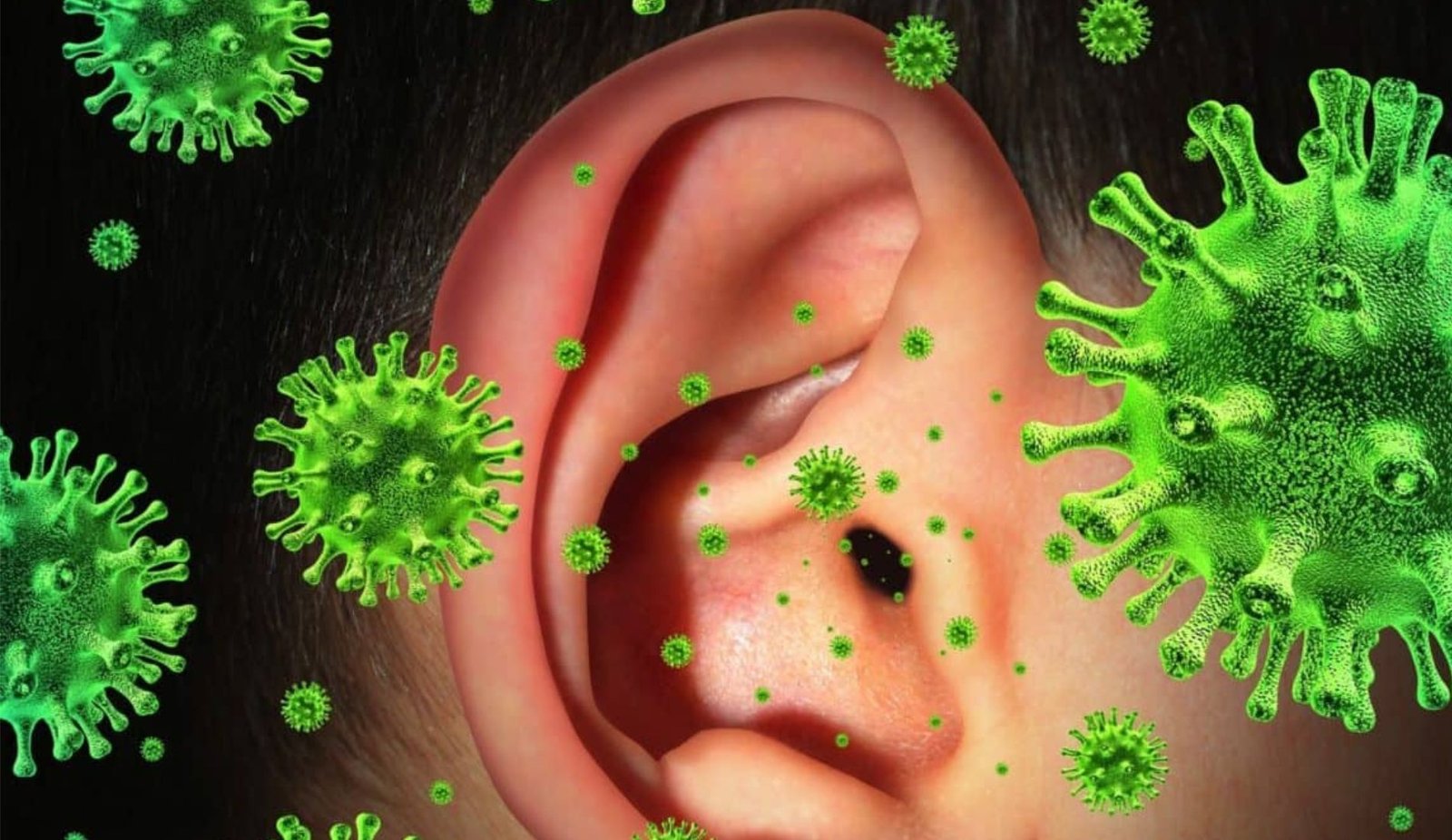
Wondering how long does it take for an ear infection to heal with antibiotics? Many parents and adults alike ask this when the pain, fever, or pressure becomes unbearable. Ear infections can be uncomfortable and worrying, especially when symptoms seem to linger despite medication.
Typically, with the right antibiotics, most ear infections begin to improve within 48 to 72 hours, and full healing usually occurs in 7 to 10 days. In some cases, fluid behind the eardrum may last a few weeks even after the infection clears. Factors such as age, infection severity, and overall health can influence recovery time.
Dr. Richard Rosenfeld, an expert in otolaryngology, notes that completing the entire antibiotic course is key to preventing recurrence. Want to know what speeds up healing and when to revisit your doctor? Let’s explore everything you need to know about ear infection recovery timelines.
How Long Does Ear Infection Recovery Take?
The recovery time for an ear infection depends largely on the type of infection and how promptly it is treated. Generally, most mild bacterial ear infections start to improve within 48 to 72 hours after antibiotics are introduced. However, full healing may take 7 to 14 days, depending on whether it’s an outer ear infection (otitis externa) or a middle ear infection (otitis media).
Typical Recovery Timelines
- Acute Otitis Media (middle ear infection): Pain and fever typically ease within 2 to 3 days after antibiotics begin, but fluid in the middle ear may persist for up to 3 weeks.
- Otitis Externa (outer ear infection or swimmer’s ear): Usually heals within 7 to 10 days, especially when treated with antibiotic ear drops.
- Chronic or recurrent infections: These may take several weeks and sometimes require extended or repeated antibiotic courses.
Factors Affecting Recovery
- Age: Children often recover more slowly due to narrower eustachian tubes that can trap fluid.
- Severity: More severe infections or those left untreated for days can take longer to clear.
- Bacterial strain: Some bacteria are more resistant, requiring stronger or longer treatments.
- Immune response: People with weakened immunity or chronic illnesses may need more time.
- Proper medication adherence: Missing antibiotic doses can delay healing or cause recurrence.
It’s important to complete the full course of antibiotics, even if symptoms improve early. Stopping too soon can allow bacteria to survive, potentially causing relapse or antibiotic resistance.
Do Ear Infections Drain After Antibiotics?
Yes, ear infections can drain after starting antibiotics, although this does not happen in all cases. The drainage typically indicates that the fluid trapped in the middle ear is being expelled as the infection clears. This can be a normal part of the recovery process, especially in cases of acute otitis media.
It’s important to note that while drainage can be a sign of healing, it may also lead to temporary discomfort. If the drainage is accompanied by significant pain, fever, or unusual symptoms, it’s advisable to seek medical attention, as these could indicate complications.
How Long Does It Take for an Ear Infection to Heal with Antibiotics?
Most ear infections begin to improve within 48 to 72 hours after starting antibiotics. However, the complete healing process can take up to 14 days, depending on the infection’s location and severity.
Average Healing Timeline
| Infection Type | Typical Antibiotic Course | Time to Symptom Relief | Full Recovery Period |
|---|---|---|---|
| Acute Otitis Media | 7–10 days oral antibiotics | 2–3 days | 7–14 days |
| Otitis Externa | 5–7 days topical antibiotic drops | 1–2 days | 7–10 days |
| Chronic Suppurative Otitis Media | 10–14 days or longer | 3–5 days | Up to 4 weeks |
Why You Might Still Feel Pressure or Fullness
Even after bacteria are eliminated, residual fluid in the middle ear can persist. This trapped fluid may cause a sensation of fullness, mild hearing loss, or crackling sounds. Such post-infection fluid often resolves naturally within 2–3 weeks, but in children it may take longer due to their anatomy.
If symptoms worsen or persist beyond two weeks, follow up with your healthcare provider. They might recommend:
- Re-evaluation for resistant bacteria
- Ear drops or nasal steroids to reduce swelling
- A tympanometry test to assess middle ear pressure
Remember: rapid improvement is a good sign, but complete recovery takes patience and proper care.
Common Ear Infections Treated with Antibiotic Ear Drops
Antibiotic ear drops are primarily used for external ear infections (otitis externa) or chronic ear infections with drainage. These drops deliver medication directly to the infection site, providing targeted relief.
1. Otitis Externa (Swimmer’s Ear)
- Cause: Bacteria thrive in moist ear canals after swimming, showering, or using earbuds.
- Treatment: Ciprofloxacin, ofloxacin, or neomycin-polymyxin-hydrocortisone drops.
- Duration: Typically 7 days.
- Symptoms: Itching, redness, pain when touching the ear, and clear discharge.
2. Chronic Suppurative Otitis Media
- Cause: Long-term middle ear infection with persistent eardrum perforation.
- Treatment: Ciprofloxacin or gentamicin drops.
- Duration: 10–14 days or as prescribed.
- Symptoms: Continuous pus-like drainage, mild pain, hearing reduction.
3. Post-Surgical Infections
After ear tube insertion or other ear surgeries, topical antibiotics may prevent bacterial buildup. Doctors often choose non-ototoxic formulations (safe for middle ear use) to avoid damaging delicate ear structures.
Important Usage Tips
- Warm drops to body temperature before applying.
- Lie on your side for a few minutes after instillation to allow absorption.
- Complete the entire course — stopping early can allow bacteria to return.
Proper hygiene, dry ears, and avoiding self-cleaning with cotton swabs help prevent recurrence.
Otitis Media vs. Otitis Externa
Although both involve ear inflammation and infection, otitis media and otitis externa differ in cause, symptoms, and treatment options.
| Feature | Otitis Media (Middle Ear) | Otitis Externa (Outer Ear) |
|---|---|---|
| Location | Behind the eardrum (middle ear) | Ear canal leading to eardrum |
| Common in | Infants and young children | Swimmers and adults |
| Causes | Bacterial or viral infection after cold or sinus infection | Water exposure, bacteria, or fungus |
| Symptoms | Ear pain, fever, fullness, hearing loss, fluid buildup | Ear itching, redness, pain when touching ear, discharge |
| Treatment | Oral antibiotics (amoxicillin, azithromycin) | Topical antibiotic ear drops |
| Recovery Time | 7–14 days | 7–10 days |
Understanding the distinction is essential because using the wrong treatment type — such as oral antibiotics for otitis externa — can delay healing. Similarly, topical drops may not reach the middle ear in otitis media unless there’s an eardrum perforation.
How to Treat an Ear Infection in a Toddler?
Ear infections are especially frequent in toddlers due to immature eustachian tubes and frequent colds. While many mild infections resolve naturally, bacterial ones often need antibiotics.
1. Diagnosis
A pediatrician examines the child’s eardrum using an otoscope. Signs like bulging, redness, or fluid behind the eardrum confirm infection.
2. Treatment Approach
- Pain relief: Acetaminophen or ibuprofen (per doctor’s dosage).
- Antibiotics: Amoxicillin is typically prescribed for 7–10 days.
- Observation: In mild cases, especially if the child is over 2 years old, doctors might suggest “watchful waiting” for 48 hours before starting antibiotics.
- Hydration: Adequate fluid intake helps regulate ear pressure.
- Ear care: Keep the ear dry; avoid swimming or submerging the head until cleared by the doctor.
3. Home Comfort Measures
- Use a warm compress on the affected ear for pain relief.
- Elevate the child’s head slightly during sleep to ease pressure.
- Encourage gentle nose blowing to help open eustachian tubes.
4. When to See a Doctor Again
Return to your pediatrician if:
- Symptoms worsen after 3 days on antibiotics.
- Fever exceeds 102°F (38.9°C).
- Fluid or pus drains from the ear.
- The child shows balance issues or hearing loss.
Recurrent infections (three or more in six months) may require ear tube surgery (tympanostomy) to prevent fluid buildup and long-term hearing problems.
Commonly Asked Questions about Middle Ear Infections (Otitis Media)
What causes a middle-ear infection in adults?
In adults, a middle-ear infection is often caused by bacteria or viruses, frequently following a respiratory illness. Allergies, smoking, or sinus infections can inflame the Eustachian tubes, trapping fluid and creating an environment where pathogens can multiply.
Is there more than one type of ear infection?
Yes. The main types are otitis media (middle ear infection), the most common in children; otitis externa (swimmer’s ear), in the ear canal; and otitis interna, affecting the inner ear and balance. Each has different causes and locations.
Is hearing loss with an ear infection normal?
Yes, temporary mild hearing loss is normal with a middle ear infection. Fluid buildup behind the eardrum impedes sound conduction. Hearing typically returns to normal once the infection clears and the fluid drains, which can take a few weeks.
What is the recovery time for ear tubes?
Recovery from ear tube surgery is quick. Most children are back to normal within 24 hours. You may notice immediate hearing improvement. Follow-up with an ENT is needed to monitor the tubes, which typically stay in for 6-18 months.
Can i treat an inner ear infection at home in Bury?
No, you should not attempt to treat a suspected inner ear infection at home. This is a serious condition requiring prompt medical diagnosis. Please consult a GP in Bury or visit an urgent care centre for proper evaluation and treatment.
How long does it take for an ear infection to heal with antibiotics?
The duration for an ear infection to heal with antibiotics typically ranges from a few days to a couple of weeks, depending on the severity of the infection and the individual’s overall health. Most people start to feel relief within 48 to 72 hours after beginning the prescribed antibiotics, but it’s essential to complete the entire course as directed by the healthcare provider to ensure the infection is fully cleared.
What are the common symptoms of an ear infection?
Symptoms of an ear infection may include ear pain, drainage from the ear, fever, irritability in children, difficulty hearing, and a feeling of fullness in the ear. In some cases, individuals may also experience symptoms like a runny nose or a sore throat, particularly if the infection is linked to a respiratory infection.
When should I seek medical attention for an ear infection?
It is advisable to seek medical attention if symptoms persist for more than a couple of days, worsen, or if there are recurrent ear infections. Signs of an ear infection that warrant a doctor’s visit include severe pain, swelling behind the ear, or if the individual is experiencing hearing loss. Prompt evaluation and treatment can help prevent complications associated with untreated infections.
What are the signs and symptoms of a recurrent ear infection?
Recurrent ear infections may present with symptoms that are similar to an initial infection, such as persistent ear pain, frequent drainage, and episodes of fever. These infections are particularly common in children and can indicate underlying issues with ear health, which may require a personalized treatment plan or further evaluation from an ear, nose, and throat specialist.
Can ear infections happen without antibiotics?
Yes, mild ear infections may resolve without antibiotics, especially if caused by a virus. In such cases, home remedies and over-the-counter pain relievers can help manage symptoms. However, if the infection worsens or does not improve within a few days, it is crucial to consult a healthcare provider, as they may prescribe antibiotics if a bacterial infection is suspected.
Conclusion
Ear infections, though common, should never be ignored. With timely diagnosis and proper antibiotic treatment, most cases resolve within 7 to 14 days. Typically, symptoms begin improving within 2 to 3 days, but full healing can take longer if fluid lingers or if the infection is severe.
Knowing How Long Does It Take for an Ear Infection to Heal with Antibiotics? empowers patients and parents to manage expectations, follow medical instructions, and recognize when additional care is needed. Whether it’s otitis media in a toddler or swimmer’s ear in an adult, completing the antibiotic course, maintaining ear hygiene, and avoiding moisture are the keys to a smooth and lasting recovery.
If symptoms persist or worsen despite treatment, always consult your healthcare provider — early intervention ensures not just faster healing, but also protects your hearing health for the long term.
Recommended posts
- 7 Early Warning Signs of an Ear Infection in Newborn (Must-Read)
- Ear Infection in Newborn Baby – Early Signs & Home Care Tips
- Best Ointment for Hand Foot and Mouth Disease That Work Fast
- TOP 7 Best Homeopathic Treatment for Infant Ear Infection
- When to Use Ear Infection Antibiotics for Infants (SafetyTips)
- Can You Swim with an Ear Infection While on Antibiotics?
- How to Relieve Ear Pain After Swimming Fast (Dos & Don’ts)

