
Does your baby keep tugging at their ear or crying more than usual? You might be worried about Infant Ear Infection Treatment and wondering what to do next. Ear infections are among the most common reasons parents visit a pediatrician during their child’s first two years. But how can you tell if your little one truly has an ear infection, and what’s the safest treatment approach?
Infant ear infections occur when bacteria or viruses inflame the middle ear, causing pain and discomfort. The right treatment depends on the cause—sometimes antibiotics are needed, while in other cases, simple home care works best.
In this article, we’ll explore expert-approved remedies, early warning signs, and when to call your pediatrician to prevent complications. Dr. William Sears, a renowned pediatrician and child health expert, emphasizes that timely attention and gentle care can ease your baby’s pain quickly.
So, if you’re ready to understand the best and safest ways to soothe your little one’s ears, let’s dive deeper into everything you need to know about Infant Ear Infection Treatment.
Can Infant Ear Infections Go Away on Their Own?
In many cases, yes—mild ear infections in infants can sometimes resolve on their own without medical intervention. The body’s immune system can naturally fight off the infection, especially if it’s viral rather than bacterial. However, distinguishing between viral and bacterial infections isn’t always easy without a doctor’s assessment.
Ear infections occur when fluid builds up behind the eardrum, often following a cold or sinus infection. This trapped fluid creates an ideal environment for bacteria or viruses to grow, causing pain, fever, and irritability. In infants, the Eustachian tubes are shorter and more horizontal than in adults, which makes it easier for fluid to get trapped.
While some infections improve within 48 to 72 hours, persistent pain, fever above 100.4°F (38°C), or drainage from the ear signal that professional medical care is needed. In such cases, infant ear infection treatment should begin promptly to prevent the infection from spreading or causing complications like hearing problems.
Remeber: 23% of babies in the U.S. will have at least one ear infection by 12 months. Most are not dangerous but need careful monitoring and timely intervention for full recovery.
Are Antibiotics Necessary? Managing Ear Infections in Children with Home Treatments
One of the biggest concerns parents have is whether antibiotics are necessary for every ear infection. The answer depends on the infection’s severity, cause, and the child’s age.
For children under six months old, doctors often recommend immediate antibiotics because their immune systems are still developing. However, for older infants and toddlers, doctors sometimes adopt a “watchful waiting” approach—monitoring the child’s symptoms for 48 hours before prescribing medication.
This approach prevents overuse of antibiotics and allows viral infections to clear naturally. During this period, parents can use ear infection remedies for infants such as warm compresses, gentle pain relievers (like acetaminophen or ibuprofen), and ensuring the child stays hydrated.
If the infection persists or worsens, infant ear infection medicine may be prescribed, typically in the form of amoxicillin or another antibiotic suited for bacterial infections. Parents should always complete the entire antibiotic course, even if symptoms improve, to prevent recurrence.
Best Infant Ear Infection Treatment Options
There are several effective options for Infant Ear Infection Treatment, depending on the cause, age, and overall health of the baby. Doctors often classify ear infections into two main types: otitis media with effusion (OME), where fluid is trapped without infection, and acute otitis media (AOM), which involves infection and inflammation.
1. Prescription Antibiotics
If a bacterial infection is diagnosed, infant ear infection medicine such as amoxicillin or augmentin is usually the first line of treatment. For penicillin-allergic infants, alternative antibiotics like azithromycin may be used. These medications typically relieve symptoms within 48 to 72 hours.
2. Pain Management
Relieving discomfort is just as important as treating the infection itself. Parents can use age-appropriate pain relievers under pediatric guidance and apply warm compresses around the affected ear.
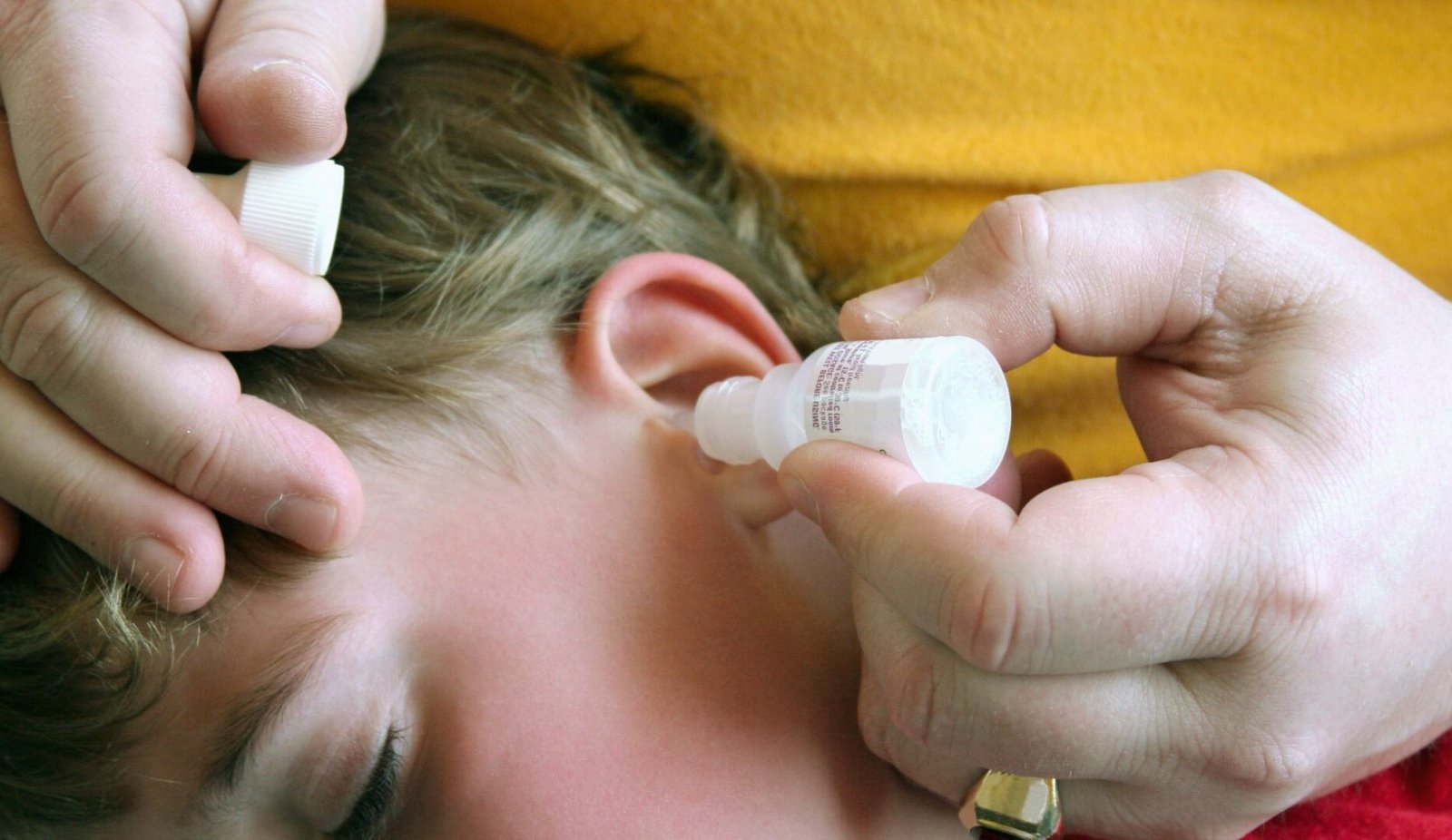
3. Ear Drops
Prescription ear drops can help relieve pain or inflammation, especially if there’s drainage or outer ear involvement. However, they should only be used if prescribed by a pediatrician.
4. Surgical Options for Recurrent Infections
For infants who experience frequent ear infections (three or more in six months), doctors may suggest tympanostomy tubes. These small tubes help fluid to drain from the middle ear, reducing the risk of repeated infections and improving hearing.
5. Supportive Care
Keeping the baby upright during feedings and avoiding exposure to secondhand smoke can significantly reduce infection recurrence. Babies who are bottle-fed lying down are more prone to ear infections, so maintaining an elevated feeding position is beneficial.
Does Breastmilk Help Ear Infections?
Yes, breastmilk can play a valuable role in preventing and even easing ear infections. Rich in antibodies, breastmilk helps strengthen an infant’s immune system and reduces the risk of respiratory and ear infections.
Applying a few drops of breastmilk directly into the affected ear is sometimes cited as a natural ear infection infant remedy, though this method should only be used after consulting a pediatrician. The antibacterial and anti-inflammatory properties of breastmilk can provide mild soothing effects, but it should never replace medical treatment when symptoms persist.
Breastfed babies statistically experience fewer ear infections than formula-fed ones because of the immune protection transferred from the mother. Therefore, continuing breastfeeding during an ear infection helps the child recover faster and may reduce future occurrences.
Can an Ear Infection Cause Vomiting in Toddlers?
Yes, it can. Ear infections, particularly in toddlers, can sometimes lead to gastrointestinal symptoms like vomiting or loss of appetite. This happens because the ear and the digestive system share nerve pathways. When the middle ear is inflamed, it can stimulate the vagus nerve, triggering nausea or vomiting.
Parents should monitor these symptoms closely. Persistent vomiting, dehydration, or high fever are signs that professional toddler ear infection treatment is necessary. In some cases, toddlers may also pull at their ears, appear unusually irritable, or have trouble sleeping due to ear pressure and pain.
Prompt treatment with appropriate ear infection newborn treatment or medical evaluation ensures that secondary symptoms like vomiting subside quickly once the infection is under control.
What Is the Fastest Treatment for an Ear Infection?
The fastest way to treat an ear infection depends on the cause and severity. For bacterial infections, antibiotics are usually the quickest route to recovery. Parents typically notice improvement within two to three days of starting medication.
For viral infections, antibiotics won’t help, so symptom management becomes the priority. Keeping the infant comfortable, hydrated, and rested helps speed up recovery. Using ear infection remedies for infants such as warm compresses and saline nasal drops can relieve pressure and pain.
In more severe or recurrent cases, a specialist in ear, nose and throat may recommend ear tubes to facilitate drainage and prevent chronic buildup of fluid. This procedure can dramatically reduce infection frequency and provide long-term relief.
Regardless of the method chosen, prompt and accurate diagnosis by a pediatrician is key to ensuring the fastest recovery and avoiding complications.
Remember: An ear infection can cause inflammation and fluid buildup behind the eardrum. The Eustachian tubes, which connect the middle ear to the back of the nose, may also swell.
Effective Home Remedies for Ear Infections in Children
While medical evaluation is essential, there are several safe and effective ear infection infant remedies that parents can use at home to ease discomfort and support healing. These remedies are most effective for mild infections or while awaiting medical treatment.
1. Warm Compress
Applying a warm (not hot) compress to the affected ear for 10–15 minutes helps reduce pain and improve circulation.
2. Gentle Massage
Lightly massaging the area behind the ear and along the jawline can relieve fluid pressure and promote drainage.
3. Elevation During Sleep
Keeping the child’s head slightly elevated during rest helps fluid drain naturally from the middle ear. For infants, this can be done by holding them upright during naps.
4. Steam Therapy
Running a warm shower to create steam or using a humidifier can relieve nasal congestion that contributes to ear pressure.
5. Hydration
Encouraging fluids like water, breastmilk, or formula helps thin mucus and promotes drainage.
6. Avoiding Environmental Irritants
Smoke, pollution, and strong fragrances can worsen inflammation in the nasal and ear passages. Keeping the home environment clean and allergen-free supports faster healing.
While these home-based approaches can ease symptoms, persistent pain, high fever, or fluid discharge should always be evaluated by a healthcare provider. Combining medical care with these ear infection newborn treatment strategies ensures comprehensive relief and prevents complications.
Commonly Asked Questions About Ear Pain and Middle Ear Infections in Kids
How is an acute middle ear infection treated?
For a child has an ear infection, the American Academy of Pediatrics recommends pain management. Antibiotics may be used for severe cases or bacterial infections affecting the inner ear. Many mild infections resolve without antibiotic treatment.
How to prevent ear infections in Kids?
If your child has an ear infection, the American Academy of Pediatrics recommends vaccinations, avoiding smoke, and breastfeeding. These steps reduce colds and inflammation that cause ear fluid buildup in the inner ear, preventing infections.
What are the common symptoms of an ear infection?
The symptoms of an ear infection can include severe ear pain, fluid buildup in the ear, and sometimes fever. A child may also pull at their ear, show signs of irritability, and have difficulty sleeping. In infants, symptoms may be harder to identify, but signs like fussiness and difficulty feeding could indicate a problem.
What causes a child to get an ear infection?
Ear infections are typically caused by bacteria and viruses that enter the ear canal, often following a respiratory infection or a cold. The fluid in the middle ear can become trapped, leading to infection. Children, especially those who attend daycare, have a higher risk of ear infection due to exposure to these pathogens.
How is an ear infection diagnosed?
A healthcare provider can diagnose an ear infection using an otoscope to look at the child’s ear. They will check for signs like fluid buildup in the middle ear and inflammation of the ear canal. The presence of fluid remains in the middle ear is a common indicator of infection.
What treatments are available for a child with an ear infection?
Treatment for an ear infection may include pain relievers to help alleviate symptoms like ear pain. In some cases, antibiotics may be prescribed if the infection is severe or caused by bacteria. However, many ear infections clear up on their own within a few days without treatment.
Can home remedies help treat ear infections?
Some home remedies can help relieve discomfort associated with ear infections. Applying a warm compress to the affected ear can provide relief from pain. Additionally, ensuring the child stays hydrated and using pain relievers can support recovery. However, it’s important to consult a healthcare provider for proper diagnosis and treatment options.
How can I help prevent my child from getting ear infections?
To help prevent ear infections, ensure your child receives their vaccinations, as certain vaccines can reduce the risk of infections. Keeping your child away from secondhand smoke and practicing good hygiene can also be beneficial. Additionally, addressing allergies and respiratory infections promptly can help minimize the risk of developing an ear infection.
What is the risk of developing a chronic ear infection?
Children who experience frequent infections may be at risk for chronic ear infections, which can lead to long-term issues with hearing and speech development. If a child has recurrent infections, it’s important to consult a healthcare provider for further evaluation and possible treatment options to prevent future infections.
When should I seek medical help for my child’s ear infection?
If your child has symptoms of an ear infection that are severe, such as high fever or persistent pain, or if they do not improve within a few days, it is essential to seek medical help. Additionally, if your child has difficulty hearing or shows unusual behavior, a healthcare provider should evaluate their condition.
Conclusion
Ear infections in infants and toddlers are distressing but manageable when addressed promptly and correctly. Whether caused by bacteria or viruses, understanding the symptoms, causes, and treatment options is the first step toward effective recovery.
For mild cases, home remedies and watchful waiting may be sufficient. However, when infections persist or recur frequently, professional intervention becomes necessary. The right combination of infant ear infection treatment and pediatric care can provide fast relief, prevent hearing loss, and ensure your child’s comfort and well-being.
Remember, every child is different—what works for one may not work for another. Always consult your pediatrician before starting any toddler ear infection treatment or home-based remedy. Early action, proper hygiene, and a supportive environment are the keys to protecting your baby’s ear health and ensuring long-term wellness.
Recommended posts
- How to Spot and Treat an Ear Infection in Newborn Baby
- Double Ear Infection in Kids: Symptoms, Causes & Best Cure
- 7 Ear Infection in Newborn Symptoms (Must-Read)
- TOP 7 Best Homeopathic Remedies for Infant Ear Infections
- Ear Infections in Preschoolers – A Complete Parent’s Guide
- Are Ear Infections Dangerous: When Should You Go to the ER?

